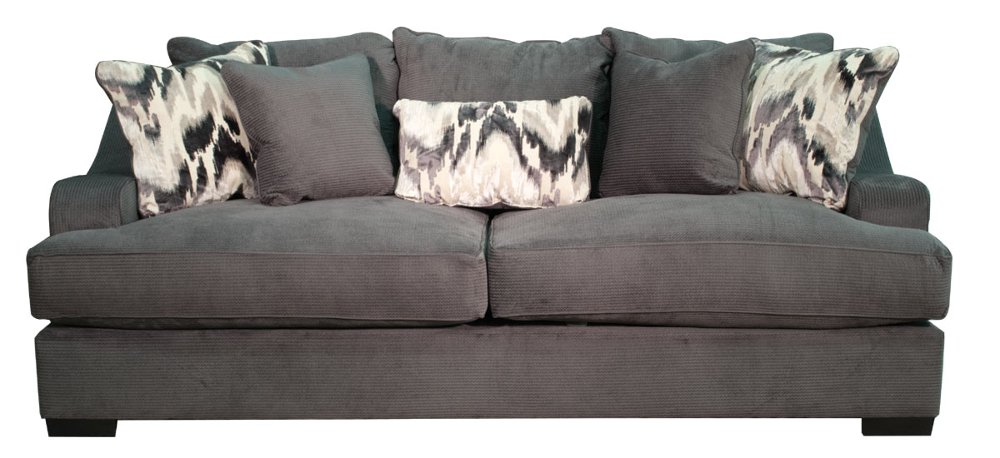
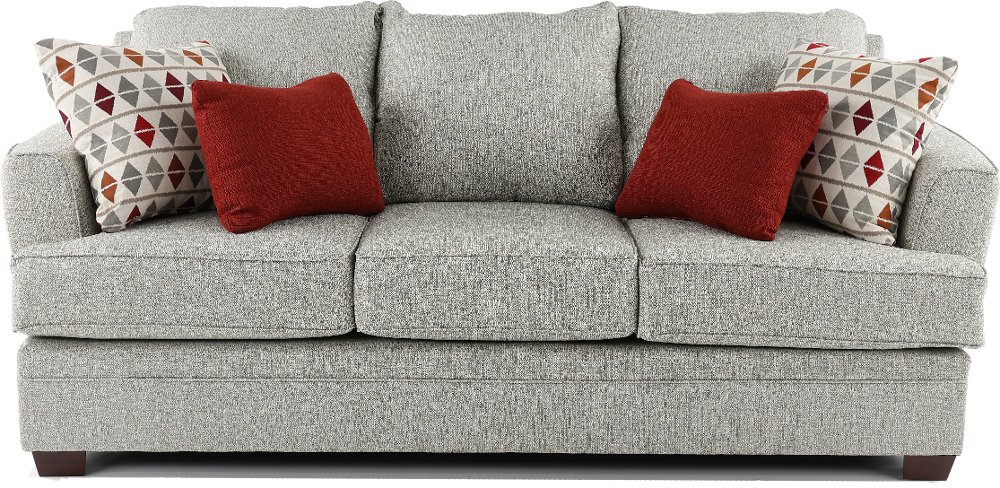
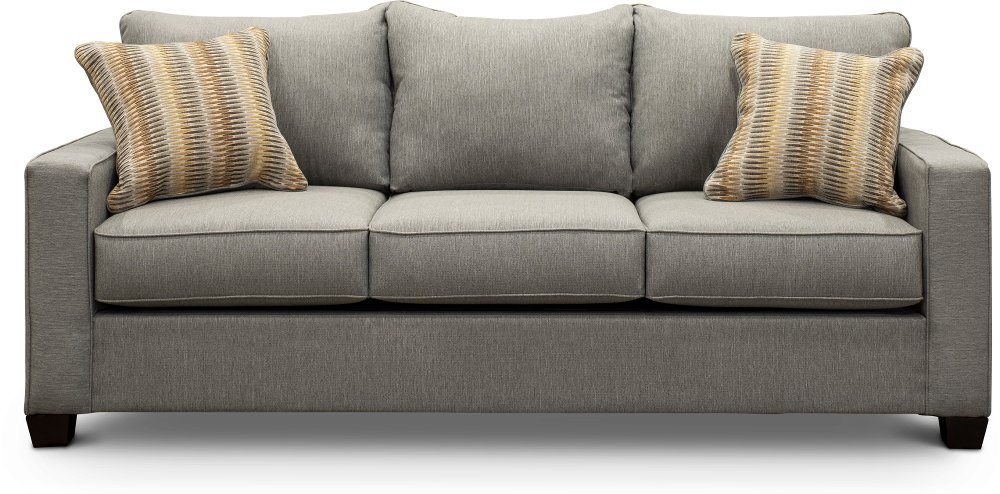
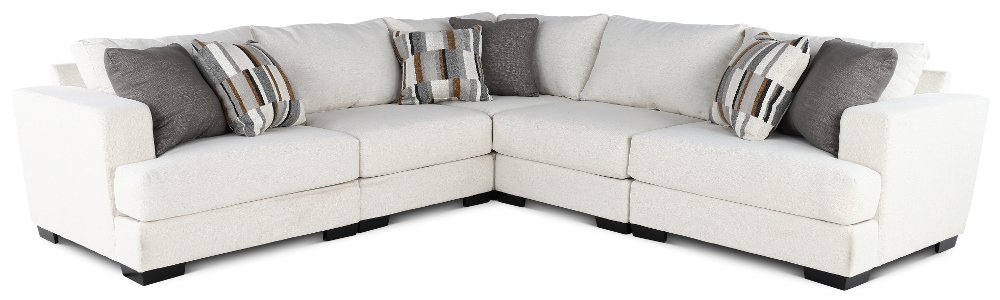
Transitional sleeper sofas combine the inviting comfort of traditional furniture with the simpler lines of contemporary design, giving you everyday seating and a bed for overnight guests in one piece. The look sits comfortably between formal and relaxed: gently curved or neatly tailored arms, balanced proportions, understated legs, and upholstery that lets the shape do much of the decorating. Instead of relying on ornate details or sharply angular silhouettes, a transitional sofa bed brings a settled, welcoming feel to a room. It can look at home beside a familiar wood coffee table, a streamlined metal floor lamp, or an accent chair with a favorite patterned fabric. Neutral shades such as oatmeal, taupe, gray, and cream make flexible foundations, while deeper upholstery colors can add definition without changing the room’s easygoing character. Fabric texture matters just as much as color. A subtle weave gives a simple silhouette depth, and a small-scale pattern can bring interest without competing with a rug or artwork. These convertible seating pieces are especially useful in living rooms, apartments, dens, and home offices that occasionally serve as guest rooms. A visiting sibling gets a place to settle in after an evening together, and a work-from-home space can welcome a friend without keeping a permanent bed in the middle of the room. For households that entertain overnight only occasionally, the sofa’s everyday comfort deserves as much attention as its sleeping surface. Supportive seat cushions, a comfortable back angle, and arm height all shape how the piece feels during reading, conversation, or a long movie. Transitional styling also leaves room for your taste to evolve. Swapping pillows, changing an area rug, or adding a different side table can refresh the setting while the sofa remains a familiar anchor. The result is furniture that earns its place throughout the day, with an extra function ready when company stays over.
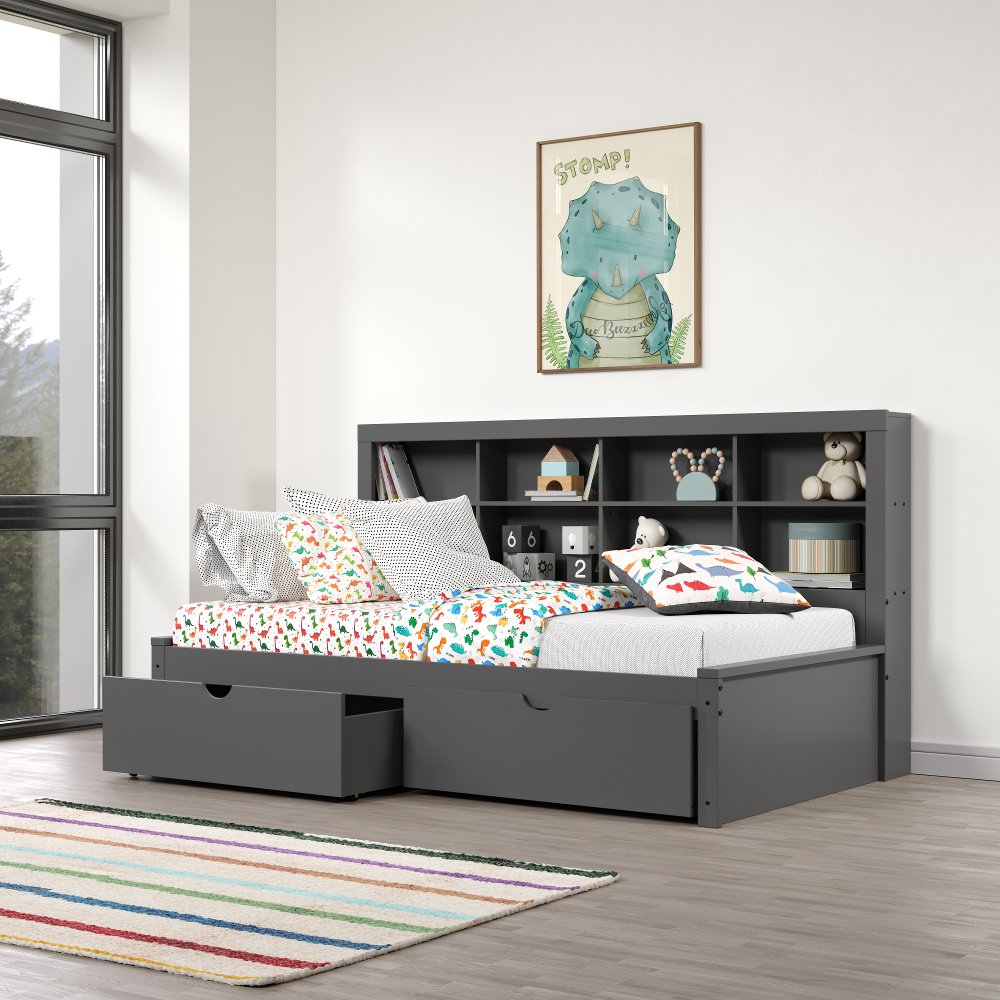
The right fit for a transitional sleeper sofa includes both its closed footprint and the space it needs as a bed. Overall width determines how much wall space it occupies, but arm thickness and seat depth affect how generous the seating feels within those dimensions. Broad arms can create a substantial, cozy look, while slimmer arms leave more of the overall width for sitting. A shallower seat may suit someone who likes to sit upright with feet on the floor; a deeper seat offers more room to curl up, though shorter users may prefer extra back support. When the sleeper opens, its frame and mattress extend into the room, so the fully extended depth is an important measurement. Allow space to move a coffee table, reach the bed from the side, and keep a clear route to the doorway. In a home office, that might mean placing a rolling desk chair outside the bed’s path; in a den, nesting tables can be easier to relocate than one heavy centerpiece. Doorways, hallways, stair landings, and elevators also matter because the sofa must reach its intended room. Sleepers can be heavier than comparable stationary sofas because of the mechanism inside. Twin, full, and queen sleeper formats serve different spaces and guest needs, but the mattress size alone doesn’t tell you the sofa’s overall dimensions. Sleeper mattress measurements can also differ from standard bed measurements, so check the actual length, width, and thickness before choosing bedding. Traditional pull-out designs unfold a separate mattress and support frame, while other convertible designs create a sleeping surface by repositioning cushions or extending a platform. Foam, memory foam, and innerspring mattresses offer different feels; construction, condition, and personal preference matter more than a material name alone. For frequent guests, consider both sleeping support and how easily the mechanism operates. If the room would work better with a permanent mattress that doubles as daytime lounging space, transitional daybeds offer a related option with a different footprint and setup.
Materials and construction help determine how well a transitional sleeper sofa handles the rhythm of your home. Upholstery should feel good against the skin while matching the demands of the room, whether that means quiet reading most evenings or daily use by children, pets, and visiting friends. Tightly woven fabrics can provide a smooth, tailored appearance, while textured upholstery adds softness and visual depth. Raised loops and loose weaves may catch on pet claws, so fabric structure deserves a close look in homes with animals. Performance upholstery can offer useful stain resistance or easier cleaning, but the specific treatment and care requirements vary; the label is more informative than the word “performance” by itself. Leather has a distinct feel and appearance, with care needs that depend on its finish, and it shouldn’t be treated like woven fabric. Under the upholstery, frame construction, reinforced joints, cushion support, and a securely fitted sleeper mechanism all contribute to durability. Seat cushions may use foam, fiber, or layered combinations to balance support and softness. A firmer cushion can feel more structured, while a softer fill may need regular fluffing to maintain its shape. Removable cushions can make routine cleaning easier, but a zippered cover doesn’t necessarily mean it’s machine washable. Following the upholstery care code, vacuuming seams and crevices, and blotting spills promptly help preserve the surface without spreading moisture or soil. Rotate or flip cushions only when their design allows it, and use manufacturer-approved cleaning methods rather than assuming one solution suits every fabric. The sleeping components deserve similar attention: keep bedding clear of moving parts, follow the operating instructions, and use a mattress protector compatible with the folding system. Extra toppers or thick bedding generally need separate storage unless the manufacturer permits folding them inside. With the right proportions, upholstery, and sleeping setup, a transitional sleeper sofa can support everyday life without making the room feel like a spare bedroom. It gives guests a thoughtful place to rest while keeping the space comfortable, personal, and useful for the people who live there.
Read More