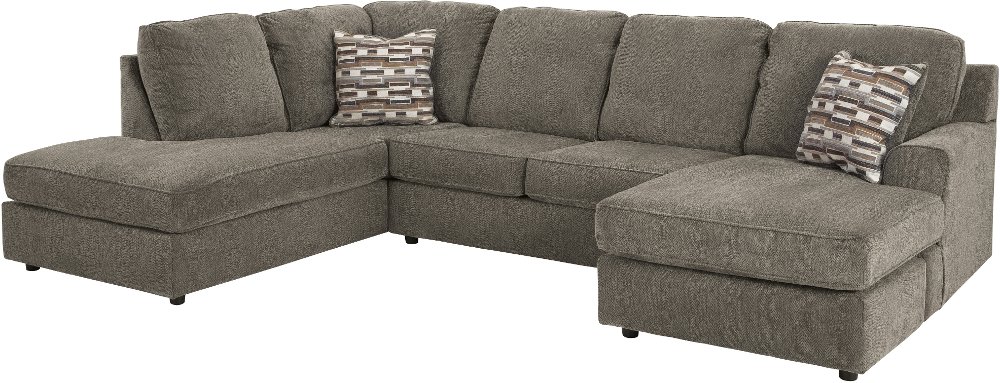
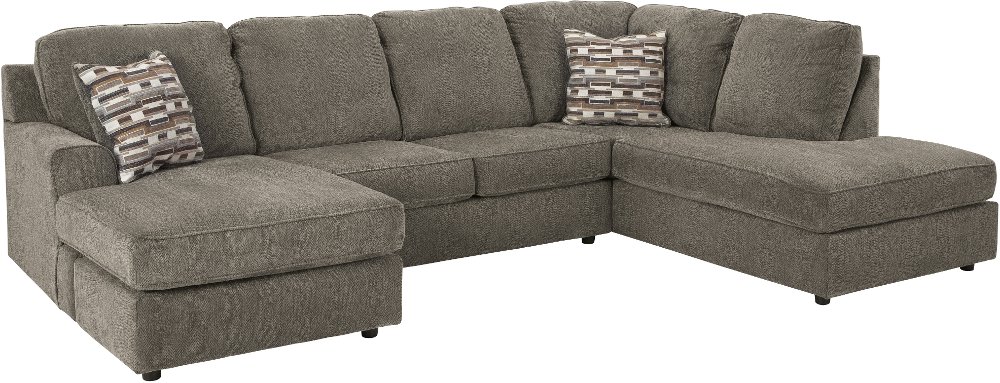
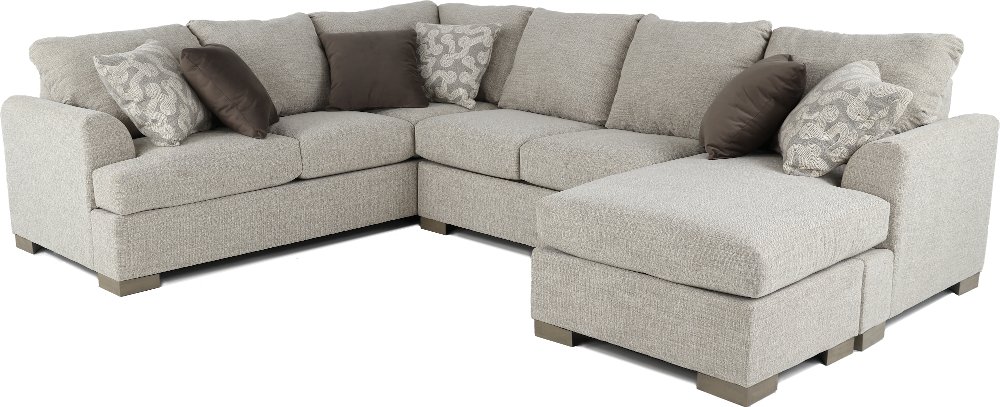
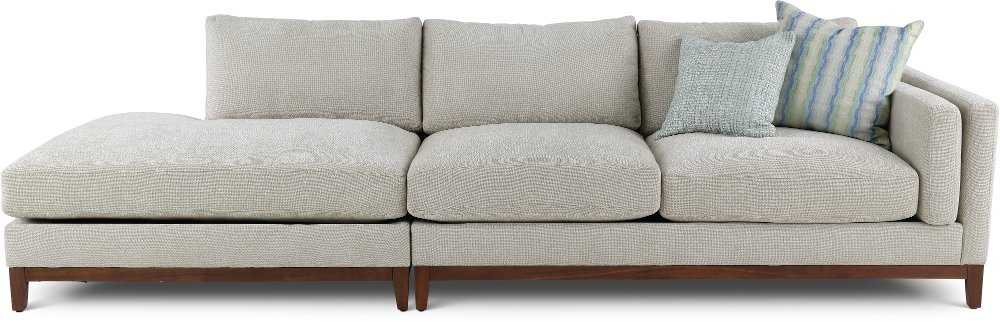
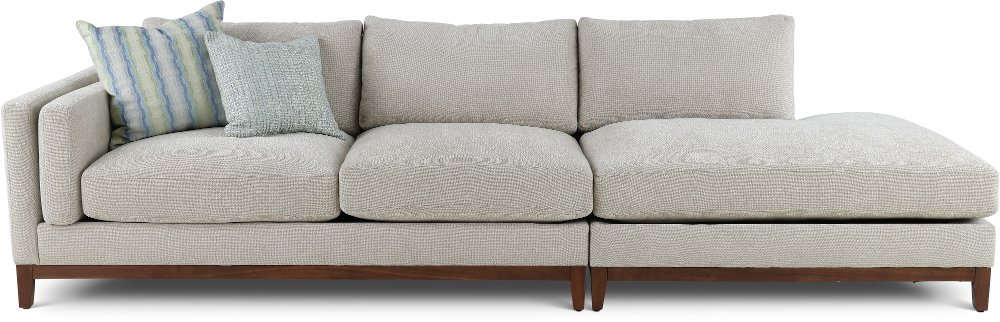
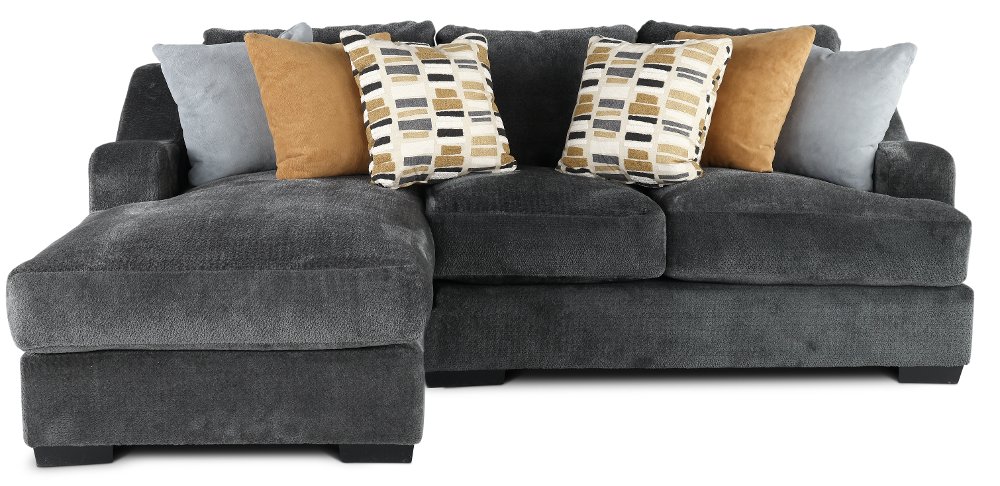
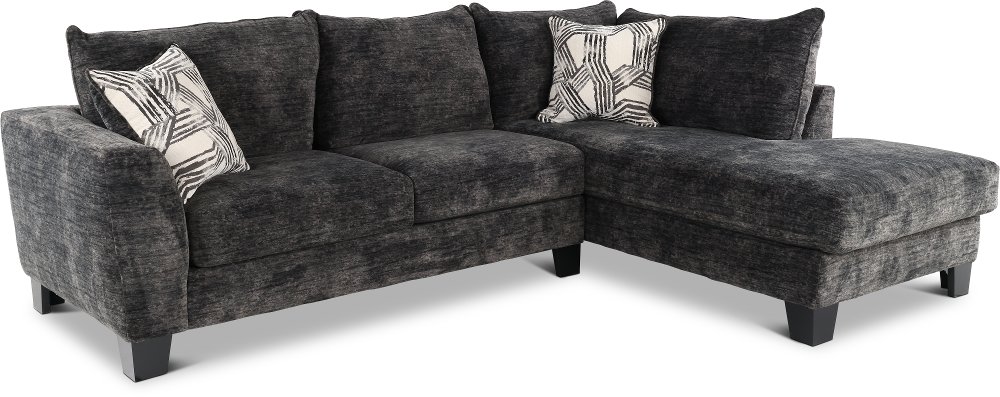
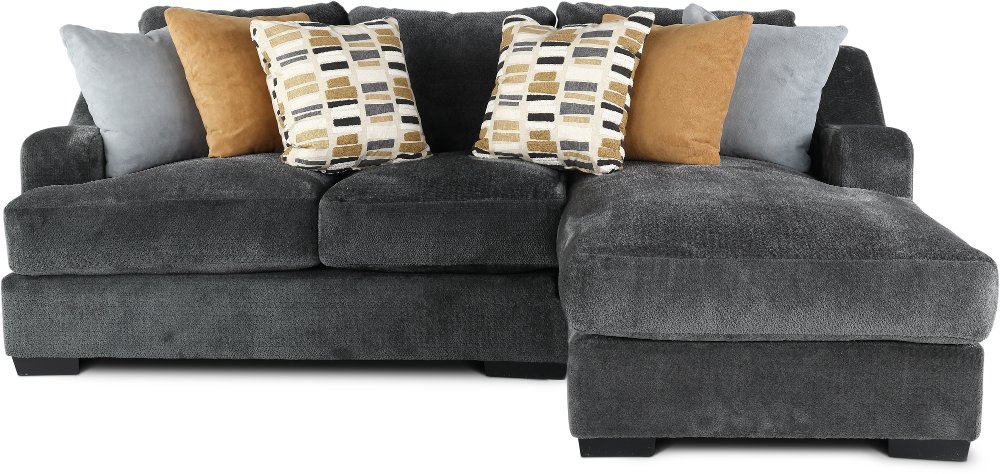
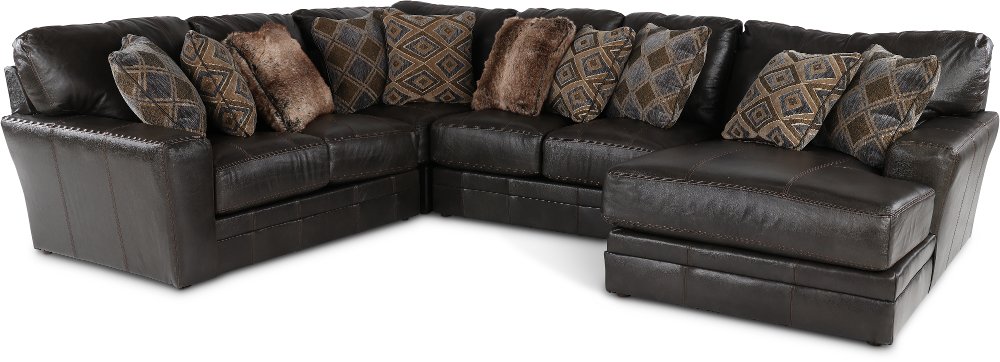
Two piece sectionals make it easier to create a comfortable, welcoming living room without filling the space with more furniture than you need. A two piece sectional typically combines two major seating components, such as a sofa with a chaise, a loveseat with a chaise, or two connected seating pieces that meet at a corner. Together, they create an L-shaped arrangement that gives everyone room to sit while reserving one end for stretching out. Some designs have a fixed left-facing or right-facing chaise, while others use separate, movable pieces that let you change the orientation to suit your room. This compact footprint works especially well in apartments, townhomes, guest rooms, home offices, and average-sized living rooms where a larger sectional could feel overwhelming. It also brings definition to an open-concept floor plan, creating a natural boundary between the living area and a kitchen, dining space, or entryway without blocking the flow of the room. During the warmer seasons, a two piece sectional can anchor a bright, relaxed room where family and friends gather after time outdoors. As the weather turns cooler, its generous seating becomes an inviting place for movie nights, reading, conversation, and quiet evenings at home. Because the configuration includes only two primary pieces, it can also be simpler to move through doorways, hallways, stairwells, and elevators than a large multi-piece arrangement. That practical detail matters when you’re furnishing a new home, rearranging a room, or preparing for a future move. For rooms that need more seating, a two piece sectional can pair comfortably with an accent chair, ottoman, or small coffee table while keeping the overall layout balanced.
Before choosing a two piece sectional, take careful measurements of the room and the route the furniture will travel. Measure the available wall length, the distance from the sectional to the television or fireplace, and the open space needed for walking around it. Then measure doorways, hallways, stairwells, elevators, and any sharp turns between the delivery entrance and the room. A sectional may fit beautifully once it’s in place but still need extra planning to get through a narrow entryway. Use painter’s tape on the floor to outline the full footprint, including the chaise extension, and leave enough clearance for drawers, doors, recliners, vents, and nearby tables. Pay close attention to chaise orientation. A left-facing chaise generally extends from the left side of the sectional as you face it, while a right-facing chaise extends from the right; retailers may describe orientation from a seated or front-facing perspective, so confirm the listing details before ordering. If you like to refresh your layout or expect to move, a reversible or modular design can offer additional flexibility. It may allow the chaise to switch sides or let you separate the components when your needs change. Fixed configurations can provide a more tailored look and a secure connection between pieces, while movable components may make cleaning, rearranging, and delivery easier. Comfort deserves equal attention. Sit back and consider the seat depth, cushion firmness, back height, arm style, and chaise length. A deeper seat can feel wonderfully relaxed for lounging, while a shallower seat may offer more upright support for conversation. Firm cushions often make it easier to sit and stand, and softer cushions can create a sink-in feeling that suits long stretches of reading or watching a favorite show. If several people will use the sectional every day, look for durable upholstery, supportive construction, and cushions that can be rotated or maintained according to the care instructions. Performance fabrics, textured weaves, and darker or patterned upholstery may be helpful in busy homes, while lighter colors can make a room feel open and airy when paired with thoughtful maintenance.
Two piece sectionals suit many lifestyles because they combine the everyday usefulness of a sofa with the relaxed comfort of a chaise. They’re a natural fit for someone furnishing a first apartment, setting up a family room, creating a cozy guest suite, or giving a newly purchased home a comfortable gathering place. A sectional can also be a thoughtful housewarming gift when you know the recipient’s room dimensions and decorating preferences, although measuring first is essential for a furniture gift of this size. Families often appreciate the way an L-shaped arrangement gives children space to spread out while leaving room for adults to sit together. Couples may enjoy having one shared seating area with enough chaise space for reading or relaxing. Guests can settle in comfortably during gatherings, and the corner configuration can make conversation feel more natural than a long sofa placed against a wall. In an open room, position the back of the sectional toward the dining or kitchen area to establish a clear living zone. In a smaller room, place the longer section along the wall and keep the chaise from interrupting the main walkway. A low-profile design can help preserve sightlines, while a taller back or substantial arms may bring a more grounded, traditional feel. Complete the arrangement with a coffee table that leaves comfortable legroom, a rug large enough to connect the seating area, and lighting that serves both conversation and relaxation. If your room, household, or entertaining needs may grow, compare the footprint and expansion options of 6 Piece Sectionals as well. Whether you prefer clean lines, soft curves, neutral upholstery, rich color, or a more relaxed layered look, the best two piece sectional is the one that fits your space, supports the way you live, and makes it easy to feel at home.
Read More