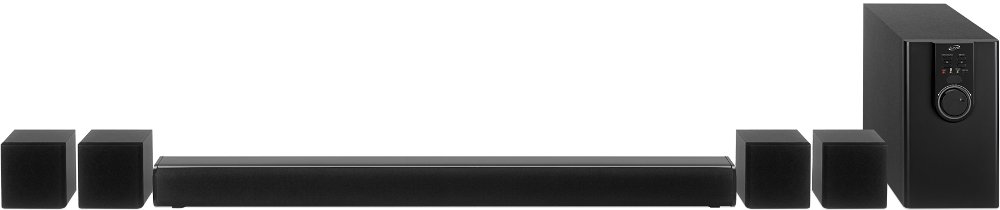
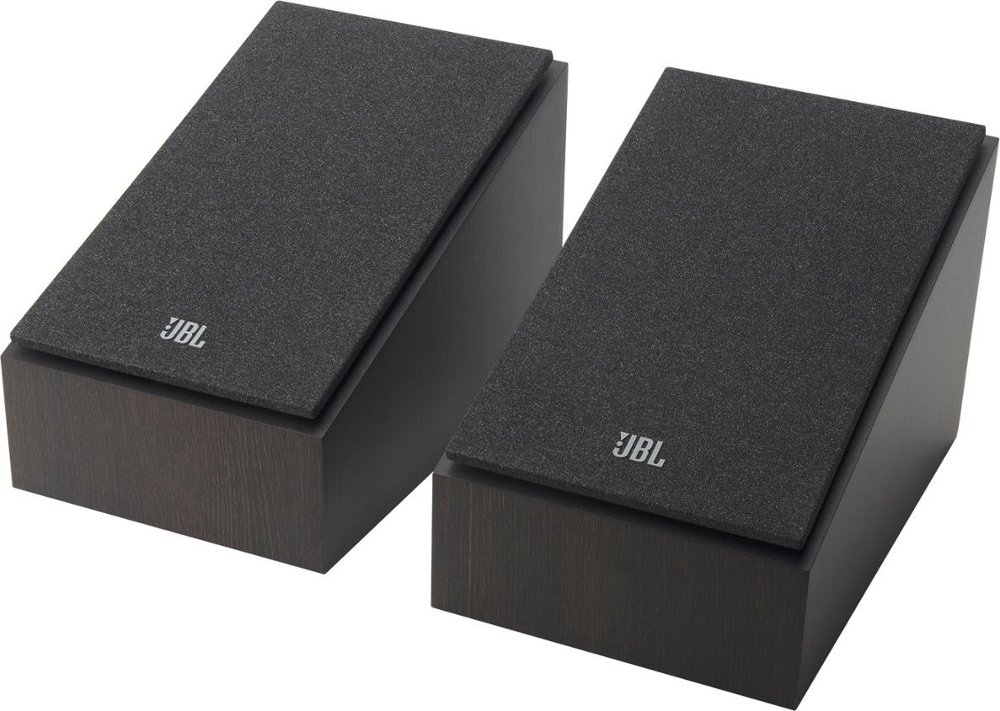
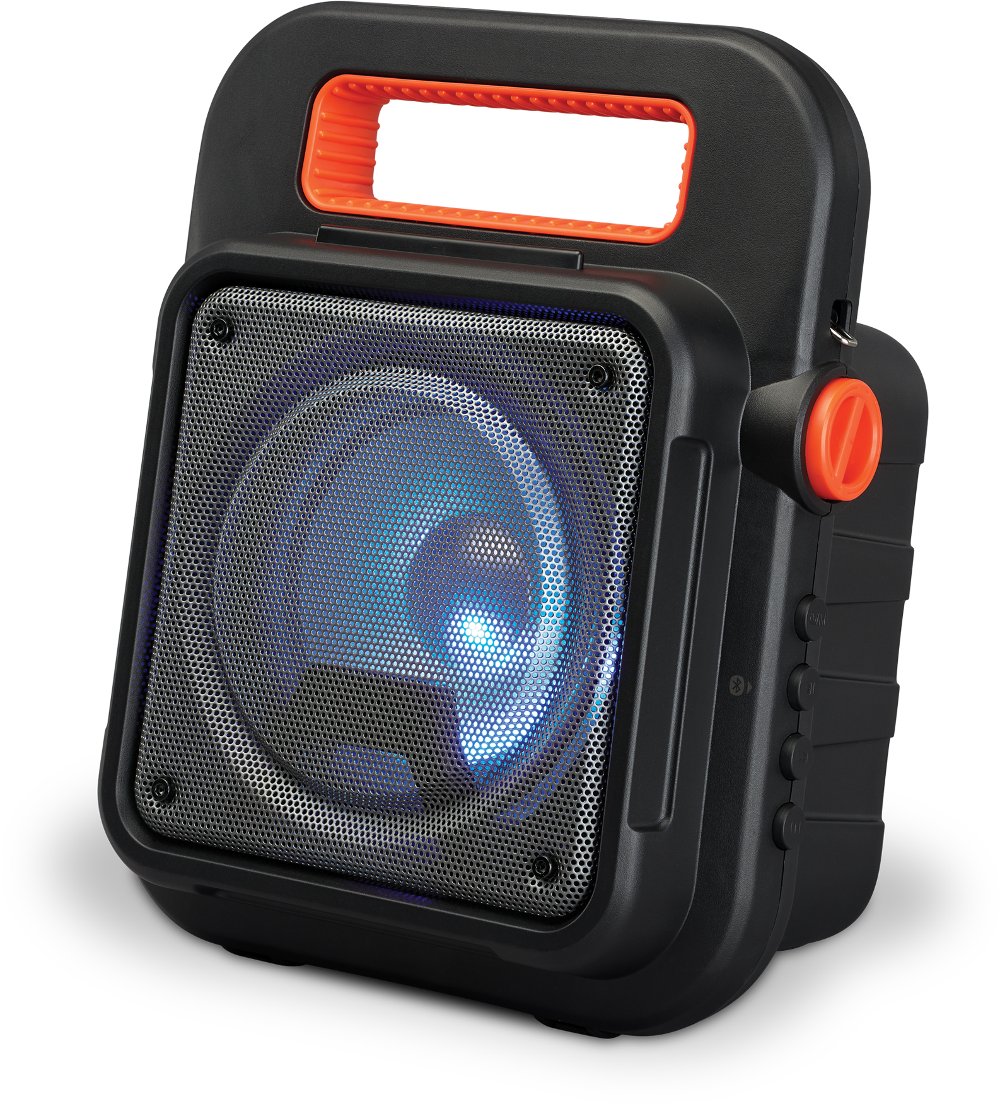
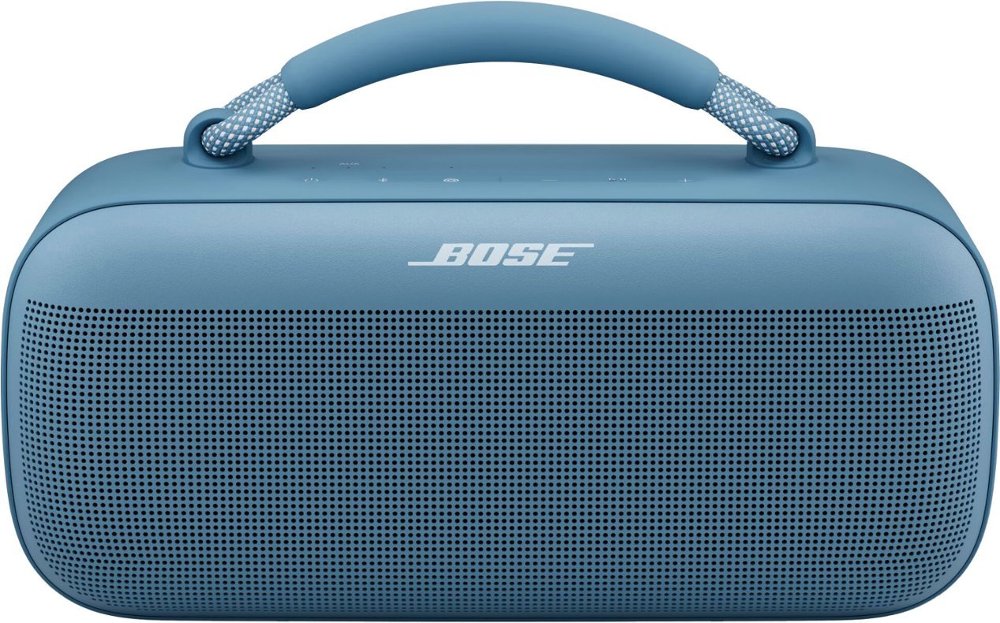
Wall mountable Bluetooth speakers bring audio to your living space without taking up room on a desk, console, or bookshelf. They attach to a wall with compatible brackets or mounting hardware and receive music wirelessly from a Bluetooth-enabled phone, tablet, computer, or other supported device. Depending on the design, the Bluetooth receiver may sit inside the speaker or in a separate amplifier that powers the speakers. That distinction matters: Bluetooth handles the audio connection, but it doesn’t necessarily eliminate power cords or speaker wires. A wall-mounted speaker may need a nearby electrical outlet, and a paired system may use a cable between its powered speaker and a second speaker. For a home office, this arrangement can free up valuable work surface while keeping podcasts and background music within easy reach. In a living room, speakers mounted beside a media console can create a more intentional setup, especially when their finish complements the television, furniture, and surrounding decor. A pair positioned on either side of a listening area can provide stereo separation, while a single speaker may suit casual listening in a smaller room. Surface-mounted designs sit outside the wall and typically attach with brackets, sometimes allowing the speaker to swivel or tilt. Flush-mount systems fit into a purpose-made opening in a wall or ceiling and may connect to a separate Bluetooth receiver or amplifier. These styles have different installation requirements, so a speaker described as wall mountable shouldn’t automatically be treated as an in-wall speaker. Cabinet depth, grille shape, and mounting orientation all affect how the finished setup looks. A slim enclosure can blend into a compact office, while a larger cabinet may make more sense in a spacious family room. The right fit balances the room’s appearance with the sound you enjoy, whether that means clear voices during an audiobook, lively music while preparing dinner, or a fuller soundtrack for time spent relaxing at home.
The difference between active and passive speakers helps explain what a wall-mounted Bluetooth audio system needs to work. An active, or powered, speaker contains an amplifier; a passive speaker relies on an external amplifier. Some Bluetooth speaker pairs include one powered main speaker with the Bluetooth receiver built in and a passive companion connected by speaker wire. Other systems use a separate Bluetooth amplifier connected to multiple passive wall speakers. Two independently powered Bluetooth speakers don’t necessarily work together as a stereo pair, so supported pairing features matter when you want distinct left and right channels. Sound quality also depends on more than the wattage printed in a specification. Speaker size, driver design, enclosure construction, amplifier performance, and room acoustics all influence what reaches your ears. A two-way design typically uses separate drivers for lower frequencies and higher frequencies, while some compact speakers use a single full-range driver. Larger cabinets and drivers may offer more low-frequency output, but size alone doesn’t guarantee balanced sound. Clear speech can be especially important for podcasts, video calls, and television dialogue, while music listeners may value a smooth blend of vocals, instruments, and bass. Wall placement can reinforce bass, and corners may make it sound heavier than intended. Adjustable brackets can help aim the speakers toward a sofa or desk rather than across an empty part of the room. Bluetooth range varies with the equipment and the space, and walls or other obstacles can interrupt the connection between your device and the receiver. Controls deserve attention, too: a remote or compatible app can be useful when the speaker’s buttons sit above comfortable reach. For television use, Bluetooth compatibility doesn’t always mean perfectly synchronized dialogue, since audio delay depends on both devices. A supported wired input may provide a better alternative. Features such as auxiliary inputs, automatic reconnection, or adjustable tone settings can make a system more convenient, but each depends on the speaker’s design.
Materials, mounting support, and everyday care contribute to how comfortably these speakers fit into your home over time. Enclosures may use molded plastic, wood, or engineered wood, with metal or fabric grilles protecting the drivers. Each material brings a different look and care requirement. A smooth enclosure is generally easy to dust, while a fabric grille benefits from gentle cleaning that avoids pressing against the components underneath. Manufacturer-approved care is the safest approach: a soft, dry cloth is often suitable for exterior surfaces, and liquids should stay away from drivers, ports, and electrical connections. Durable construction matters, but secure installation matters just as much. The bracket must support the speaker’s weight, match its mounting points, and suit the wall material. Drywall, masonry, and wood framing require different fastening methods, and included screws aren’t necessarily suitable for every wall. Speakers intended for bracket mounting also need enough clearance for connectors, ventilation, and any movement the bracket allows. A swivel mount loses its usefulness if a nearby cabinet prevents the speaker from turning. Planning for a power outlet and a tidy cable path helps the setup look finished without stretching cords across a doorway or leaving loose wiring near a play area. Recessed installations involve additional considerations, including wall depth, internal obstructions, and access to the system’s electronics; electrical work belongs with a qualified professional when required. For renters or anyone who prefers a movable listening setup, Bluetooth Bookshelf Speakers offer another way to enjoy wireless streaming without permanent wall mounting. Wall-mounted models are especially appealing when floor and furniture space are limited or when a dedicated listening area is part of the room’s design. They can also make a thoughtful gift for a music lover, a home-office user, or someone furnishing a new place, provided the recipient’s space, devices, and installation preferences are understood. Matching the speakers to those everyday needs creates a setup that feels useful, comfortable, and easy to enjoy long after installation.
Read More