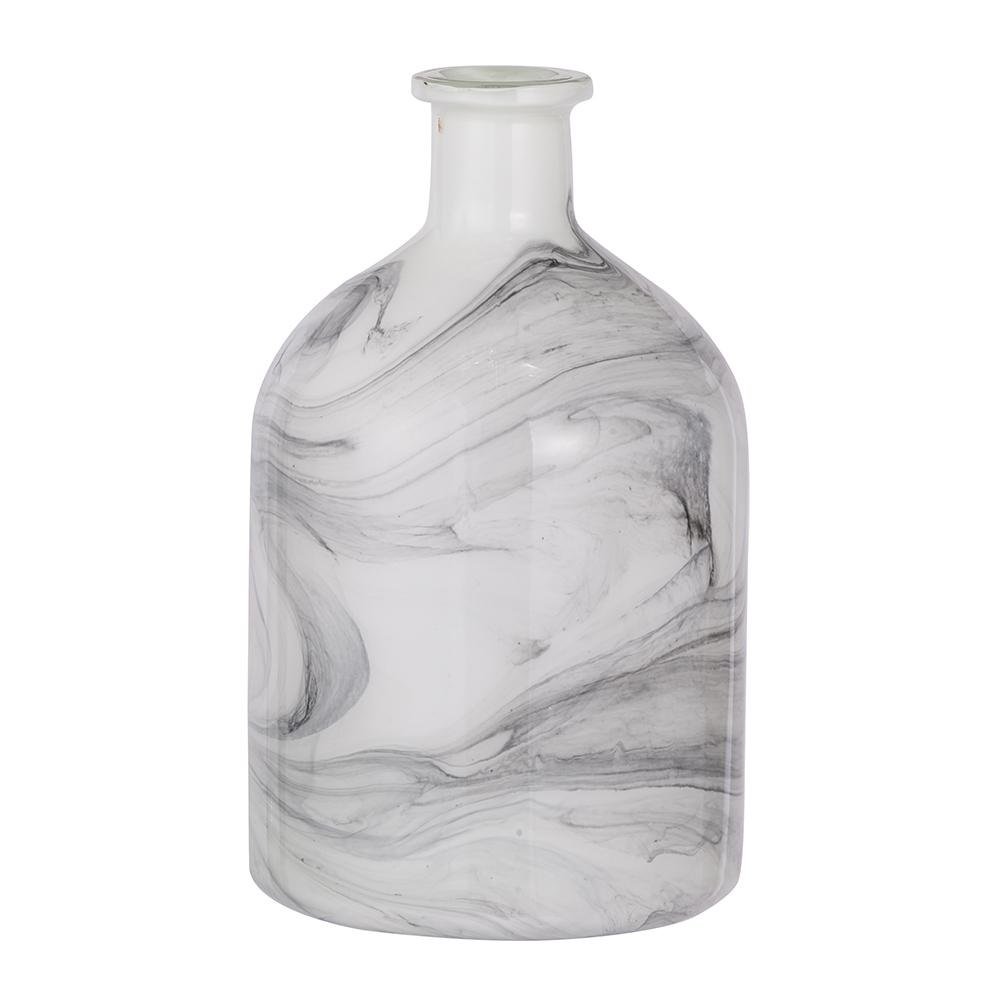
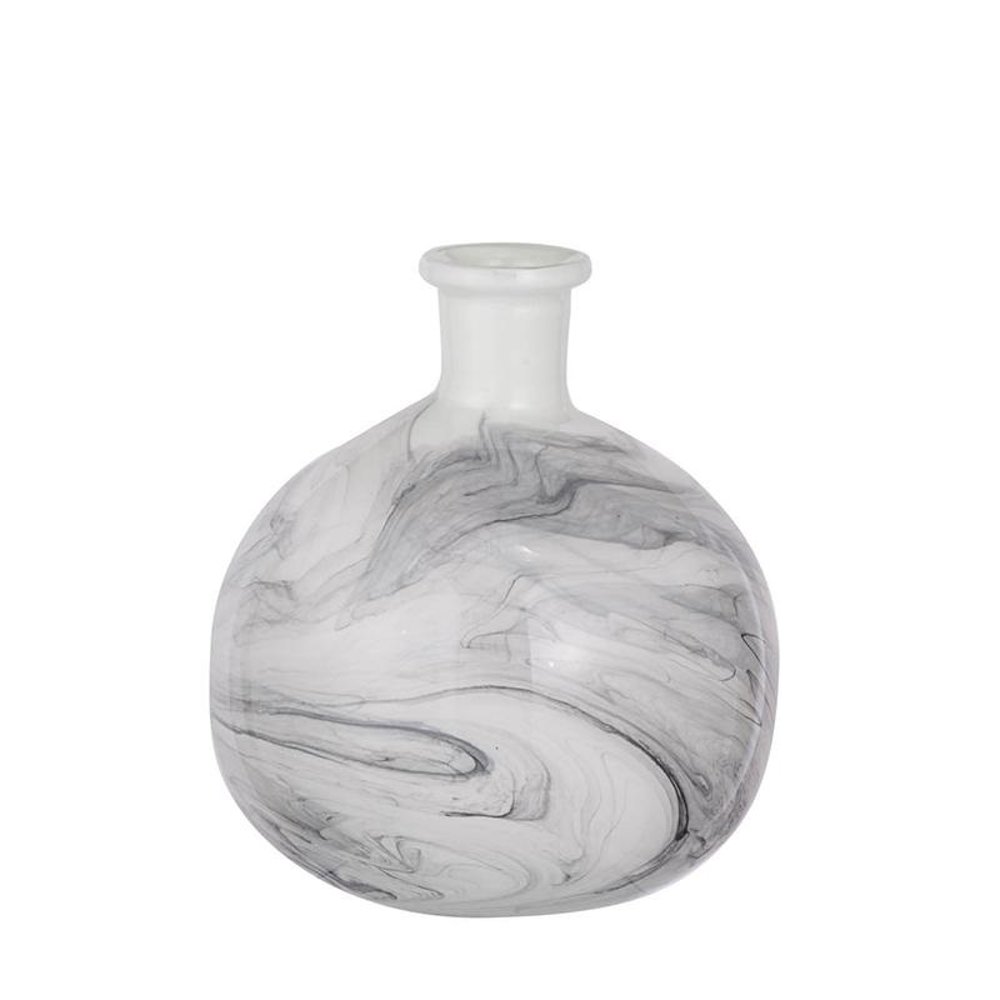
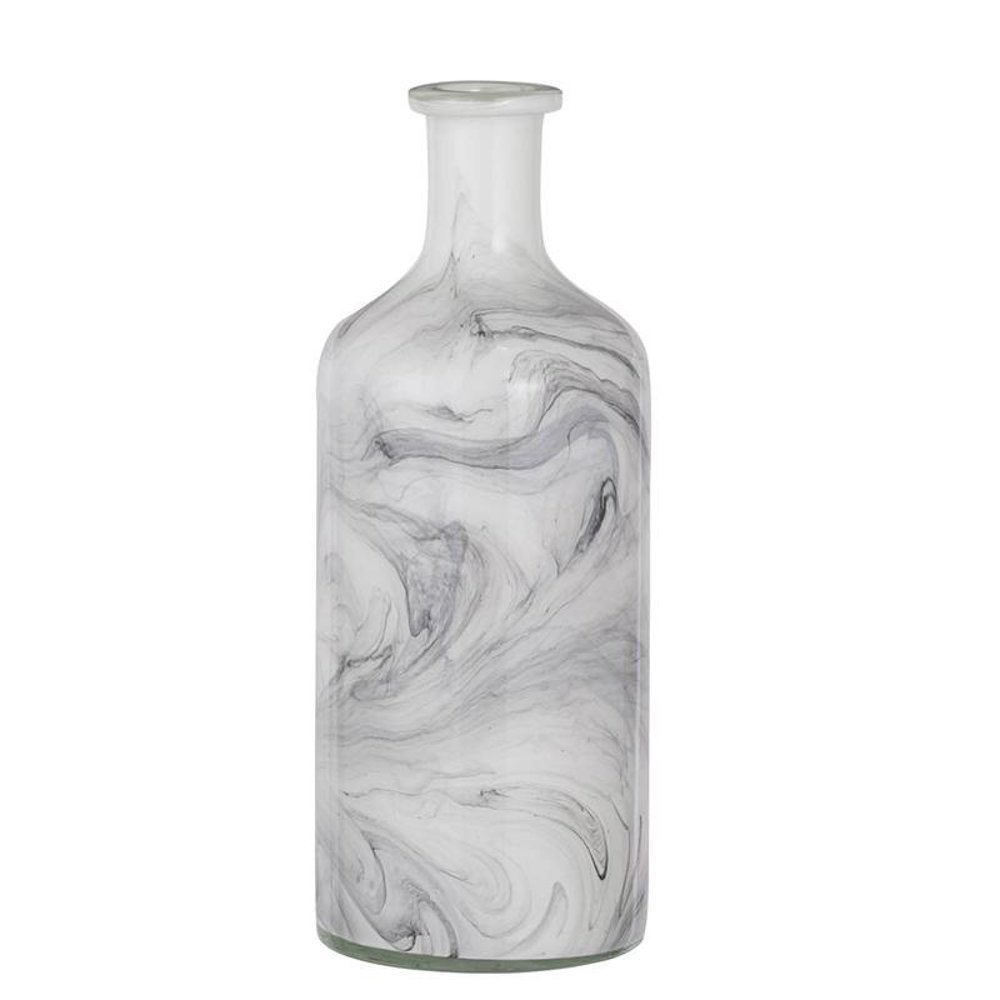
White vases provide a clean, versatile backdrop for fresh flowers, dried botanicals, and faux stems, while also working as decorative accents on their own. Their neutral color lets the shape of the vessel and the character of an arrangement stand out, whether that means a few leafy branches or a full bouquet of colorful blooms. A white flower vase can soften the look of a dark wood console, add contrast to a black bookcase, or bring a quiet finishing touch to a bedroom dresser. Against a pale wall, details such as ribbing, a curved handle, or an irregular rim become especially noticeable through the shadows they cast. White also comes in more variations than the name suggests. Crisp white tends to look bright and defined, while ivory and creamy off-white have a softer appearance that pairs comfortably with oak, woven baskets, and natural textiles. The surrounding colors matter: a creamy vase may look distinctly warm beside a bright white wall, while a cooler white can pick up gray undertones near charcoal furniture. Smooth, simple silhouettes suit streamlined spaces, and rounded shapes or textured finishes can feel right at home alongside relaxed upholstery and well-loved wood furniture. A white decorative vase doesn’t need flowers to earn its place in a room. An interesting silhouette can anchor a small grouping of books and framed photos without making a shelf feel crowded. For a more collected look, a few vessels with different heights and related finishes create variety without introducing another strong color. In a colorful room, white offers a visual pause; in a neutral room, it adds another layer of shape and texture. That flexibility makes white vases useful for first apartments, established homes, and rooms where the furniture stays put but smaller decorative details change over time.
Material and finish influence both the appearance of a white vase and how it can be used. Ceramic vases, including stoneware and porcelain, offer a broad range of shapes, from substantial rounded bodies to fine, narrow necks. Stoneware often has a grounded, substantial feel, while porcelain can have a finer profile and a smooth, refined surface. A glossy glaze reflects light and emphasizes curves; a matte finish creates a softer appearance and may make fingerprints or surface marks more noticeable. Textured ceramic brings extra dimension, although deep grooves and raised patterns can take more attention to dust. White glass vases can look crisp and smooth, but painted or coated glass may need different care than glass with color incorporated into the material. Resin and metal offer other possibilities for decorative shapes, with weight, finish durability, and water compatibility varying by construction. The key distinction is whether a vase is intended to hold water. Ceramic isn’t automatically watertight, and even a glazed vessel may be designated for decorative use only. Product care information should confirm suitability for fresh flowers; a decorative-only vessel may work with a separate watertight insert if its opening and interior allow a secure fit. Size deserves just as much attention as material. A wide opening accommodates fuller arrangements, while a narrow neck helps support a few stems without letting them spread too far apart. The base needs enough width and weight to balance the arrangement, especially when branches extend beyond the rim. On a dining table, a low profile keeps conversation comfortable across place settings. On an entry console, a taller silhouette can balance a mirror or artwork, provided it leaves room for everyday essentials. Explore Tall Vases for displays that call for more vertical presence. For shelves, measure the usable height with stems included, and leave enough clearance to lift the vessel out comfortably rather than sliding it against the shelf above.
The best white vase for a space also suits the way that space gets used. A compact vase on a breakfast table can hold a small bunch of flowers without crowding plates, while a broader vessel on a sideboard has room for a loose, spreading arrangement. A floor vase can give an empty corner definition, but it belongs outside walking paths and away from doors that could knock against it. In homes with active children or curious pets, a stable base and a protected placement matter more than an especially delicate profile. For fresh flowers, clean water and a clean interior help keep the display looking its best; removing foliage below the waterline also reduces decaying plant material inside the vessel. Narrow openings can make interior cleaning harder, so access matters if fresh arrangements will be a regular feature. Dried grasses and faux branches avoid the need for water, although they still collect dust and should be kept away from open flames. White surfaces can make residue noticeable, particularly around the rim, so gentle, consistent care helps preserve their appearance. Follow the care directions for the material and finish, and use a soft cloth rather than assuming an abrasive scrubber or dishwasher is safe. Painted finishes, metallic accents, and unglazed surfaces may need special handling. Empty a vase before moving it, lift it from the body rather than a decorative handle, and check the base for moisture before returning it to wood furniture. A suitable protective pad or coaster can help protect the surface beneath it, but it doesn’t replace checking for leaks. White vases also make thoughtful housewarming, wedding, or host gifts when the recipient enjoys flowers or home decorating. A manageable size and an easy-to-place shape give the recipient flexibility, especially when their room dimensions or decorating preferences aren’t familiar. Whether filled with a favorite bouquet or left empty beside a reading chair, a well-chosen white vase adds a finished detail without demanding that the rest of the room revolve around it.
Read More