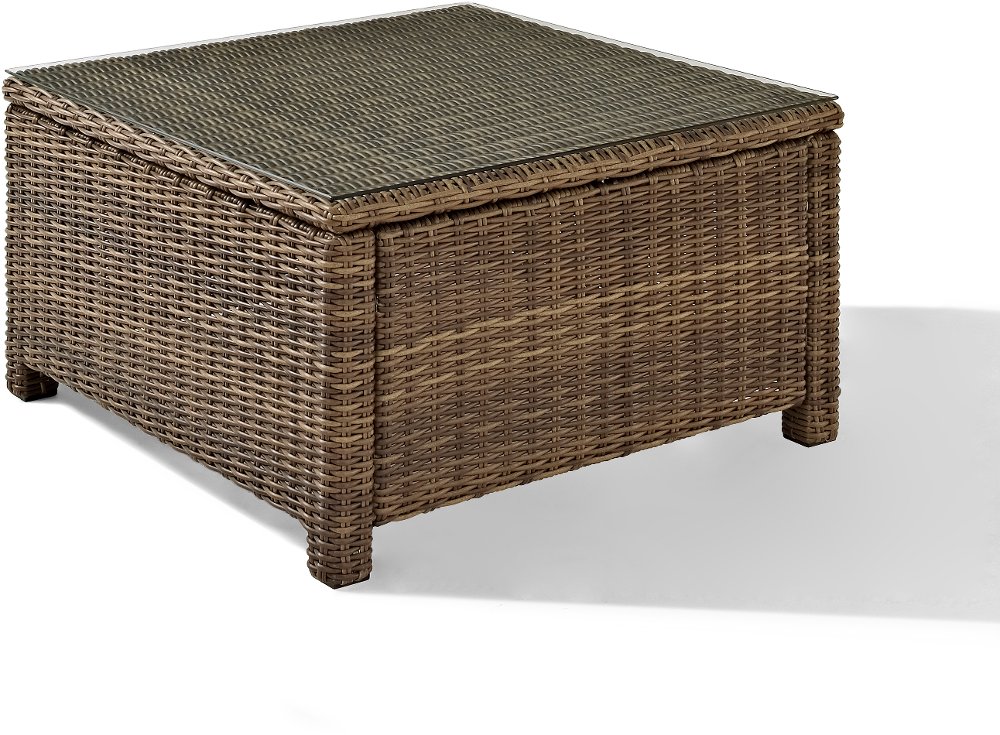
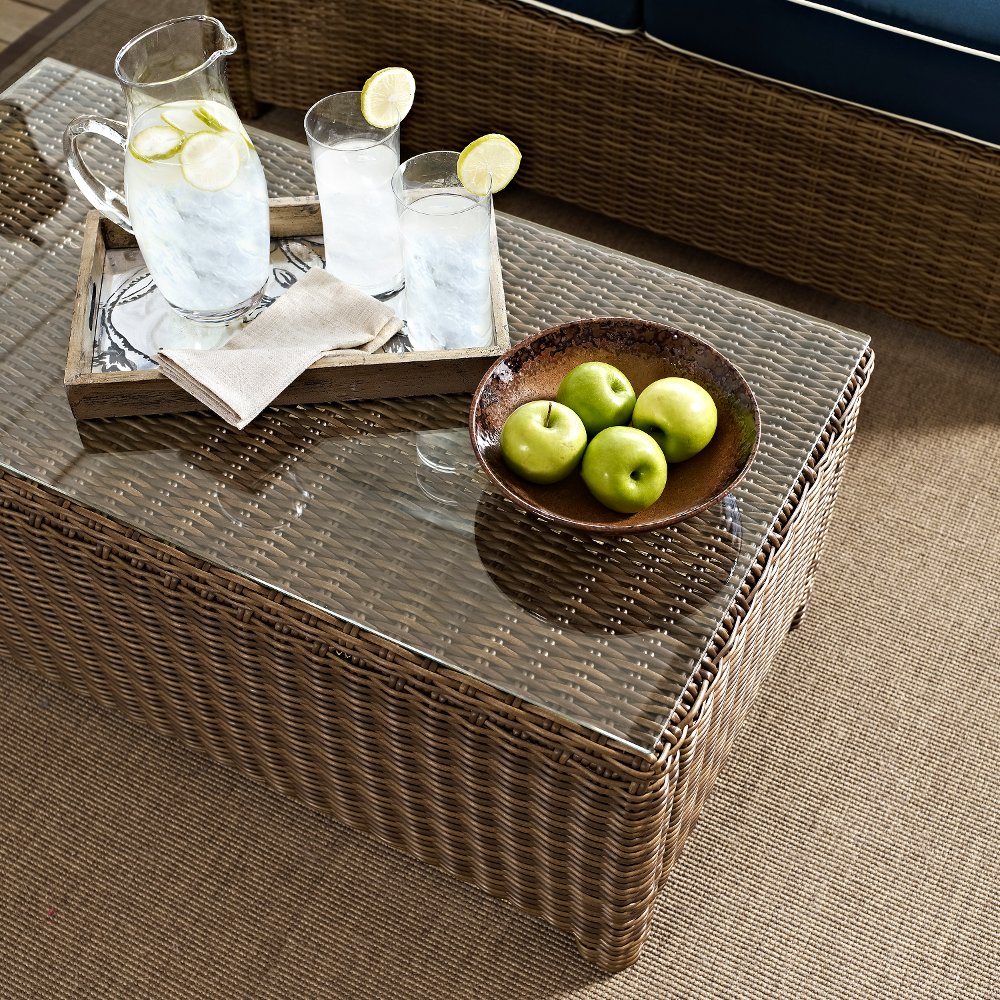
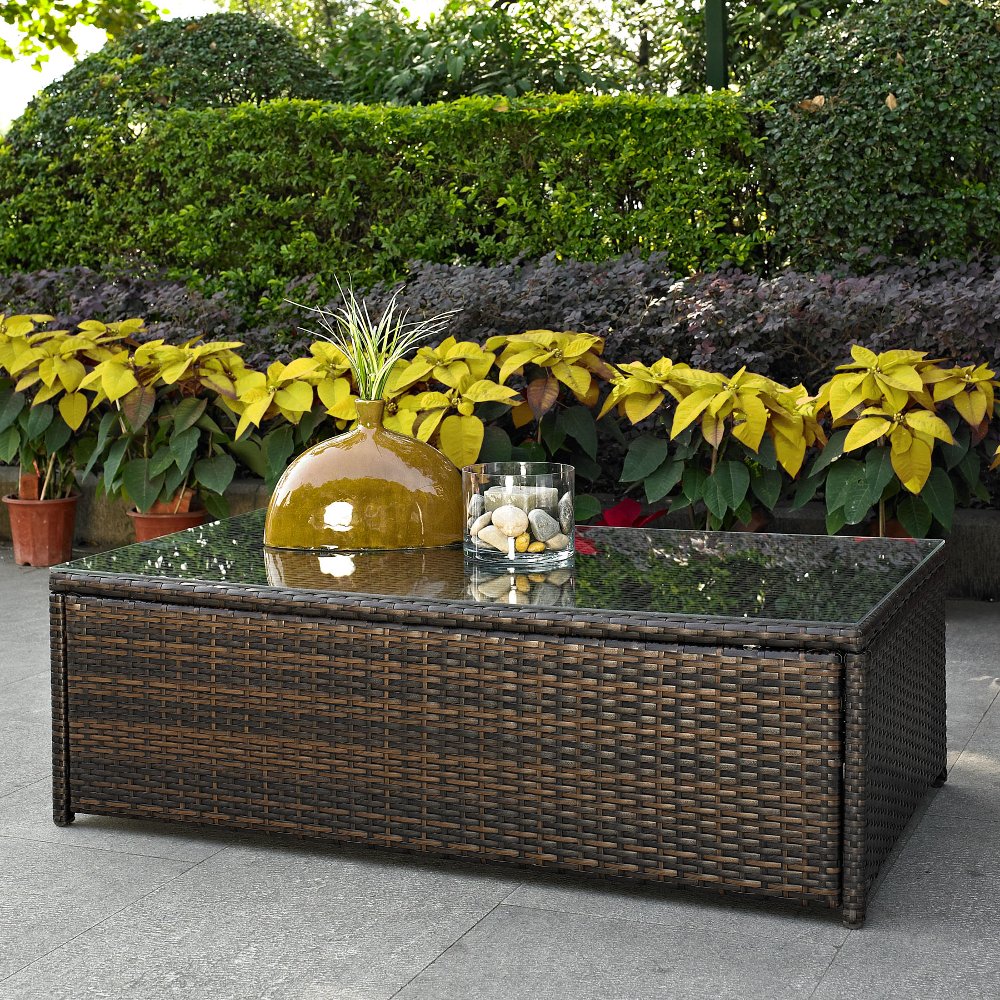
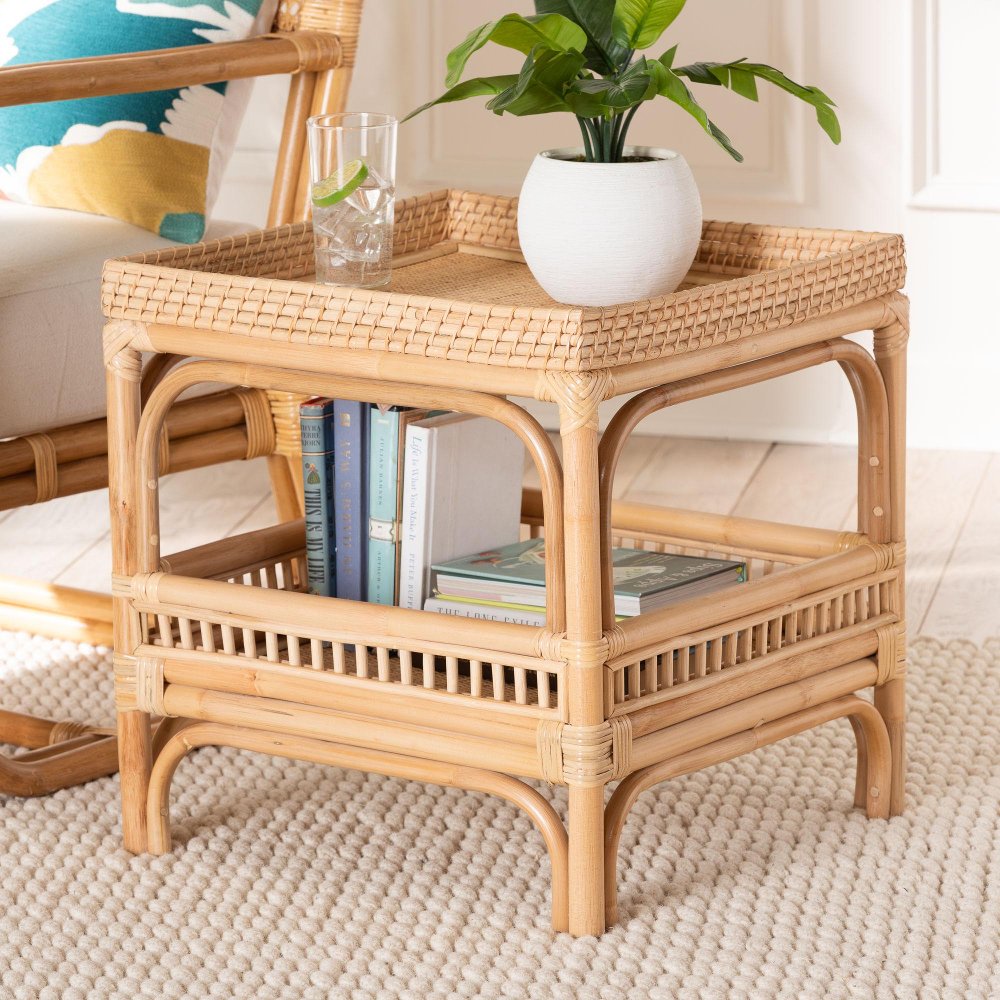
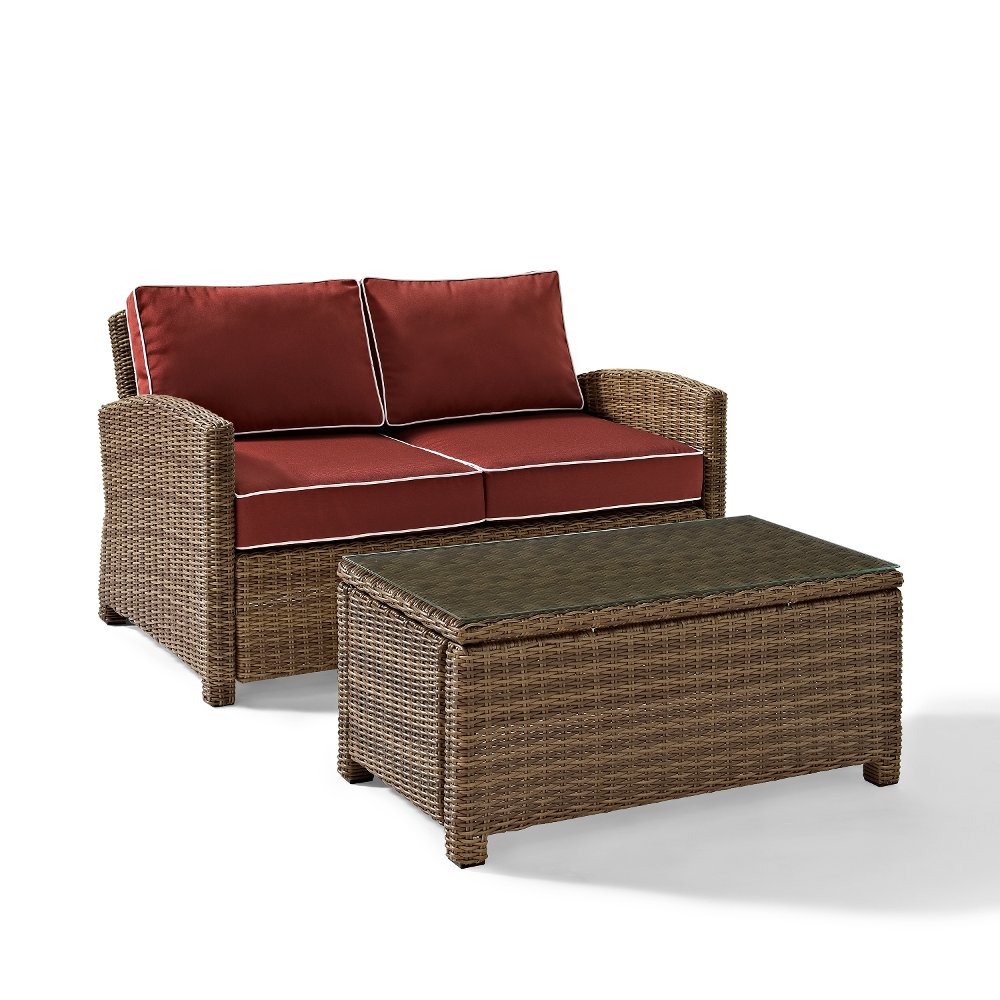
Wicker side tables bring texture and everyday usefulness to the spaces beside a sofa, favorite armchair, or bed. Their woven surfaces add depth without needing a bold pattern, making them an easy companion for upholstered seating, wood furniture, and simple metal accents. Picture a rounded table beside a linen chair, with enough room for a reading lamp and the book that always seems to migrate from room to room. Or imagine a neatly framed wicker table next to a sofa, keeping a drink within reach while giving the seating area a more relaxed feel. Wicker describes the weaving technique rather than a single material, so construction matters as much as appearance. Natural wicker may use rattan, willow, or other plant fibers, while synthetic wicker typically uses resin-based strands. Those strands can wrap around a wood or metal frame, which helps determine the table’s weight, stability, and intended use. Natural fibers often have subtle variations in color and texture that lend a piece its character. Synthetic wicker can offer a more uniform finish, though its performance depends on the material, frame, and construction. For indoor rooms, either type may work when its design and care requirements suit the setting. For a patio or another outdoor space, choose a table specifically rated for outdoor use rather than assuming every woven piece belongs outside. A light natural finish pairs comfortably with soft neutrals and warm wood tones, while darker wicker can give pale upholstery a stronger visual anchor. Painted finishes introduce another option for coordinating with existing furniture. The weave itself also changes the effect: an open pattern feels airy, while a tighter weave creates a more substantial surface. These details make wicker side tables useful in a range of interiors, from a relaxed cottage-style sitting area to a clean-lined living room that needs a little texture. The goal is a table that supports daily routines while looking at home with the furniture already in the room.
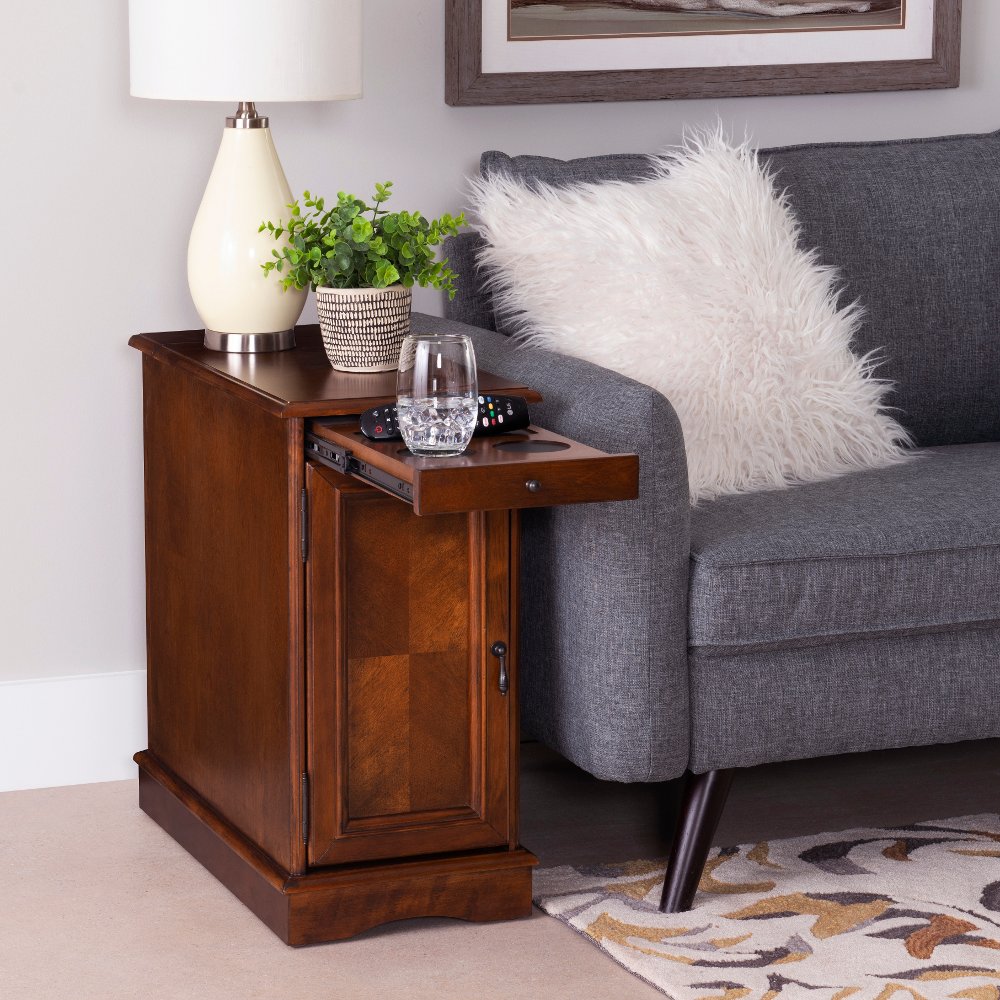
Getting the fit right starts with the seat the table will serve. Beside an armchair or sofa, a tabletop close to the arm’s height generally makes it easier to set down a mug without stretching or leaning. Next to an armless chair, consider the seated reach instead, and leave enough clearance to stand up comfortably. A bedside wicker table should relate to the height of the mattress and provide enough surface for the things that actually stay there, such as a lamp, glasses, a phone, and a small dish. Measure both the available floor space and the tabletop dimensions; a narrow base doesn’t always mean the top will fit neatly between furniture. In a compact living room, a round table can soften a tight arrangement and reduce sharp corners along a walking path. A square or rectangular table may sit more efficiently beside a straight sofa arm or against a wall. Keep doors, drawers, recliners, and foot traffic in mind, especially where several people share the same space. The top deserves a closer look, too. A smooth wood or glass surface can give drinks and lamps a level resting place, while an exposed woven top may work better with a stable tray, provided the table’s design supports one. Check weight limits before choosing a table for a substantial lamp or a stack of oversized books. Open shelves make frequently used belongings easy to reach, while enclosed compartments can help keep chargers, remotes, and small throws out of sight. For that extra organization, Wicker Storage Tables pair woven texture with space to tuck away everyday essentials. Consider how storage opens: a lift-top design needs clear space above it, and a drawer needs room in front. Two coordinating side tables can create balance around a sofa, but an exact match isn’t necessary. Similar heights, compatible finishes, or a shared shape can connect different pieces without making the room feel overly matched. Leave some open tabletop space so the table remains useful rather than becoming another surface to clear before sitting down.
A well-chosen wicker side table should feel steady, have securely attached components, and suit the amount of use it will receive. A table holding a decorative bowl in a quiet corner has different demands than one beside the family’s most-used sofa. Look closely at the frame, joints, feet, and edges of the weave, since these details affect how comfortably the piece handles daily activity. Wicker strands can loosen or catch if repeatedly snagged, so a tightly finished edge is worth considering in a busy household. Furniture glides or pads appropriate for the flooring can help protect surfaces, and any adjustable feet should be set so the table rests evenly. Side tables aren’t seats or step stools unless the manufacturer specifically identifies them for that purpose. Care should follow the instructions for the entire piece, including its frame and tabletop, rather than the wicker alone. For many woven surfaces, regular dusting with a soft brush or a vacuum’s brush attachment helps remove debris from the small spaces between strands. Use gentle suction and a light touch to avoid pulling at the weave. Natural fibers generally benefit from minimal moisture during cleaning; soaking can affect both the weave and its finish. Some synthetic surfaces allow cleaning with mild soap and water, but care directions should confirm the method. Wipe spills promptly, use coasters where appropriate, and treat glass, wood, and metal components according to their own care requirements. Avoid abrasive tools that could scratch a top or damage coated strands. For someone furnishing a first apartment, updating a reading nook, or making a guest bedroom more comfortable, a wicker side table can be a thoughtful housewarming gift when the dimensions and style are known. Smaller, lighter designs may also suit people who like rearranging their rooms, though ease of moving depends on construction. Whether it holds a bedside lamp, supports a puzzle book beside a recliner, or keeps a drink close during a conversation, the best fit makes an ordinary moment a little more comfortable.
Read More