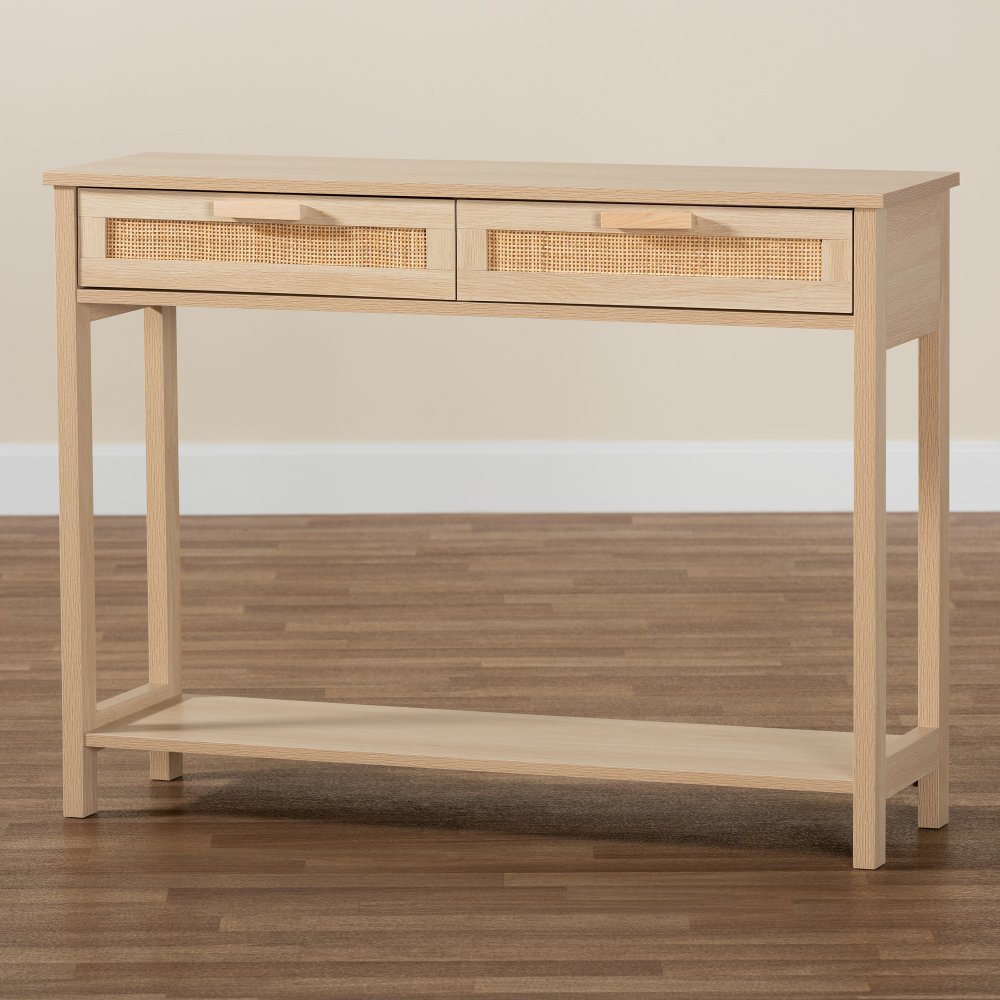
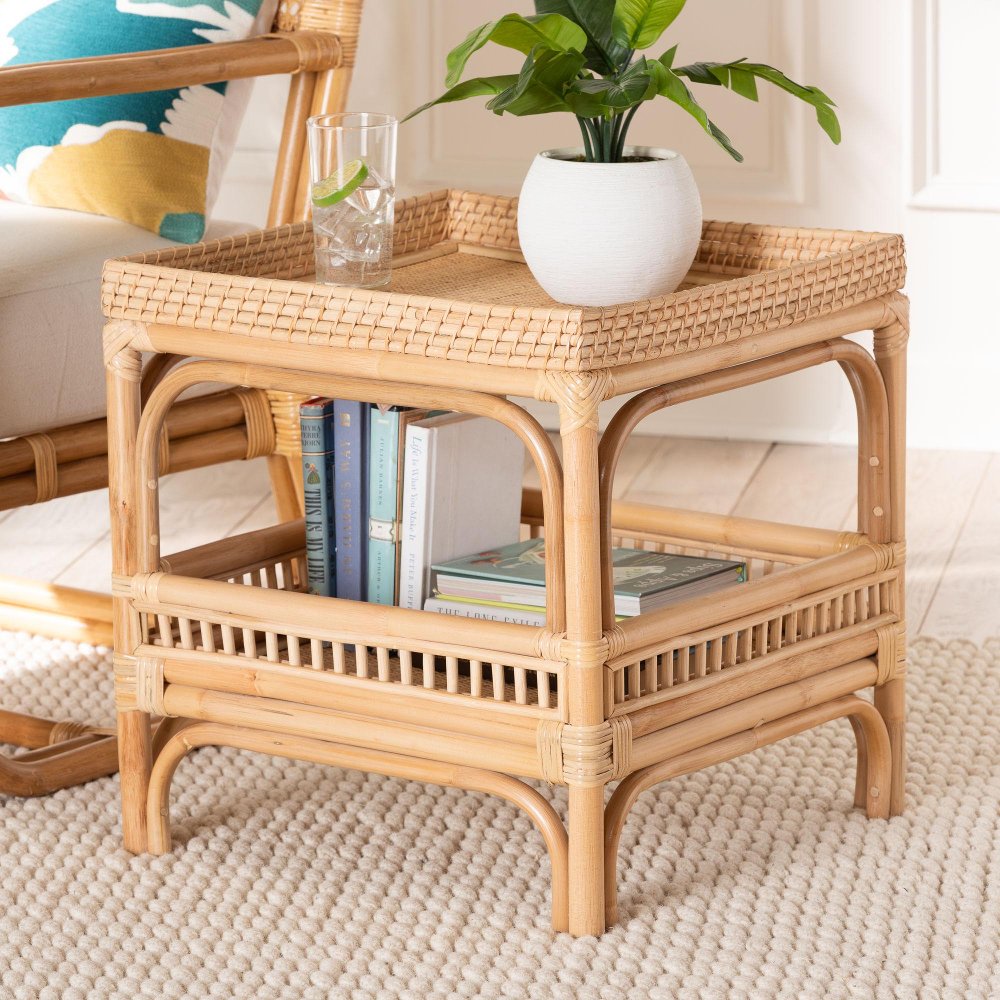
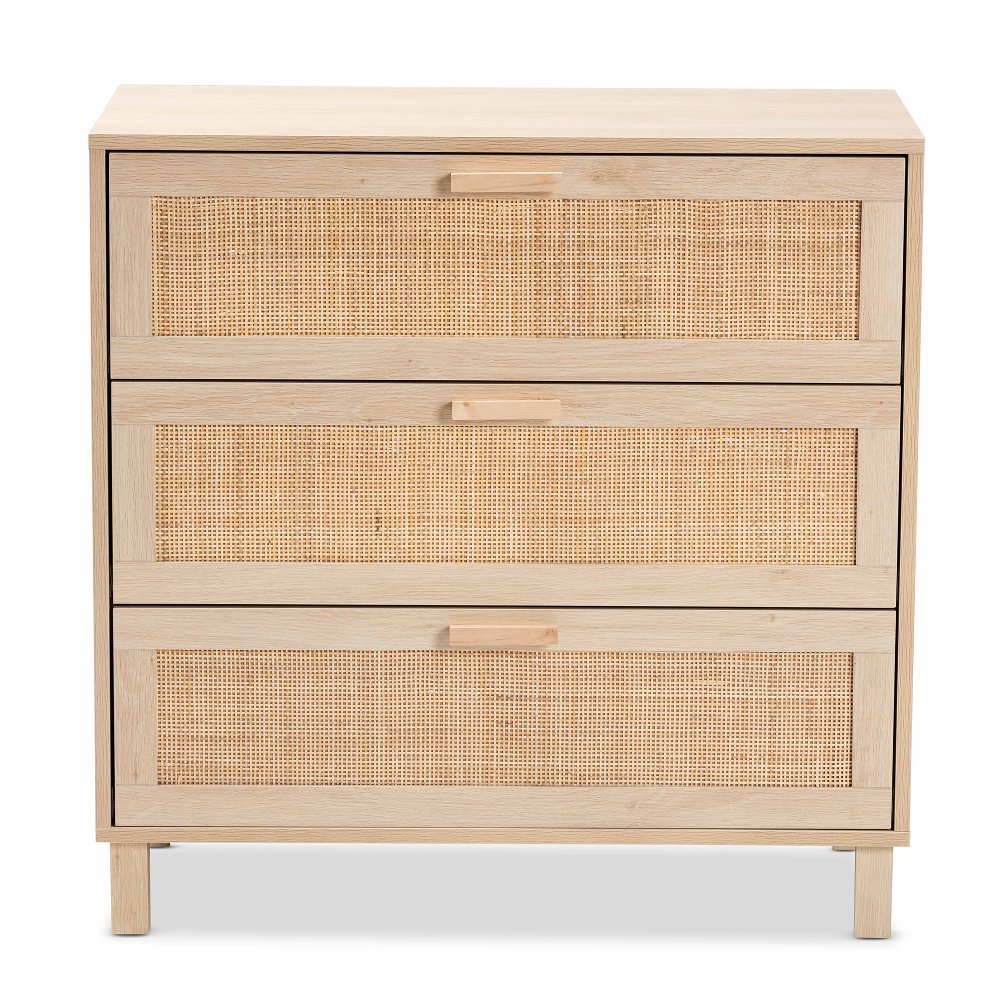
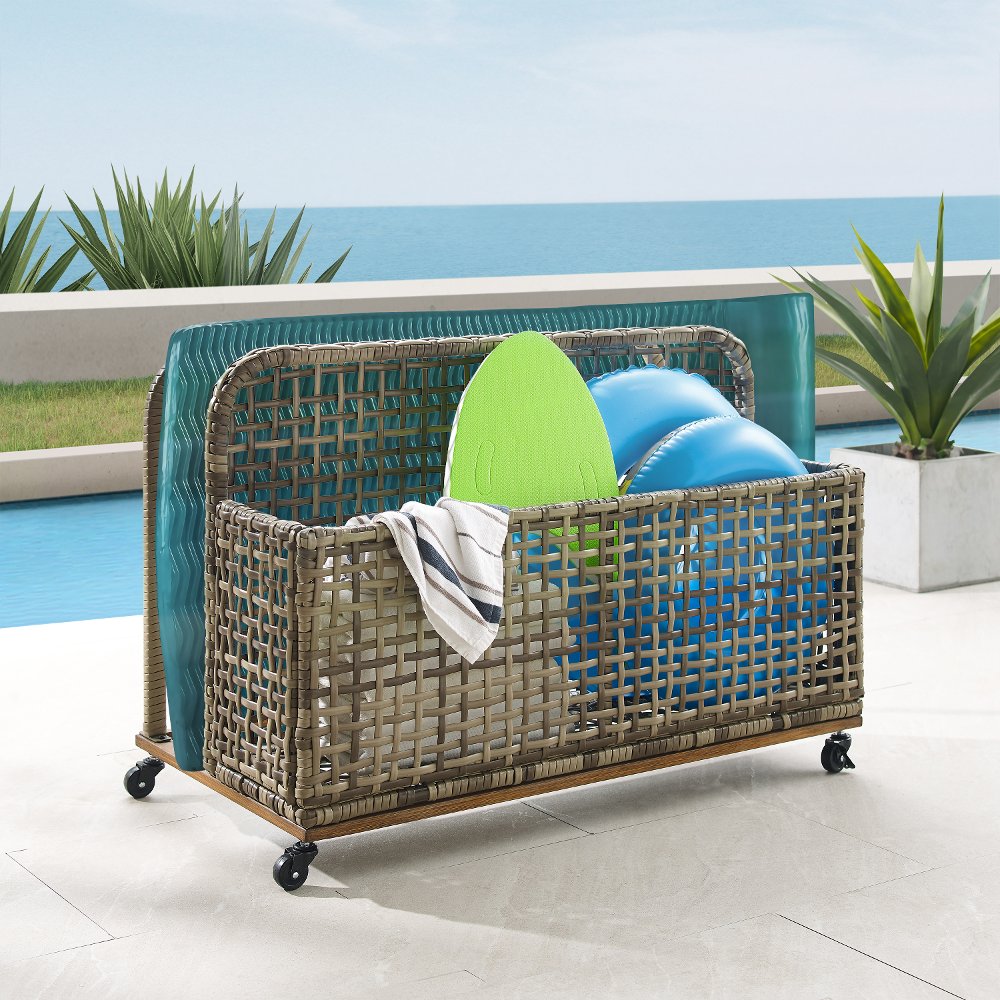
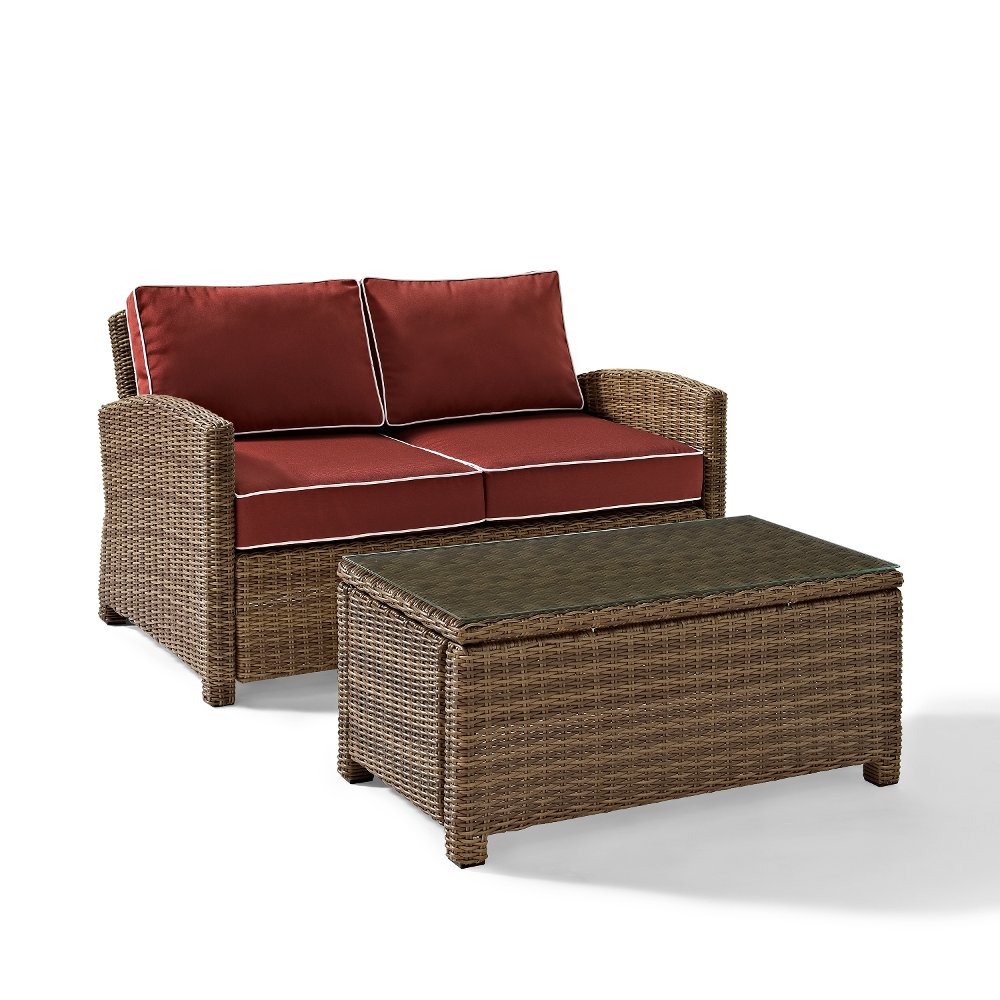
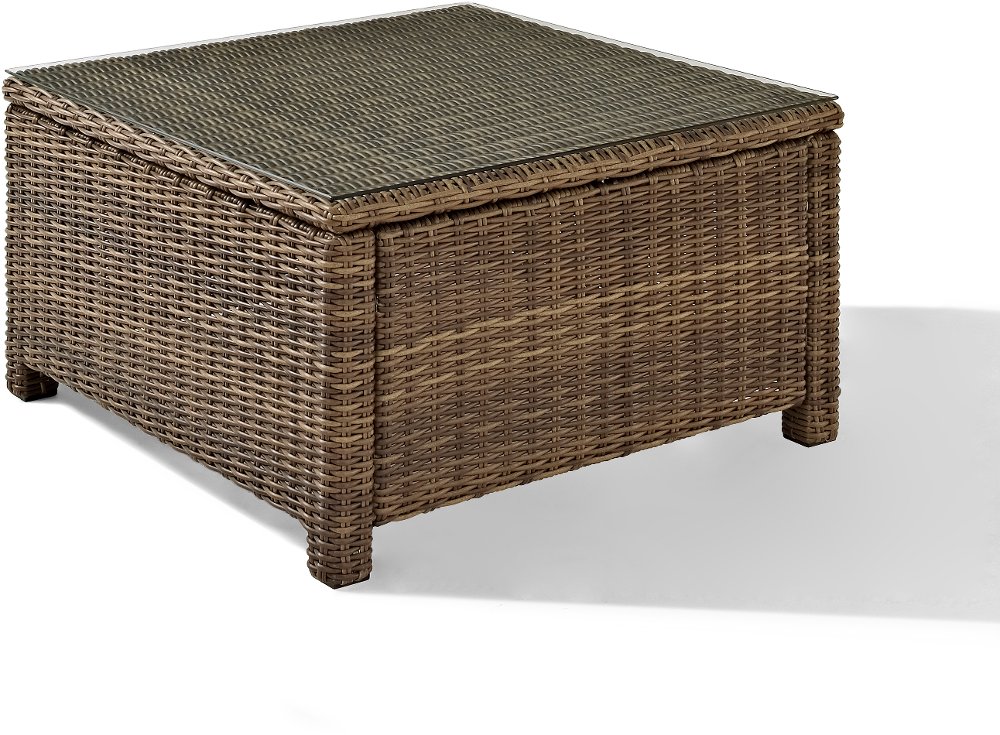
Wicker storage tables combine a useful tabletop with tucked-away space for everyday belongings, bringing texture and organization to living rooms, bedrooms, entryways, and outdoor spaces when the construction is rated for that use. The woven detail softens the look of a room, while the storage helps keep the surface ready for a lamp, a book, or a place to set your coffee. Wicker describes a weaving technique rather than a single material, so these tables can look similar yet perform quite differently. Natural rattan, water hyacinth, and other plant fibers lend an organic appearance to indoor furniture, often with slight variations in color and texture. Synthetic wicker, including polyethylene resin wicker, recreates that woven look and is often used in outdoor-rated furniture because it can tolerate moisture better than natural fibers. The frame underneath matters just as much: wood and engineered wood commonly support indoor basket tables, while metal frames often give resin wicker tables their structure. Storage configurations vary, too. An accent table with removable woven baskets gives small belongings separate homes, making it useful beside a reading chair or near an entryway for mail, sunglasses, and charging cords. A round drum table with a lift-off top usually provides one larger compartment for throws or other soft goods. A hinged-lid side table offers another way to access concealed storage, though the hinge design and opening clearance deserve attention. These differences make wicker storage tables practical for a range of households, from apartment dwellers who need furniture to do double duty to families looking for a convenient place to put shared living room essentials. Within the broader range of wicker tables, storage designs add a place for the things that tend to collect around seating. Their appeal goes beyond hiding clutter: a woven front or rounded basket shape can break up a room full of smooth cabinets and straight-edged furniture without calling for a complete change in decor.
The best fit starts with how the table will work beside the furniture you already use. For an end table, a top close to the height of the sofa or chair arm generally makes reaching for a drink more comfortable. Beside a bed, compare the tabletop height with the top of the mattress, and leave enough room to reach storage without moving the nightstand. Width and depth deserve equal attention, especially in narrow living rooms where an oversized table can interrupt the route between a doorway and the sofa. A round wicker storage table can soften a tight seating arrangement, but its full diameter still needs to fit comfortably within the available space. A rectangular table may sit more neatly along an armrest or wall. Measure the storage opening as well as the overall dimensions; a roomy compartment isn’t much help if its opening is too narrow for the basket, folded blanket, or game box you intend to put inside. If capacity is listed in gallons, interior measurements still give a clearer sense of whether particular belongings will fit. Pull-out baskets need space in front, and hinged lids need clearance above and sometimes behind the table. Lift-off tops work well for belongings you use occasionally, but frequent access means finding a temporary spot for anything resting on the lid. If a lamp will stay on the table, front-access baskets or drawers may be more convenient. Tabletop material also changes the experience. A solid wood, glass, or other smooth top generally provides a more even resting place than an exposed weave; a suitable tray can help steady small objects on a textured surface. Check the stated weight capacity, and treat the table as a table rather than extra seating unless it’s specifically designed to support a person. For households with children, consider stability, lid weight, and hinge operation, and reserve easily accessible storage for safe everyday belongings rather than medicines, cleaners, or fragile keepsakes.
Durability depends on the combination of weave, frame, finish, hardware, and placement—not simply whether a table is labeled wicker. A close, even weave with securely finished edges is worth looking for, along with a stable base and baskets that slide without catching. Natural wicker generally belongs in dry indoor settings, where prolonged dampness and strong direct sunlight are less likely to damage fibers or affect the finish. For covered porches, patios, and other outdoor spaces, choose a table specifically designated for outdoor use rather than assuming a woven appearance means it can stay outside. Outdoor-rated resin wicker may offer moisture and UV resistance, but those qualities vary by construction and don’t automatically make the storage compartment waterproof. Gaps in the weave, lid seams, and ventilation openings can allow water inside, so cushions, books, and electronics need protection appropriate to the table’s actual design. Powder-coated metal frames can help resist corrosion, though scratches in the coating still deserve attention according to the care instructions. Indoors or out, gentle maintenance helps preserve the woven surface. Use a soft brush or a vacuum’s brush attachment to lift dust from the crevices, and follow the manufacturer’s directions before applying cleaners or water. A lightly damp cloth may be suitable for some finishes, while soaking can harm natural fibers, engineered wood, or adhesives. Clean spills promptly, let damp surfaces dry thoroughly, and use coasters to protect the tabletop. Storage habits matter, too: dry throws and neatly grouped accessories are easier to manage than overfilled baskets that rub against their frames. In a bedroom, a wicker basket table can keep reading glasses and bedtime books nearby; beside a sofa, a larger compartment can hold an extra throw and a knitting project. For someone furnishing a first apartment or setting up a reading nook, a wicker storage table can also make a thoughtful housewarming gift when the dimensions and style suit the space. The most useful choice pairs the warmth of woven texture with easy access, dependable support, and enough storage for the belongings that actually need a home.
Read More