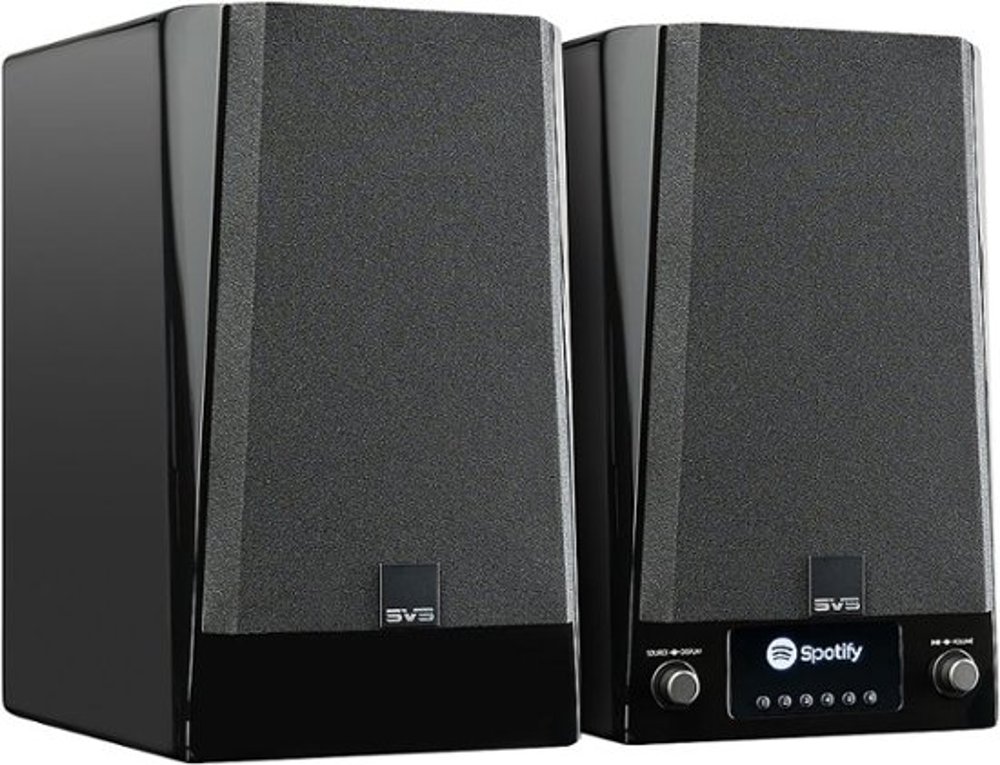
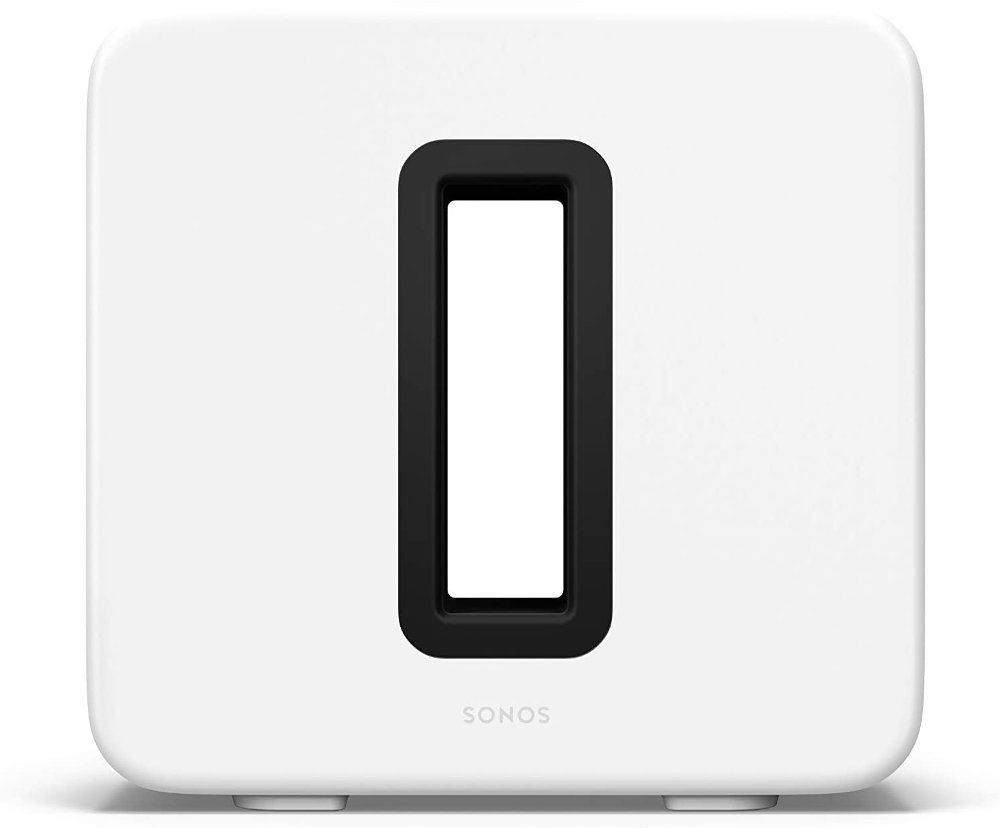
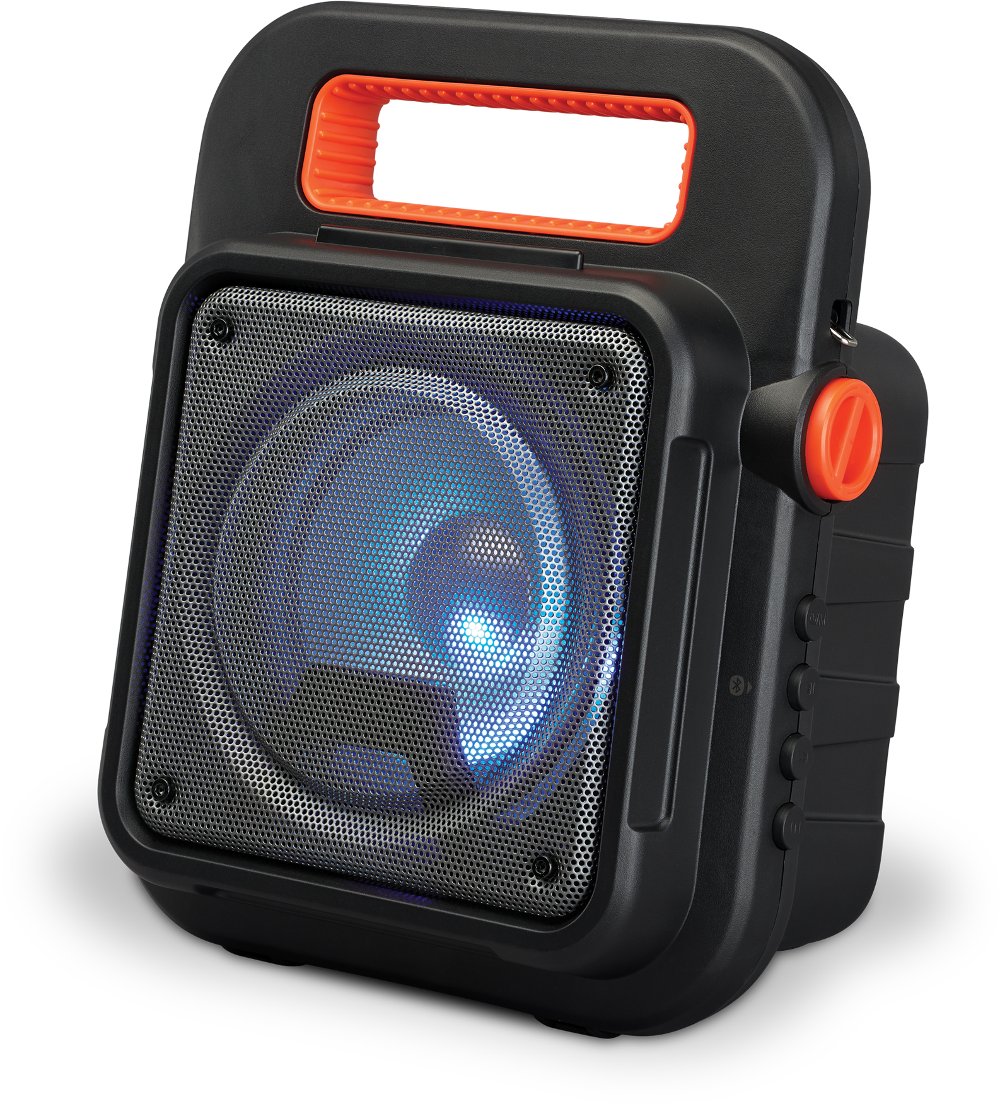
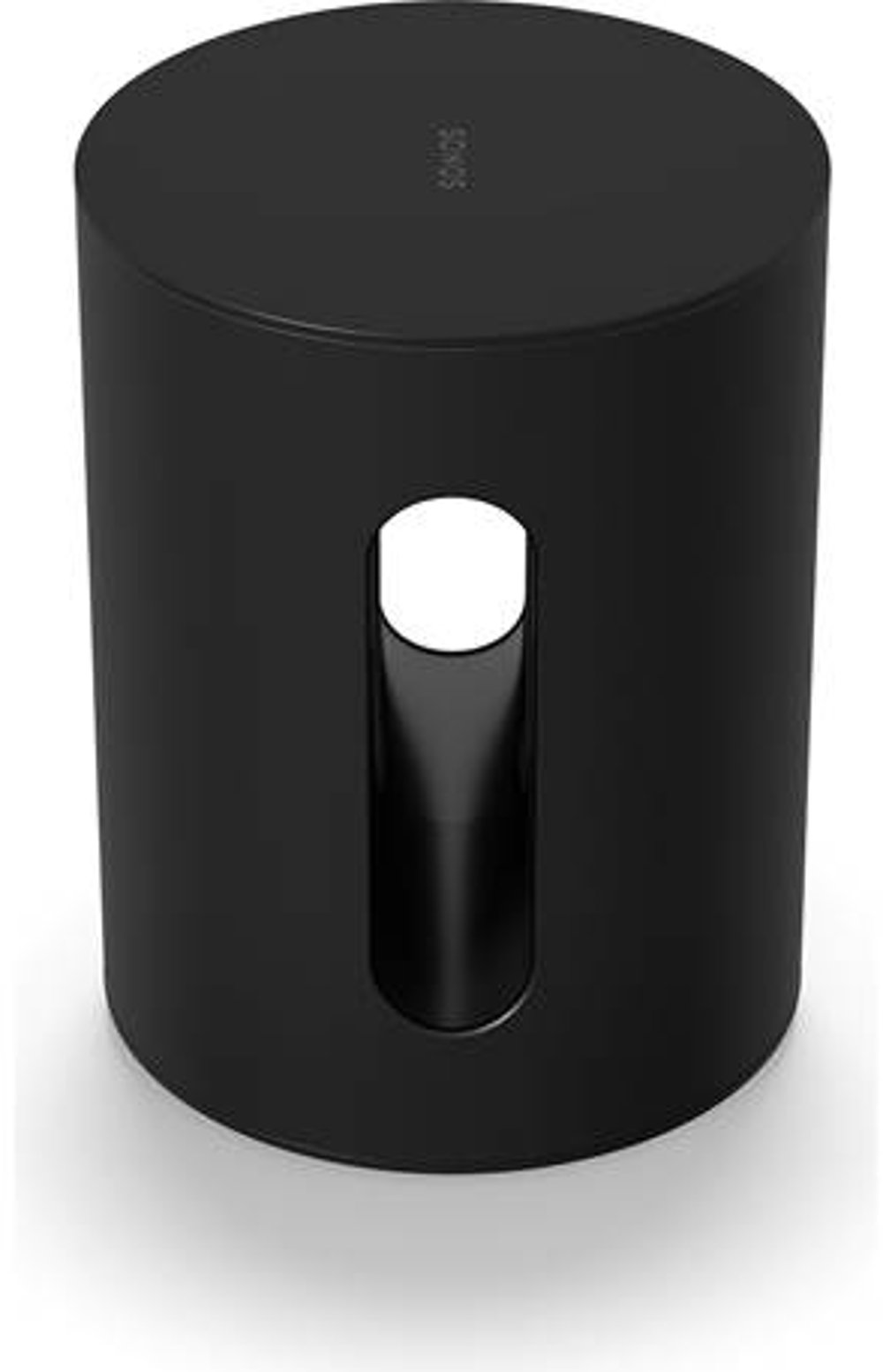
Wireless sound systems connect audio components through Bluetooth, Wi-Fi, or a dedicated wireless connection, reducing the need to run speaker cables across a room. They can bring clearer dialogue to a TV, create a more immersive movie experience, or carry music from the kitchen to the living room. The term “wireless” usually describes how the audio signal travels, not how every component receives power. Many speakers and subwoofers still plug into electrical outlets, and some surround sound configurations require short cables between rear speakers or a separate receiver. Knowing that distinction makes it easier to picture how a system will fit into your home. Bluetooth is a straightforward choice for sending music, podcasts, and other audio from a compatible phone, tablet, or laptop to a nearby speaker. Wi-Fi systems connect through a home network and often support app-based controls, compatible streaming services, and synchronized playback in multiple rooms. Dedicated wireless connections commonly link a soundbar with its compatible subwoofer or surround speakers. For TV-focused listening, wireless soundbar systems keep the front speakers together in a slim enclosure, while a separate subwoofer adds weight to bass notes, movie effects, and game soundtracks. Rear speakers can add a sense of movement around your seating area, making a passing car or a crowd in a stadium feel more convincing. For music, a compatible stereo pair can give vocals and instruments more space than a single speaker, while multi-room speakers let you keep the same playlist going as you move through the house. If music throughout your home is the main goal, wireless streaming speakers offer another way to explore that type of listening. These categories can overlap, but shared wireless technology alone doesn't guarantee compatibility. Expandable systems generally need components designed to work together, so supported speaker pairings and connection requirements matter as much as the number of pieces in the setup. A simple arrangement that suits your routine can be more satisfying than extra speakers you rarely use.
The right wireless home audio system should fit both your room and the way you spend time there. In a small apartment, a compact soundbar or a pair of speakers may provide satisfying sound without taking over a media console. In an open living area, greater output capability and a separate subwoofer may help sound reach the seating area without becoming strained. Published wattage alone doesn't tell you how clear, balanced, or room-filling a system will sound; speaker design, listening distance, and placement also play important roles. For everyday television, dialogue enhancement and an adjustable center channel, when included, can help speech stand apart from background effects. Night listening modes can reduce the difference between quiet conversations and sudden loud scenes, which is useful when someone nearby is sleeping. For movies and gaming, compatible surround and height effects can create a broader sound field, though results depend on the system, the source material, and the room. Upward-firing speakers, for example, rely partly on ceiling reflections and generally perform best with a suitable flat ceiling rather than a very high or sharply angled one. Physical fit deserves equal attention. Measure the space beneath the TV so a soundbar won't cover the screen or interfere with its remote sensor, and leave any top- or side-facing drivers unobstructed. Keep shelf speakers near the front edge of furniture instead of tucked deep inside a cabinet, where reflections can color the sound. A subwoofer needs room for its driver, port, and ventilation; placing it in a corner can increase bass but may also make certain notes sound boomy. Small placement adjustments often make a noticeable difference. Rugs, upholstered seating, and curtains can soften reflections in a room with hard floors and bare walls. In shared living spaces, adjustable bass levels and thoughtful placement can help keep listening comfortable without sending as much low-frequency vibration into neighboring rooms.
Everyday usability helps determine whether a wireless speaker system becomes part of your routine or another device that takes effort to operate. For TV connections, HDMI ARC or eARC can simplify audio routing and may allow volume control with the television's remote when the devices support the necessary features. Optical connections can also carry TV audio, although supported formats and control options differ. Bluetooth is convenient for casual music listening, but delay can affect lip synchronization or gaming response, so a supported TV audio connection is generally a better fit for those uses. With Wi-Fi audio, reliable network coverage matters wherever the speakers sit; thick walls, distance from the router, and interference can affect performance. Check support for your preferred streaming services, phone operating system, voice controls, and accessibility needs before choosing a setup. Some features require an app, an account, or a separate subscription. Materials and construction also influence how comfortably speakers live alongside your furniture. Cabinets may use molded plastic, wood-based materials, or metal, with fabric or perforated metal grilles protecting the drivers. Each finish has its own character, but material alone doesn't establish sound quality or durability. Stable bases, secure stands, protected controls, and well-supported mounting hardware are practical details in homes with children or pets. For portable speakers, consider carrying weight, stated battery life, charging requirements, and any documented water- or dust-resistance rating rather than assuming a wireless design is suitable for every setting. Care is usually simple: follow the manufacturer's cleaning directions, dust gently with a soft, dry cloth, keep liquids away from openings, and allow ventilation around powered components. Software updates can maintain compatibility and address performance issues on connected systems. Wireless audio can also make a thoughtful housewarming or birthday gift for a music lover, movie fan, or someone setting up a first home. Matching the system to the recipient's existing devices, available space, and comfort with apps makes the gift easier to enjoy. Whether the goal is hearing every line of a favorite show or filling dinner preparation with music, the most useful system makes good sound feel like a natural part of home.
Read More