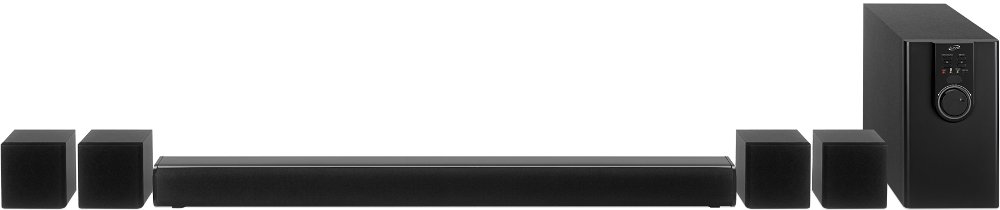
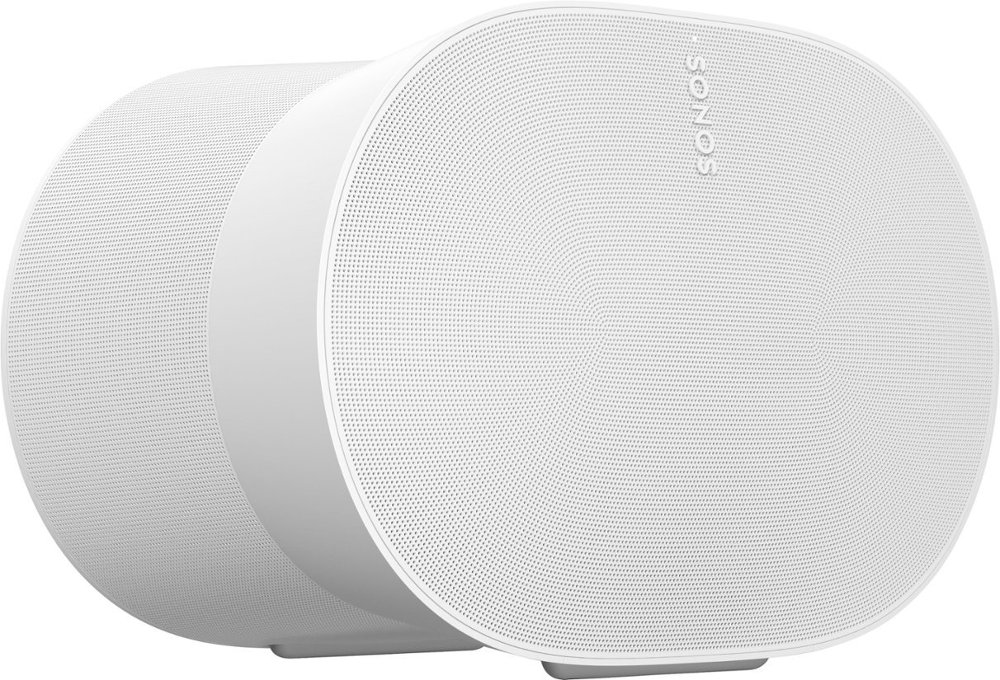
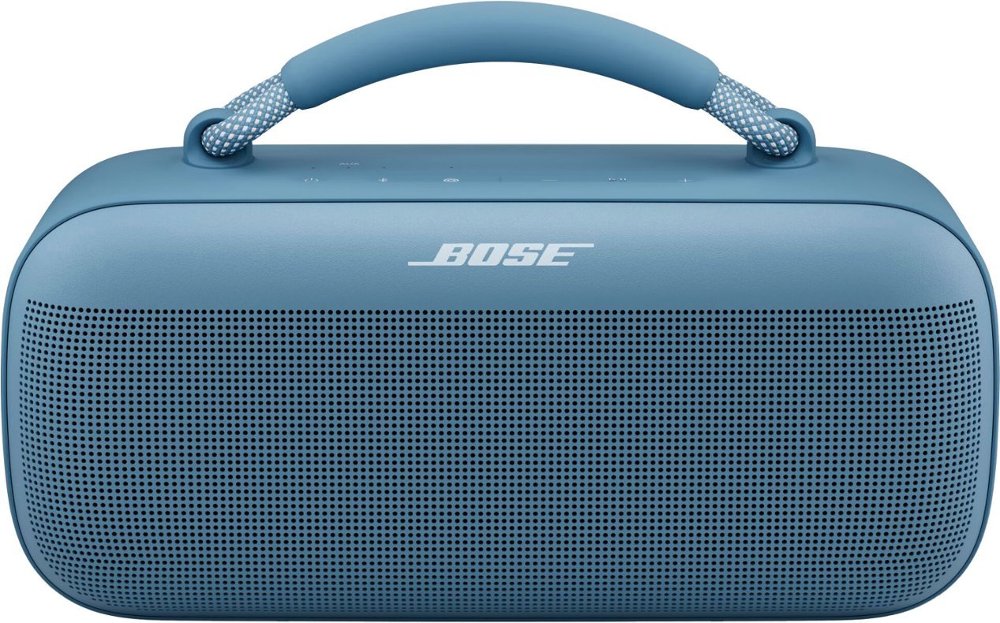
Wireless surround sound systems bring more dimension to movies, television, music, and games by sending audio signals to compatible speakers without running long speaker cables from the TV area across the room. A typical setup connects a soundbar or central hub to your television through an HDMI or optical cable, then transmits sound to a subwoofer and surround speakers over Wi-Fi or a dedicated wireless connection. “Wireless” usually describes the audio connection, not the power supply: most components still need a nearby electrical outlet. Some rear speakers also connect by short speaker wires to a shared wireless receiver, while certain designs use rechargeable batteries. Those differences matter when your sofa sits in the middle of the room or the nearest outlet is behind a bookcase. The appeal is a fuller listening experience with less visible wiring between the front and back of your space. Dialogue stays anchored near the screen, low bass adds weight to a soundtrack, and rear speakers can place footsteps, rainfall, or crowd noise beside and behind your seat. A 5.1-channel system provides five main audio channels and one low-frequency effects channel; a configuration labeled 5.1.2 adds two height channels for compatible immersive sound formats. Physical surround speakers and virtual surround processing aren't the same thing. Virtual systems use audio processing to suggest a wider sound field, while separate rear speakers produce sound from actual positions around the seating area. Both can suit everyday entertainment, but their effects depend on room shape, placement, and the material playing. A compact setup may feel right in a den used for evening shows, while a larger living room may benefit from separate surrounds that carry effects beyond the television wall. For a front-of-room arrangement with fewer components, wireless sound bars with subwoofers pair a streamlined speaker layout with dedicated bass. Expansion to rear speakers depends on the system, so compatibility deserves attention if a more complete home theater is part of your plans.
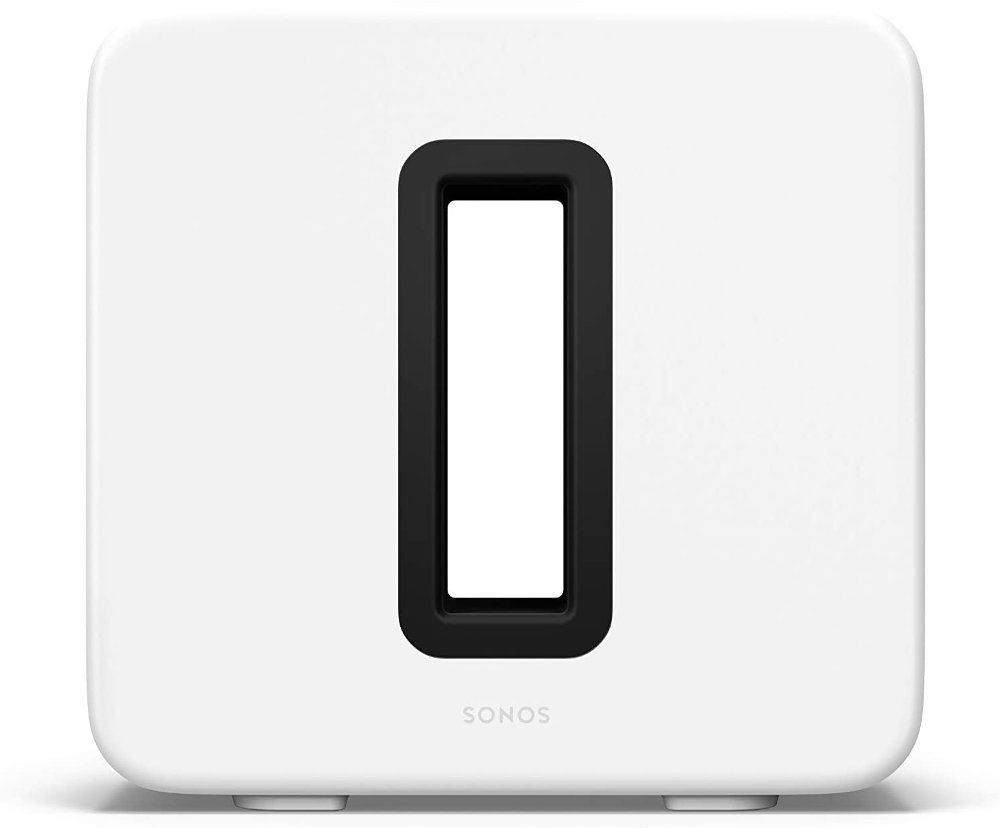
The best fit for your home involves more than the number of speakers. Soundbar width and height affect how comfortably it sits beneath the screen, especially when a television has a low stand or an infrared remote sensor along its bottom edge. A bar that fits neatly on a media console should leave the screen, controls, and ventilation openings clear. Surround speakers need stable surfaces or compatible stands and mounts, with enough space to aim sound toward the seating area rather than into furniture. Wireless subwoofers offer placement flexibility because they don't require an audio cable back to the main unit, although they still generally need power. Their position can noticeably change the bass: a corner may reinforce low notes, while another spot along a wall may sound more balanced at the sofa. Open floor plans, wide seating arrangements, and vaulted ceilings can make surround effects less predictable than they are in an enclosed rectangular room. Upward-firing height speakers rely on sound reflecting off the ceiling, so a flat ceiling often supports that effect better than a steeply sloped or highly absorbent surface. Rugs, upholstered seating, and curtains can soften reflections that otherwise make dialogue sound sharp or indistinct. Automatic room calibration, when included, can help adjust levels and timing for the space, though it doesn't replace sensible speaker placement. Connections also shape everyday use. HDMI ARC can carry TV audio back to a compatible sound system, while eARC supports higher-bandwidth audio formats when the television, audio system, and source support them. Optical connections can work well for supported formats but have more limited audio capabilities. Bluetooth may be convenient for playing music from a phone, but Bluetooth playback alone doesn't mean a system supports discrete wireless rear speakers. Likewise, speakers from different wireless ecosystems generally aren't interchangeable. For households that move between streaming shows, game consoles, and live sports, clear format support, reliable synchronization, and straightforward input switching help keep the focus on the entertainment rather than the settings.
Wireless home theater systems also need to live comfortably alongside the rest of your furniture. Speaker cabinets commonly use molded plastic, wood-based materials, or a combination of materials, with fabric or metal grilles protecting the drivers. Cabinet rigidity and construction can help control unwanted vibration, but a finish or material alone doesn't establish sound quality. In a busy family room, a stable base, protected placement, and accessible controls may matter just as much as a slim profile. Fabric grilles can catch dust and pet hair, while glossy surfaces tend to show fingerprints; gentle dusting with a soft, dry cloth is usually a good starting point, with the manufacturer's care instructions taking priority. Liquids, abrasive cleaners, blocked vents, and prolonged exposure to heat or moisture can damage electronics and finishes. A subwoofer tucked into a closed cabinet may rattle nearby objects or lose the clearance its design requires. Power cords also deserve a clear route away from walkways, recliner mechanisms, and places where children or pets could pull them. For renters, fewer long speaker-wire runs can make a surround setup easier to accommodate without permanent changes, although wall mounting still requires suitable hardware and any necessary permission. Apartment residents may appreciate adjustable bass and night-listening modes that reduce the difference between quiet conversations and loud effects; those features can make evening viewing more comfortable without eliminating sound transfer to neighboring homes. Dialogue enhancement can help speech stand out during a densely mixed drama, while independent channel adjustments can accommodate a seat that's closer to one rear speaker than the other. Movie fans, gamers, and households that gather for weekend sports may each enjoy different parts of the same system, from a convincing stadium atmosphere to the direction of an approaching sound in a game. As a gift, a wireless surround sound system is most useful when the recipient's TV connections, room layout, and existing audio equipment are known. A setup that fits those everyday details can make a familiar room feel more engaging, whether the evening calls for a full cinematic soundtrack or a favorite show at a comfortable volume.
Read More