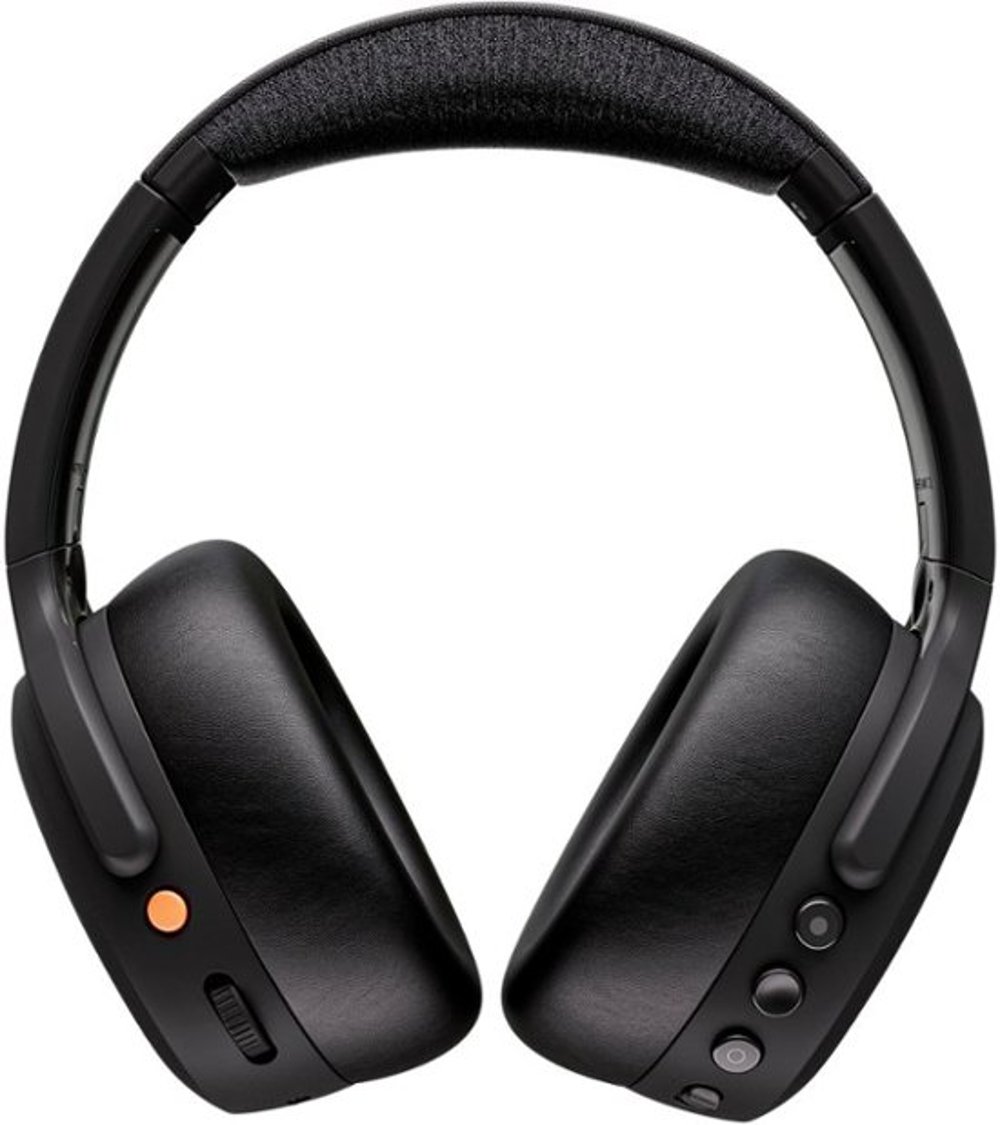
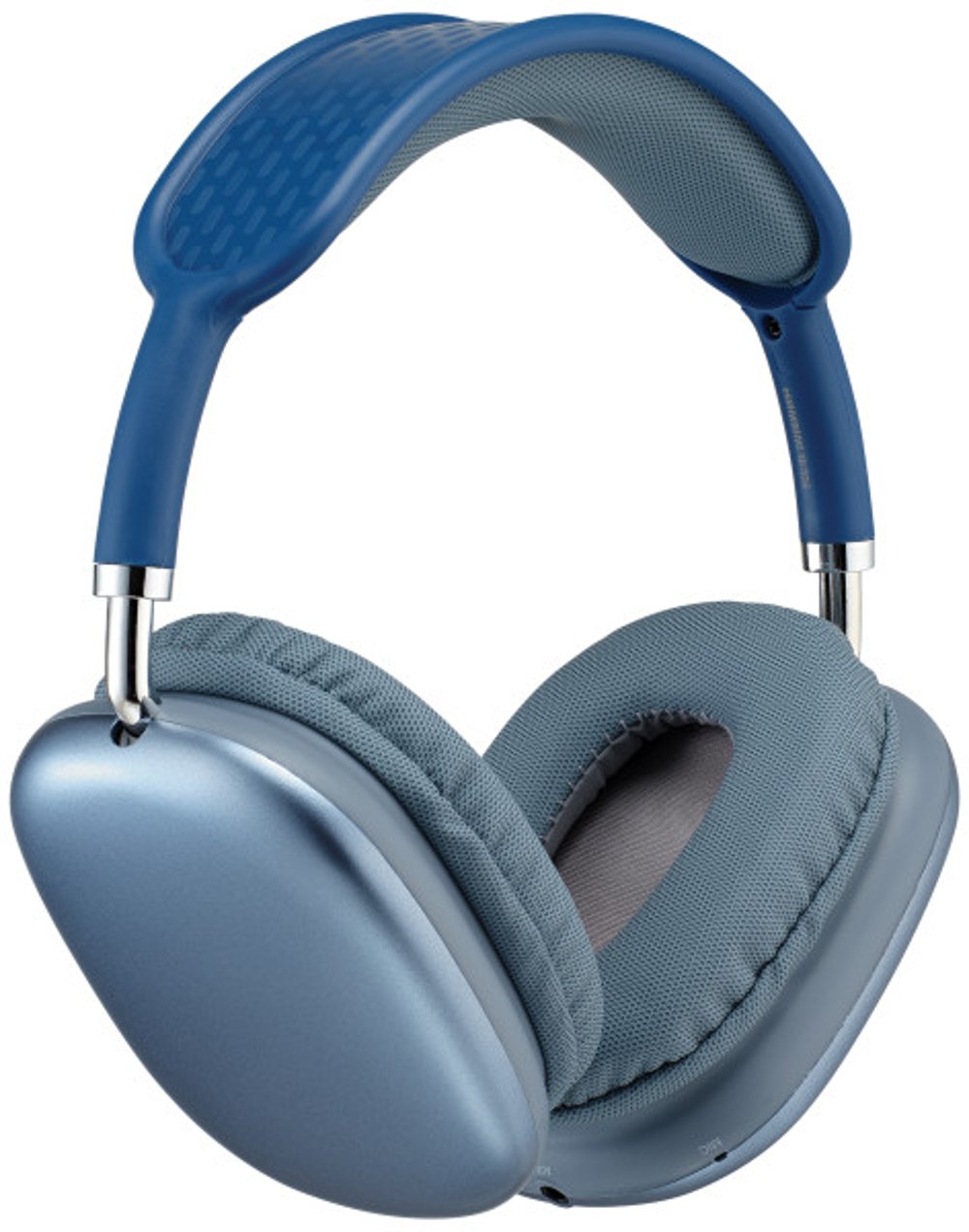
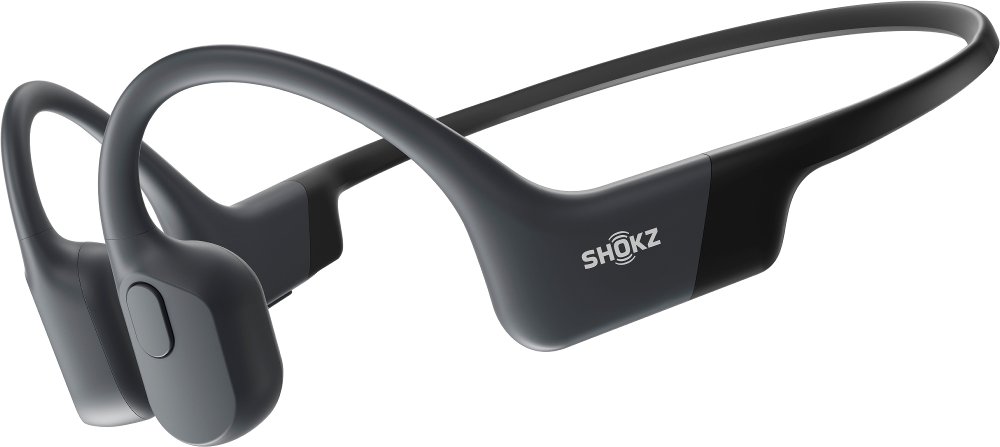
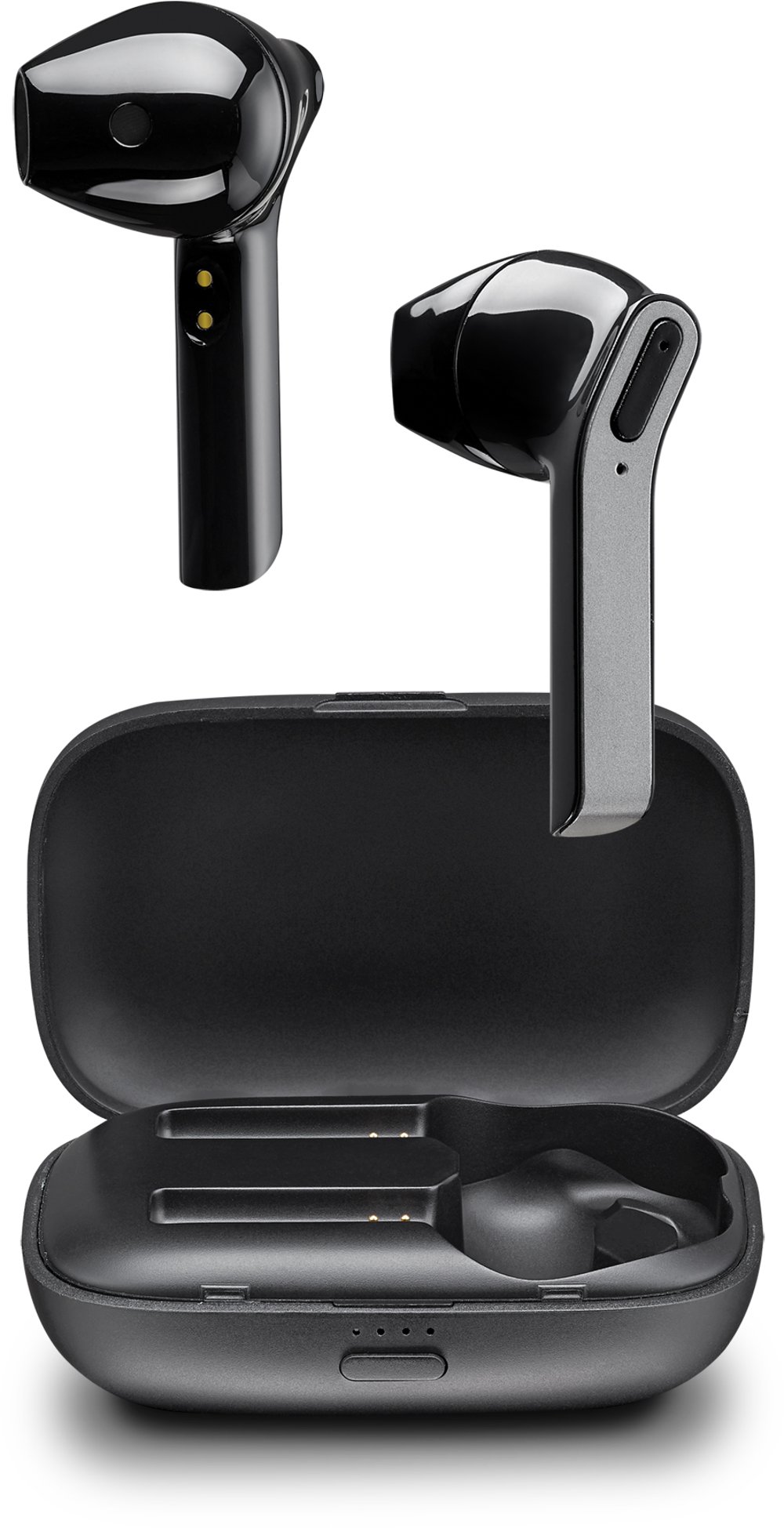
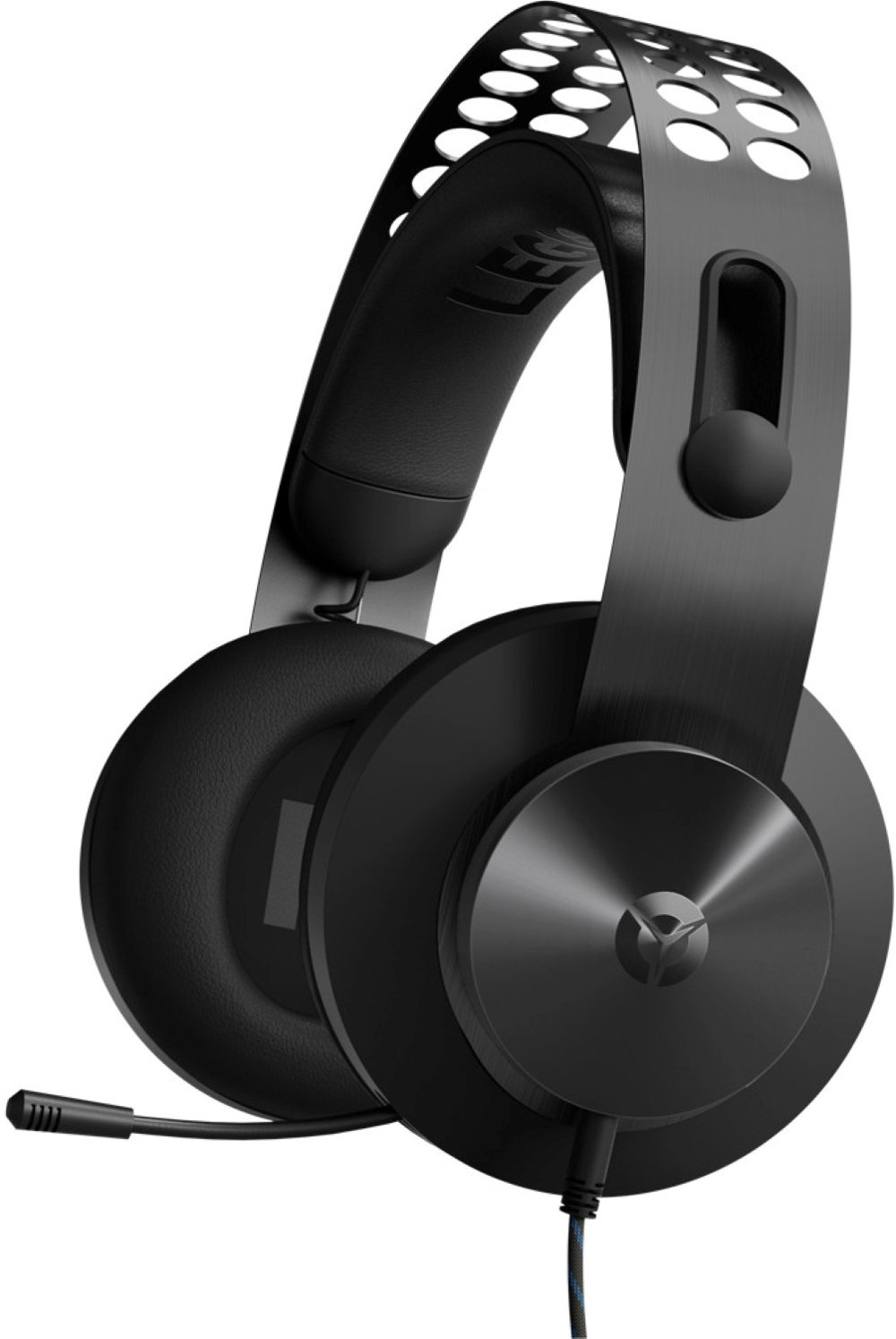
Wireless Xbox headsets bring game audio and voice chat closer without a cable running from your head to the controller. They’re a practical fit for a living room console, a bedroom gaming corner, or a shared space where keeping the television quiet makes everyone more comfortable. With sound delivered through cushioned earcups, small details become easier to notice: rain tapping against a window in an adventure game, a teammate calling out a turn, or an approaching opponent’s footsteps. The essential starting point is Xbox compatibility. A wireless headset needs an Xbox-compatible connection to carry console game audio and chat; standard Bluetooth headphones don’t connect directly to an Xbox console for those functions. Depending on the design, a compatible headset may pair directly through Xbox Wireless or connect through an Xbox-compatible USB transmitter or base station. A wireless USB connection intended only for a computer or another console isn’t enough, even when the plug fits. Clear manufacturer confirmation of compatibility with your exact console helps prevent setup surprises. For a closer focus on that system, Xbox Series X headsets keep the browsing experience centered on the console you use. Compatibility also matters when one headset needs to move between a console and a computer. Some designs support several devices, but switching methods and supported features vary. Bluetooth can be useful for a phone or tablet alongside a dedicated gaming connection, although having both connection types doesn’t automatically mean both audio sources can play together. Simultaneous audio mixing is a separate feature worth confirming if listening to a phone while hearing the game is part of your routine. The best fit is a headset whose connection method suits your actual setup, whether that means direct pairing beside the television or a small transmitter at a gaming desk.
Sound and microphone performance shape the experience just as much as the wireless connection. For story-driven games, a balanced sound profile can give dialogue room to breathe while keeping music and environmental effects distinct. For competitive multiplayer, clear positional cues may make it easier to follow nearby movement, although no headset guarantees a competitive advantage. Strong bass can make engines and explosions feel powerful, but more bass isn’t automatically better if it covers quieter details. Spatial audio support can add a sense of direction and space in compatible games and applications; results depend on the headset, console settings, audio format, and the way a game’s sound was created. Larger speaker drivers alone don’t establish sound quality, either. Tuning, earcup design, and fit all contribute to what reaches your ears. A dedicated low-latency gaming connection helps keep effects and dialogue aligned with on-screen action, while wireless performance can still vary with distance, interference, and the placement of a transmitter. Voice chat deserves equal attention, especially when gaming includes coordinating with friends across a busy household. An adjustable boom microphone lets you position the pickup near your mouth without placing it directly in your breath stream. Microphone noise reduction may help limit background sounds for teammates, but it’s different from active noise cancellation, which reduces some of the ambient sound the wearer hears. Neither feature promises complete silence. Accessible mute controls, a clear mute indicator, and easy-to-find volume adjustments are useful when someone walks into the room or a conversation starts nearby. Supported game-and-chat balance controls let you adjust teammates’ voices against game sound, while microphone monitoring can help you hear your own voice and avoid speaking louder than necessary. These everyday details often matter more than an impressive-looking list of features, particularly during an evening of matches when adjustments need to feel effortless rather than interrupt the game.
Comfort becomes especially important once a quick session turns into several chapters or a long stretch of cooperative play. Wireless gaming headsets usually combine molded plastic housings with foam padding, fabric or synthetic leather contact surfaces, and, in some designs, metal reinforcement at the headband. Each material serves a different purpose. Lightweight plastics can reduce the load on your head, while reinforced adjustment points may help support repeated fitting and removal. Fabric cushions often feel more breathable; synthetic leather surfaces are generally easier to wipe clean and may create a closer seal, though they can feel warmer over time. Deep earcups, a well-padded headband, and an adjustable fit help spread pressure instead of concentrating it at the crown or against the ears. Glasses wearers may appreciate softer cushions that accommodate the frames, and anyone sensitive to weight should consider the headset’s overall balance as well as its listed weight. A secure fit should stay in place during normal movement without a pinching sensation. Battery life is another practical consideration, but stated runtimes depend on testing conditions and can change with volume, lighting, and other enabled features. Charging connection, recharge time, and support for use while charging are worth checking against the way you play. A headset that rests near an accessible charging cable between sessions is easier to keep ready than one tucked behind the console. Gentle care helps preserve comfort and durability: follow the manufacturer’s cleaning directions, wipe contact surfaces with an appropriate soft cloth, keep liquid away from openings, and let cushions dry fully before use. Lift the headset by the headband rather than the microphone, and store it where the earcups won’t be crushed or the frame stretched. Replaceable cushions can also make long-term upkeep easier when that option is supported. As a gift, a wireless Xbox headset can suit a regular multiplayer teammate, a sports-game fan, or someone who enjoys exploring virtual worlds after the household settles down. Confirming the recipient’s console, preferred fit, and need for phone or computer connectivity makes the choice more personal. For everyday use, comfortable listening levels and regular breaks help keep the focus where it belongs: enjoying the game.
Read More