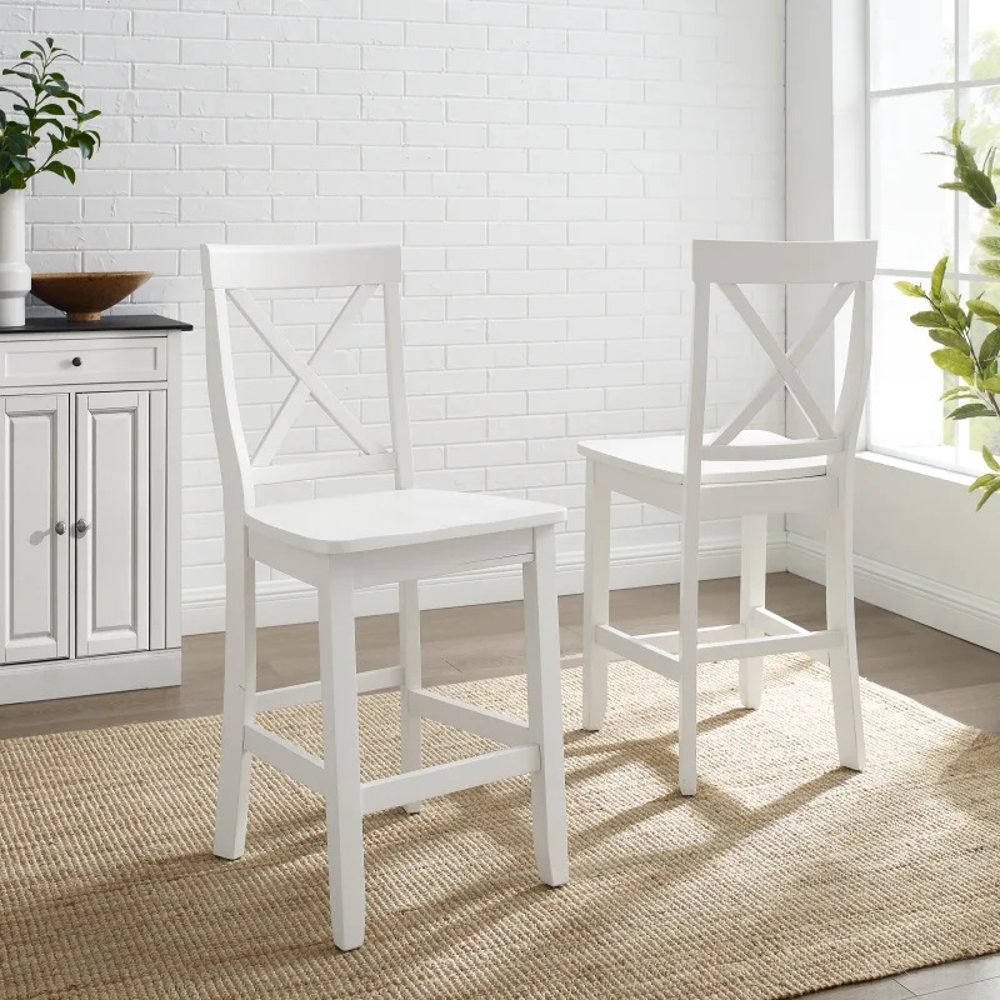
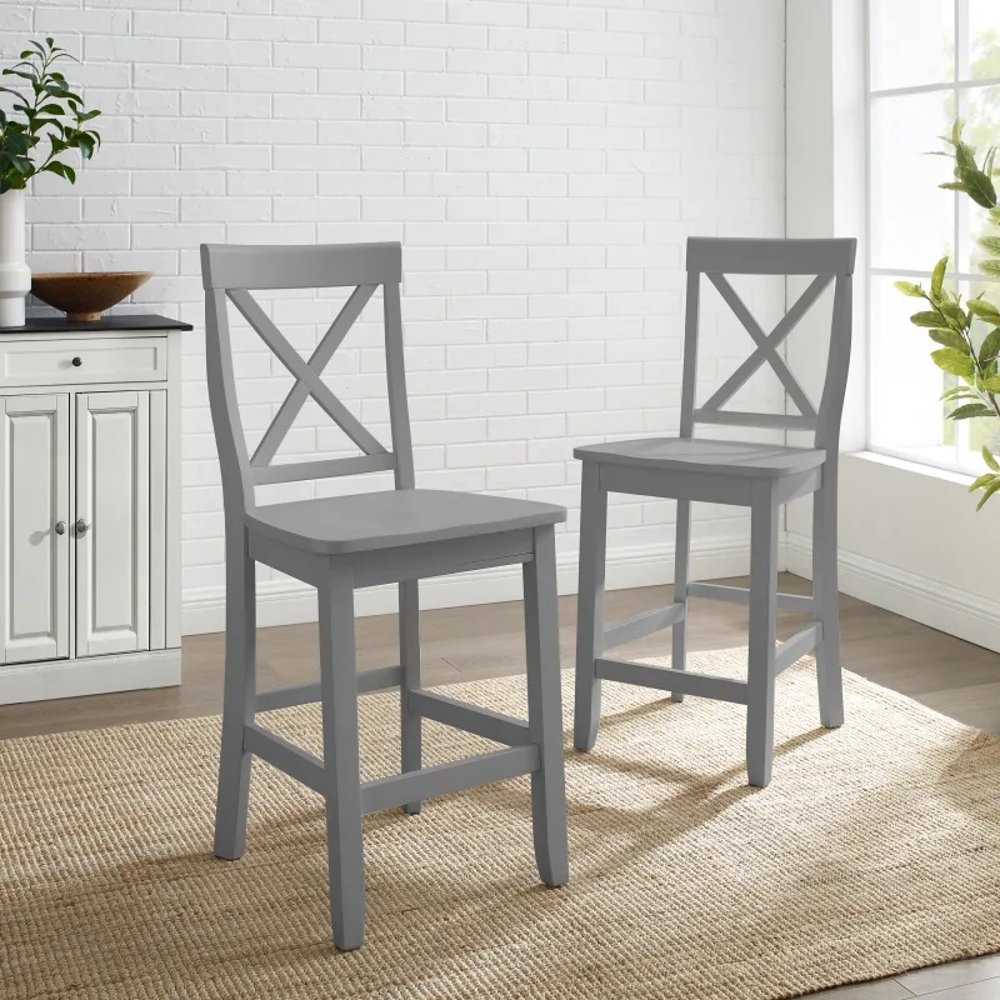
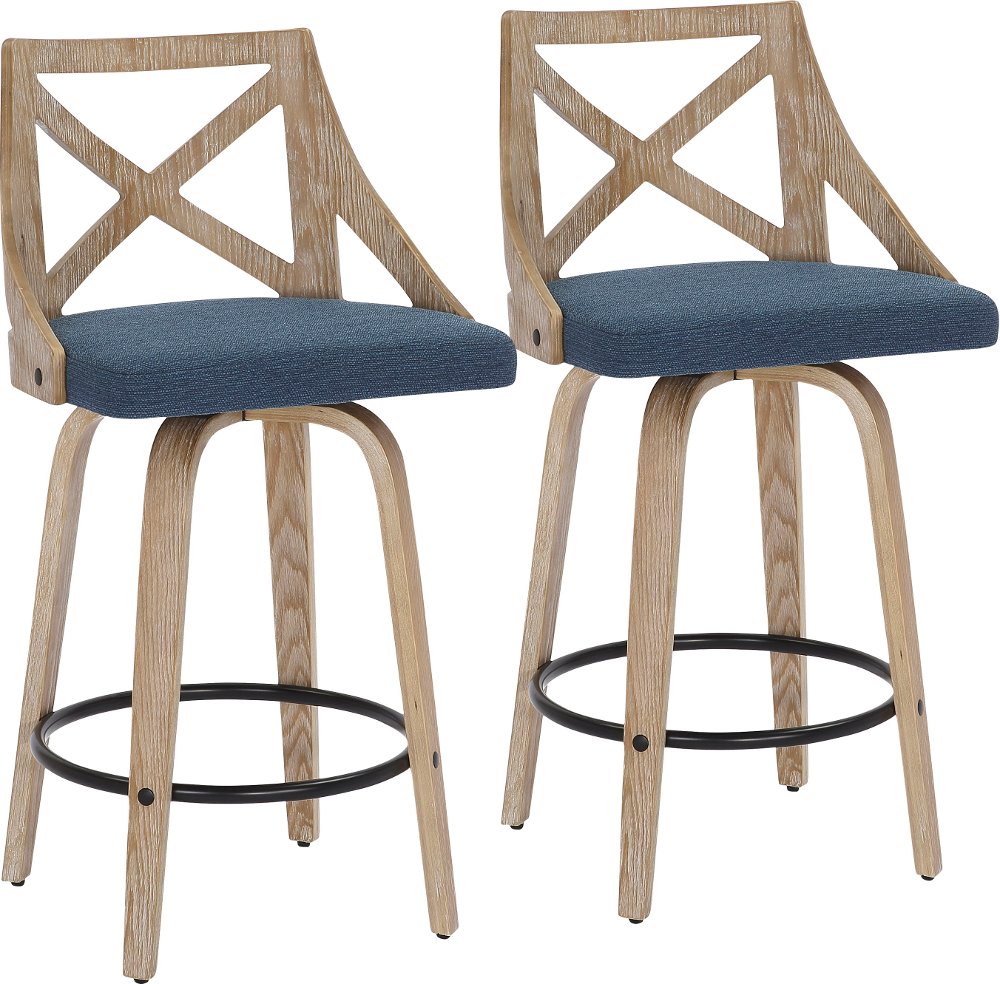
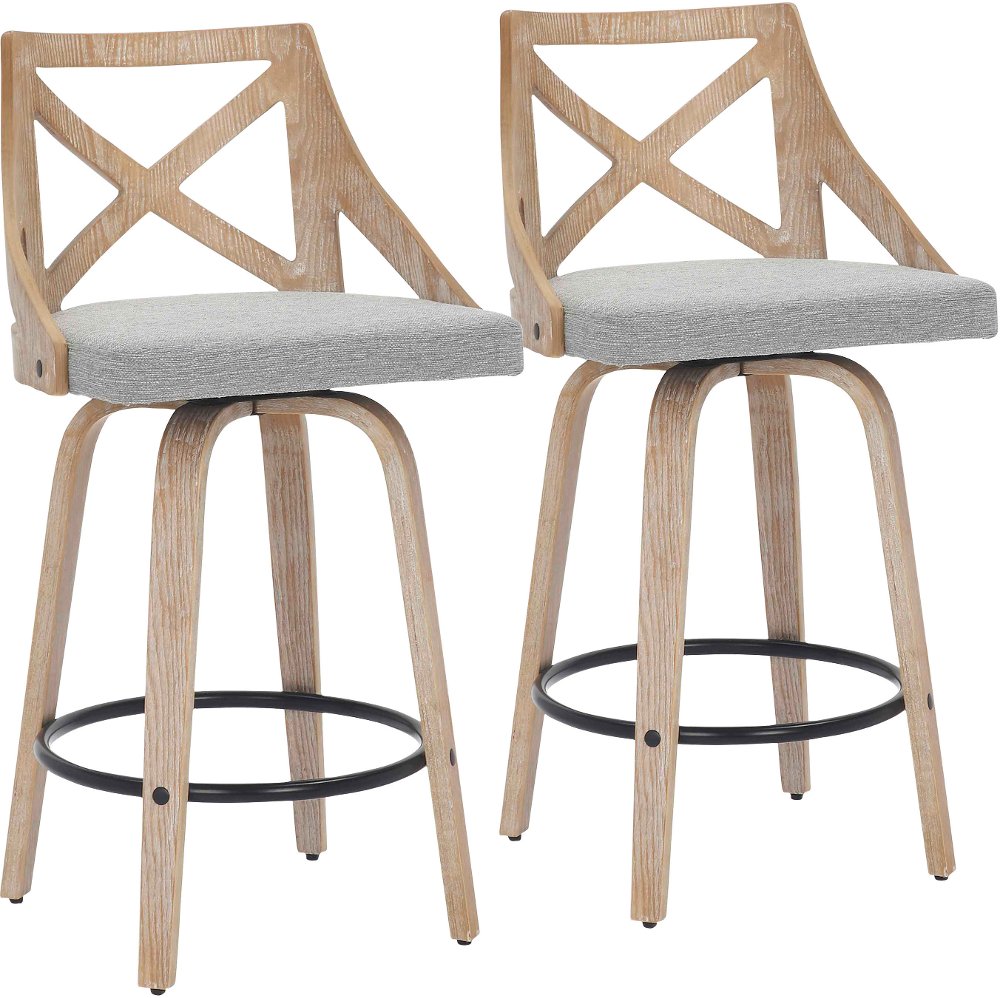
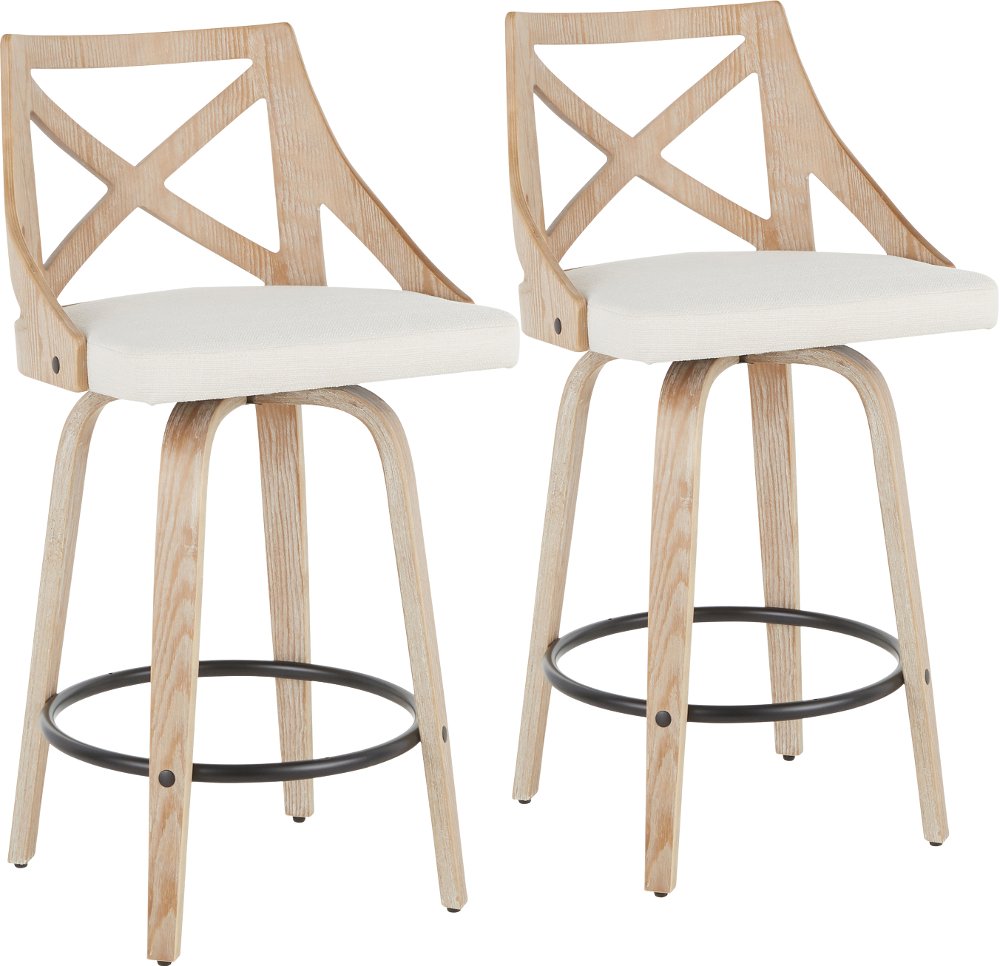
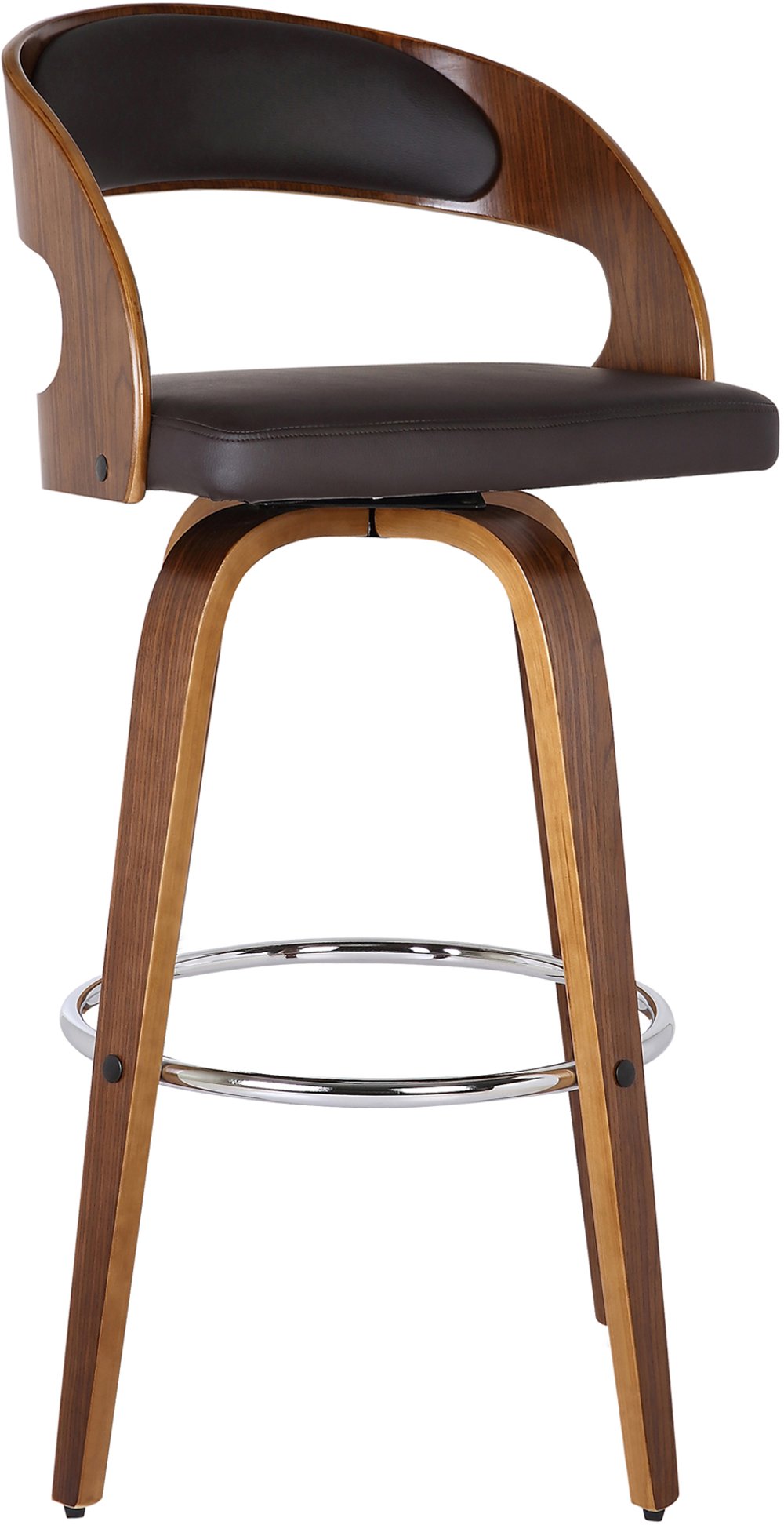
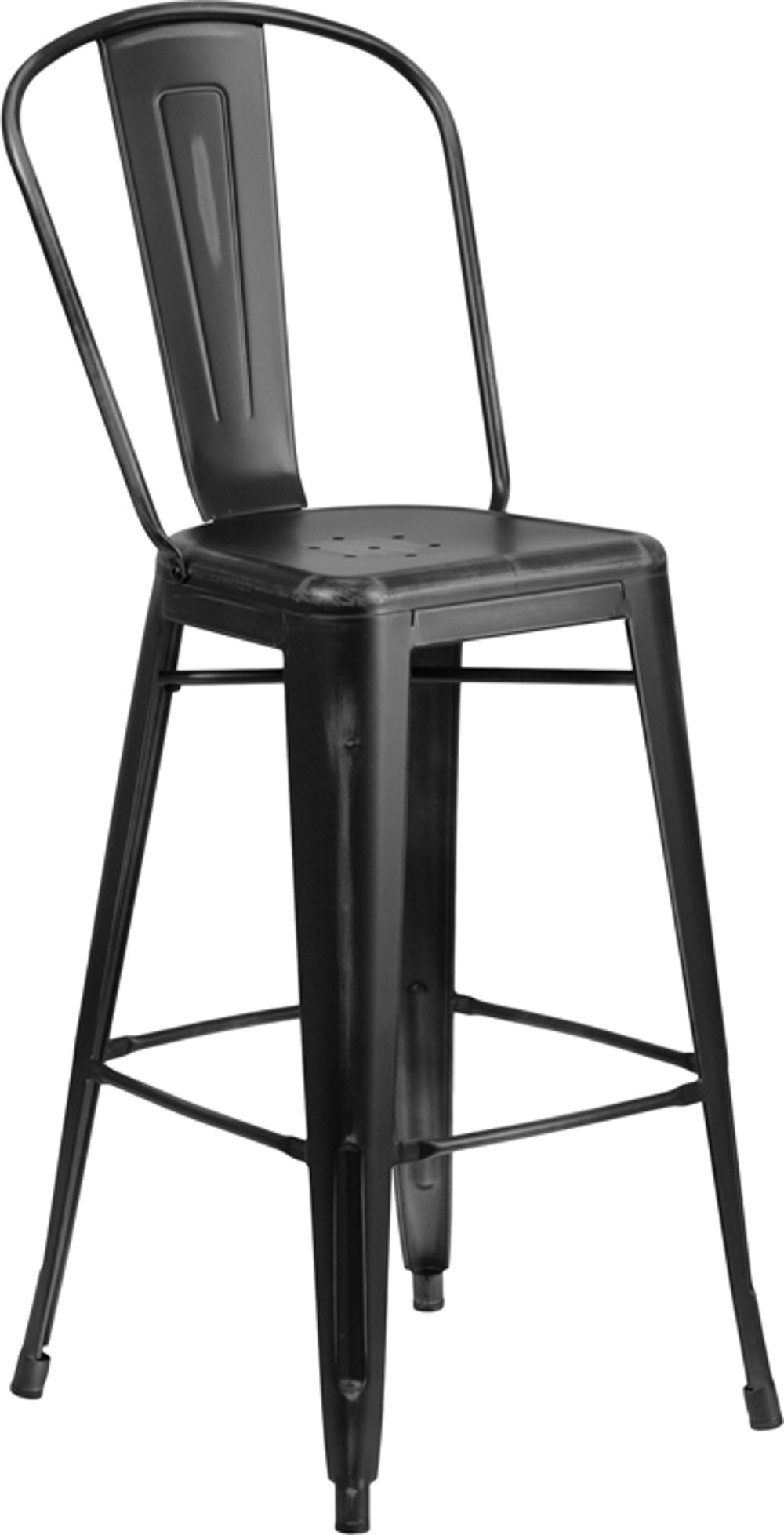
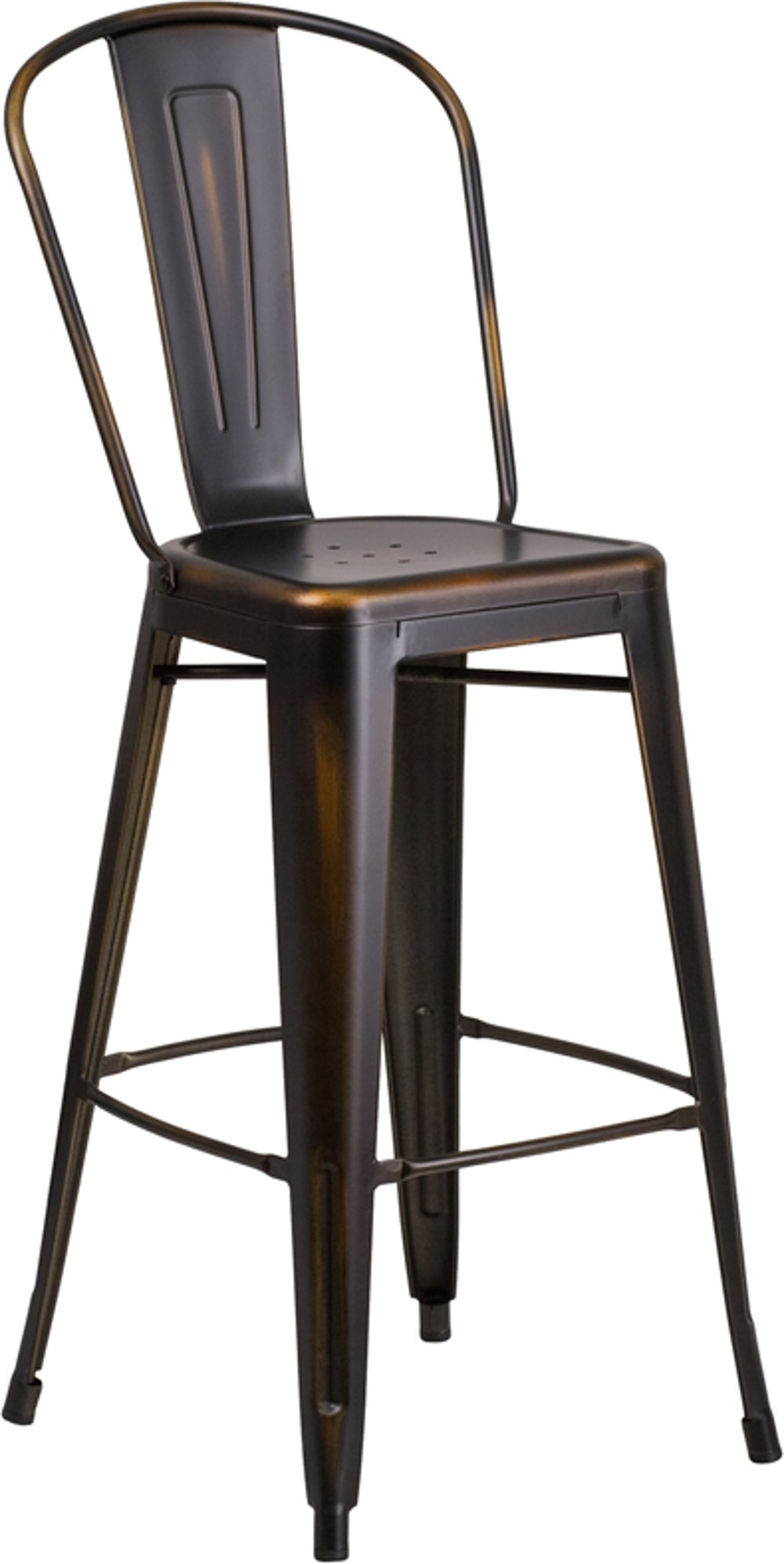
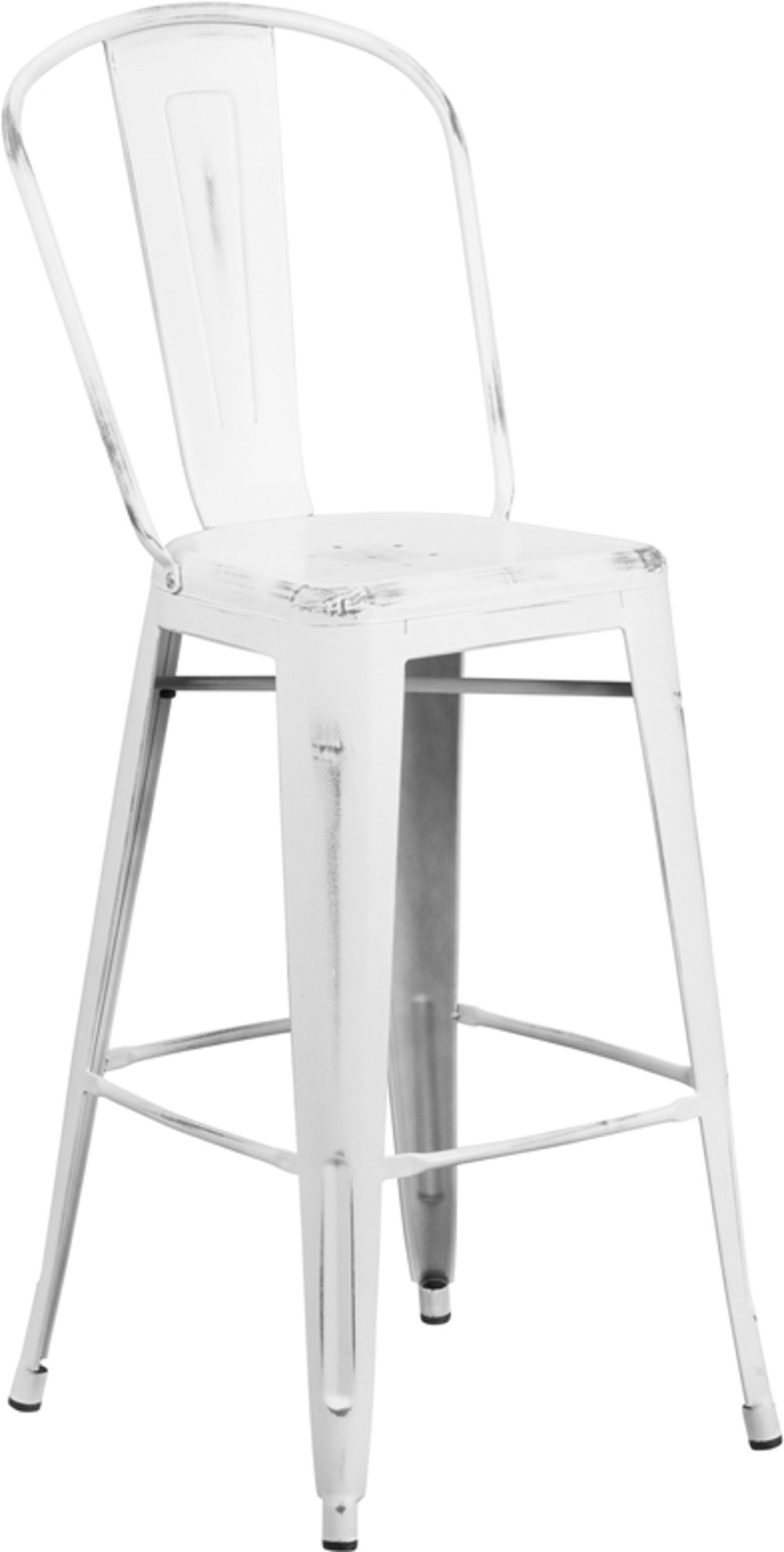
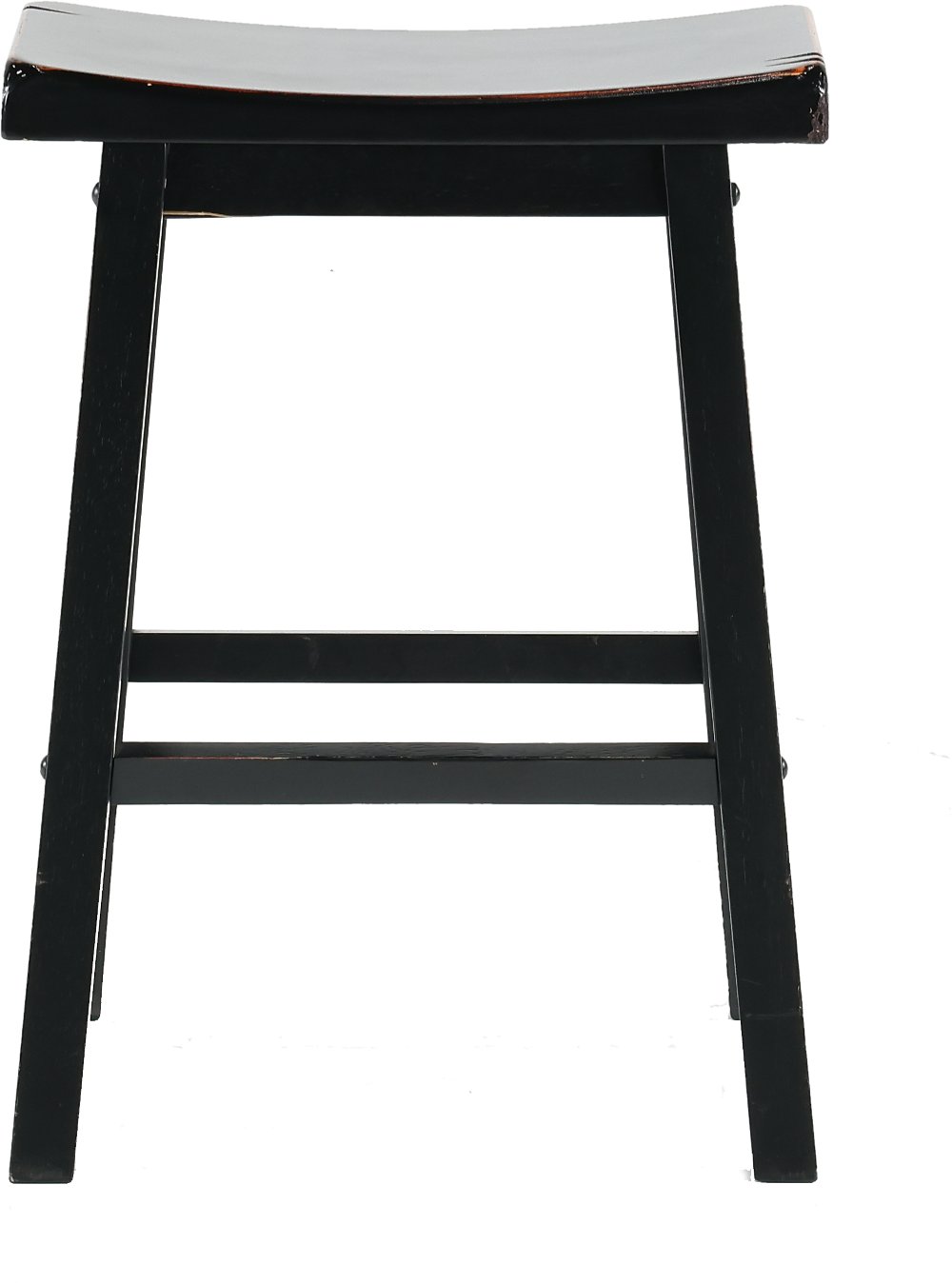
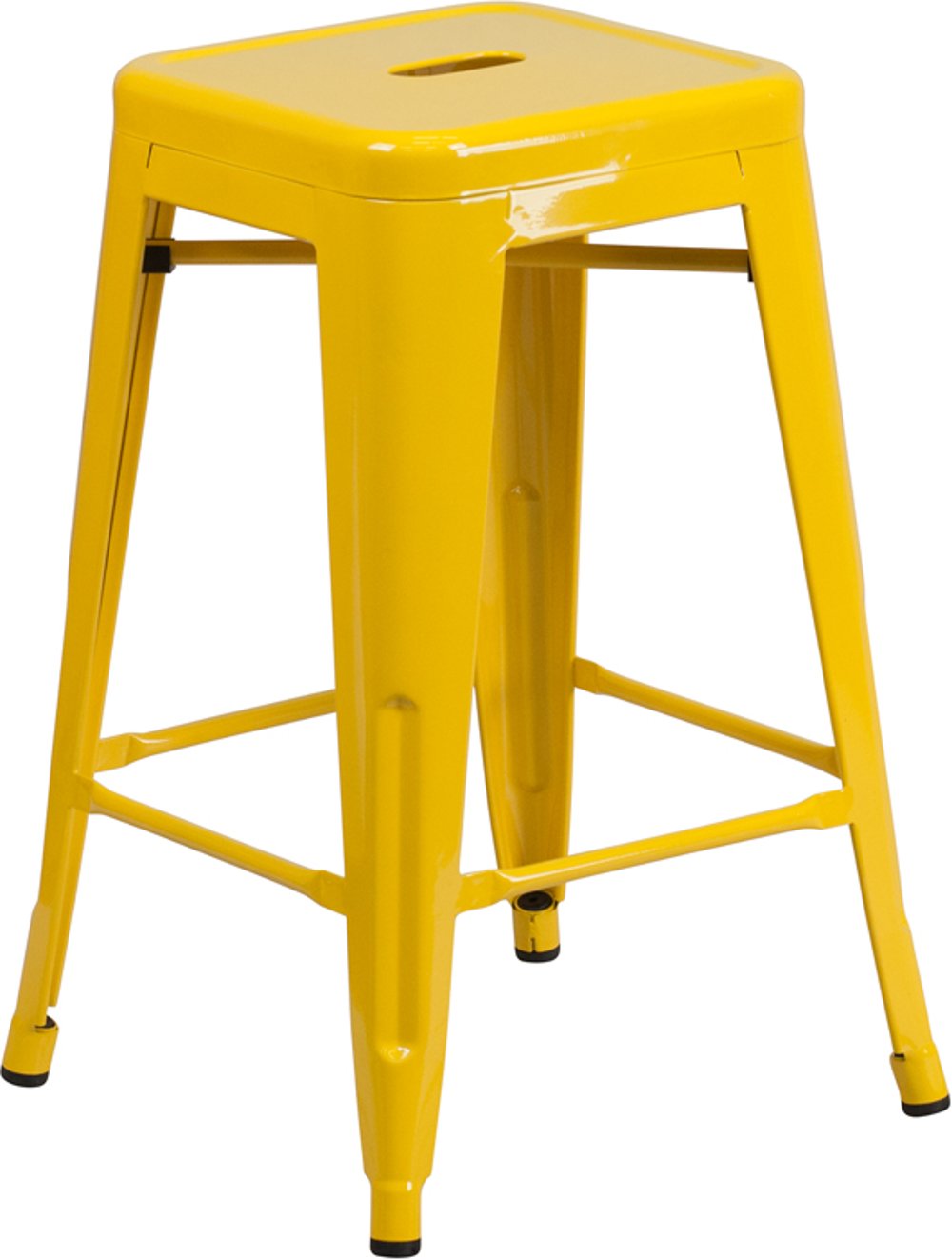
X-back counter stools bring a familiar, inviting shape to kitchen islands, breakfast counters, and counter-height dining tables. Their defining detail is an open backrest with two supports that cross to form an X, giving the seat a finished look without the visual weight of a solid panel. That balance makes cross-back counter stools especially appealing in open kitchens, where seating stays in view from the living room or dining area. The crisscross pattern has strong ties to farmhouse, French-country, and casual bistro styles, but its clean geometry works comfortably in transitional spaces, too. A warm wood finish can pick up the tones in a dining table or hardwood floor, while a painted frame adds definition against light cabinetry. Dark metal versions lend a more industrial character, particularly alongside stone countertops and simple pendant lighting. The stools don’t need to match every surface in the room; repeating one finish or color often creates enough connection to make the seating feel intentional. A natural wood seat paired with a darker frame, for example, can bridge wood cabinets and black cabinet hardware. Because the backs remain visible when the seats tuck under an island, their shape becomes part of the kitchen’s everyday character. From a bowl of cereal before school to a conversation while dinner simmers, this seating gives people a comfortable place to join the activity without moving into the cooking area. Backrests provide a place to lean during a meal, and footrests give seated guests somewhere to rest their feet. Comfort still depends on the back’s angle, the seat’s shape, and how well the stool fits the person using it. An X-back design describes the silhouette, not a particular level of cushioning or support. For households that use the island as their main eating spot, those details matter just as much as the finish. The result should feel like useful everyday furniture, not simply an accent lined up along the counter.
Counter-height seating typically has a seat height of about 24 to 26 inches and suits counters approximately 35 to 37 inches high, with the exact fit depending on the stool and the counter’s construction. Allowing roughly 10 to 12 inches between the seat and the underside of the counter generally gives an adult comfortable legroom. A thick countertop, low apron, or drawer beneath a counter-height table can reduce that clearance, so the underside matters more than the top surface alone. Bar-height stools, which commonly have seats around 28 to 30 inches high, usually fit taller surfaces around 40 to 42 inches and aren’t interchangeable with counter stools. Width deserves equal attention. Leaving about 6 inches between the edges of armless seats is a useful starting point, with additional room for wider frames, arms, or swivel movement. Two generously sized stools can feel more welcoming than three squeezed into a short stretch of counter, especially when everyone needs space for a plate and elbows. The overall depth also affects how easily someone can walk behind the seating. In a kitchen with a nearby pantry door or dishwasher, a stool that looks compact from the front may still extend into a busy path. Armless X-back counter stools often tuck in more neatly, though the counter’s overhang determines how much of the seat can slide beneath it. Swivel seats can make it easier to turn toward a conversation or get seated without dragging the frame, but they need clearance so the back doesn’t strike the island. Back height changes both the view and the sitting experience. A shorter cross-back profile keeps sightlines open, while high back counter stools offer another silhouette to consider when a taller backrest better suits the room or the people using it. For a place where someone lingers over breakfast or works on a laptop, a supportive back angle, adequate seat depth, and a well-positioned footrest help make the counter more pleasant to use.
Materials and seat construction give X-back counter stools much of their personality and influence how they handle daily life. Wood frames bring visible grain and warmth, with finishes ranging from smooth and evenly colored to deliberately distressed. Solid wood can be durable, but lasting performance also depends on sound joinery, a protective finish, proper assembly, and use within the manufacturer’s stated weight capacity. Metal frames offer a slimmer visual line and can suit hardworking kitchens, though metal alone doesn’t establish a stool’s strength or make it suitable for commercial use. The quality of the frame, welds, hardware, and coating all matter. A contoured wood seat offers a firm surface with fewer fabric-care concerns, making it a practical fit for quick meals and counters where spills are common. Upholstered seats add cushioning for longer conversations, homework sessions, or relaxed dining. Fabric introduces texture and softens the appearance of a wood or metal frame, while coated upholstery may offer a wipeable surface if its care instructions allow it. Seams, piping, and textured weaves can collect crumbs, so easy access for cleaning is worth considering in a family kitchen. For routine care, remove loose debris with a soft cloth or a suitable vacuum attachment, wipe spills promptly, and follow the finish or upholstery manufacturer’s cleaning directions. Avoid soaking wood joints or leaving moisture on metal, and test any approved cleaner in an inconspicuous spot before broader use. Floor protectors suited to the flooring can help limit scratches and scraping sounds; keeping those protectors clean prevents trapped grit from rubbing against the surface. On stools assembled with bolts, checking and tightening hardware as directed helps address looseness before it becomes a larger problem. Households with young children also benefit from clear expectations that footrests are for seated support, not climbing. Whether the counter serves as a daily dining area for two or a gathering spot for visiting friends, the most satisfying X-back stools pair a welcoming shape with dimensions, materials, and care needs that fit the way the space gets used.
Read More