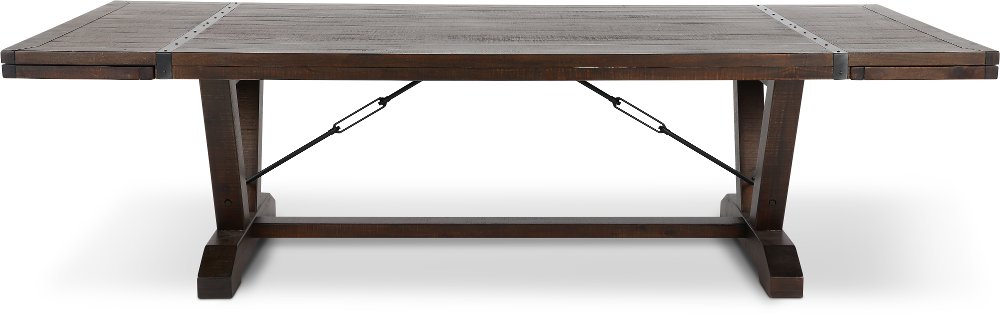
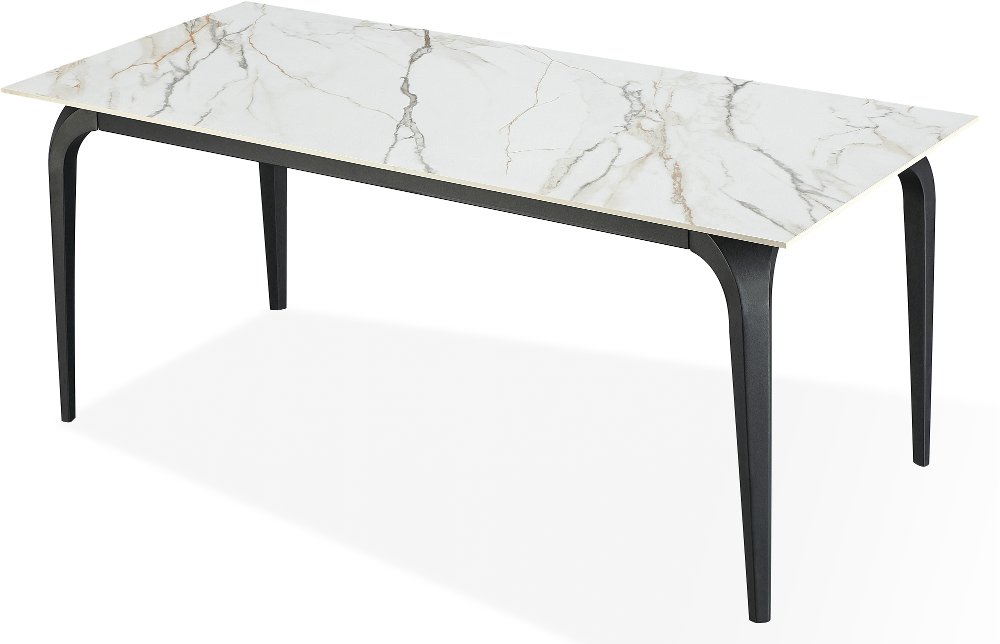
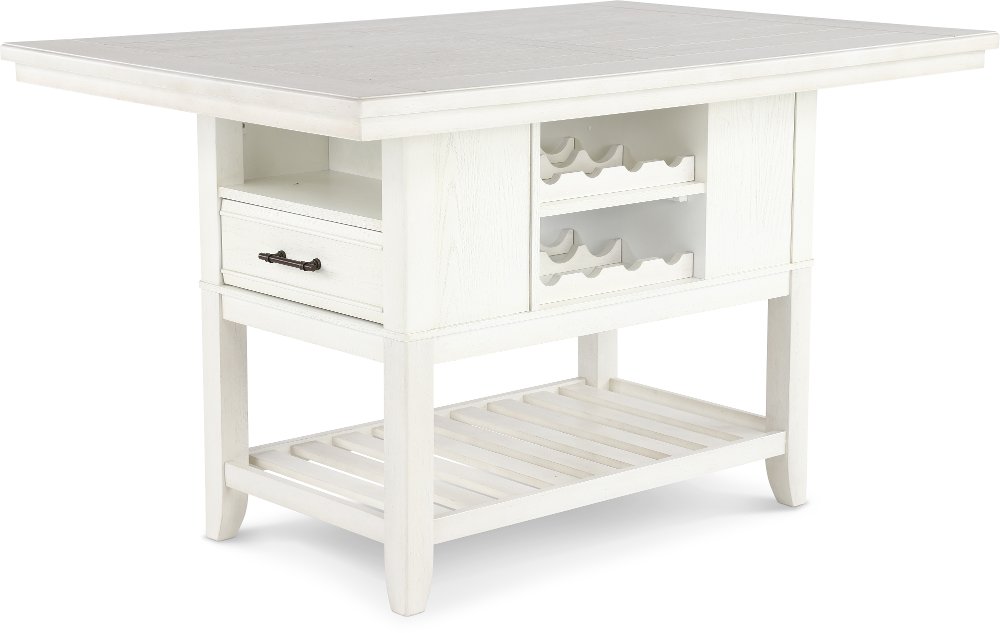
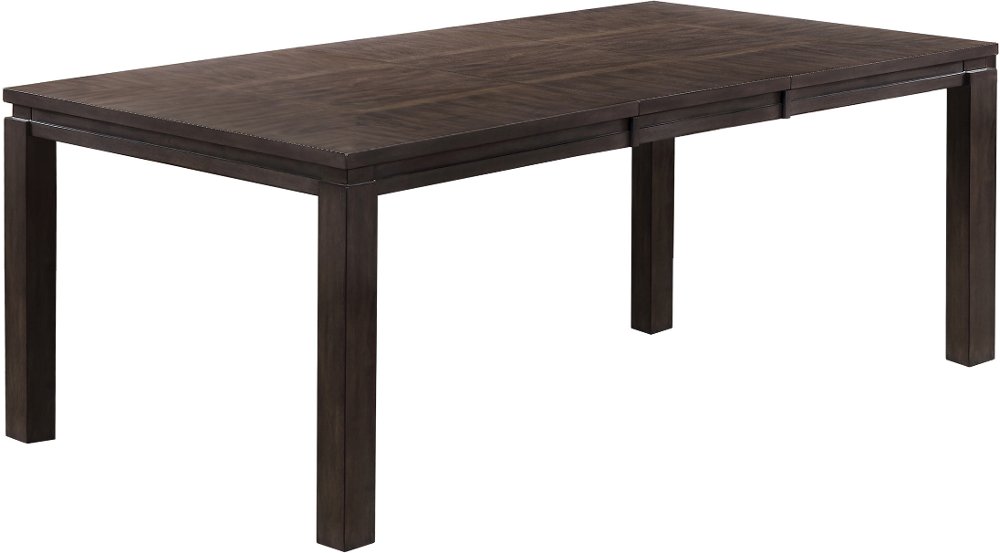
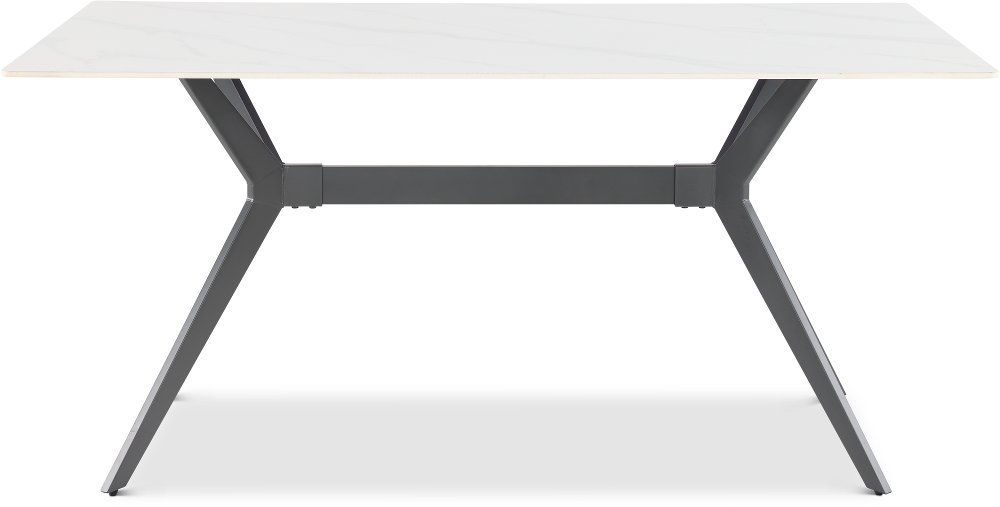
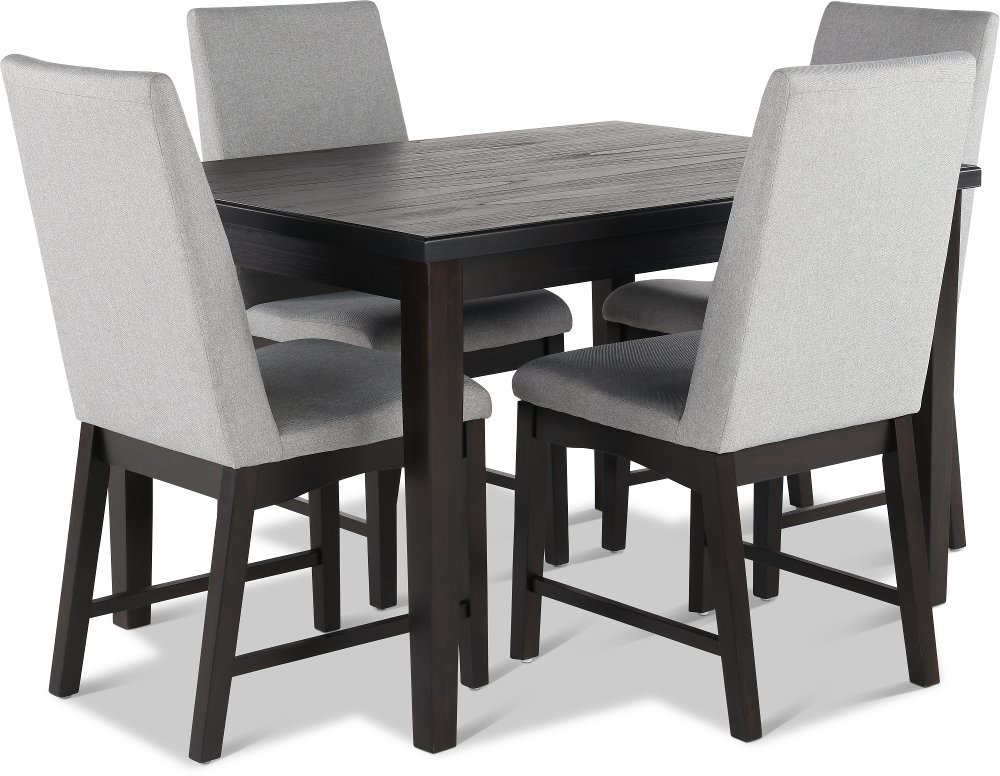
Rectangular dining tables bring a familiar sense of order to the dining room while giving everyone a comfortable place to gather. Their long, balanced shape works well in open-concept spaces, dedicated dining rooms, breakfast areas, and even larger kitchens where a table needs to define the eating area without closing it off. A compact rectangular table can give a household of two or four room for everyday meals, homework, crafts, and morning coffee, while a larger design can welcome family and friends for shared dinners, game nights, and holiday gatherings. Before choosing a table, measure the room and picture how people will move through it with chairs pulled out. A useful rule is to leave about 36 inches between the table edge and nearby walls, cabinets, or other furniture. This clearance gives diners space to sit down and stand up comfortably while keeping walkways open. Be sure to account for door swings, buffet cabinets, islands, and traffic paths as well. A 60-inch table often seats four to six people, depending on its width and the size of the chairs, while longer tables may accommodate eight, ten, or more. Table width matters, too. A narrower surface can suit a smaller room and still provide enough space for plates and serving dishes, while a wider table creates room for centerpieces, shared platters, and lively conversation across the table. When measuring, use painter’s tape on the floor to outline the table dimensions and place a few chairs around the perimeter. This simple step can make the difference between a dining area that feels inviting and one that feels crowded.
The table’s construction and finish shape both its appearance and its everyday experience. Solid wood dining tables offer natural grain variation, a substantial feel, and a warm look that can become even more personal as a home changes around them. Veneer and engineered wood options can provide attractive finishes and dependable performance, while glass, metal, and mixed-material designs can brighten a room or complement a contemporary decorating style. Think about how the table will be used before choosing a surface. A busy household with young children may appreciate a durable finish that wipes clean easily, while someone furnishing a formal dining room may prioritize a refined silhouette and a more decorative finish. Rounded corners, beveled edges, and smooth surfaces can make the table more comfortable during long meals, especially in rooms where people pass close by. Leg placement deserves attention as well. Traditional corner legs can give a table a classic look, but they may compete with chair legs or limit where guests can sit. A pedestal base places support beneath the center of the table, creating more open legroom and making it easier to add a chair at each end. Trestle bases offer another practical option, often pairing a sturdy appearance with generous seating space. Pay attention to chair height and arm clearance so chairs slide comfortably beneath the tabletop when they are not in use. If your dining area serves several purposes, consider a table with leaves or an extension mechanism. An extendable rectangular dining table can stay compact for weekday breakfasts and open up when relatives arrive during the cooler months. Butterfly leaves, drop leaves, and removable leaves each work a little differently, so check how the extension stores and whether one person can operate it easily. A table that expands smoothly helps hosting feel more manageable, leaving more time for setting the table, warming the food, and enjoying the people gathered around it.
Style can help connect the dining area to the rest of your home, whether you prefer relaxed farmhouse character, clean modern lines, traditional details, or a versatile transitional look. Natural wood tones can add warmth to rooms with painted cabinetry and light walls, while darker finishes can ground a bright space and create contrast with upholstered dining chairs. A lighter finish may help a smaller dining area feel open, especially when paired with simple seating and plenty of natural light. For a welcoming, lived-in setting, explore Rectangular Rustic Dining Tables for designs that bring texture and an easygoing feel to everyday meals. Keep the rest of the room in mind as you choose: the table does not need to match every piece exactly, but its finish, scale, and shape should feel connected to nearby furniture. A runner, low centerpiece, or bowl of seasonal fruit can add personality without taking away valuable serving space. As the weather warms, the table may become a place for casual breakfasts, weekend projects, and meals that stretch toward an open window. During the cooler months, it can anchor cozy dinners, card games, baking projects, and gatherings that last well past dessert. Rectangular dining tables also make thoughtful housewarming or wedding gifts when the recipient is settling into a new home, especially when the style suits their space and the size leaves room for daily use. Whether you are furnishing your first dining area, replacing a well-loved table, or creating a more comfortable place for guests, focus on the measurements, seating capacity, construction, and maintenance needs that fit your routine. The right table should look at home in the room and support the moments that make the room worth gathering in.
Read More