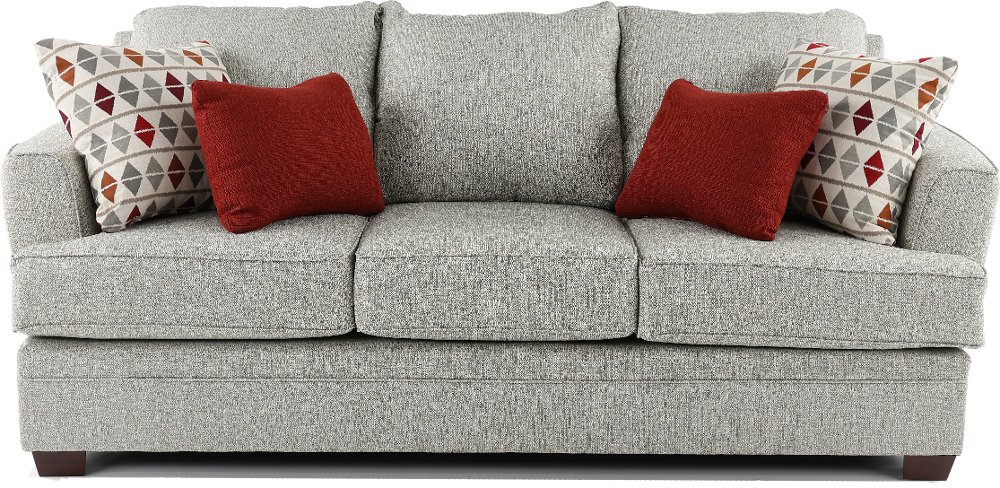
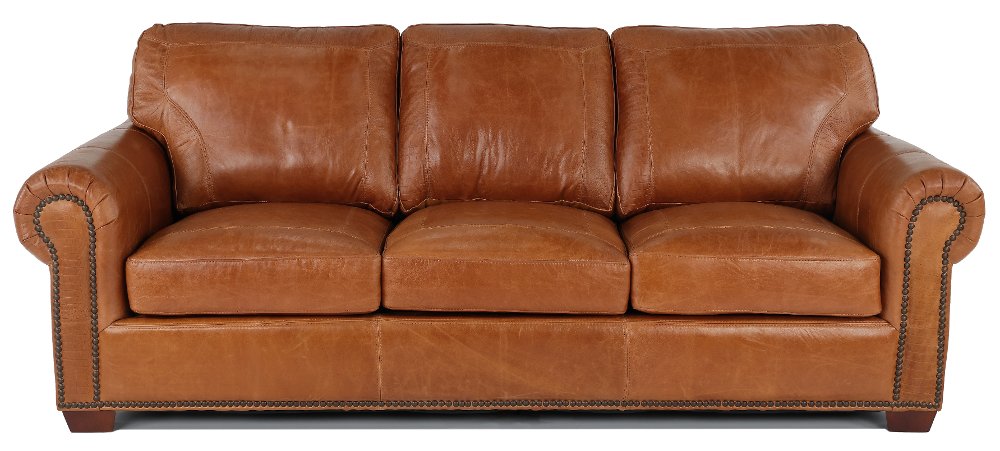
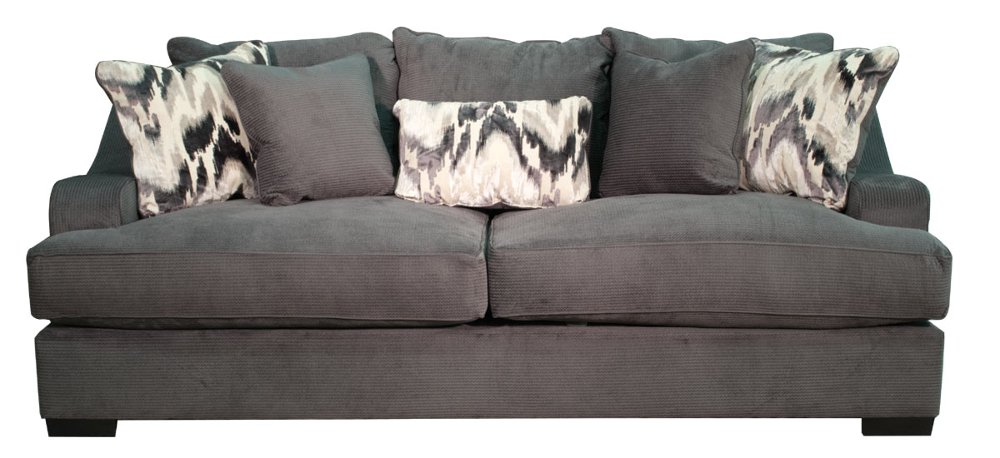
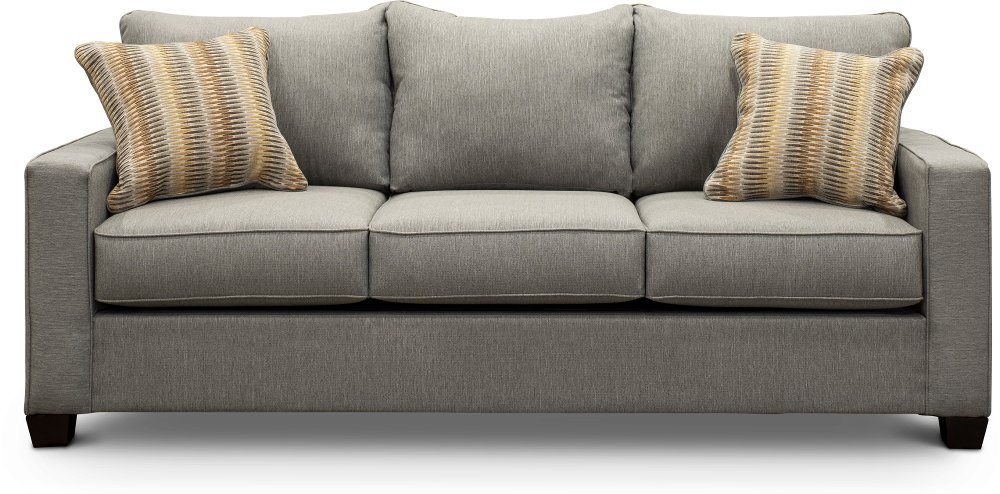
A 90-inch sofa gives your living room a generous place to settle in without making a sectional the centerpiece of the space. At about seven and a half feet wide, this size can anchor a main seating area, stretch along a substantial wall, or help define the living room in an open floor plan. It’s a comfortable starting point for households that want room to sit together, host a few friends, or stretch out with a book. Overall width is only part of the picture, though. Two 90-inch sofas can offer noticeably different amounts of usable seating: wide, rolled arms take up more space at either end, while narrow track arms leave more of that width for cushions. Seat depth also changes the experience. A deeper seat invites curling up with your feet tucked beneath you, while a shallower seat may feel more comfortable when you want your feet on the floor and your back supported. Taller family members might appreciate extra depth, but seat height and cushion firmness matter just as much when sitting down or standing up. Visually, a sofa this size works best when the surrounding furniture has room to breathe. A coffee table within easy reach, a lamp beside an arm, and a clear path through the room make the space useful rather than simply full. Allowing roughly 30 to 36 inches for a main walkway is a helpful starting point, with more room where accessibility needs call for it. For a realistic sense of scale, painter’s tape on the floor can outline both the sofa’s width and depth before you commit to a layout. Doorways, stair turns, elevator openings, and hallway corners deserve the same attention as the final placement. The delivery path needs to accommodate the sofa’s full dimensions, not just its width, and removable legs or other detachable components should be confirmed in the product details rather than assumed.
The character of a 90-inch sofa comes from its upholstery, shape, and construction as much as its size. Woven fabric can bring softness and subtle texture to a room, whether the look is a tightly tailored neutral or a more relaxed, touchable surface. A smooth weave generally has fewer places for claws to catch than a loose, open weave, although no upholstery is completely pet-proof. In homes where the sofa sees snack bowls, homework, and frequent movie nights, a fabric with clearly stated performance features may make everyday upkeep easier. Those features vary, so stain resistance, cleaning methods, and any limits on treatments are worth checking separately. Leather offers a different feel, with surface character that depends on the hide and finish. Some leather develops a visible patina with use, while more protective finishes may better suit a household that prefers a consistent appearance. Leather types aren’t interchangeable, and a sofa described as leather seating may use another material on its sides or back. If a smaller footprint would work better and leather is your preferred upholstery, 80-inch leather sofas offer another size to consider while planning the room. Beneath the cover, frame quality, joinery, and suspension help determine how a sofa supports daily use. Kiln-dried hardwood and quality engineered wood can both contribute to a durable frame when the construction is sound. Cushion fill affects comfort, too: foam often provides a more defined seat, while fiber or feather blends can create a softer feel that needs regular fluffing. Firmness alone doesn’t establish quality, and a plush cushion isn’t necessarily less supportive. Style brings these practical choices together. Raised legs can give a long sofa a lighter appearance, a low base can make it feel more grounded, and clean arms let patterned pillows or a textured rug add personality without competing with the sofa’s silhouette.
In everyday use, 90-inch sofas suit a range of spaces and routines, from a shared apartment’s main gathering spot to a family room that handles everything from quiet reading to game night. A three-cushion design creates distinct places to sit, while a bench cushion offers an uninterrupted surface without a seam beneath someone sitting in the middle. Neither layout guarantees a particular seating capacity; the interior width and each person’s comfort preferences are better indicators. Loose back cushions can be adjusted and fluffed, while attached backs tend to keep a tidier profile with less rearranging. A stationary sofa can pair neatly with an ottoman for flexible lounging, and reclining or sleeper designs, when offered in this size range, need additional space to operate. A sleeper also calls for attention to the opened dimensions and a clear route around the bed. For a sofa that floats away from the wall, the finished back becomes part of the room’s view, and nearby outlets can help determine sensible lamp placement without stretching cords across walkways. Once the sofa is in place, steady, simple care helps preserve its comfort and appearance. Vacuum fabric upholstery with an appropriate attachment to lift dust and crumbs from seams, and rotate or flip cushions only when their design allows it. Blot spills promptly rather than rubbing them deeper into the cover, then follow the manufacturer’s cleaning code and care instructions. A removable cushion cover isn’t automatically machine washable; washing an unsuitable cover can change its size or texture. Leather needs its own approved cleaning routine, and household cleaners or conditioning products shouldn’t be applied unless the manufacturer recommends them. Keeping upholstery away from prolonged direct sunlight and concentrated heat can help reduce fading and drying. A washable throw in a pet’s favorite spot adds a practical layer of protection without covering the entire sofa. With the right proportions, supportive seating, and upholstery suited to your household, a 90-inch sofa can become the place everyone naturally gravitates toward—spacious enough to share, comfortable enough to linger, and easy to make part of daily life.
Read More