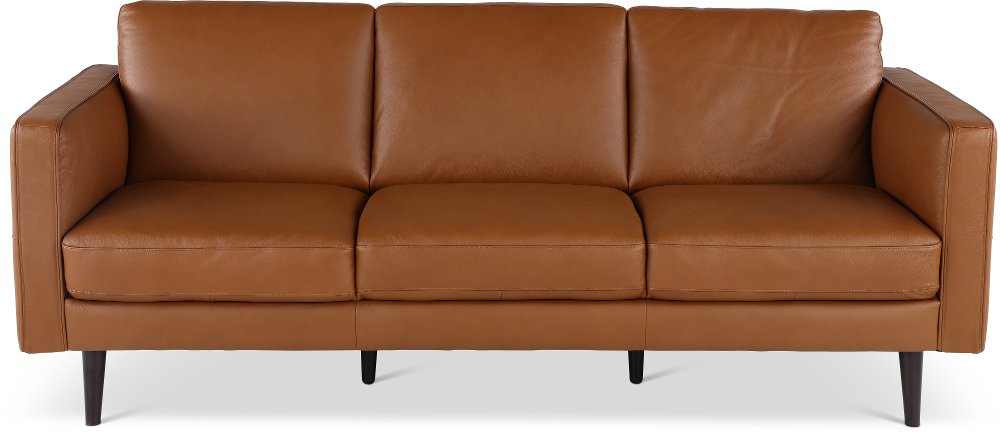
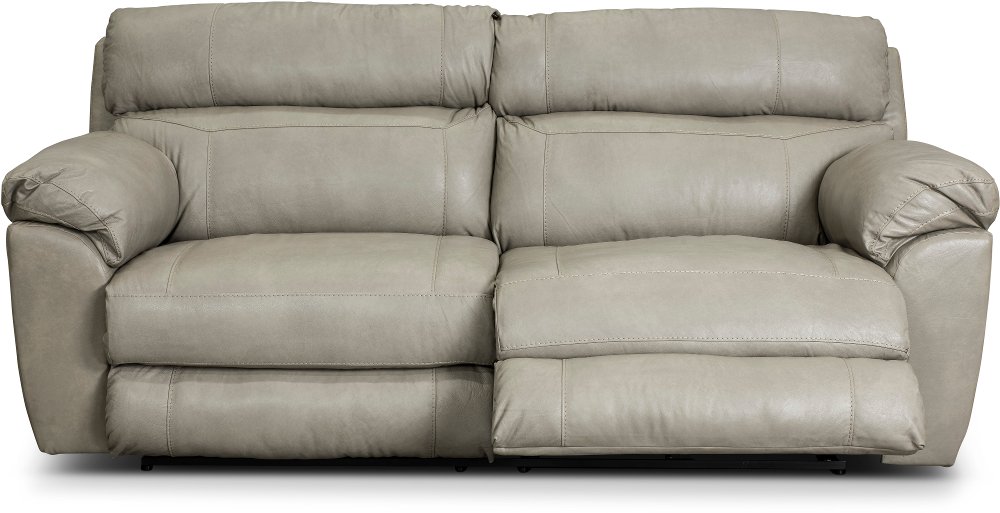
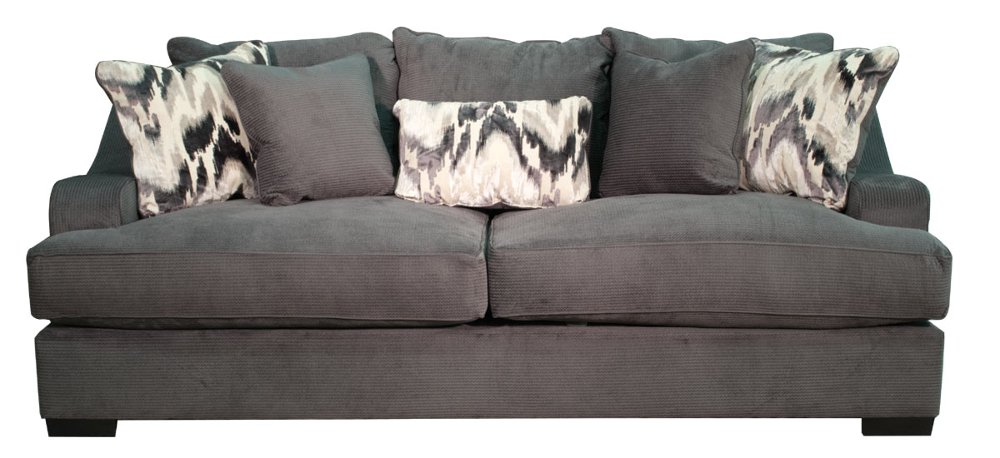
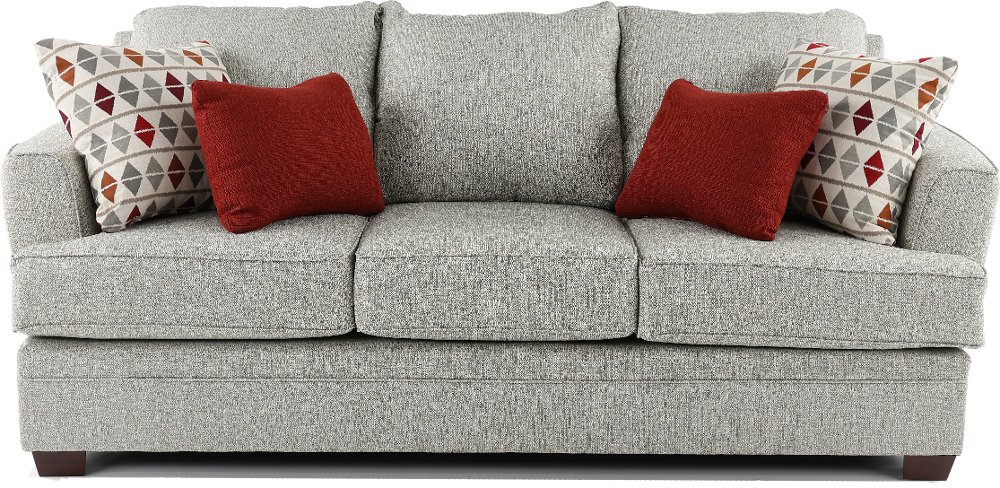
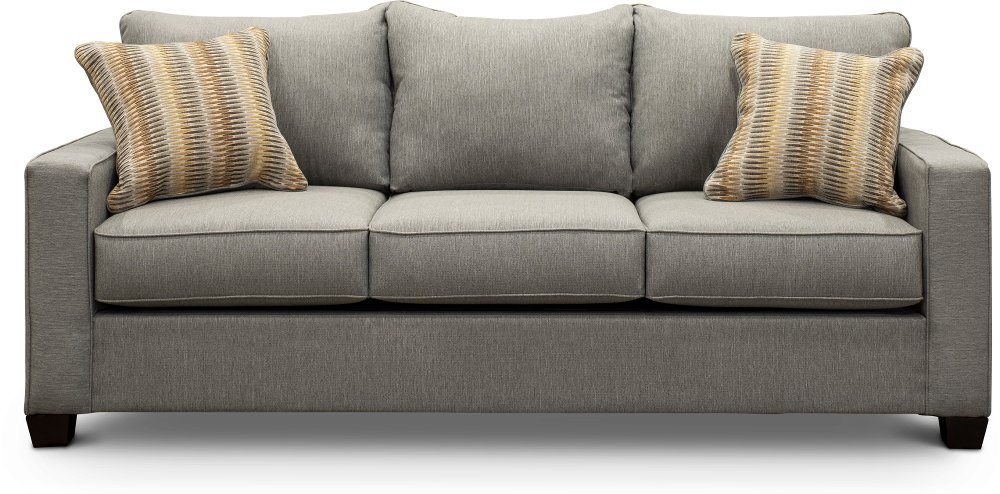
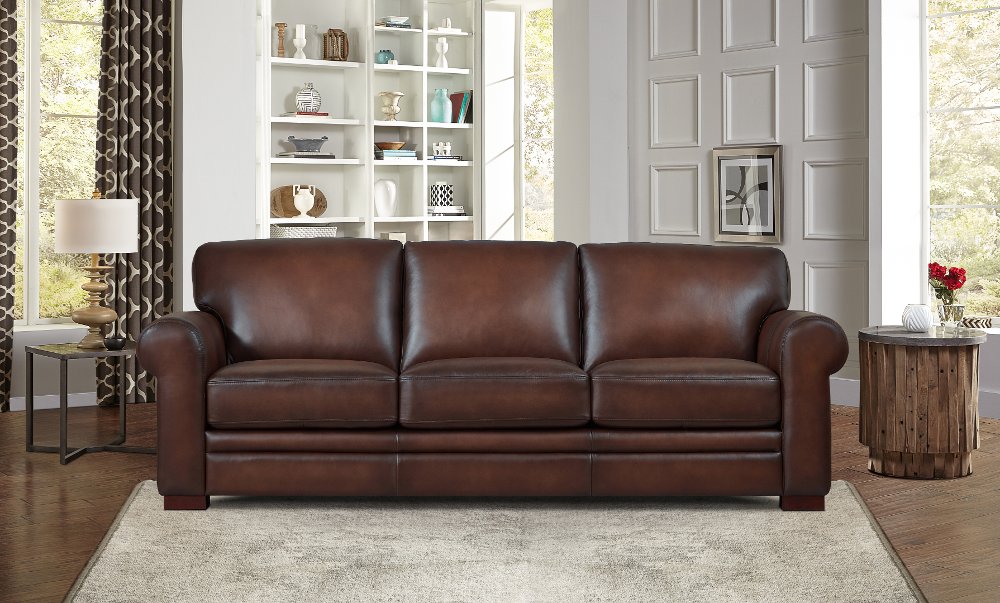
An 80-inch leather sofa brings comfortable everyday seating to a living room, apartment, den, or home office without taking up the wall space of a larger sofa. At 6 feet 8 inches wide, it can work as a compact three-seater or a roomy seat for two, depending on the arms, cushions, and overall design. That outside measurement doesn’t tell the whole story, though. Slim track arms generally leave more room between the arms than substantial rolled arms, while a deep seat offers a different experience from an upright, shallower seat. For a room used mainly for conversation, look for a seat depth that lets you sit comfortably with your feet on the floor. For reading, movie nights, or stretching out, deeper cushions may feel more inviting. Taller people may appreciate extra seat depth or a higher back, while people who prefer easy transitions from sitting to standing often favor a supportive cushion and a comfortable seat height. Before choosing a sofa, mark its full width and depth on the floor with painter’s tape. Leave comfortable walking routes around it, and account for a coffee table, nearby chairs, and doors that swing into the room. If the design reclines, check its extended depth and the manufacturer’s wall-clearance requirements. An 80-inch frame can fit a wall beautifully but still overwhelm a narrow room if the sofa is especially deep. Delivery access matters just as much: measure doorways, hallways, stair turns, and elevator openings, and check whether legs or other components can be removed. Comparing 90 Inch Sofas can help you decide whether extra seating width suits your layout, but overall dimensions and usable seat space remain the most helpful measurements. The right fit leaves room to move, keeps conversation comfortable, and makes the sofa feel like part of the room rather than an obstacle in it.
Leather upholstery gives an 80-inch sofa a distinctive combination of texture, character, and durability, but the type of leather and its finish make a meaningful difference in daily use. Full-grain leather retains the hide’s natural grain, including variations that give each upholstered surface its own character. Top-grain leather comes from the upper portion of the hide and may be sanded or otherwise finished for a more consistent appearance. Neither term alone tells you how resistant the surface will be to spills or scratches; the finish matters, too. Aniline leather has a natural look with visible shading and markings, but its limited surface protection means it can absorb spills readily. Semi-aniline leather typically adds a light protective finish while preserving much of that natural appearance. Pigmented or more heavily protected leather generally offers a more uniform color and greater resistance to everyday soiling, making it worth considering for a frequently used family room. Corrected-grain leather has its surface altered and often embossed, while bonded leather is a composite material containing leather fibers rather than an intact hide. A “genuine leather” label doesn’t identify a specific quality grade, so read the upholstery description closely. With leather-match construction, leather covers designated areas and another material covers others; knowing which surfaces use which material helps set realistic expectations for wear and care. Beneath the upholstery, construction influences how the sofa feels over time. A well-built frame, secure joints, and a supportive suspension system help the seat stay stable through repeated use. Higher-density foam can support cushion longevity, while high-resilience foam is designed to recover well after compression. Fiber or down-blend cushioning can create a softer feel, although loose cushions may need regular fluffing. If cushion covers unzip, that doesn’t necessarily mean they’re removable for cleaning. Check care instructions and whether cushions can be rotated, since some leather seat cushions have upholstery on only one side.
Style is another reason this size works across so many homes. An 80-inch leather couch with narrow arms and exposed legs can keep a smaller room feeling open, while a low-profile design with broad cushions creates a relaxed place to settle in. Rolled arms, nailhead accents, and deeper brown leather lean traditional; clean lines and minimal detailing pair naturally with contemporary furniture. Color changes the effect just as much as shape. Tan or cognac leather brings warmth beside light upholstery, natural wood, and textured rugs. Dark brown can ground a room with cream walls and substantial wood furniture, while black creates a crisp contrast with lighter finishes. Leather’s smooth surface also pairs well with woven throws and fabric accent chairs, adding variety without requiring every piece to match. For households with children, pets, or frequent guests, consider both the upholstery finish and how the sofa will be used. Protected leather may make routine cleanup easier, but no leather is scratchproof or completely stainproof. Pet claws, sharp hardware on clothing, and repeated friction can leave marks; a washable throw in a favorite lounging spot can help protect the surface. Routine care starts with gently removing dust using a soft cloth or a vacuum attachment approved for the upholstery. Blot spills promptly rather than rubbing them, and follow the manufacturer’s instructions before applying any cleaner or conditioner. Leather finishes have different requirements, so a product that works on one sofa may be unsuitable for another. Avoid household solvents and abrasive cleaners, and test an approved treatment in an inconspicuous area first. Position the sofa away from prolonged direct sunlight and heating vents to help limit fading and drying. With thoughtful placement, suitable care, and construction matched to everyday use, an 80-inch leather sofa can become a dependable gathering place for quiet reading, visiting friends, shared screen time, and the ordinary moments that make a room feel like home.
Read More