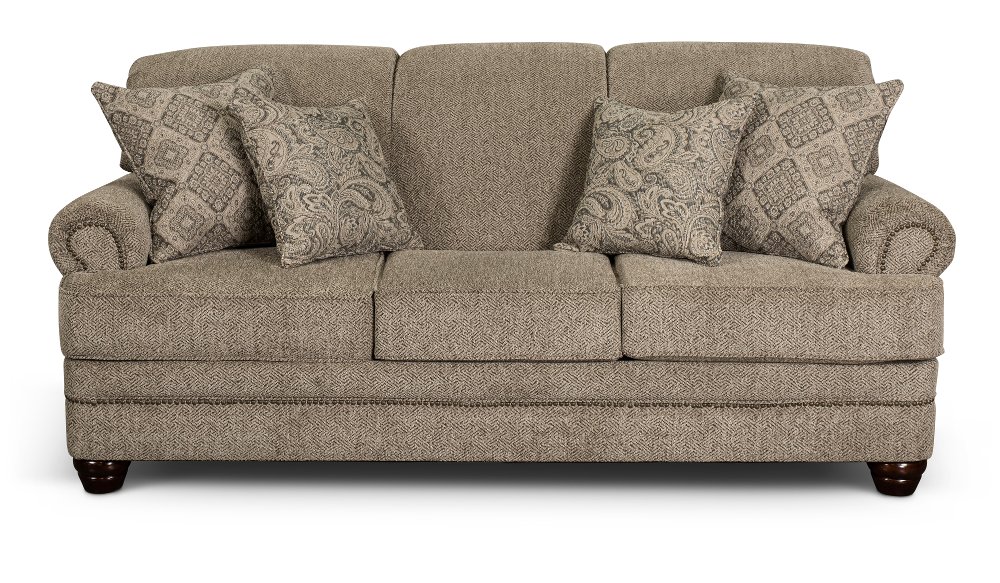
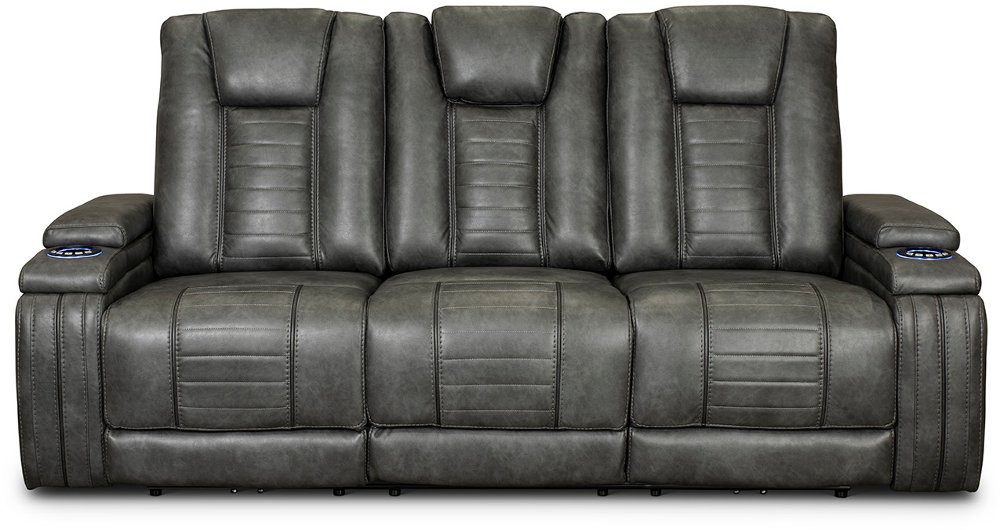
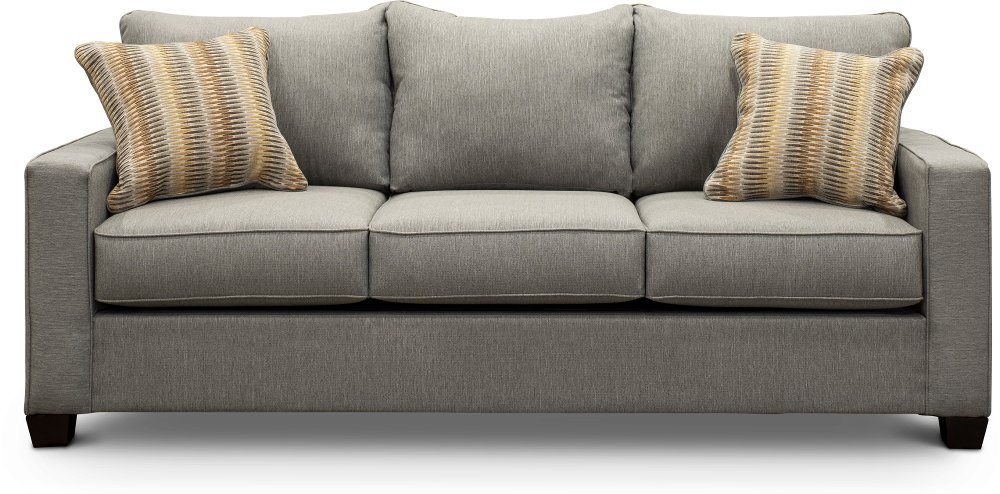
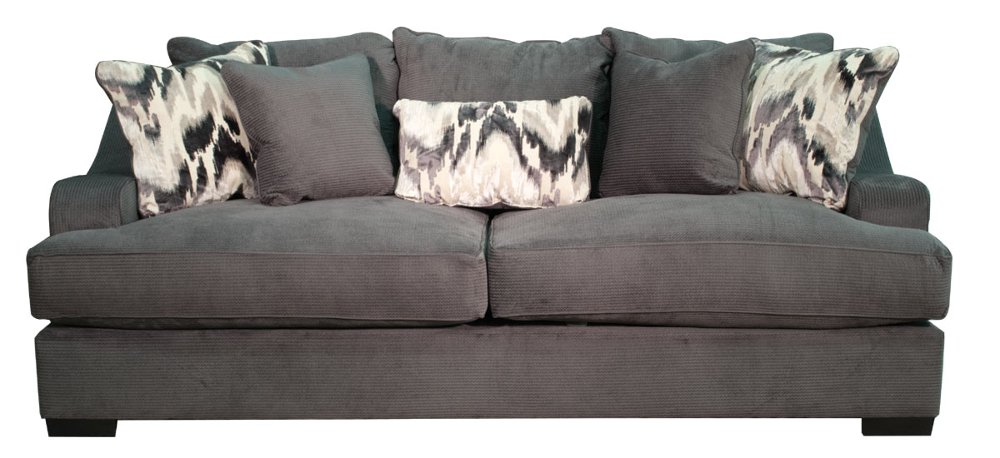
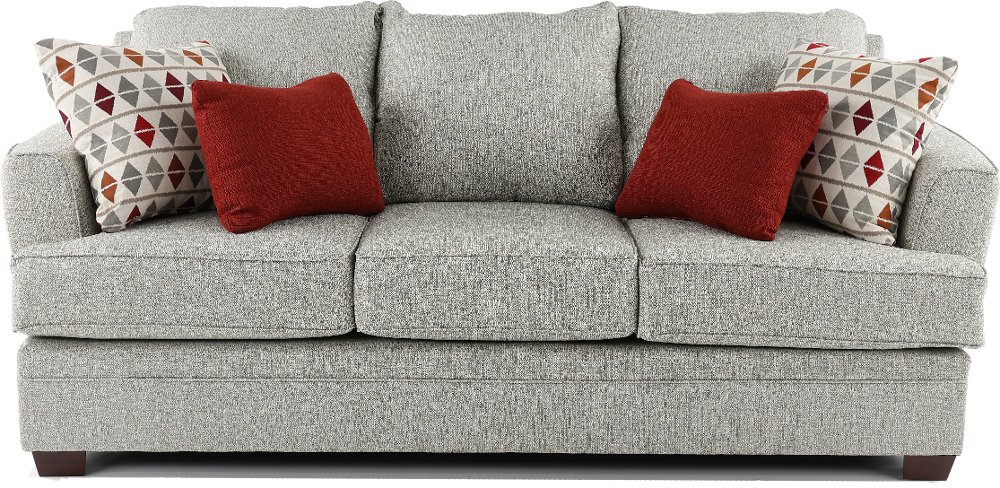
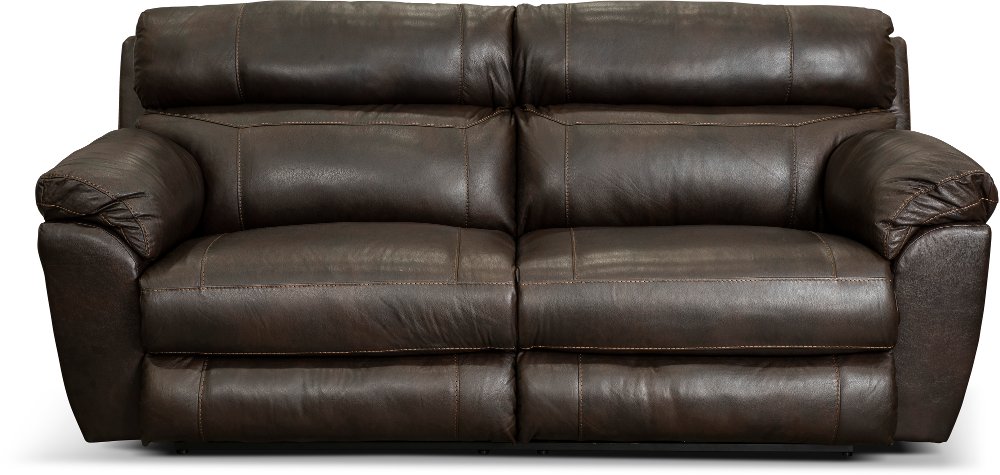
An 85-inch sofa gives a living room a comfortable place to land without making the seating area feel oversized. At just over 7 feet long, this size can anchor a conversation area, sit opposite a media console, or bring definition to the living portion of an open floor plan. Many sofas around this length accommodate three people, though the usable seating space depends on the arms, cushions, and overall design. Slim track arms leave more of the total width for sitting, while broad rolled arms create a more substantial profile and a comfortable spot to lean against. That distinction matters when the sofa needs to handle everything from two people stretching out after dinner to friends gathering for a movie. The 85-inch measurement describes the overall length, not the depth or height, so those dimensions deserve equal attention. A deep seat encourages lounging with feet tucked under, while a shallower seat can make conversation and sitting upright feel more natural. In a room with a compact footprint, raised legs and a lower back can help preserve open sightlines; in a larger space, fuller cushions and wider arms can give the arrangement more visual weight. Enough clearance around the sofa keeps the room comfortable to use, especially along the path between a doorway, coffee table, and nearby chairs. About 30 to 36 inches works as a practical starting point for a main walkway, with adjustments for the people who use the space. Doorways, stair turns, and elevator openings also matter when bringing a sofa home, particularly if its legs or back don’t detach. An 85-inch sofa often pairs comfortably with an accent chair or two, making it useful for households that prefer flexible seating instead of one large sectional. For a room with more wall space and a need for a broader seating footprint, 100-inch sofas offer another size to consider. The right proportions leave room for both comfortable seating and the everyday movement that makes a living room work.
Upholstery gives an 85-inch sofa much of its personality, from the soft texture of a woven fabric to the smooth surface of leather. A tightly woven fabric can provide a neat, tailored look, while a nubby weave adds dimension even in a simple neutral color. Texture has practical implications, too: loose loops may catch on pet claws, and pronounced weaves can hold crumbs or hair more readily than smoother surfaces. Performance fabrics may offer added resistance to certain stains or spills, but their capabilities and care requirements vary, so the upholstery details matter more than the label alone. Leather brings its own range of finishes and characteristics. More protected finishes generally offer a more uniform appearance, while less protected leathers may show natural markings and develop a patina with use. Neither fabric nor leather is automatically the best choice for every household; the better match depends on how the sofa will be used and how much upkeep feels manageable. A family room with frequent snacks, pets, and children has different demands than a sitting room used mostly for conversation. Color also shapes how the sofa settles into the space. Oatmeal, taupe, gray, and other neutrals can sit easily alongside changing pillows and rugs, while a deeper color creates a stronger focal point. Lighter upholstery can brighten a visually busy room, although marks may be more noticeable. Beyond the covering, details such as welted edges, tufting, exposed wood legs, and loose back cushions influence the overall feel. Straight lines and narrow arms tend to look clean and understated; curved arms and cushioned backs feel more traditional. A sofa doesn’t need to match every chair or table to feel at home. Repeating a wood tone, fabric color, or simple shape elsewhere in the room can connect the pieces without making the arrangement look overly coordinated. At this scale, even a small detail, such as a skirted base instead of exposed legs, can noticeably change how grounded or airy the room feels.
Comfort and durability come from more than a sofa’s outer appearance. The frame, joinery, suspension, and cushion construction all contribute to how an 85-inch sofa feels on the first sit and how it holds up to regular use. Well-built wood or metal frames, secure connections, and supportive suspension help create a stable foundation, while cushion materials determine whether the seat feels structured, springy, or soft enough to sink into. Higher-density foam can offer lasting support, though density and firmness aren’t the same thing. Fiber or feather blends can create a relaxed surface, often with more routine fluffing needed to keep cushions looking full. A supportive seat may suit someone who likes to read upright or finds a very low, soft sofa difficult to get out of. A deeper, more relaxed design may be a better fit for long conversations, gaming, or stretching out with a book. Seat height, arm height, and back support make a real difference, especially when several people with different preferences share the same sofa. Removable cushions can make it easier to reach crumbs and rotate seating positions, but removable covers aren’t necessarily machine washable. The manufacturer’s care instructions should guide cleaning, whether the upholstery calls for water-based products, solvent-based treatment, or professional care. Regular vacuuming with an appropriate upholstery attachment helps remove dust and grit before they settle into seams. Blotting spills promptly, rather than rubbing them into the material, can help limit spreading, provided the cleaning method suits the fabric. Keeping upholstery away from prolonged direct sunlight and concentrated heat can also help protect its appearance. For busy households, a simple routine of straightening back cushions, rotating reversible seat cushions when permitted, and tending to small messes can keep the seating area welcoming. With the right combination of dimensions, support, and upholstery, an 85-inch sofa can serve as a dependable everyday gathering place: roomy enough to share, comfortable enough to settle into, and proportioned to leave space for the rest of home life.
Read More