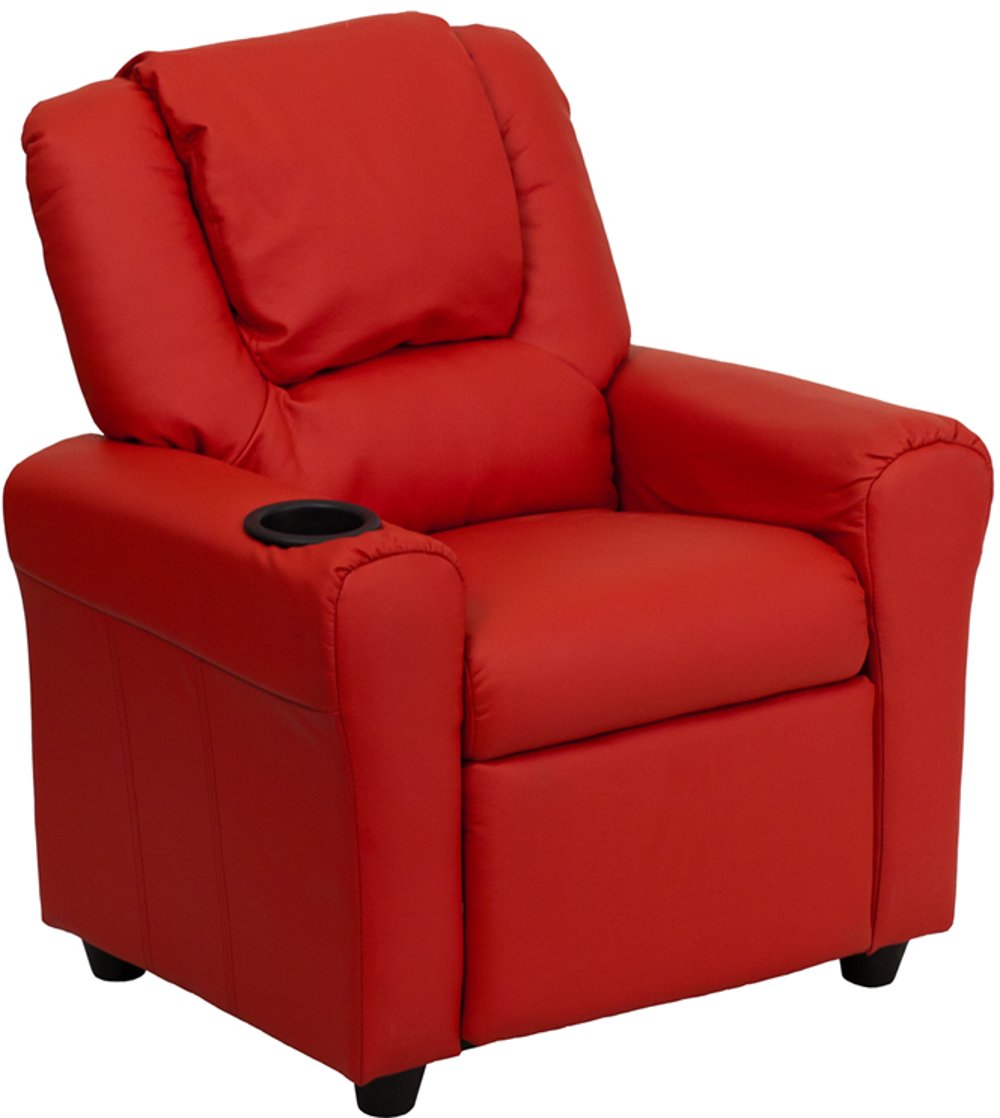
Customized recliners bring together the comfort of a reclining chair and the chance to choose details that suit your home. Depending on the chair’s design and customization program, those choices may include upholstery, color, trim, reclining controls, or compatible comfort features. Customization doesn’t necessarily mean a chair is built to your exact body measurements; many designs start with an established frame and let you personalize selected elements. That makes the underlying size and shape just as important as the finishing touches. A comfortable fit generally allows your feet to rest on the floor when you’re sitting upright, with your back supported and no uncomfortable pressure behind your knees. Seat depth matters, too: A deep cushion can feel inviting for someone with long legs but leave a shorter person reaching for the floor. Arm height affects how naturally you can hold a book, and back height influences where your head rests. For shared seating, the best fit balances the needs of the people who will use the chair most often. Reclining mechanisms shape the experience further. Manual recliners use a handle, lever, or push-back motion, while power recliners adjust with buttons and need a suitable power source. Some power designs include independently adjustable headrests or lumbar support, which can help you settle into a comfortable position without stacking pillows behind your back. Rocking, gliding, and swiveling functions add movement for different routines, from reading beside a window to turning toward a conversation. These functions aren’t interchangeable, and not every design combines them with every reclining feature. A wall-hugger mechanism can reduce the clearance needed behind the chair, although it still requires room to extend in front. In a living room or media room, a customized recliner should feel comfortable both upright and fully extended, with controls you can reach easily and enough surrounding space to move without squeezing past the footrest.
Upholstery gives a custom recliner much of its personality, but its feel and maintenance needs matter as much as its color. Woven fabrics range from smooth, tightly constructed surfaces to textured materials with a more relaxed appearance. A fine weave can complement a clean-lined room, while a subtle pattern adds depth without competing with a favorite rug or artwork. Performance fabrics may offer resistance to certain stains or easier cleanup, but the term doesn’t mean every fabric handles spills, abrasion, or pet claws equally well. The stated performance features and cleaning instructions provide a clearer picture than the label alone. Leather has its own range of characteristics. Top-grain leather has had its outer surface adjusted to varying degrees, while full-grain leather retains the natural grain surface; either can have finishes that affect its appearance and care. More protective finishes can simplify routine cleanup, while minimally finished leather tends to show natural markings and develop visible character with use. Neither option is scratchproof, and leather alternatives can have very different wear patterns and maintenance requirements. A household with an energetic dog may place more value on a tightly woven, easy-care covering than on a heavily textured fabric that could catch a claw. Someone creating a quiet reading corner might care most about a soft hand and a color that sits comfortably beside wood shelving. Upholstery samples, when part of the selection process, help reveal texture and undertones in the room where the chair will live. A gray that looks neutral elsewhere may appear blue beside a warm beige sofa. Custom details such as contrasting welt, stitching, exposed wood finishes, or arm treatments can connect a recliner to existing furniture when the design permits those choices. The result can be coordinated without looking overly matched: A tailored chair in a complementary solid color often sits naturally alongside a patterned sofa, while rich leather can add contrast to softer fabric seating.
Long-term satisfaction with a customized recliner depends on what’s beneath the upholstery as well as how the chair fits into everyday life. Frame construction, reinforced joints, seat suspension, cushion materials, and the reclining mechanism all contribute to support and durability. Solid wood, plywood, engineered wood, and metal can serve different structural roles, so a single material label doesn’t tell the whole story. Cushion firmness also deserves attention. A plush seat may feel appealing immediately, while a more supportive cushion can make sitting upright or standing easier for some users; softness alone isn’t a measure of quality. Stated weight limits, intended use, and warranty terms help clarify whether a design suits the household. If domestic manufacturing is part of your criteria, American Made Recliner Chairs is a related category to explore, with manufacturing and component-origin details worth checking for each design. Practical room planning protects that carefully chosen fit. The fully reclined dimensions, doorway widths, hallway turns, and nearby furniture all affect placement, and a swivel chair needs clearance throughout its turning path. Power cords should stay clear of walkways and moving parts. In homes with children or pets, keeping the space beneath and around the mechanism clear is especially important before moving the chair. Routine care starts with the upholstery manufacturer’s directions: Vacuum fabric gently, blot spills promptly rather than rubbing, and use only approved cleaning products. Leather may require specialized care, and conditioners aren’t appropriate for every finish. Direct sunlight can fade coverings over time, so placement also plays a part in preserving the color you chose. Loose objects should stay out of the mechanism, and the footrest should support legs rather than serve as an extra seat. For a chair used daily for reading, conversation, or watching a favorite show, these practical details help keep personalized style and dependable comfort working together. A well-chosen custom recliner feels like it belongs in the room and in the routines of the person who sits there.
Read More