Art TVs

Art TVs let you enjoy your favorite shows and display artwork when you’re not watching, helping your screen complement your room’s décor. As you explore the selection, consider screen size, picture quality, and placement to find a TV that fits both your viewing needs and your space.

Read More
Sort by:

Art TVs

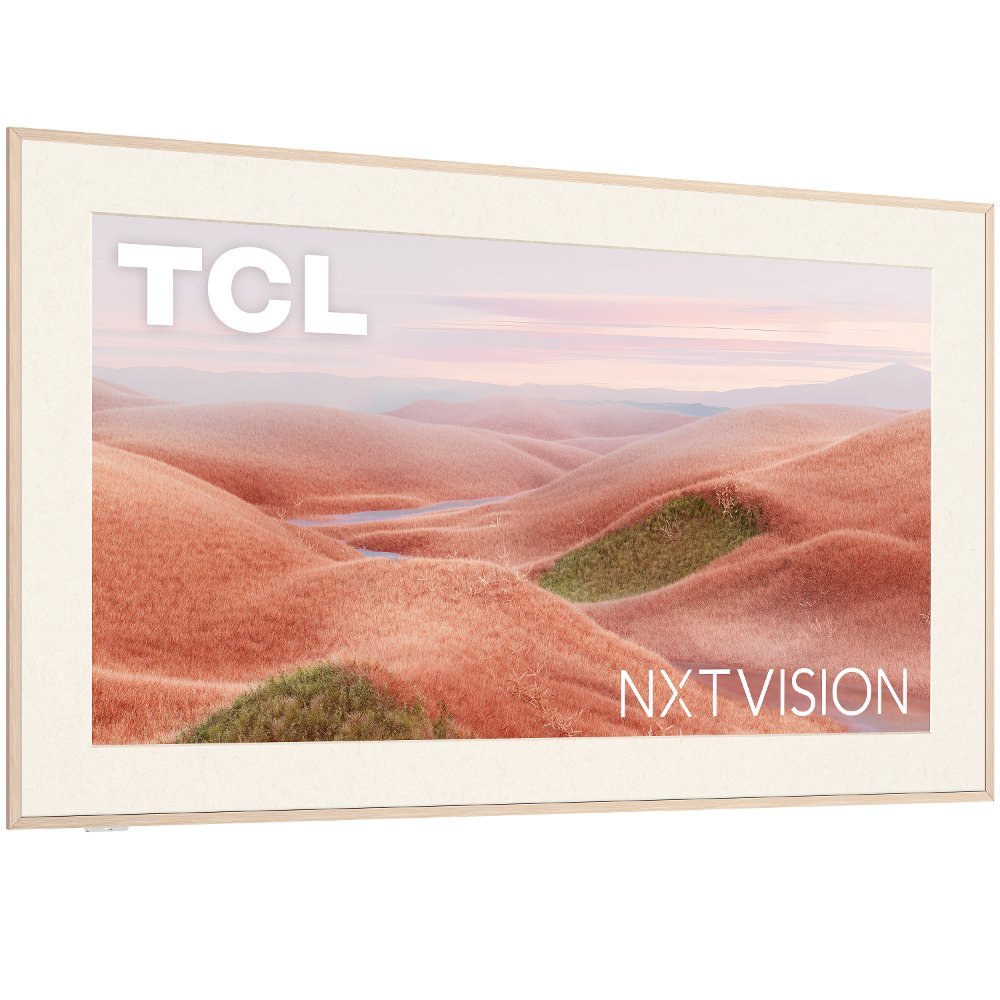
Art TVs are televisions designed to display artwork or photographs when you're not watching shows, helping a screen look more like a framed piece of art than a blank rectangle on the wall. Many combine a slim profile with a dedicated art mode, and some add a matte, anti-reflective screen, interchangeable bezels, or a close-fitting wall mount to complete the effect. Features vary, so the details matter: a television that displays a photo slideshow doesn't necessarily have the same finish, framing options, or light sensors as a display designed around artwork. The appeal is easy to picture in a living room where the sofa faces a carefully arranged wall, a bedroom with a calm, uncluttered feel, or a home office that also serves as a guest room. A landscape, abstract print, or family photograph can give that wall a purpose even between viewing sessions. Frame finishes help connect the screen with the rest of the room. A wood-look bezel can echo a console or bookcase, while a narrow dark border can sit comfortably beside black metal lighting and picture frames. Depending on the design, decorative bezels may use plastic, metal, or wood-based materials, with magnetic or other attachment systems. Look at the finish and attachment details rather than assuming every frame is solid wood or fits every screen. Proportions matter just as much as color. A large screen can anchor a spacious seating area, while a smaller display may feel more natural above a low cabinet or among other wall art. Consider the television's full dimensions with its bezel attached, not just the diagonal screen measurement. Painter's tape can help outline the footprint before installation, making it easier to judge the relationship between the screen, nearby furniture, and surrounding artwork. Leave enough visual breathing room that the display feels intentional rather than squeezed into the last open space. For everyday comfort, balance that arrangement with a viewing height that works from your favorite seat.

An art TV still needs to be a good television for the way you spend time at home. Screen resolution, contrast, brightness, viewing angles, and motion handling all affect the experience once the artwork gives way to a movie, a live game, or a favorite series. In a room with windows opposite the screen, an anti-reflective finish can help reduce distracting reflections, although no finish eliminates every reflection or makes placement irrelevant. Light-filtering shades and thoughtful positioning can make a noticeable difference. A matte surface can also soften the screen's appearance when artwork is displayed, but the result depends on room lighting, image quality, and display settings. Households that gather across a wide sectional should consider off-center picture quality, while frequent gamers may want a compatible refresh rate, low input lag, and the right HDMI connections for their equipment. Built-in streaming features and accessibility settings deserve attention, too, especially when several people will share the television. If display technology is another part of your comparison, QNED TVs are a related category to consider, though that designation alone doesn't indicate an art mode or a frame-style design. Sound is another practical detail: slim cabinets leave limited space for speakers, so a soundbar may suit a larger room or make dialogue easier to follow. Plan its placement alongside the visual design rather than treating it as an afterthought. Wall installation also takes more than choosing an attractive spot. Confirm the mount's compatibility, the wall's construction, and the support required for the television's weight. Some art TVs use a separate connection box, while others keep connections on the display itself. Either arrangement needs room for cables, ventilation, and access. A flush-looking installation may require professional help to coordinate mounting and a properly located outlet. Power cords shouldn't be routed inside a wall unless the system is specifically approved for that use; a clean appearance should never come at the expense of safe installation. Check whether the intended setup leaves space for the frame, connected devices, and any manufacturer-required clearances.

The artwork experience deserves the same attention as the entertainment features, because it's what makes an art TV feel at home when the remote is set down. Depending on the television, art mode may include a built-in selection of images, access to a gallery that requires a subscription, or the ability to upload personal photographs. Check those options before choosing, especially if the goal is to display family pictures without relying on an ongoing gallery membership. High-resolution images with the right proportions generally look more polished than small files stretched across a large screen. Digital mat borders can give a photograph breathing room, and a landscape-oriented composition often suits the screen more naturally than a tightly cropped portrait. Adjusting brightness and color temperature can help the artwork sit comfortably beside actual prints rather than glowing like a menu board. Automatic brightness adjustment, motion sensing, and scheduling are useful features where included, but their operation varies. Art mode still uses electricity, so review the power settings and choose when the display should switch off. For care, follow the manufacturer's instructions for the exact screen finish. A clean, dry microfiber cloth is often appropriate for light dust, while household glass cleaners, abrasive materials, direct sprays, and firm pressure can damage delicate surfaces or coatings. Decorative bezels need their own care, particularly around joints and attachment points, and the television still needs unobstructed ventilation. In a busy household, position furniture and play areas with accidental bumps in mind; a framed appearance doesn't make the screen impact-resistant. As a gift for a design-minded movie lover or someone furnishing a new home, an art TV is most thoughtful when screen size, mounting preferences, and connected devices are already understood. For your own space, the strongest choice brings those practical needs together with a look you enjoy every day: clear entertainment when it's time to watch, and an image that belongs in the room when it's not.
Read More

Frequently Asked Questions

Filter By