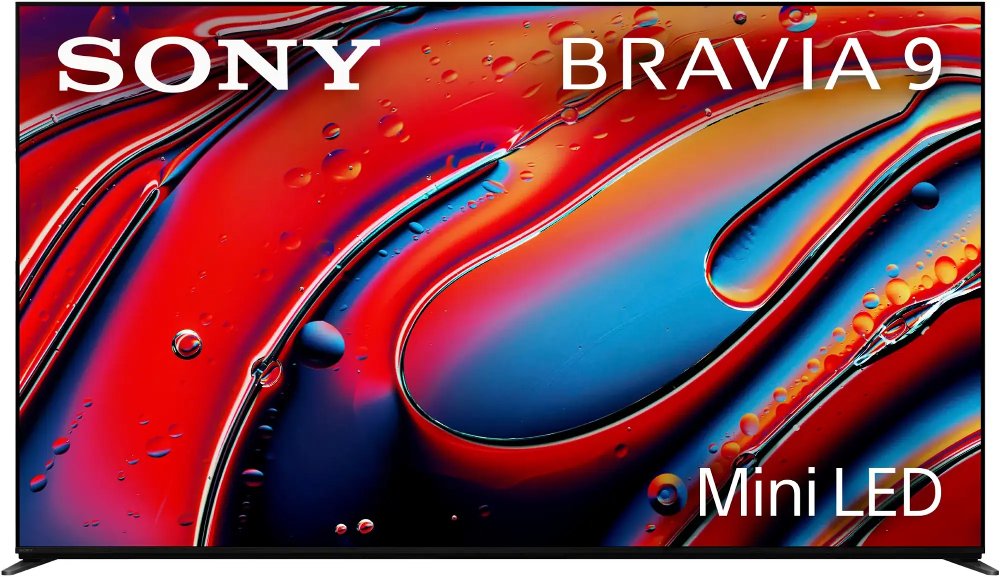
QNED TVs are premium LCD televisions designed to bring vivid color, strong brightness, and detailed 4K picture quality to everyday entertainment. The name generally refers to a display that combines quantum dot color technology with a NanoCell-style color-filtering layer, helping refine the light that reaches the screen for richer, more accurate colors. Many higher-end QNED TVs also use Mini LED backlighting, which places thousands of smaller LEDs behind the panel and groups them into local dimming zones. This allows the television to brighten highlights while dimming darker areas of the image, creating more convincing contrast than a standard LED TV. The result is a picture that can look especially lively during colorful movies, nature documentaries, live sports, and games with detailed environments. QNED TVs are also known for producing high brightness, making them a practical choice for family rooms with large windows, overhead lighting, or lighter-colored walls. They may not create the same absolute black levels as an OLED display, but their brightness, color volume, and resistance to concerns associated with static images make them appealing for households that watch a wide variety of content. When comparing options, look beyond the QNED label and review the details that shape the viewing experience: screen size, resolution, backlight type, local dimming performance, refresh rate, sound features, and smart-TV capabilities. A smaller screen may suit a bedroom, apartment, or compact media area, while a larger display can give movie nights and big-game gatherings a more immersive feel. Measure the wall or entertainment center before ordering, and remember to account for the stand width, viewing distance, and space for a soundbar or game console. A bright, open room may benefit from a higher brightness rating and an anti-reflective screen, while a dedicated media room may place greater value on contrast and black-level performance. For a helpful place to compare elevated home entertainment options, explore Premium TVs alongside QNED TVs.
A QNED TV can work well for a household that wants one screen to handle many different routines. A family might use it for animated movies in the afternoon, live sports during a weekend gathering, and streaming series after the house settles down for the evening. Someone who enjoys cooking can follow a recipe or watch a travel program from across a bright kitchen without losing sight of the picture, while a college student may use the same screen for streaming, casual gaming, video calls, and coursework. Picture-processing features can also make a difference when a television receives content from several sources. Many QNED models include processors that upscale lower-resolution programming to appear sharper on a 4K screen, smooth motion, and adjust picture or sound settings according to the content. Upscaling cannot create every detail that was absent from the original broadcast, but it can help older shows, DVDs, and standard-definition streams look more at home on a modern display. Smart-TV platforms typically provide access to popular streaming services, free ad-supported channels, voice controls, screen sharing, and other connected features, although available apps and functions vary by model and region. If gaming is part of the plan, check for a high refresh rate, low input lag, HDMI 2.1 connectivity, variable refresh rate, and compatibility with features such as FreeSync or other gaming-focused technologies. A refresh rate of up to 120Hz or 144Hz on selected models can make fast movement feel smoother, especially when paired with a compatible console or gaming computer. These specifications matter less for someone who primarily watches news and classic films, so matching features to real habits can be more useful than paying for every available upgrade. Audio deserves attention, too. Slim televisions often benefit from a soundbar or home theater system, particularly in a large room, though built-in speakers can be perfectly suitable for casual viewing in a bedroom or smaller living space. Reviewing the available connections is another practical step: count the devices you plan to connect, including a streaming player, console, cable box, Blu-ray player, antenna, or sound system, and make sure the television offers the ports and wireless support you need.
QNED TVs can also make thoughtful gifts for a new homeowner, a graduate furnishing a first apartment, or anyone turning an underused room into a comfortable place to relax. A screen for the guest room can give visitors an easy way to unwind, while a larger television can become the center of a basement, den, or shared family space during the cooler months. For a gift, screen size and room layout are usually safer considerations than guessing at a person’s favorite shows or games; a versatile model with an intuitive interface can adapt to changing interests over time. Think about how the recipient spends an ordinary evening. If they enjoy hosting, brightness, wide viewing angles, and clear motion may help guests see the picture from different seats. If they prefer quiet movie nights, strong contrast, accurate color, and convenient streaming access may matter more. If they play games regularly, prioritize refresh rate, response time, gaming modes, and compatible connections. Placement also shapes performance. Keep the screen away from direct sunlight when possible, position it at a comfortable eye level, and leave enough ventilation around the set. A wall mount can create a clean look and free up furniture, while a sturdy stand may offer easier access to connected devices and work better in a rental home. During the transition from bright afternoons to longer evenings, a QNED TV can bring color and energy to the living room without requiring a dedicated theater setup. With the right size, features, and placement, it can support everything from a quick morning news update to a carefully planned movie night, giving each person in the home a simple way to enjoy a more engaging picture.
Read More