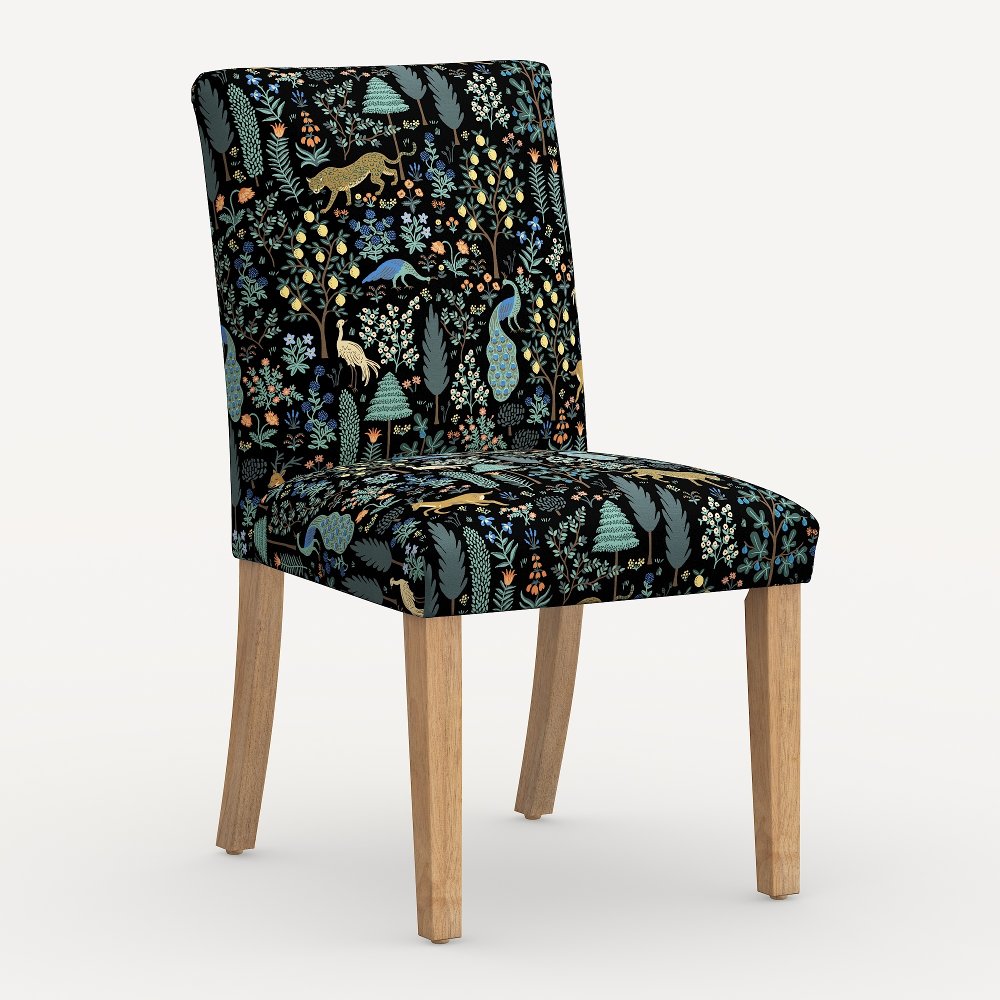
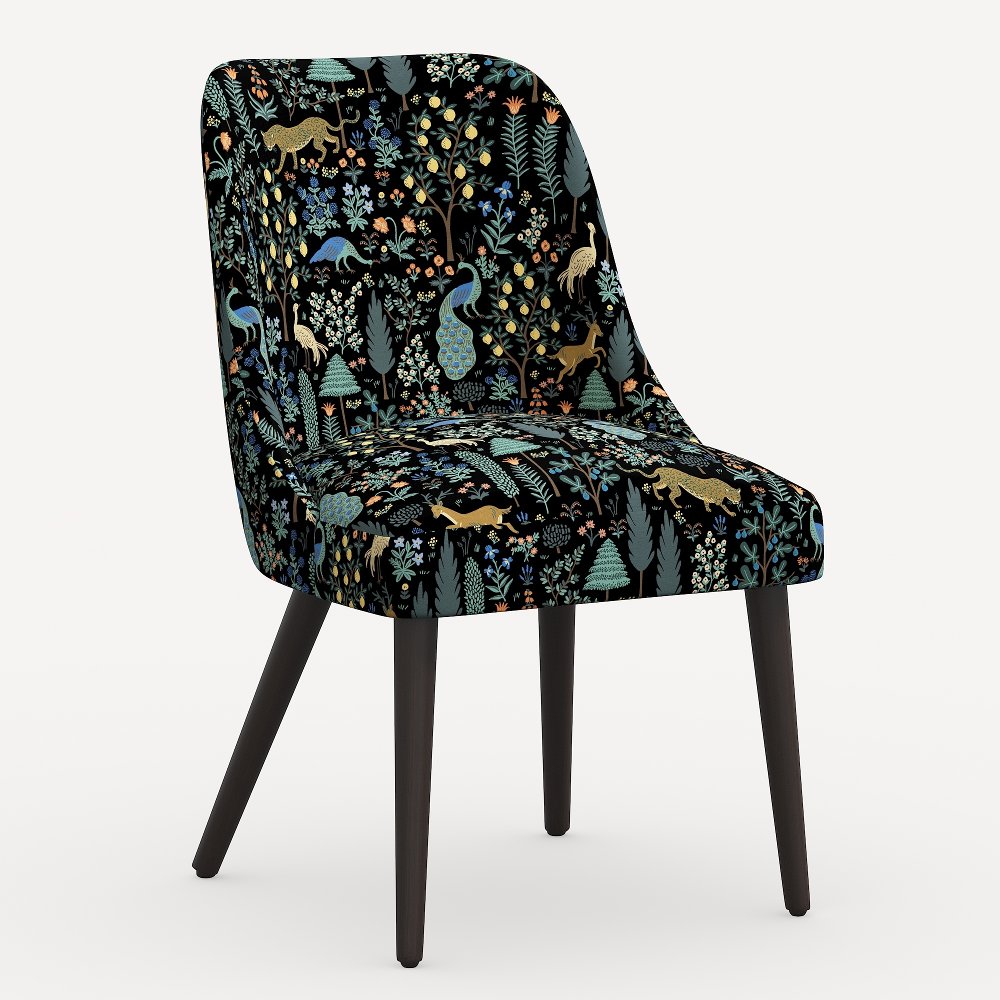
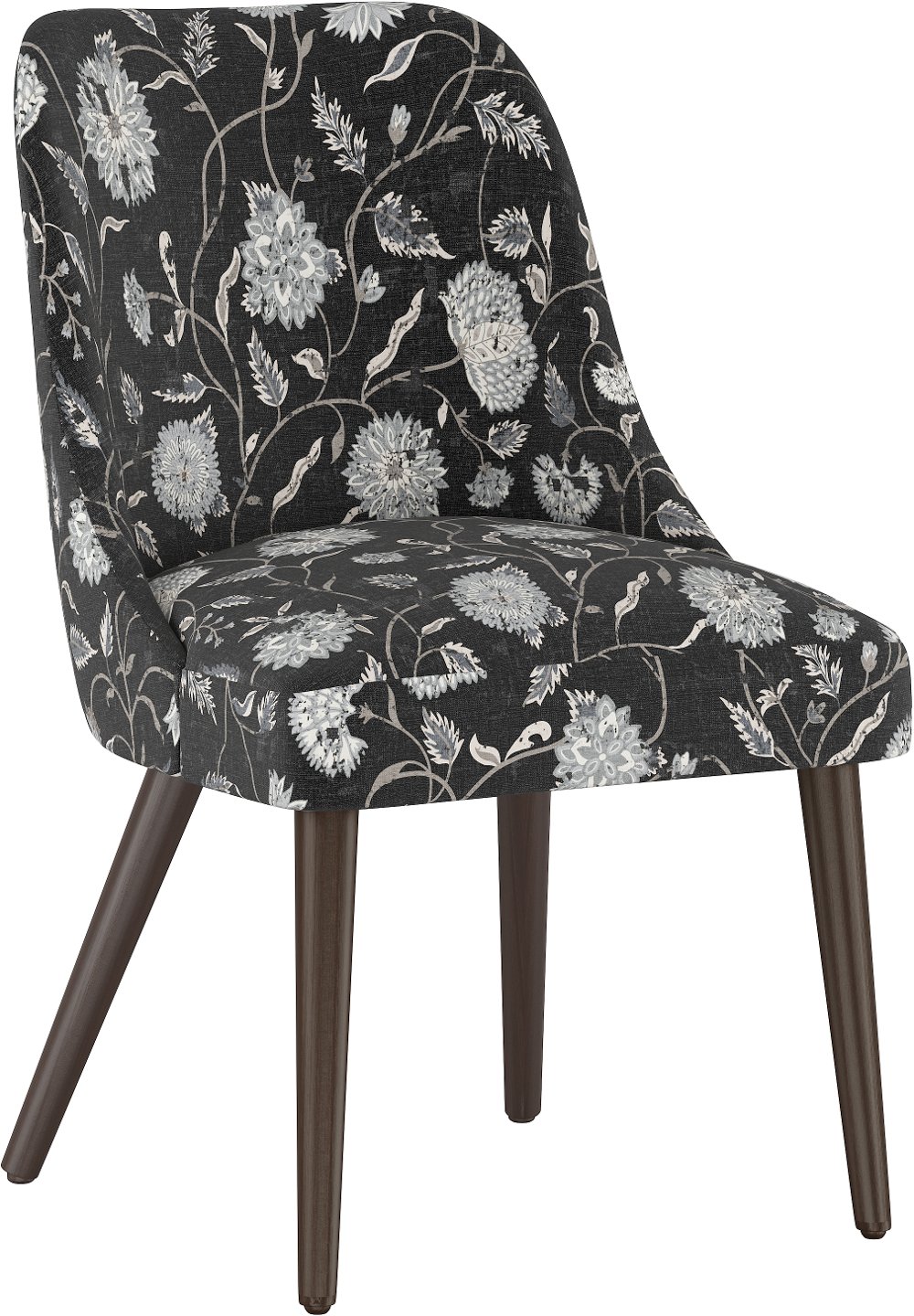
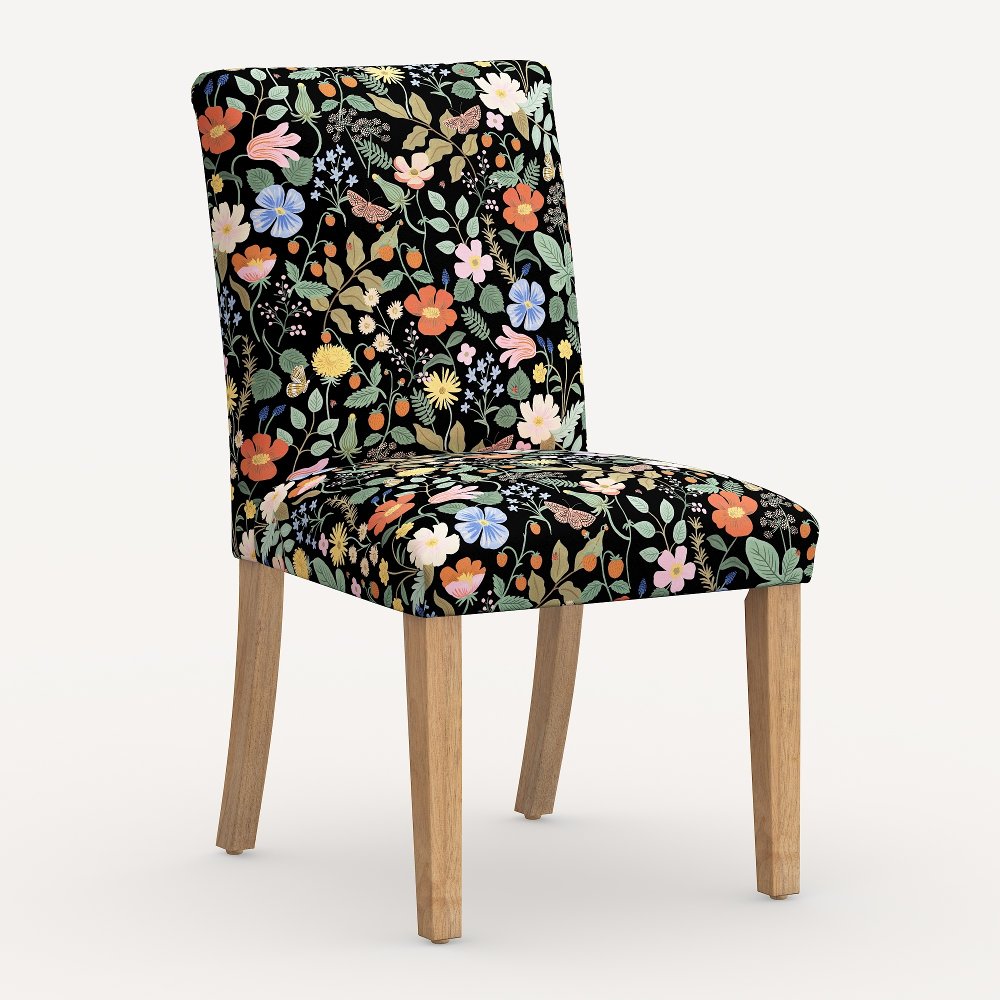
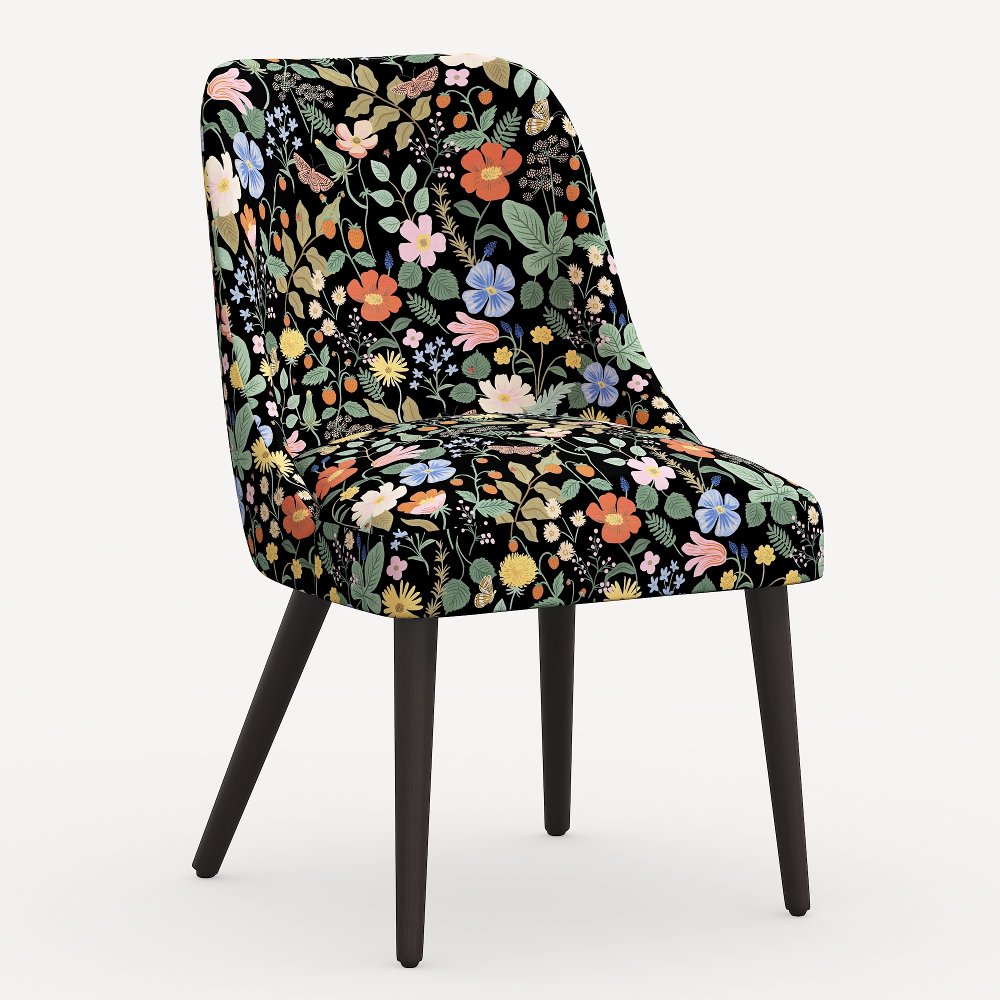
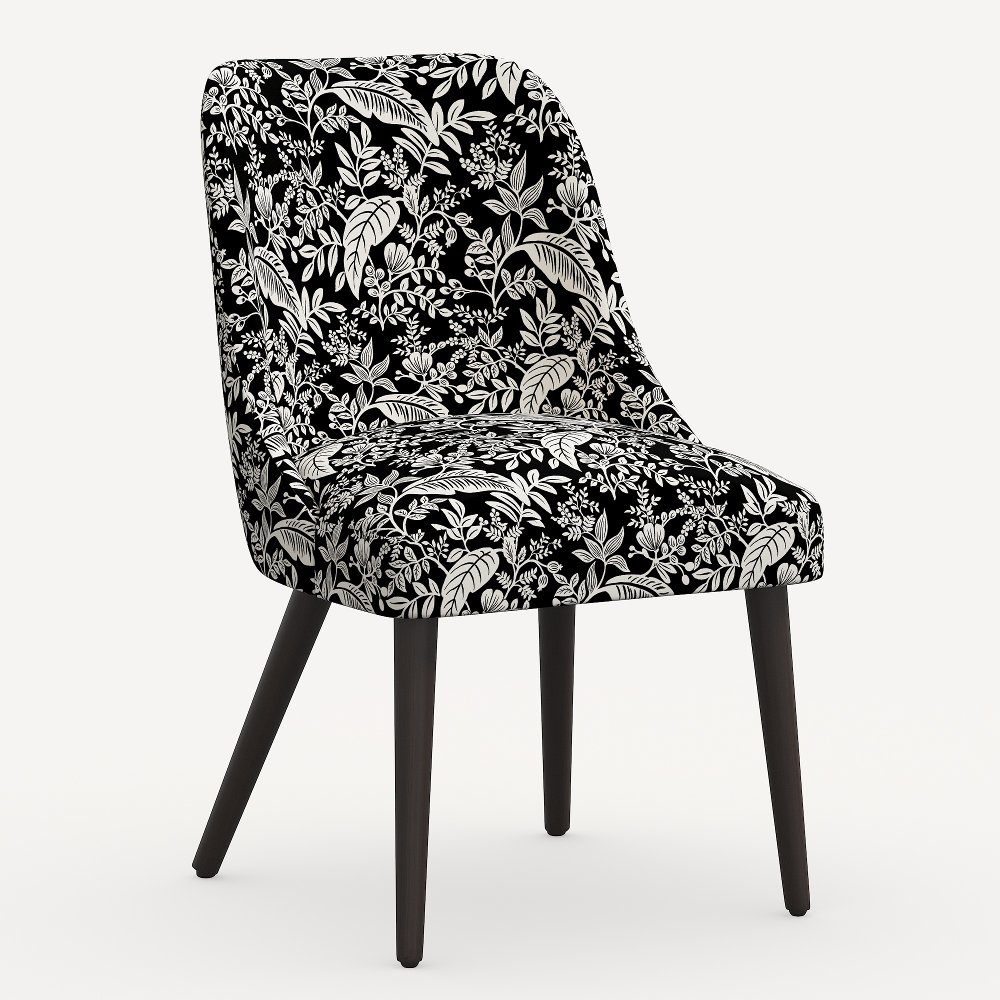
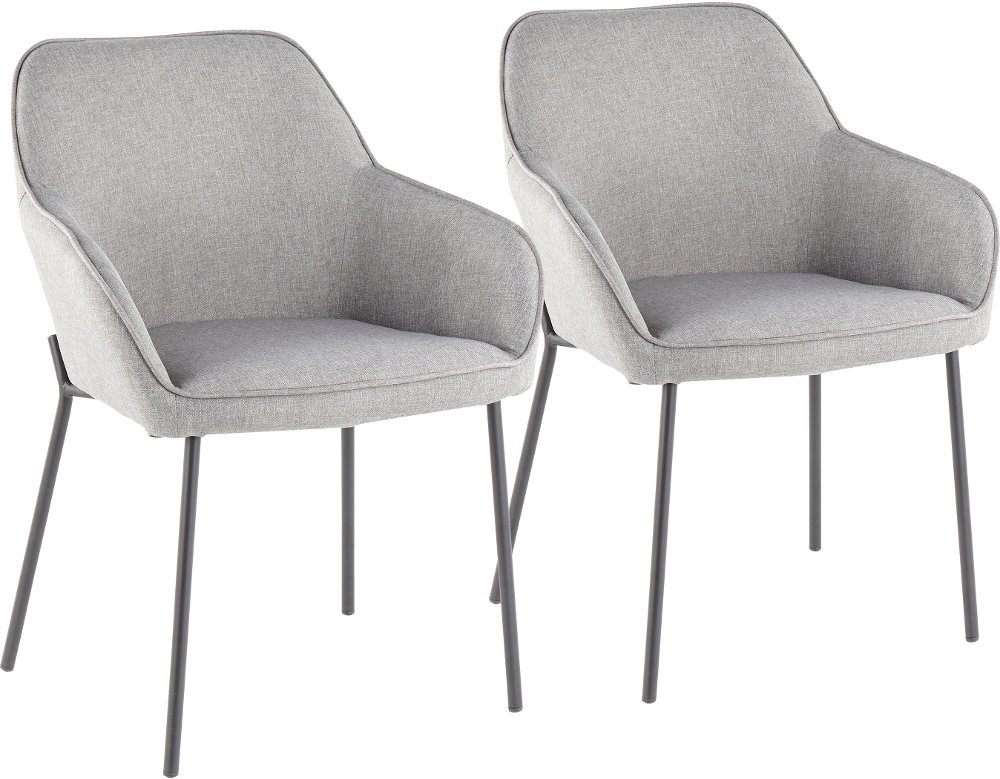
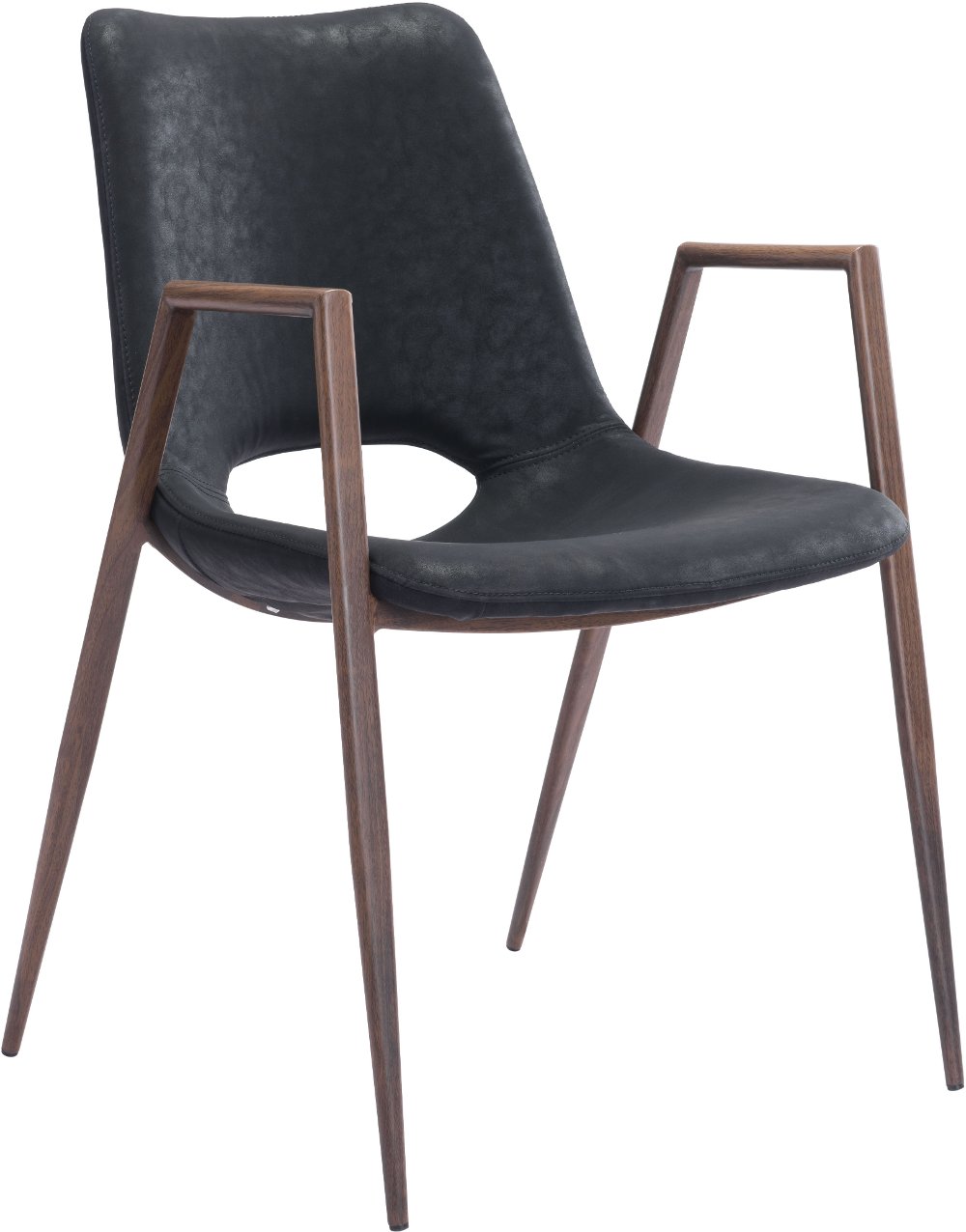
Black transitional dining chairs bring a balanced look to the table, combining the familiar warmth of traditional furniture with the cleaner lines of contemporary design. Their appeal is in that middle ground: a gently curved back without heavy ornament, a tailored upholstered seat above simple legs, or a subtle tapered profile that feels polished without making the room feel formal. Black gives those details definition. Around a light oak table, dark chairs create a clear contrast that lets the wood grain stand out; alongside walnut or another deeper finish, they contribute to a richer, more unified setting. They can also connect a dining area to black cabinet hardware, picture frames, or light fixtures elsewhere in an open floor plan without requiring every finish to match. That flexibility makes transitional dining chairs a comfortable choice for a first home, a refreshed breakfast nook, or a dining room that needs to work with furniture collected over time. A black finish can lean crisp and contemporary when paired with a simple rectangular table, yet feel classic beside a pedestal table with a softly shaped base. Upholstery adds another layer: light fabric offers contrast, charcoal creates a quieter combination, and textured neutrals can soften the overall effect. The silhouette matters just as much as the color. Open backs preserve sightlines in a smaller room, while taller upholstered backs give each place setting a more substantial presence. Repeating the same chair around the table creates visual order, but mixing coordinating side chairs with more generous seats at the ends can feel equally intentional. For a seating arrangement with a little more variation, black accent dining chairs offer another direction to consider alongside a transitional look. The strongest combinations share something recognizable, such as a similar back curve, leg shape, or upholstery tone, while leaving room for the details that make your dining space feel personal.
Materials influence how black transitional dining chairs look, feel, and hold up to everyday routines. Wood frames often suit the style especially well because they support both straightforward lines and gentle shaping. A black stain may allow some grain to remain visible, while an opaque painted finish generally creates a more uniform surface. Sheen changes the impression, too: a matte finish feels understated, while a more reflective finish draws attention to curves and edges. Solid wood components, wood veneers, and engineered wood can serve different purposes within a chair’s construction, so the material description is worth reading as a whole rather than judging durability by appearance alone. Metal frames bring a slimmer profile and can work nicely in transitional rooms when their lines are restrained rather than strongly industrial. Frame joints, secure hardware, and the chair’s stated weight capacity all matter to everyday performance. For seating comfort, an upholstered chair offers cushioning during a long dinner or an evening spent helping with homework at the table. A shaped wood seat can provide a supportive, easy-to-wipe alternative, especially in a breakfast area that sees frequent use. Fabric upholstery varies in texture and maintenance needs; a tight weave may be practical for regular dining, but stain resistance depends on the specific fabric and any treatment it has received. Performance upholstery can be useful in busy households, though the manufacturer’s care instructions still determine how spills should be handled. Leather and synthetic upholstery have distinct care requirements, even when their surfaces look similar. Padding also deserves attention beyond the first soft impression. A seat that feels comfortably supportive, with a back angle that suits your posture, is often more useful for lingering at the table than cushioning that simply feels plush. In homes where dining chairs double as occasional seating for conversation or a puzzle, that combination of support, manageable weight, and a comfortable back can make them particularly versatile.
A good fit helps these chairs feel at home in your room, not just coordinated with your table. Many standard-height dining arrangements work well with roughly 10 to 12 inches between the top of the seat and the underside of the tabletop, but a table apron can reduce usable thigh space. Upholstery may compress when someone sits down, and armrests introduce another measurement: their height needs to clear the underside if you want the chair to tuck in fully. Chair width matters when setting places side by side, particularly around tables with legs positioned near the corners. Allowing about 24 inches of table edge per person is a useful starting point, with additional room for wider chairs or armchairs. A compact armless silhouette can make everyday seating easier in a small dining area, while a broader seat may better suit someone who values extra room. Beyond the table, roughly 36 inches of clearance to a wall or other furniture generally gives diners space to pull a chair out; a walkway behind occupied chairs benefits from more room. Those proportions affect everyday moments, from carrying a serving bowl past the table to getting up without asking another person to move. Care is another part of choosing seating that fits your routine. Black finishes can make pale crumbs, dust, and surface scuffs noticeable, so regular attention with a soft cloth helps preserve their appearance. Abrasive scrubbers and cleaners that aren't approved for the finish can dull or damage the surface. Upholstered seats benefit from gentle vacuuming as directed, and spills are best blotted promptly rather than rubbed into the fabric. Cleaning codes and manufacturer instructions should guide any spot treatment, especially on textured upholstery or leather. Floor protectors suited to your flooring can help reduce marks and scraping sounds, while periodic hardware checks can address loosening from repeated movement. Chairs intended for indoor dining should stay in the spaces they were designed for. With proportions that suit your table, materials that match your maintenance preferences, and a shape that feels comfortable through everyday meals, black transitional dining chairs can give your dining area lasting visual balance without asking you to redesign everything around them.
Read More