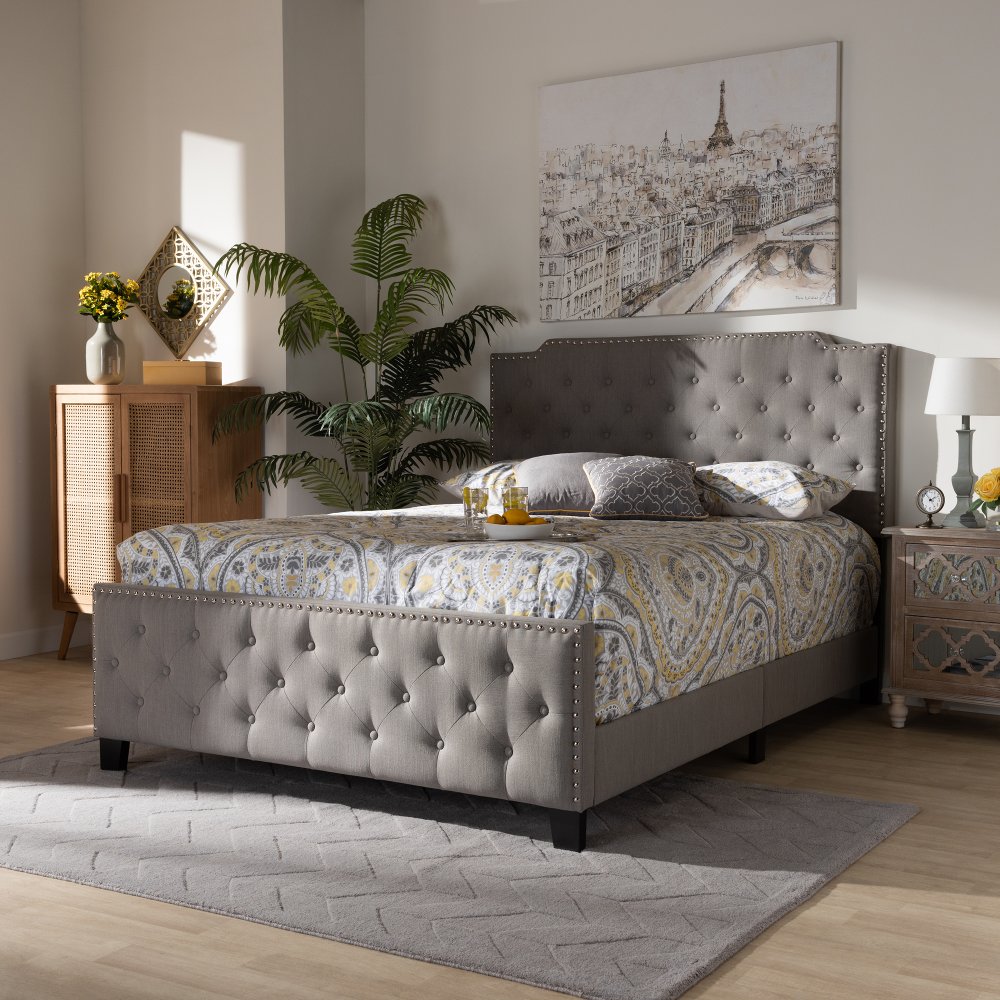
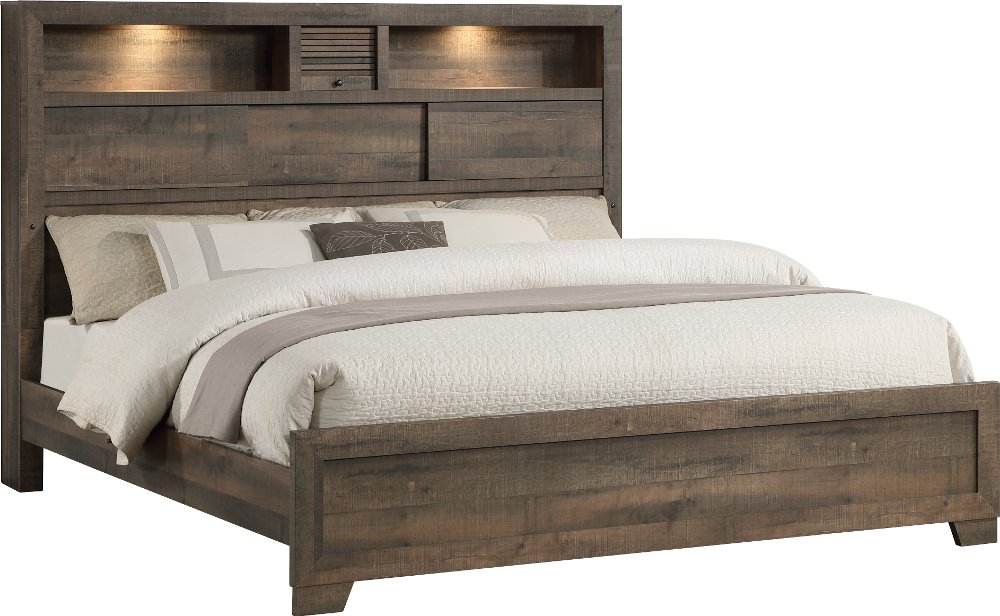
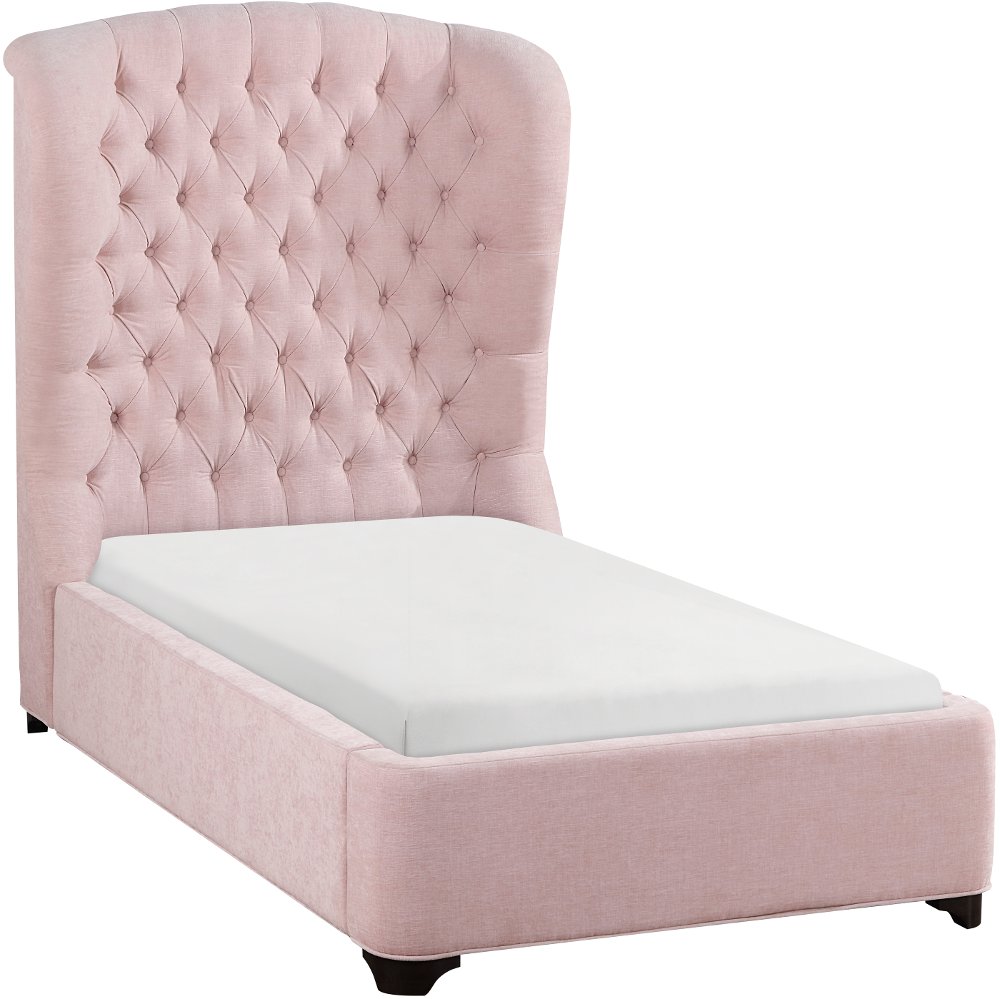
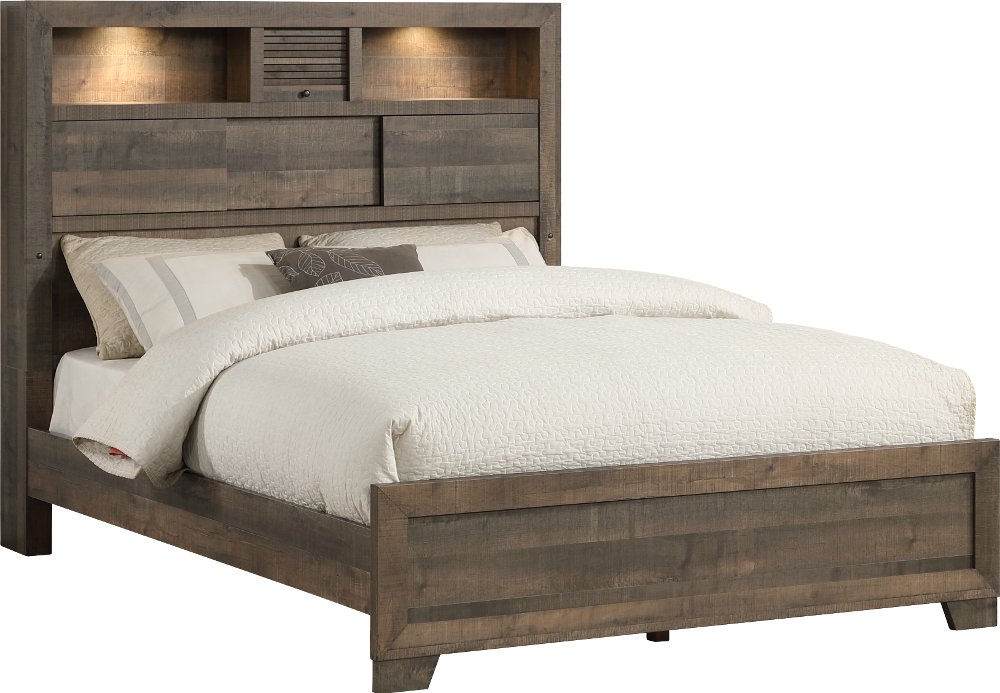
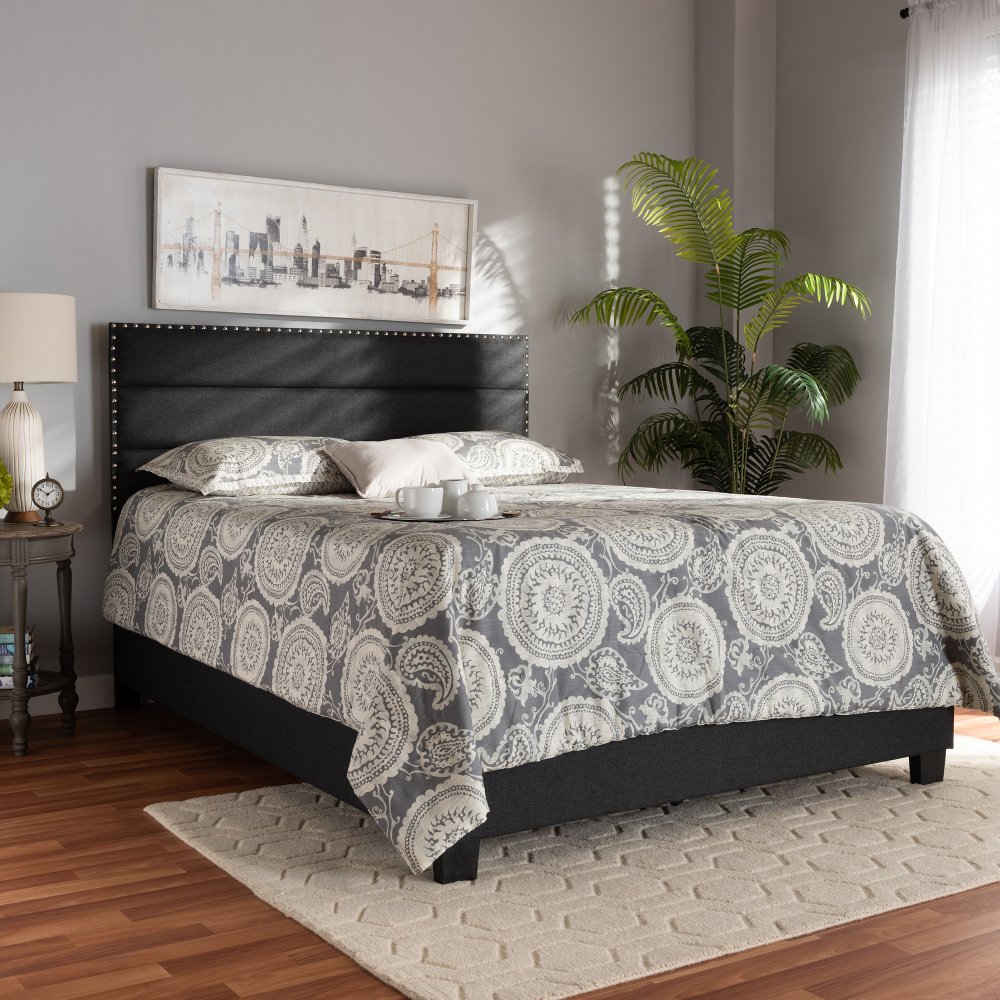
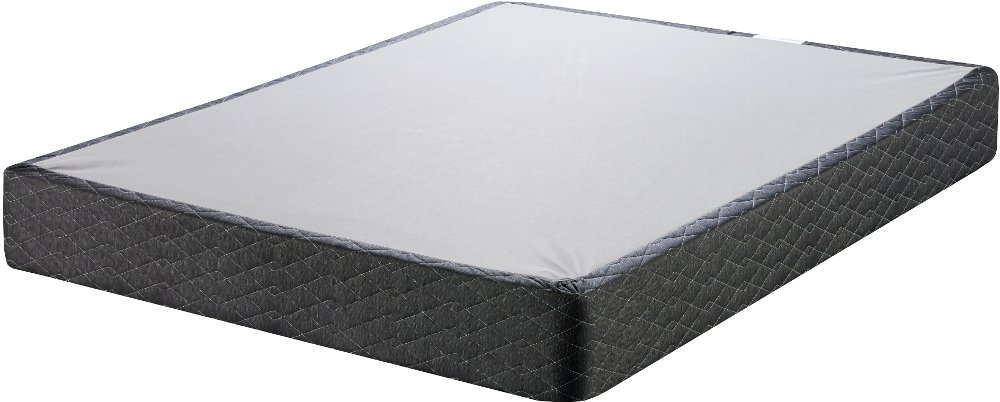
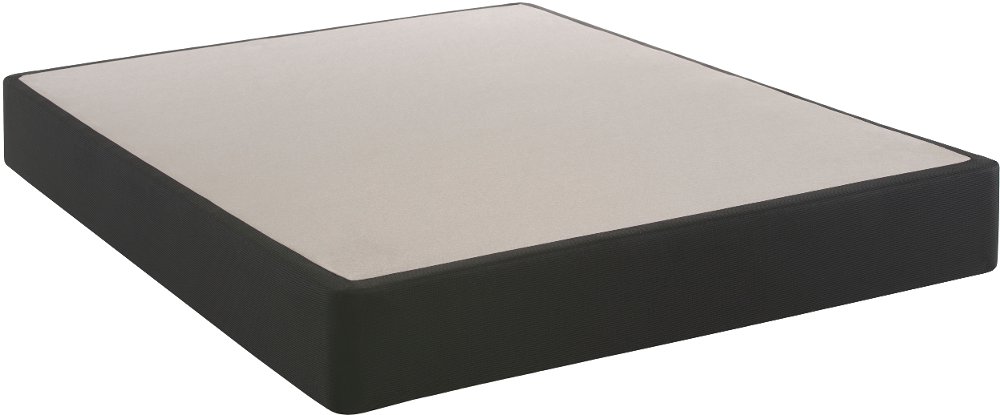
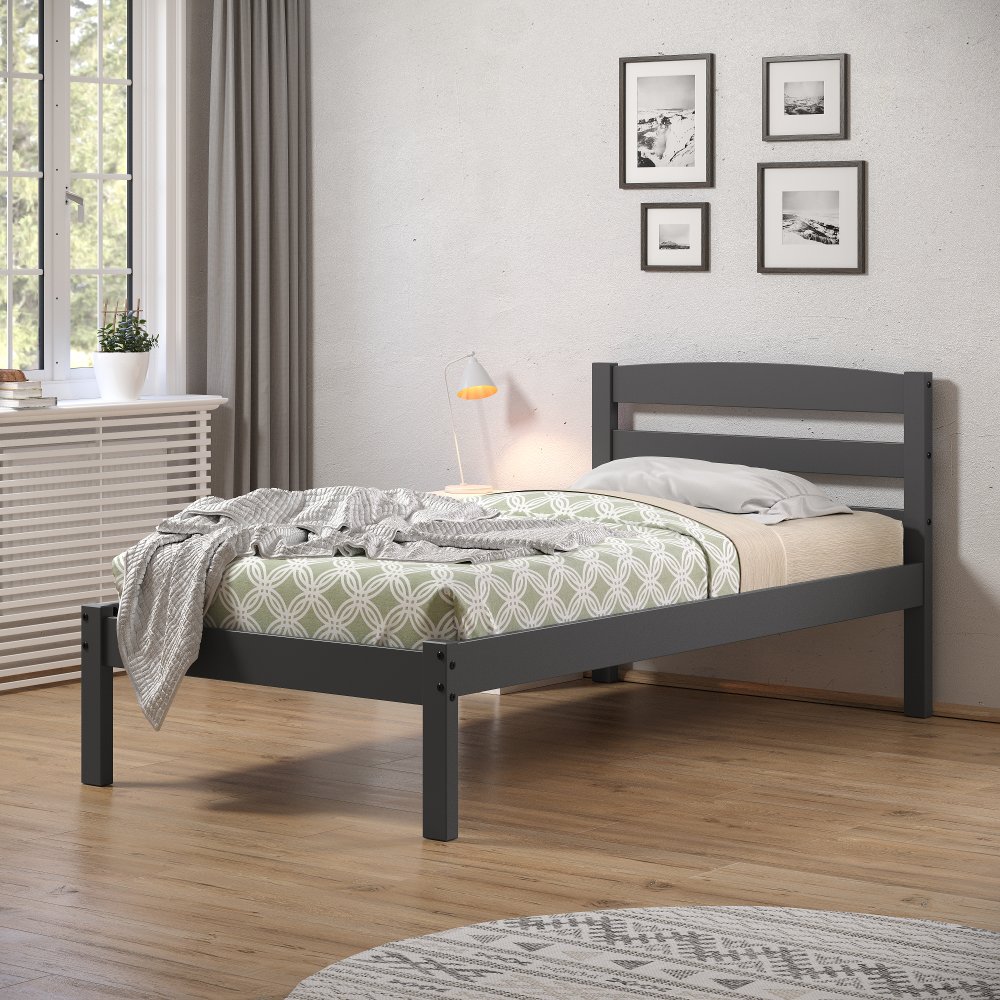
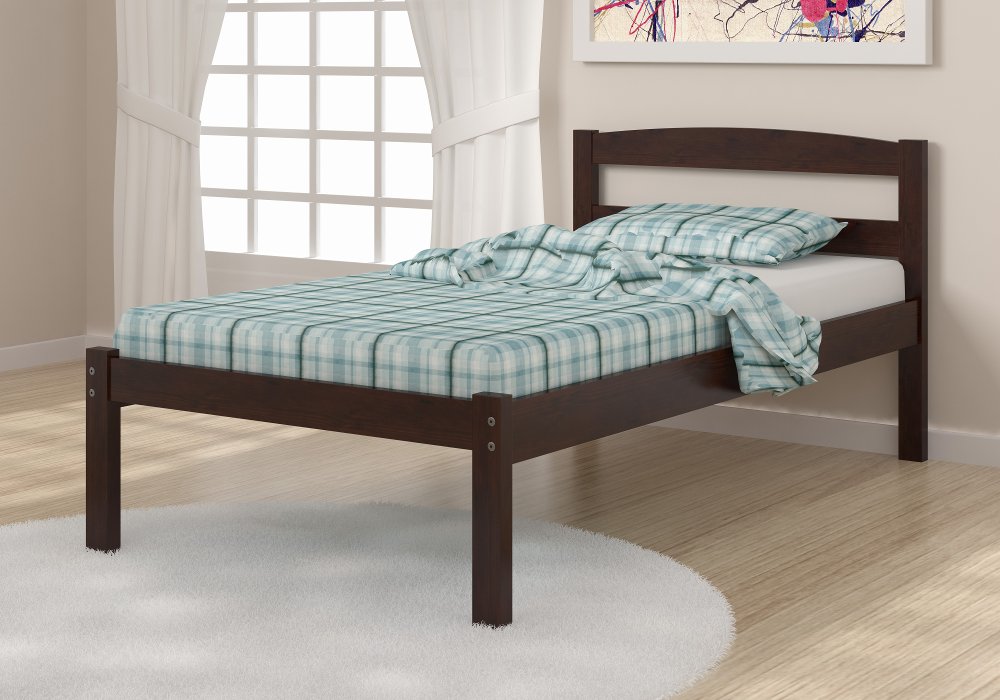
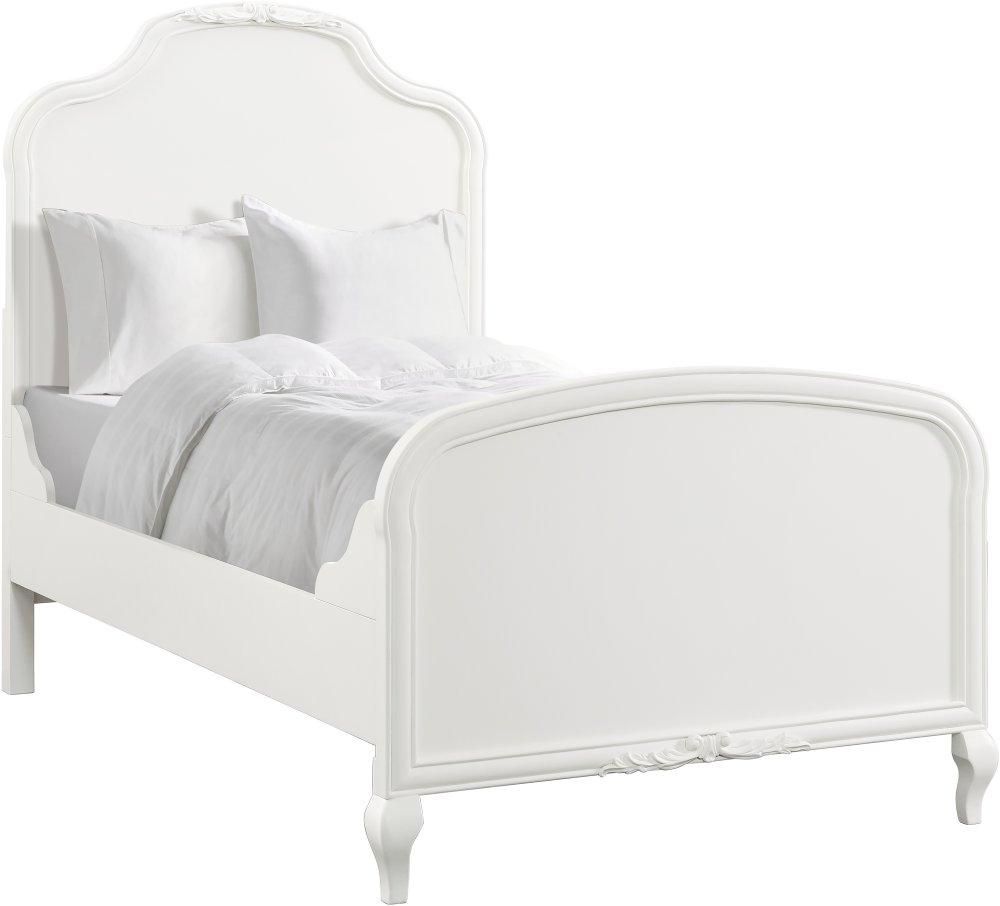
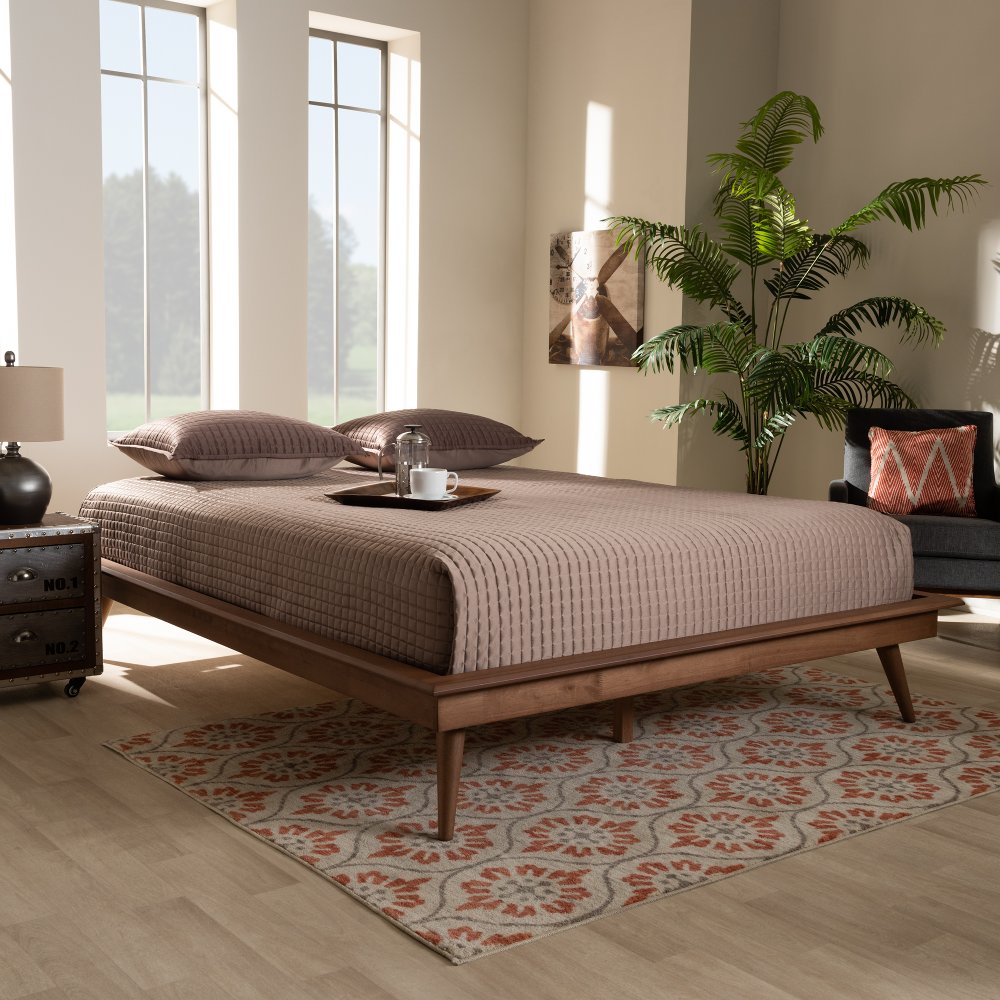
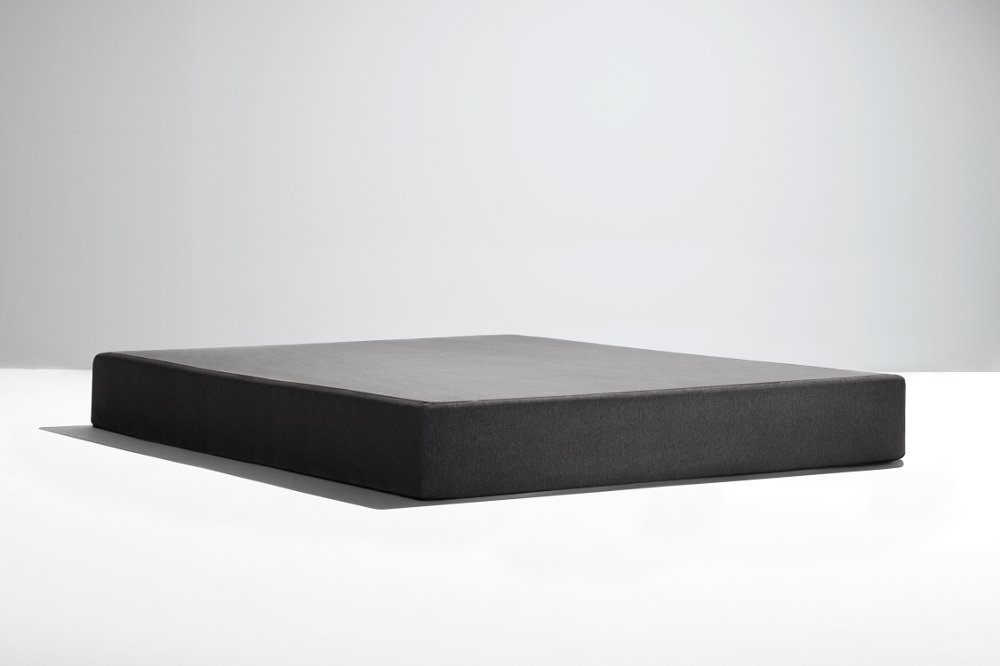
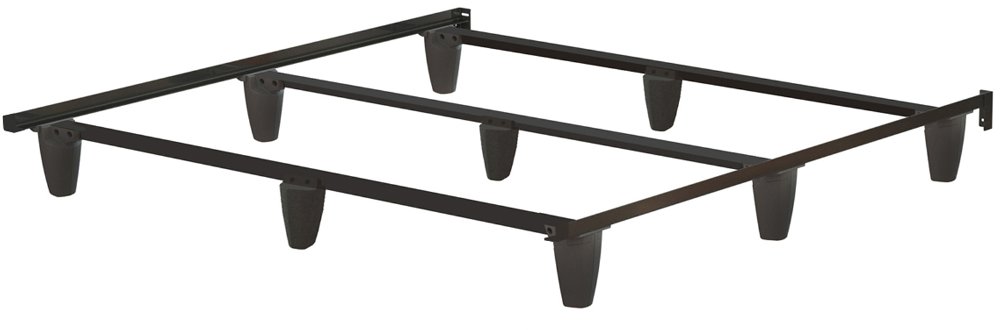
When a bed is labeled “box spring required,” it’s designed to work with a separate box spring or foundation that sits between the bed frame and mattress. Unlike a platform bed with closely spaced slats or a solid deck, these beds may use side rails and a few center supports without providing a complete surface for the mattress. The box spring fills that role by distributing weight, adding a firm layer of support, and helping the mattress sit at a comfortable height. Traditional metal bed frames are a familiar example. They typically support the box spring around its outer edges, leaving open space beneath it, so placing a mattress directly on the frame may lead to uneven support or unwanted sagging. Some panel and upholstered beds also require a box spring when their design includes decorative rails and a headboard but lacks a full slat system. Older or antique-style bed frames may have been built with this arrangement in mind as well. Choosing from beds in this category can be a practical way to create a classic bedroom setup while keeping the look simple, familiar, and easy to coordinate with the rest of your furnishings. A box spring can also add useful height, which makes getting in and out of bed more comfortable for many sleepers and creates extra room beneath the bed for storage when the frame allows it.
Before selecting a bed, match the frame, foundation, and mattress as a complete set. Start by checking the mattress size—twin, full, queen, king, or another size—and make sure the box spring uses the same dimensions. A foundation that is too small can leave edges unsupported, while one that is too large may not sit securely within the frame. It’s also worth confirming whether the bed requires a standard-height box spring or a low-profile foundation. A standard foundation can create a taller, more traditional silhouette, while a low-profile option leaves more visual space around a tall headboard and can make it easier to get into bed. Pay close attention to the frame’s center support, legs, weight capacity, and assembly requirements, especially for larger beds. A queen or king setup generally needs dependable center support to help prevent movement and protect the foundation over time. Your mattress construction matters, too. Innerspring mattresses are commonly paired with box springs, but compatibility varies by manufacturer. Memory foam and latex mattresses often perform best on a solid foundation or a platform with closely spaced slats, and some hybrids have specific support requirements. If you already own a mattress, review its care instructions before purchasing a box spring required bed. If you’re buying the mattress and bed together, use the listed support requirements as your starting point. This small bit of planning can help prevent an uncomfortable mismatch and make the finished bedroom feel sturdy from the first night.
Box spring required beds can suit bedrooms that call for a timeless profile, a dependable metal base, or the finished look of a headboard and side rails without a built-in platform. They’re useful in guest rooms, primary bedrooms, children’s rooms, and furnished spaces where a familiar bed height and straightforward setup are priorities. A guest room with this style of bed can feel welcoming without becoming overly formal; add a supportive mattress, soft bedding, and a bedside table, and visitors have a comfortable place to settle in during cooler months. These beds can also be a thoughtful housewarming or newlywed gift when you know the recipient’s mattress size and bedroom style, though a box spring and compatible mattress may need to be included in the overall plan. In a child’s room or a first apartment, a basic frame paired with a foundation can provide a practical foundation for sleep while leaving plenty of room to personalize the space with bedding, lighting, and storage. For shoppers who prefer a different construction, Spring Bed Frames may offer another direction, depending on the mattress and the type of support needed. Keep the surrounding space in mind as well: measure doorways, stairways, and the bedroom before delivery, and allow enough clearance for drawers, doors, and walking paths. During the cooler seasons, a comfortable, well-supported bed becomes the place where the day winds down, whether you’re hosting overnight guests, refreshing a family bedroom, or creating a restful retreat of your own.
Read More