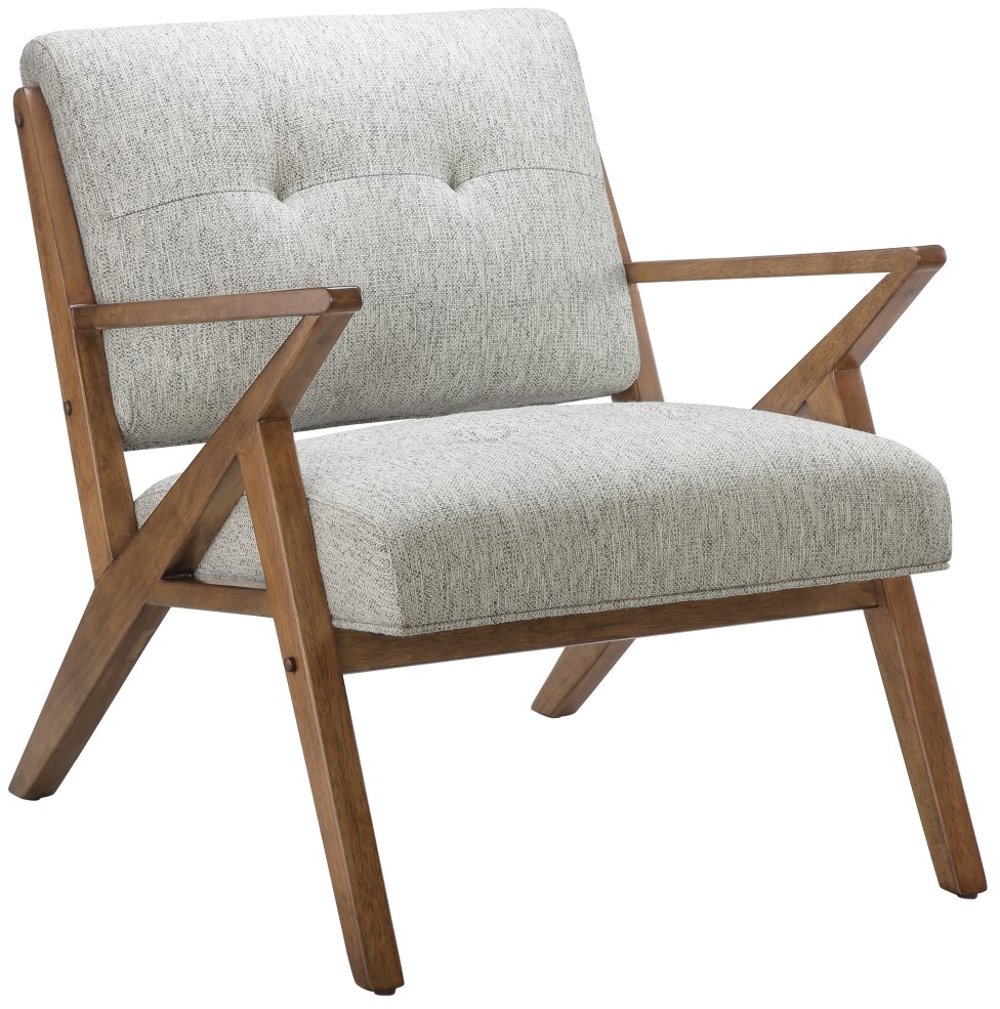
Button tufted chairs give a room texture and character without relying on a bold print or an oversized silhouette. Their distinctive upholstery comes from buttons that draw the fabric or leather inward, creating recessed points and a pattern of soft folds. Depending on the design, the tufting may form diamonds, squares, or a simple row across the backrest. Deep tufting creates a more sculpted, traditional look, while shallow tufting can feel subtle and contemporary. That range makes these chairs at home in many settings, from a living room with rolled-arm seating and wood tables to a bedroom with clean lines and a quiet color palette. A high-backed chair beside a bookcase can establish a comfortable reading spot, while a pair of compact accent chairs can turn an unused stretch of wall into a place for conversation. In an open living area, two matching chairs across from a sofa help define the seating arrangement without adding another large piece of furniture. The surrounding details influence the overall impression as much as the tufting itself. Turned wood legs and curved arms lean classic; tapered legs and a streamlined frame feel lighter and more tailored. Nailhead trim adds definition, while a plain upholstered edge keeps attention on the button pattern. Color offers another way to make the chair feel connected to your home. A cream, gray, or warm brown chair can sit comfortably alongside patterned rugs and colorful artwork. Rich blue or green upholstery can become a focal point against simpler furnishings. For a coordinated room that doesn’t feel overly matched, repeat one element, such as the leg finish or an upholstery color, rather than every detail. A button tufted accent chair is especially useful when your existing sofa has a smooth back: the contrast adds visual interest while keeping the room easy to live in.
Comfort depends on more than the appearance of a generously padded back. Seat height, seat depth, arm placement, and cushion firmness all affect how a button tufted chair feels during everyday use. A deep seat may suit someone who likes to curl up with a book, while a shallower seat can make it easier to sit upright with feet resting on the floor. Taller users may appreciate extra back height, but the shape and placement of the padding matter, too. If the chair will be a favorite place for long conversations or reading, notice where the back supports your body and whether the arms rest comfortably beneath your elbows. Button tufting can create a firmer, more structured backrest; it doesn’t automatically mean a chair will feel plush. When possible, sit in a chair as you would at home rather than judging comfort from a quick touch of the cushion. Fit matters beyond the seat itself. Measure the space with nearby tables, door swings, and walking routes in mind, and use painter’s tape to outline the chair’s footprint on the floor. Broad arms can make a chair look substantial while leaving less usable seat width than expected. In a small bedroom, a narrower silhouette may leave enough room to open dresser drawers and move easily around the bed. A living room chair needs enough clearance for someone to pass without brushing against knees or a side table. For a reading corner, leave space for a lamp and a surface within easy reach of the seat. If putting your feet up is part of the plan, button tufted ottomans can complement the chair’s detailing while adding a separate footrest. Compare the ottoman’s height with the chair’s seat height, and allow room to move around both pieces. Where construction details are provided, look for information about frame materials, reinforced joints, cushion fill, and seat support. A chair used daily benefits from sturdy construction and cushions suited to repeated use; tufting alone isn’t a measure of durability.
Upholstery helps determine both the look of a button tufted chair and how comfortably it fits your household’s routines. Linen and linen-look fabrics offer a relaxed, textured appearance, though fiber content and weave affect how they resist wrinkling, snagging, and stains. Velvet gives tufting extra depth because its pile catches light differently across the folds. It can also show shading or pressure marks where someone sits or brushes a hand across the surface, so that changing appearance is worth considering before choosing it for a frequently used chair. Leather brings a different character, with natural variation and wear that depend on the leather type and finish. Protected leather may be easier to wipe clean than more absorbent finishes, but every chair still needs care suited to its upholstery. Faux leather can provide a similar visual effect, although its composition, maintenance needs, and aging characteristics differ from genuine leather. For homes with children or pets, consider tightly woven upholstery and review any stated performance features carefully. “Performance” doesn’t mean a material is immune to spills, scratches, or everyday wear, and a textured fabric may catch claws even when it feels substantial. Removable cushions can make it easier to reach crumbs, but removable covers aren’t necessarily machine washable. Follow the manufacturer’s instructions and upholstery cleaning code before applying water, solvent, or a cleaning product. Routine care is particularly important around tufted details, where dust and lint can settle into the folds. Gently vacuum with an upholstery attachment, taking care not to pull at the buttons or their threads. Blot spills promptly rather than rubbing them farther into the fabric, and test permitted cleaners in an inconspicuous area first. Avoid lifting or moving a chair by its buttons, trim, or loose cushions; support it by the frame according to its handling instructions. Keeping upholstery away from prolonged direct sunlight and heat sources can help reduce fading or drying. With a size that suits your space, a seat that supports the way you relax, and a material you’re comfortable maintaining, a button tufted chair can become much more than a decorative finishing touch. It can be the seat guests naturally choose or the familiar corner where you settle in at the end of the day.
Read More