Comfortable Bed Sheets

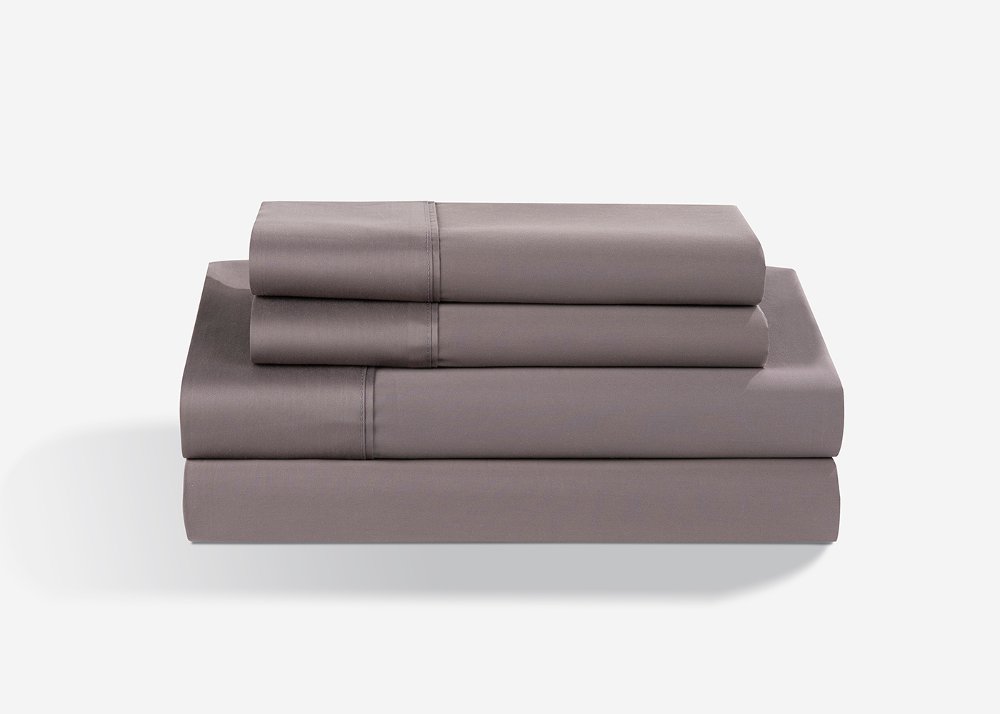
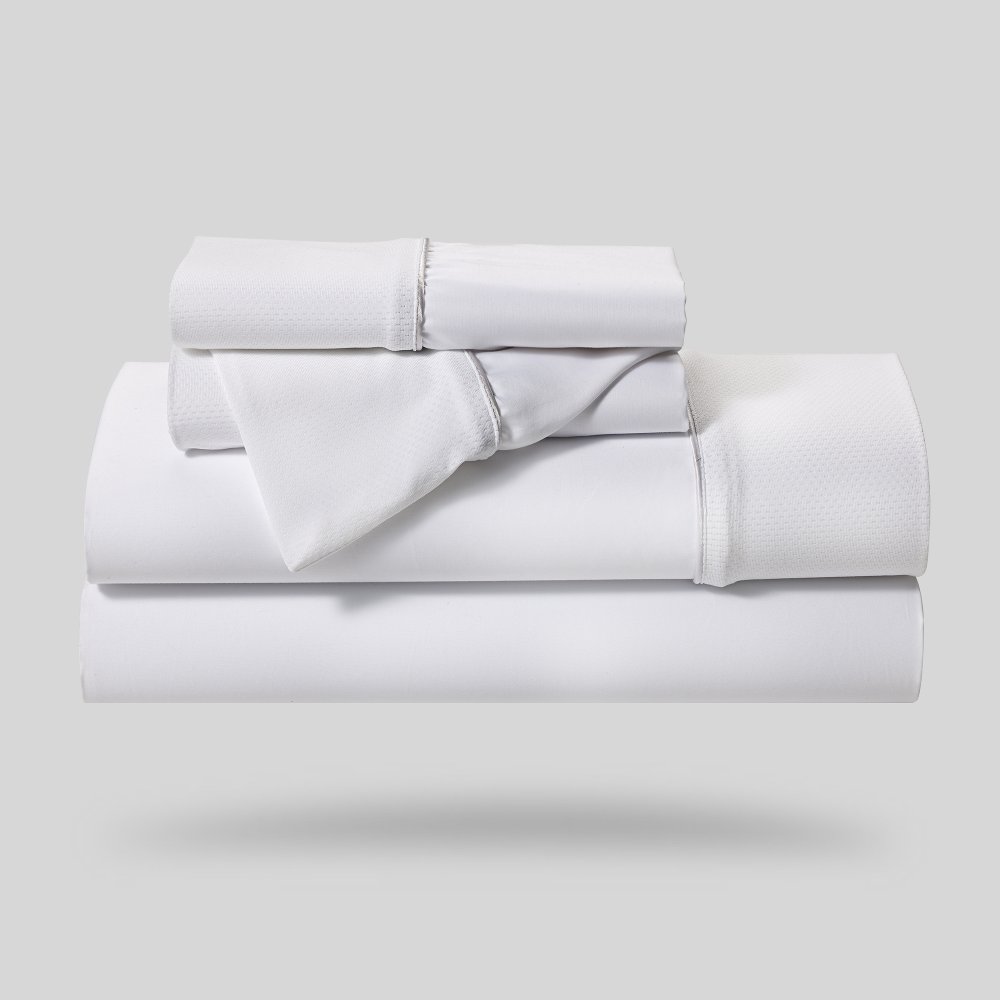
Find comfortable bed sheets that suit how you like to sleep. Browse RC Willey’s selection and compare the listed sizes, fabric details, and care instructions. Check mattress-fit information, too, to help you choose sheets that fit your bed and work with your everyday routine.
Read More
Sort by:

Comfortable Bed Sheets

Comfortable bed sheets start with a feel you look forward to at the end of the day: crisp and smooth, soft and stretchy, or relaxed with a little natural texture. The most comfortable choice depends on the fabric, how it’s made, and how you like your bed to feel. Cotton is a familiar favorite because it combines softness, breathability, and practical everyday care. Within that fabric family, the weave makes a noticeable difference. Cotton percale has a balanced, one-over-one-under weave that creates a crisp, matte surface, while cotton sateen uses a weave with more exposed threads for a smoother drape and subtle sheen. Exploring cotton sheets can help you find the texture that suits your routine, whether you enjoy the freshly made feel of a hotel bed or something softer and more fluid against your skin. Longer cotton fibers can contribute to smoother yarns and lasting strength, though fiber quality, construction, and care all affect the finished fabric. Linen offers a more textured surface and an easygoing, naturally rumpled appearance, often becoming softer with repeated laundering. Jersey-knit sheets have the flexible, familiar feel of a well-loved T-shirt, making them appealing to anyone who prefers a little give rather than a crisp finish. Microfiber sheets typically have a fine, smooth surface and resist wrinkling, although their feel and breathability vary with construction. Sheets described as bamboo often contain viscose or rayon made from bamboo, so the fiber-content label gives a clearer picture than the name alone. Thread count is another detail worth putting in perspective: it describes the number of threads per square inch in woven fabric, not an overall comfort score. A higher number doesn’t automatically mean softer, stronger, or more comfortable sheets. The combination of fiber, yarn quality, weave, and finishing matters more than a single impressive number. A fabric that feels pleasantly substantial to one person may feel too weighty to another, so texture and drape deserve as much attention as the label.

A comfortable sheet set also needs to fit the bed you actually sleep on, including any mattress topper or pad. Mattress size is only part of that fit. Depth matters because a fitted sheet that barely reaches the corners can pull loose when you turn over, while one with too much extra fabric may bunch beneath you. Measuring from the top of the sleeping surface to the bottom edge of the mattress gives you a useful starting point; the fitted sheet’s stated pocket depth and recommended mattress range help confirm the match. Deep-pocket sheets are designed to accommodate greater mattress depth, but the term isn’t standardized, so the measurements are more helpful than the description alone. Elastic placement and corner construction also influence how securely a fitted sheet stays in place. Twin and twin XL mattresses differ in length, and standard king and California king mattresses have different proportions, making the exact size important for both everyday use and gifting. Split mattresses may require separate fitted sheets even when the bed shares a flat sheet. Pillowcase dimensions deserve a look, too, especially when standard, queen, and king pillows share the same bed. Beyond measurements, the right arrangement depends on your habits. A flat sheet provides a separate layer between you and a blanket or comforter, while some sleepers prefer the simpler feel of a fitted sheet with a washable duvet cover. Set contents vary, so checking which pieces are included helps each layer serve a purpose. For a child’s room, a guest room, or a frequently used primary bedroom, easy-care fabric and a secure fit can matter as much as softness. Color and pattern shape the experience without changing the fabric itself: quiet solids create a simple backdrop for a favorite quilt, while stripes or small-scale prints add detail beneath folded bedding. A generous flat-sheet width can also make sharing a bed more comfortable, with enough fabric to tuck in or leave loosely draped along the sides.

Everyday comfort lasts longer when the fabric’s care needs fit your laundry routine. Machine-washable sheets can be a practical choice for busy households, but the care label should guide detergent, wash settings, and drying. Washing new sheets before their first use helps remove residual manufacturing finishes and gives you a better sense of their everyday feel. Using a measured amount of detergent and leaving enough room in the washer helps fabric rinse thoroughly instead of holding onto residue. Bleach, fabric softener, and dryer sheets aren’t suitable for every material or finish, so checking the instructions is worthwhile before adding them. Excessive dryer heat can contribute to shrinkage and wear; following the recommended setting and removing sheets promptly can help preserve fit while limiting wrinkles. Percale and linen may show more creasing than some other fabrics, which can be part of their relaxed character rather than a sign of poor quality. For anyone who prefers a neater finish with less effort, wrinkle resistance may be a useful consideration alongside softness. Durability shows up in details such as even stitching, secure hems, resilient elastic, and fabric that holds its structure through regular washing. Pilling can develop when fibers loosen and tangle at the surface, with the likelihood influenced by the fiber, yarn, construction, and friction during use. Rotating between sheet sets spreads out laundering and wear, while keeping a clean set ready makes a bedding change easier after an unexpected spill or a busy day. Sheets also make thoughtful housewarming, wedding, or college move-in gifts when the mattress size and recipient’s preferences are known. Someone furnishing a first apartment may appreciate uncomplicated care, while a person who loves a neatly layered bed may value coordinated pillowcases and a smooth, generous flat sheet. For sensitive skin, softness and clear fiber information can help narrow the choices, but no material guarantees an irritation-free experience for everyone. The best fit is comfortable bed sheets that feel good against your skin, stay settled on your mattress, and remain easy to enjoy after laundry day.
Read More

Frequently Asked Questions

Filter By