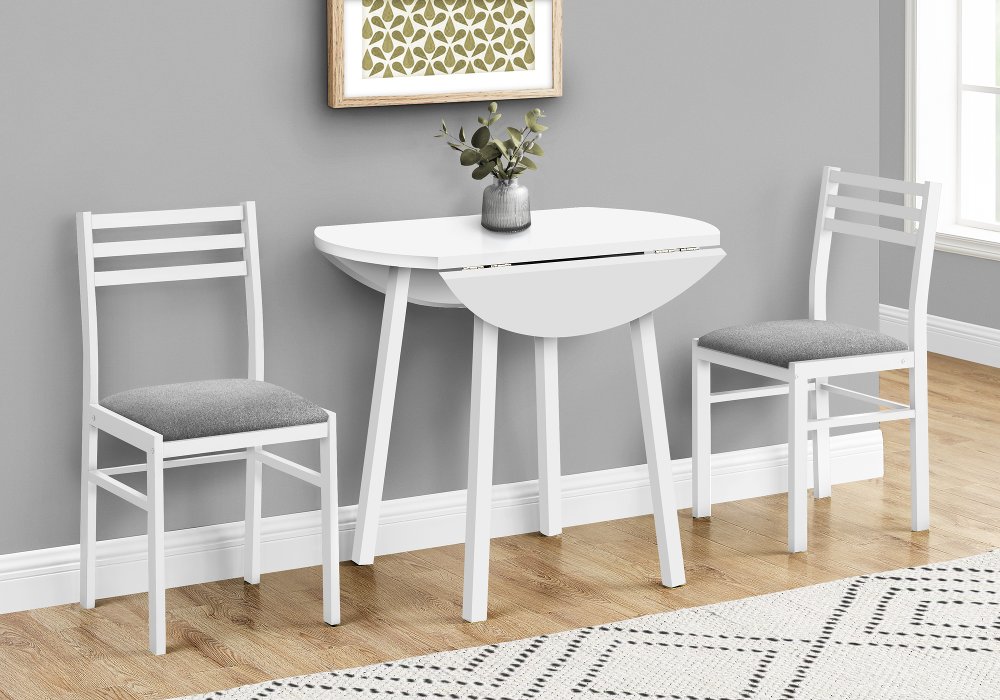
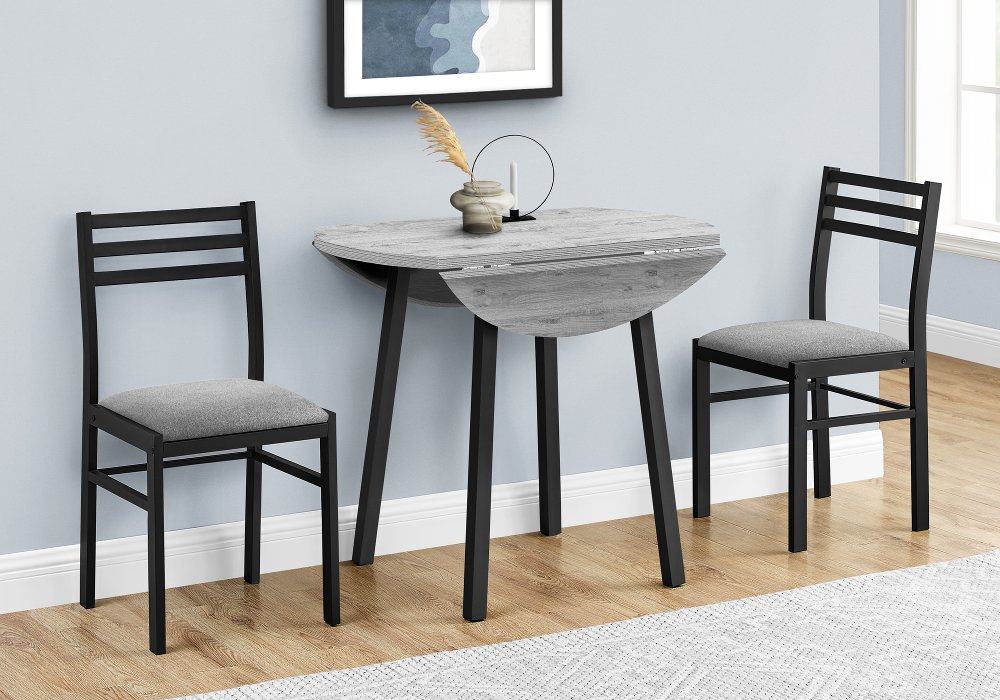
Comfortable dining room sets combine supportive seating, a well-proportioned table, and enough room for everyone to settle in without feeling crowded. Comfort comes from how those pieces work together, not just how much padding a chair has. A cushioned seat can soften the feel of everyday meals, while a gently curved or angled backrest gives you a place to lean during conversation. Upholstered dining chairs bring a softer touch to the room, especially when dinner turns into a board game or a long catch-up with friends. Firm, resilient cushioning often provides a more supported feel than a seat that sinks deeply under your weight. Contoured wood seats can also feel comfortable when their shape, depth, and back support suit the person sitting in them. The right fit lets you sit against the backrest with your feet resting comfortably on the floor, rather than perching on the front edge or feeling pressure behind your knees. Standard dining tables generally stand about 28 to 30 inches tall, with chair seats commonly around 17 to 19 inches high. Roughly 10 to 12 inches between the seat and tabletop is a useful starting point, though a table apron can reduce the actual space available for your legs. Counter-height dining sets need taller seating, so matching the chair height to the table matters just as much as choosing an appealing finish. Armchairs offer a resting place for your elbows and may help some people sit down and stand up, but their arms need clearance beneath the tabletop or apron if you want them to tuck in. Armless chairs allow more freedom to move and can make a compact dining area feel less crowded. For a household that uses the table for breakfast, homework, and dinner, comfortable dining furniture should feel welcoming throughout those everyday moments. Rounded seat edges, smooth finishes, and a steady frame are small details that make a noticeable difference each time someone pulls up a chair.
The size and shape of a dining room set influence comfort before anyone even sits down. A table that fits your household but overwhelms the room can make meals feel cramped, while one with well-spaced seating leaves room for plates, serving dishes, and relaxed movement. About 24 inches of table edge per person is a practical starting point for comfortable dining; wider chairs and armchairs may need more. Around 36 inches between the table and a wall or nearby furniture generally allows space to pull out a chair, while closer to 48 inches is helpful where people regularly walk behind seated diners. Those clearances include the space around the table, not just the tabletop’s footprint. In an apartment dining nook, a round table can soften tight corners and keep everyone facing one another. A pedestal base may offer flexible legroom, although the size and shape of its foot still affect where feet can rest. Rectangular dining tables work naturally in longer rooms and give larger households a familiar arrangement for shared meals. Oval tables offer a similar layout with curved ends, while square tables can suit smaller groups and rooms with balanced proportions. Extendable dining sets provide a useful middle ground for households that usually seat a few people but occasionally host a larger gathering. The expanded table still needs enough surrounding space, and extra chairs need somewhere to go between visits. A dining bench can tuck neatly beneath some tables and make seating flexible, but a backless bench offers less support for lingering than a chair with a backrest. Benches with backs and cushioned seats create a more settled feel when space permits. Families with children may appreciate easy-to-move chairs and approachable seat heights, while frequent hosts may prefer supportive chairs that feel equally comfortable through a full meal and conversation afterward. A set that accommodates everyday routines usually feels more natural than one arranged only for occasional company.
Materials and construction shape how a comfortable dining set looks, feels, and handles daily use. Solid wood brings natural grain and warmth, and its surface can develop character over time; its suitability for refinishing depends on the finish and construction. Wood veneers over a stable core offer a genuine wood surface, though the thin veneer requires care to avoid deep scratches or aggressive sanding. Both benefit from placemats, coasters, and protection from hot serving dishes. Glass tabletops give a room an open appearance and wipe clean easily, but fingerprints show readily and the surface needs protection from scratches and impact. Metal bases can provide sturdy support with a slimmer profile, while secure joints and a level stance matter more to everyday stability than visual weight alone. Upholstery deserves the same attention as the tabletop. Woven fabrics add texture and a comfortable feel, while leather and leather-look upholstery offer distinct appearances and care requirements. Performance fabrics may help resist certain spills or stains, but the label’s specific claims and cleaning instructions matter; no upholstery is completely maintenance-free. In a busy household, a textured fabric may make small marks less noticeable, while a smooth, wipeable seat can simplify cleanup after breakfast. Promptly blotting spills, using approved cleaning methods, and checking chair hardware periodically can help preserve the set’s appearance and stability. Style also contributes to a room where people want to spend time. Warm wood tones, shaped chair backs, and upholstered seats can make traditional dining room sets a natural fit for a welcoming dining space, while simpler silhouettes and lighter finishes suit a more streamlined setting. Coordinated table and chair finishes give the room a cohesive foundation without requiring every surrounding piece to match. The most satisfying dining room set balances that visual appeal with practical comfort: chairs that support the people who use them, a table that leaves room to serve and share, and materials that suit the household’s habits. It’s furniture for familiar daily moments, from a quiet cup of coffee to a full table of people enjoying each other’s company.
Read More