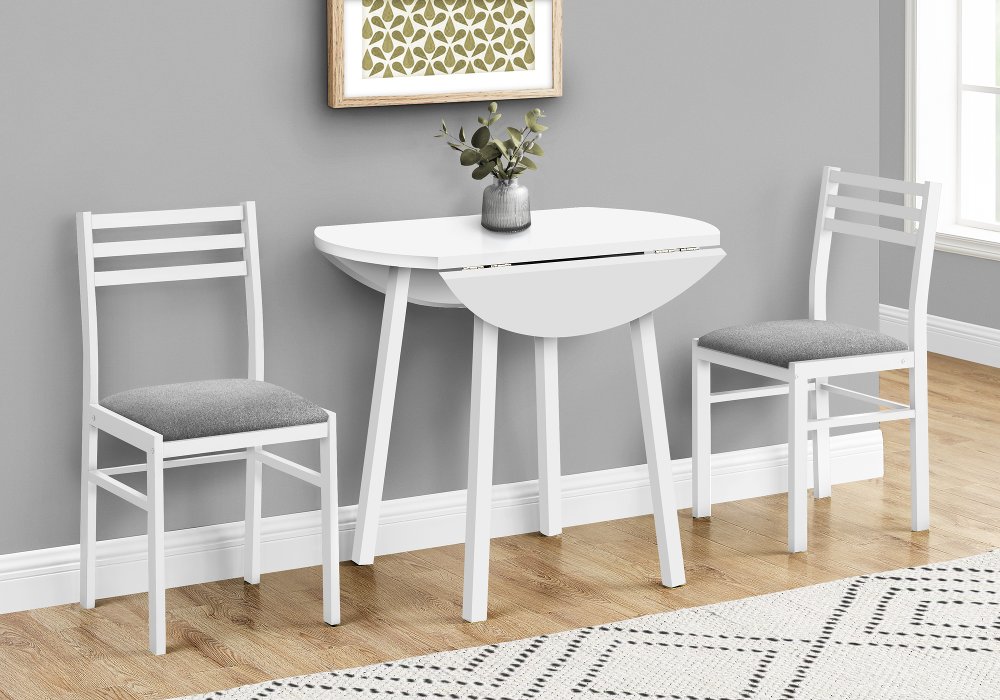
Comfortable bistro sets create a welcoming place to sit, share a meal, and enjoy a little breathing room without furnishing an entire dining area. A typical bistro set pairs a compact table with two chairs, making it a natural fit for a balcony, apartment patio, front porch, or small breakfast nook. The best fit for your home balances a manageable footprint with seats that feel good beyond the first few minutes. Supportive backrests, a seat depth that suits your legs, and enough room to rest your forearms can turn a quick coffee break into an easy conversation. Cushioned bistro sets add softness, while contoured seats and flexible sling fabric can provide comfort without separate pads. Thick cushions aren’t the only sign of a comfortable chair; a well-shaped back and a seat that lets your feet rest securely matter just as much. Upright seating generally works well for eating, reading, or writing at the table, while a gently reclined chair can feel more relaxed for conversation. Armrests offer another place to settle in, though their height needs to work with the tabletop if you want to tuck the chairs underneath. Picture how the set will function during an ordinary day: two mugs and a small plate in the morning, lunch for one with a book beside it, or a shared dessert after dinner. That picture helps distinguish a useful tabletop from one that’s too small for your routine. Round tables have no corners projecting into a tight seating area, while square tables can align neatly with a wall or railing. Either shape still needs enough space around it for chairs to move and people to pass. For couples, solo apartment dwellers, and anyone creating a quiet corner away from the main gathering space, a comfortable bistro set brings a sense of purpose to an otherwise overlooked spot.
Materials influence how a bistro set looks, feels, and holds up to everyday use. Aluminum frames are relatively lightweight and naturally resist rust, which makes them practical when you need to reposition a small patio table and chairs. Powder-coated steel offers a sturdy feel, but chips in the finish deserve attention because exposed steel can rust. Heavier iron designs can provide a substantial base and decorative detail, though moving them takes more effort. Wood brings visible grain and a warm, natural character; its maintenance needs vary by species and finish, so the recommended cleaning and treatment schedule matters. Some outdoor woods develop a silvery patina over time, while maintaining the original color may call for additional care. Woven resin wicker offers texture and often wraps around a metal frame, combining a relaxed appearance with structural support. It’s different from natural wicker, which generally needs a protected indoor setting unless specifically rated otherwise. For outdoor use, both the weave and the underlying frame should be designed for that environment. Comfort also depends on what sits between you and the frame. Sling seats use tensioned fabric to offer flexible support, often with less cushion storage to manage. Upholstered outdoor cushions can soften a firm seat, but their fabric, fill, and construction determine how they handle moisture and repeated use. Water-resistant fabric isn’t waterproof, and a removable cover isn’t necessarily machine washable. Care labels provide the clearest direction. A gentle cleaning routine with materials approved by the manufacturer helps protect finishes, while promptly removing crumbs and spills keeps the set ready for the next meal. Table surfaces deserve the same consideration: textured tops may require a little more attention around crevices, and glass can show fingerprints even though its smooth surface is easy to wipe. Protective covers and a dry storage location can help extend the life of outdoor furniture and cushions when they’re not in use. Durable bistro seating comes from the whole construction—not just the surface material—including sound joints, secure hardware, and components suited to the intended setting.
A small-space bistro set should make daily life easier, not leave you shuffling furniture every time you open a door. Measuring the full seating area, including the space needed to pull out each chair, gives a more realistic sense of fit than table dimensions alone. On a narrow balcony, a chair that looks compact from the front may extend farther back than expected, especially if it rocks or swivels. Those features can make lounging more enjoyable, but they need clearance to work safely and comfortably. Folding chairs or a folding table can free up floor space between meals, while stackable seating makes storage simpler where the design allows it. Check the listed weight capacities for individual seats, and consider how easily each person can sit down and stand up. Standard dining-height seating often feels familiar, while counter-height and bar-height bistro sets create a taller profile and need appropriately placed footrests. A tall table isn’t automatically a space saver; the base, stools, and access around them still determine its footprint. On paved or tiled surfaces, adjustable feet can help reduce wobbling if the design includes them, and suitable floor protectors help prevent marks indoors. For a kitchen corner or enclosed sitting area, coordinate the table finish and chair proportions with nearby furniture so the set feels connected without needing an exact match. If your meals regularly include more people, Comfortable Dining Room Sets offer a related direction for a larger gathering space, while a bistro set keeps a smaller nook focused on one or two people. A thoughtfully chosen set can also make a useful housewarming or wedding gift when the recipients’ measurements, seating needs, and style preferences are known. Whether it becomes a place for breakfast, a phone call with a friend, or a few quiet pages of a novel, the right bistro set earns its place through comfortable seating, practical proportions, and care that fits your routine.
Read More