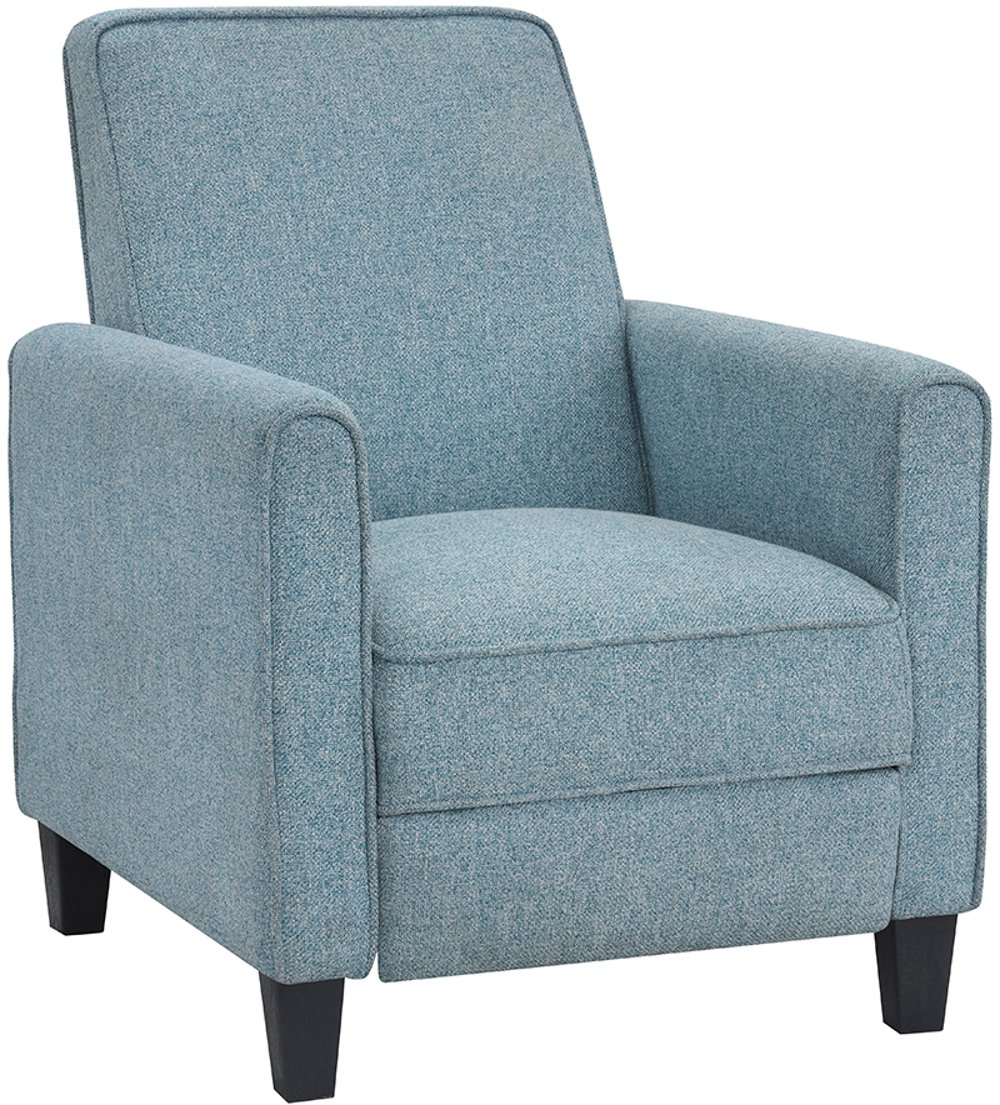
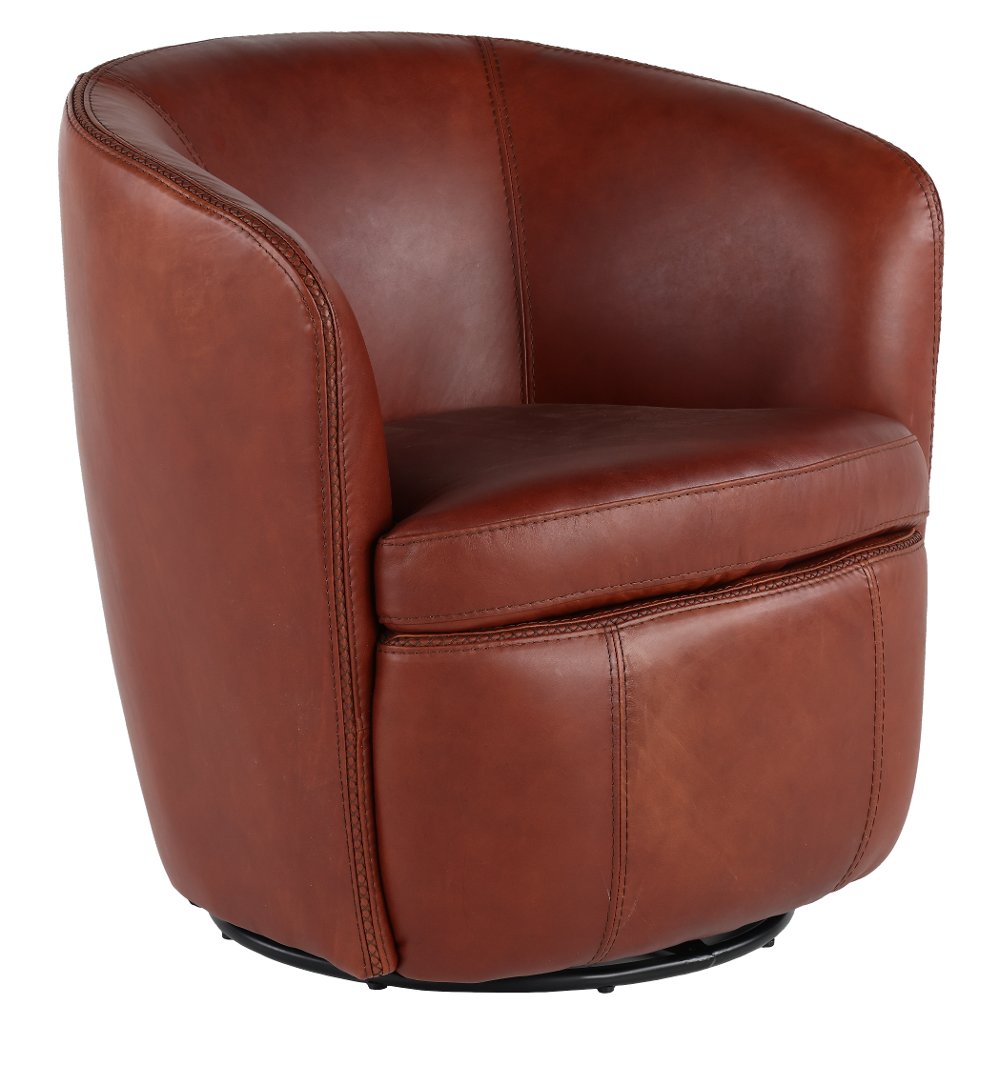
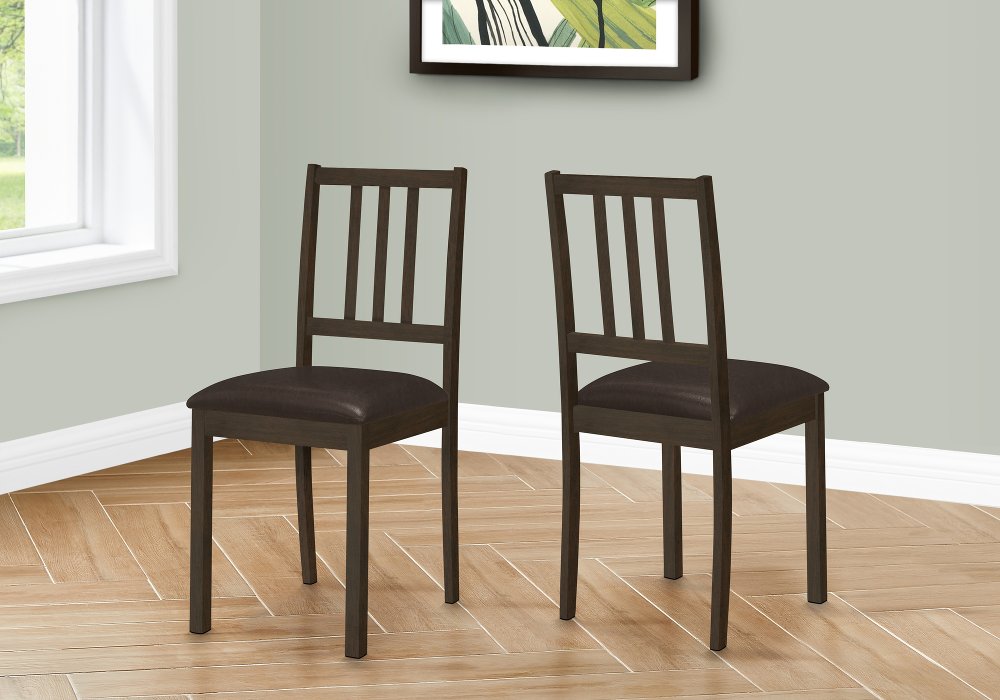
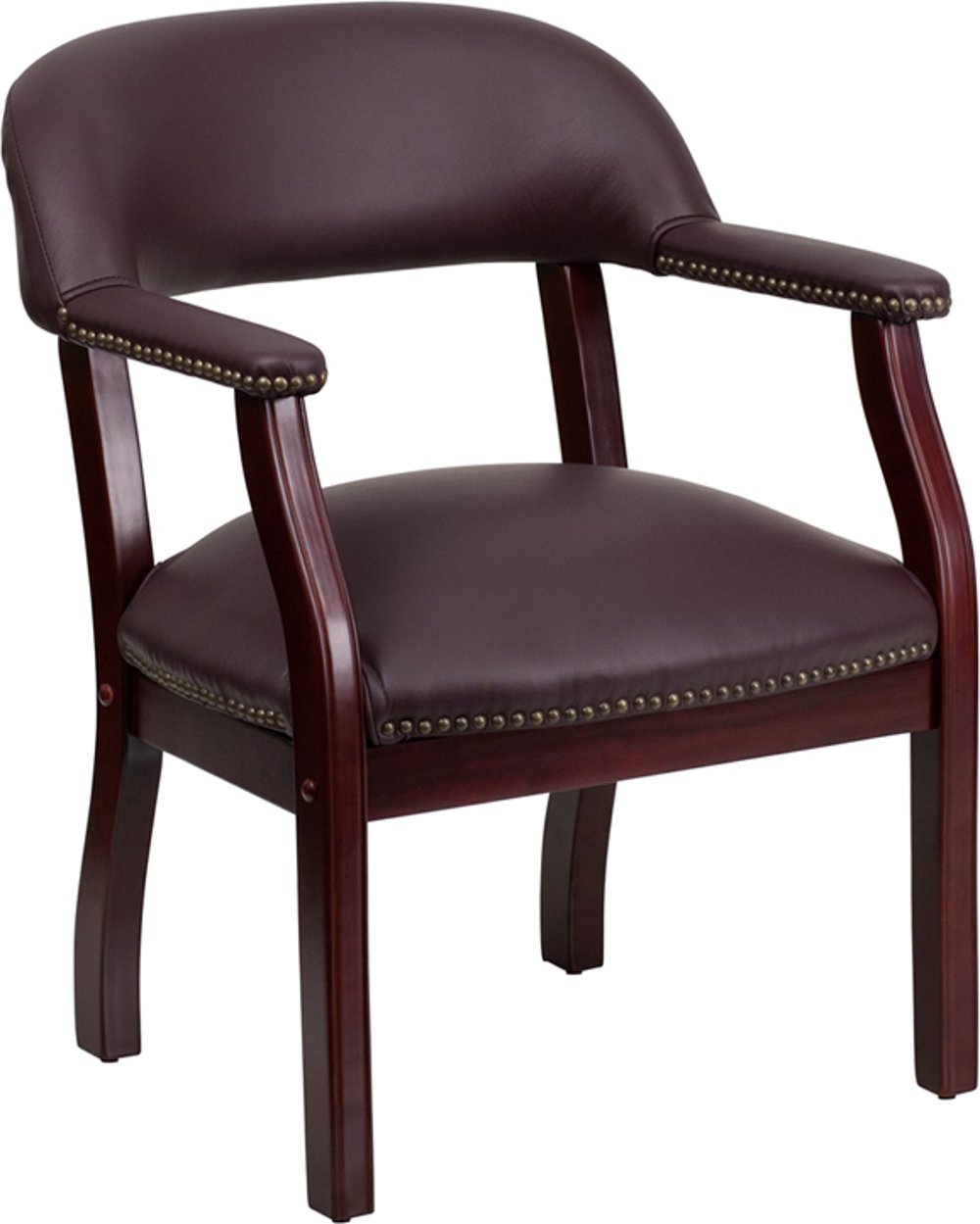
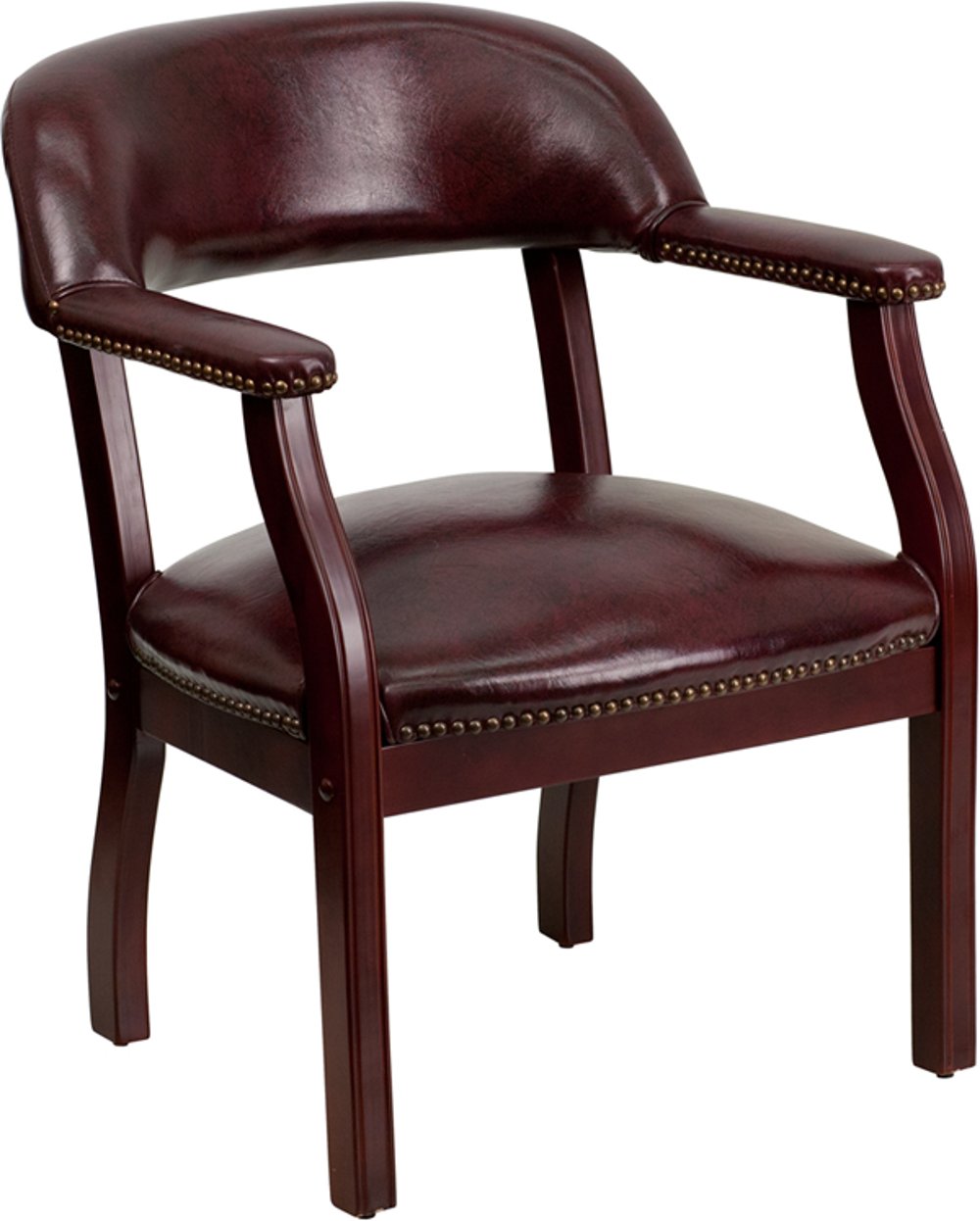
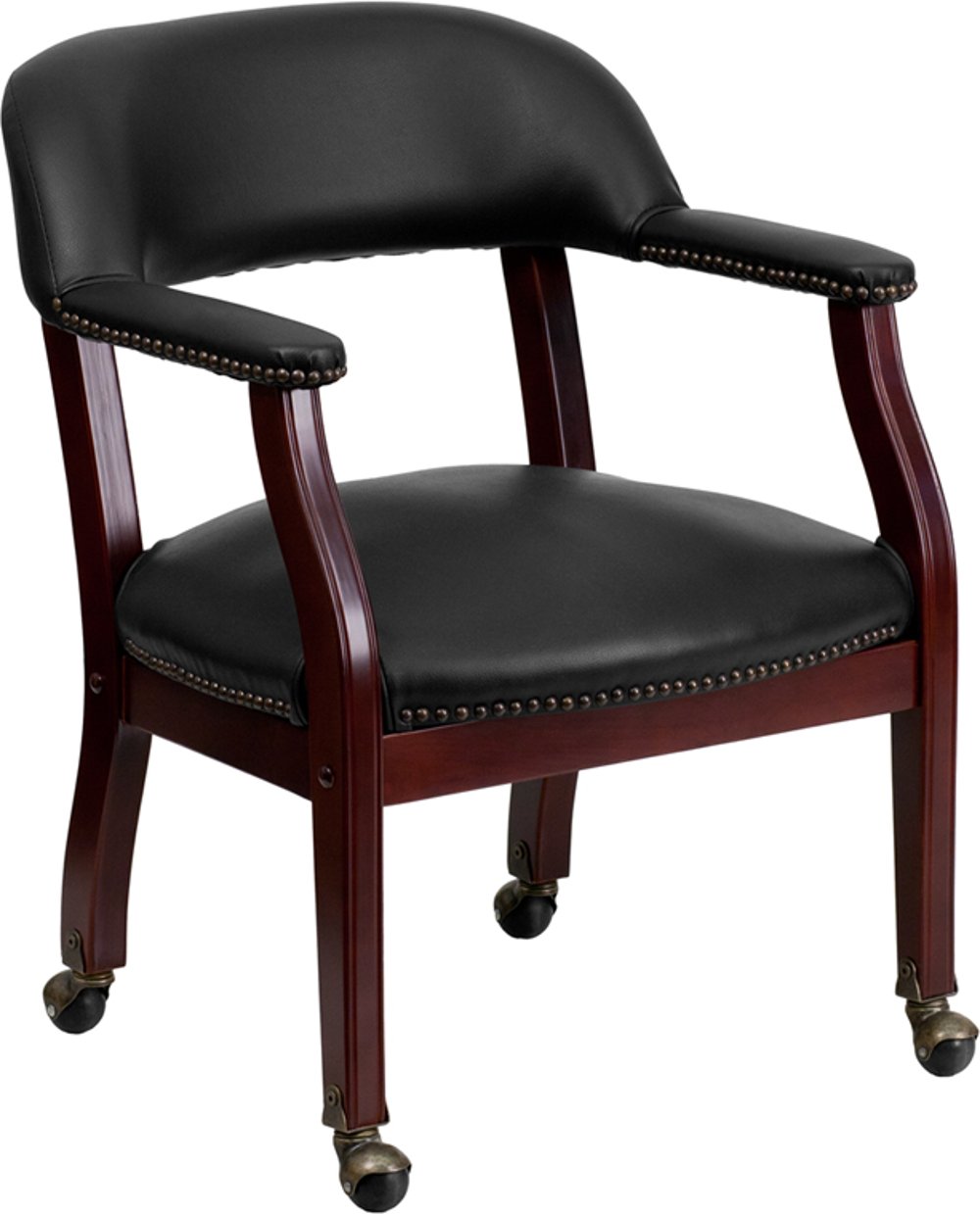
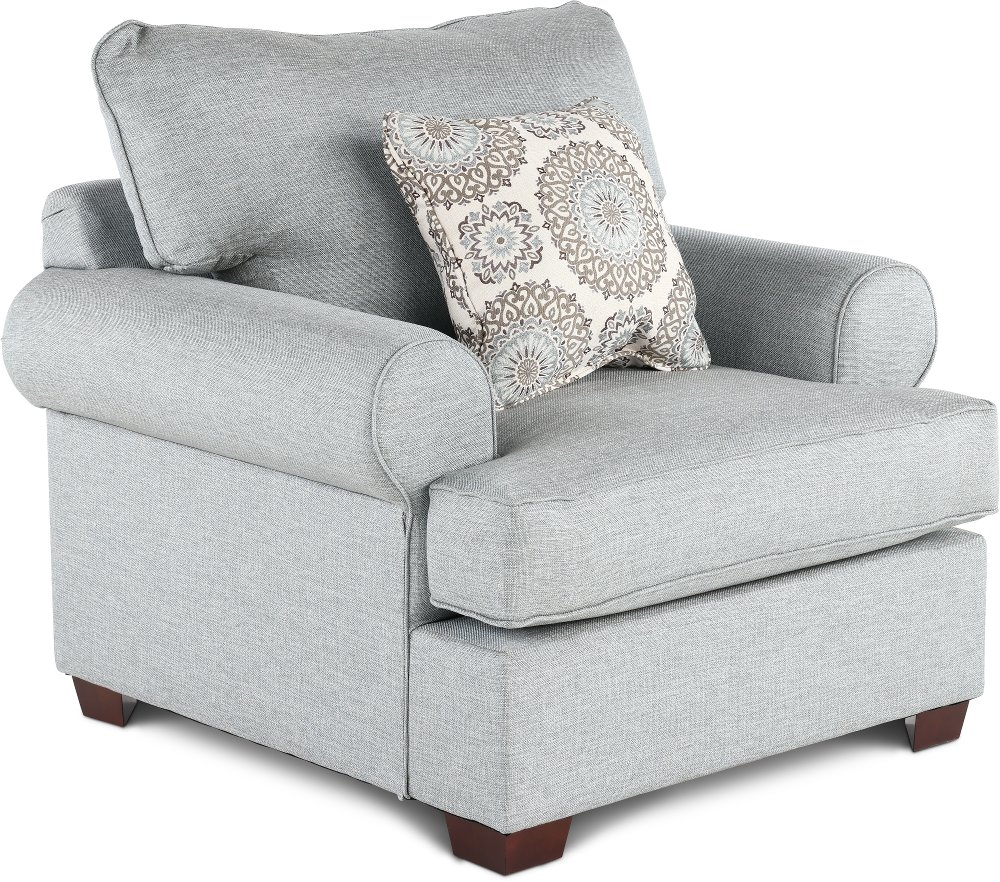
Conversation chairs are accent or lounge chairs arranged to make face-to-face conversation comfortable in a living room, sitting area, or outdoor gathering space. Their purpose is as much about placement as design: a pair angled toward a sofa gives guests a natural place to settle, while two chairs facing each other across a small table create a welcoming spot for catching up. Unlike a dining chair, a conversation chair generally offers a more relaxed seat, often with a cushioned back, supportive arms, or an upholstered frame. Barrel chairs, swivel chairs, and classic armchairs can all serve this role, depending on the room and the way you like to sit. A curved back gives a seating area a cozy, enclosed feel, while an open wood frame keeps the view across a smaller room less crowded. Swivel conversation chairs let someone turn toward another guest without shifting the entire chair, which can be especially useful in an open living space that connects to the kitchen. Matching chairs create a balanced arrangement, but different silhouettes can work together when they share a color, material, or similar proportions. For everyday use, the most inviting layout puts seats close enough for an easy exchange without crowding knees or blocking a walkway. A small drink table between two chairs gives each person a place for a mug, glasses, or a phone; a larger coffee table can connect the chairs with a sofa. Keeping seat heights reasonably similar helps everyone sit at a comfortable level rather than leaving one guest perched above another. These chairs suit households that entertain, couples who enjoy a quiet conversation away from the television, and anyone who wants a reading corner that can become extra seating when company arrives. In a bedroom or home office, a conversation chair can also give a visitor somewhere comfortable to sit without turning the whole room into a formal seating area.
The right size depends on both the space around the chair and the person sitting in it. Overall width tells you how much floor space a chair occupies, but the usable seat width may be noticeably smaller when the arms are thick or deeply padded. Seat depth matters just as much: a shallower seat often makes it easier to sit upright with feet on the floor, while a deeper cushion leaves more room to lean back or tuck a leg underneath. If a generous, lounge-style seat suits your space, Deep Chairs offer another seating category to consider alongside your conversation area. A supportive back and arms at a comfortable height can make a long visit more enjoyable, particularly for someone who prefers a steady, upright position. Taller users may appreciate more back height and legroom, while a smaller-scale chair can feel better suited to a compact room or a shorter sitter. Before bringing furniture into a tight space, measuring doorways and turns along the delivery path is just as useful as measuring the intended corner. Swivel bases need clearance to rotate, and rocking chairs need room to move without touching nearby furniture. Upholstery brings another layer of comfort and character. A tightly woven fabric can give an everyday seating area a tailored look, while textured upholstery adds softness and helps break up a room full of smooth surfaces. Leather offers a distinct feel and may develop character with use, though its care needs vary by finish. Performance fabrics may provide added resistance to certain stains or spills, but the label and care instructions matter more than the name alone. In a home with children or pets, fabric texture, cleanability, and resistance to snagging deserve attention alongside color. Cushion construction also affects how a chair feels over time. Firmer foam tends to give a more structured seat, while softer fills can feel relaxed and may need more frequent reshaping. Neither feel is automatically better; the useful choice is the one that supports how you actually sit.
Conversation chairs also need to hold up to the rhythm of the household. A chair used for occasional guests has a different job from one that hosts morning coffee, evening reading, and hours of visiting. For frequent use, frame construction, secure joints, a supportive suspension system, and well-fitted upholstery all contribute to lasting comfort. Wood and metal frames can both be durable when thoughtfully built, so the construction details deserve attention rather than relying on material alone. Exposed wood arms bring warmth and definition to a room, while padded arms offer a softer place to rest an elbow. A visible leg can make a chair appear lighter; an upholstered base creates a fuller, more grounded look. These details help conversation seating fit naturally with an existing sofa instead of looking like an afterthought. On a porch or patio, chairs should be specifically designed for outdoor use. Powder-coated metal, outdoor-rated synthetic wicker, and fabrics intended for exterior seating have different care requirements from indoor upholstery, and cushions should be handled and stored according to the manufacturer’s directions. For indoor chairs, regular vacuuming with an upholstery attachment helps remove crumbs and dust from seams and cushion edges. Blotting spills promptly, checking the cleaning code before using a product, and testing an approved cleaner in a hidden area can help protect the fabric’s finish. Leather needs products appropriate to its type, and removable cushion covers should only go into the washing machine when the care label allows it. Rotating or turning loose cushions, when their construction permits, can help distribute wear across a favorite seat. A thoughtfully chosen pair of conversation chairs can furnish a first home, refresh a familiar living room, or create a dedicated place for visits with friends and family. If seating is a gift for a housewarming or another milestone, involving the recipient in size, fabric, and comfort decisions makes it more likely to feel at home. The result is a seating area that looks considered, feels comfortable, and gives people a reason to settle in together.
Read More