Wing Chairs

Find a wing chair for your living room, bedroom, or reading nook. With tall backs and distinctive side panels, wingback chairs add a defined silhouette while creating a spot to read or relax. As you compare options, check the overall dimensions and seat depth to find a chair that fits your space and the way you like to sit.
Read More
Sort by:

Wing Chairs

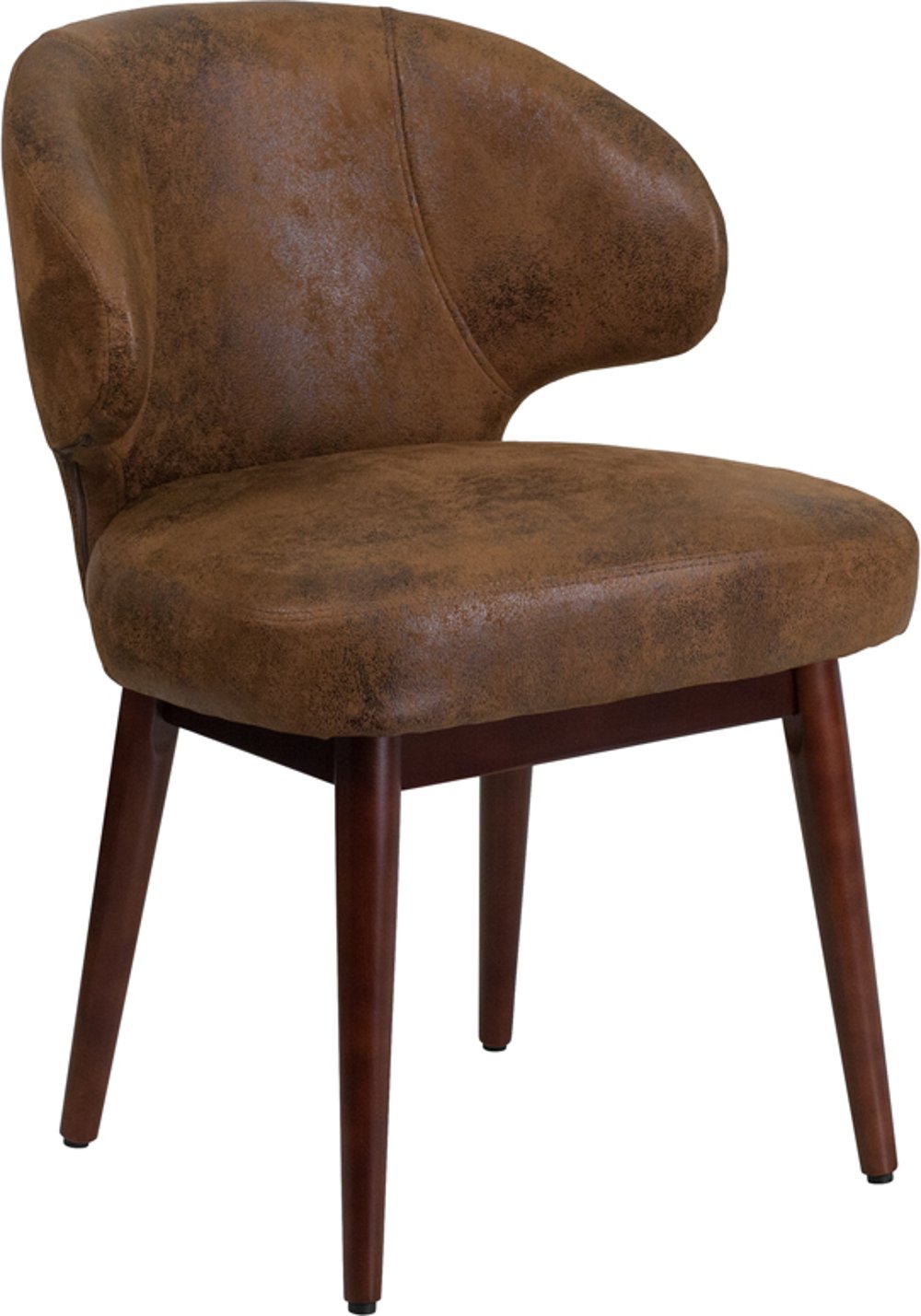
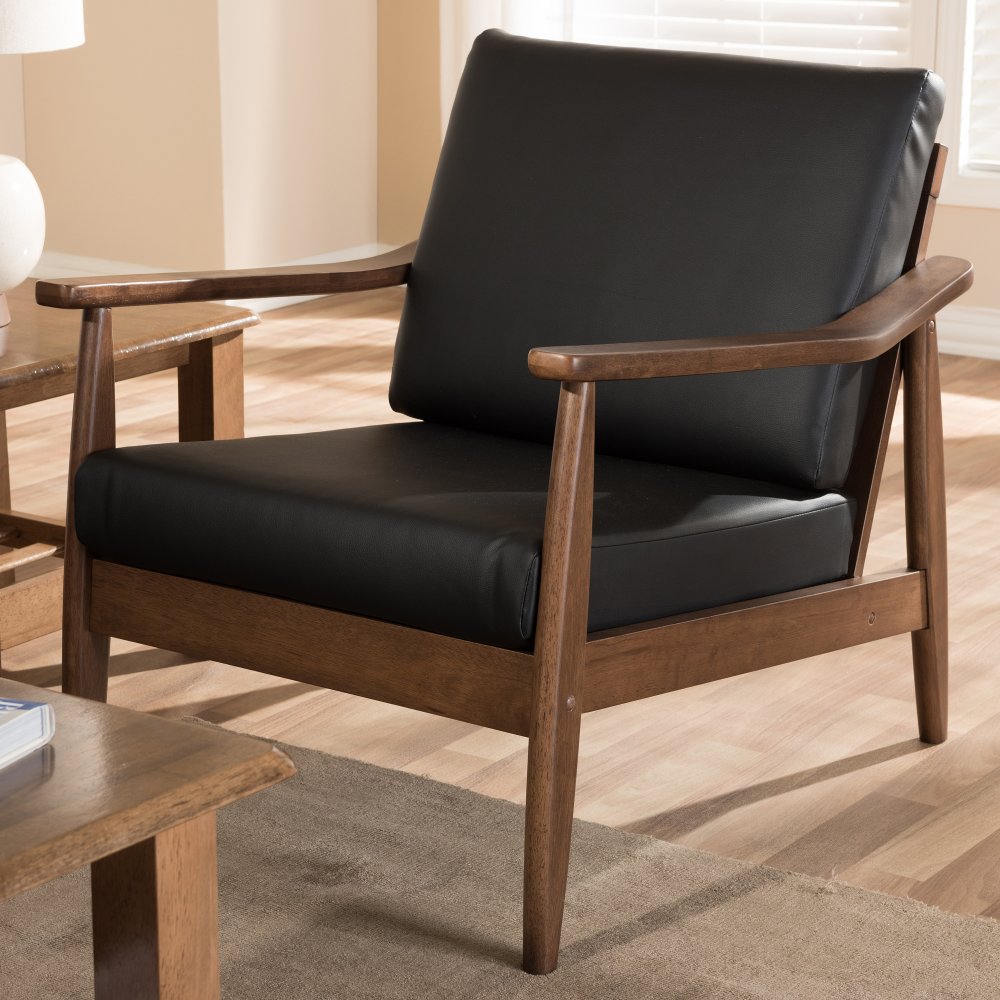
Wing chairs are upholstered accent chairs defined by a tall back and distinctive side panels, or “wings,” that extend forward near the head and shoulders. Often called wingback chairs, they bring a sense of enclosure to a seat while adding height and shape to a room. Their recognizable profile works beautifully beside a sofa, across from a fireplace, or in a quiet bedroom corner with a reading lamp and a small table. Traditional wingback chairs often feature rolled arms, curved wood legs, button tufting, or nailhead trim. More contemporary interpretations simplify those details with straight arms, slim legs, and gently angled wings. That range makes the silhouette comfortable in settings that extend well beyond a formal living room. A tailored wing chair can give a home office a separate spot for reviewing paperwork, while a softly cushioned version creates an inviting place to settle in with a book. Two wing chairs facing a sofa help shape a conversation area without requiring another large piece of furniture. A single chair in a guest room gives visitors somewhere to sit besides the bed and adds a finished touch to an otherwise practical space. Upholstery plays a large part in the overall effect. A textured neutral fabric keeps the shape understated, a small-scale pattern adds interest without dominating nearby furnishings, and rich leather emphasizes the chair’s sculptural lines. The wings themselves vary, too: broad, pronounced panels feel more enveloping, while shallow wings offer a lighter-looking interpretation. When the surrounding furniture has low backs and simple lines, a wingback chair introduces contrast without needing a bright color or bold print. Its height can also balance a tall bookcase or substantial cabinet. The result is an accent chair with a clear purpose: comfortable individual seating that contributes as much to the room’s character as it does to its everyday function.

Comfort depends on the proportions beneath that distinctive shape. A wing chair’s outside dimensions describe how much room it occupies, but seat width, seat depth, seat height, and arm placement determine how it feels to the person using it. Someone who prefers an upright seat for conversation may appreciate a shallower cushion and a supportive back. A taller person may feel more comfortable with additional seat depth, while a shorter person may prefer a seat that allows both feet to rest easily on the floor. Deep cushions encourage a more relaxed posture, but they can leave a gap behind the back when sitting upright. A small lumbar pillow can help adjust that fit, provided it doesn’t crowd the usable seat. For a room centered on stretching out rather than upright conversation, Deep Chairs provide another seating category to consider; wingback styling alone doesn’t indicate how deep a chair will feel. Arm height matters just as much during daily use. Arms that comfortably support the forearms make reading more pleasant, while a firm seat and securely built arms may suit someone who prefers steady support when standing up. A chair’s tall back can also feel substantial in a compact room, even when its footprint is modest. Open legs, narrower arms, and a lighter upholstery color can make that profile feel less visually heavy. In a larger room, a broad seat and substantial wings may sit more comfortably alongside a generous sofa. Placement should leave an easy route around the chair and enough space to reach a nearby table without leaning awkwardly. An ottoman adds a place to put feet up, but it also extends the seating area into the room. Painter’s tape marking the chair and ottoman footprints can make that relationship easier to picture before rearranging other furniture. The most useful wing chair feels proportionate to both its user and its setting, with a lamp, table, and open walkway supporting the way the seat will actually be used.

Materials and construction help determine how a wingback chair handles that daily routine. Solid wood or well-engineered wood frames, secure joints, and a supportive suspension system contribute to a stable seat. Cushion construction affects both feel and upkeep: firmer foam tends to hold a defined shape, while fiber-filled or feather-blend cushions can feel softer and may need regular fluffing. A chair that serves as the household’s favorite reading spot needs a different level of everyday resilience than an occasional seat in a guest bedroom. Tightly woven upholstery can be a practical choice for frequent use, although fabric content, weave, and care instructions matter more than appearance alone. Loosely woven textures may catch on pet claws, and prominent raised threads can show pulls. Velvet brings softness and depth of color, with a surface that may show changes in direction where someone has brushed against the pile. Leather develops character through use, but finishes vary: some show scratches and natural markings more readily than others. Performance fabrics may offer added resistance to spills or wear, though they still need prompt attention and care according to the upholstery label. For fabric chairs, regular vacuuming with an upholstery attachment helps remove dust from the seams, wings, and space around the cushion. Blotting a spill rather than rubbing it helps limit spreading, and any cleaner should match the manufacturer’s care directions. Leather generally needs dusting and appropriate leather care rather than household cleaners. Direct sunlight can fade upholstery over time, so placement deserves attention in a bright reading nook. Removable seat cushions may allow rotation or flipping when their construction and care instructions permit, helping distribute everyday wear. For households with children or pets, a subtle pattern or textured midtone can make small marks less noticeable between cleanings. A wing chair can also make a thoughtful shared gift for someone furnishing a new home, particularly when the recipient has a say in the size, upholstery, and sitting comfort. Those personal details turn a familiar furniture shape into a seat that feels naturally at home.
Read More

Frequently Asked Questions

Filter By