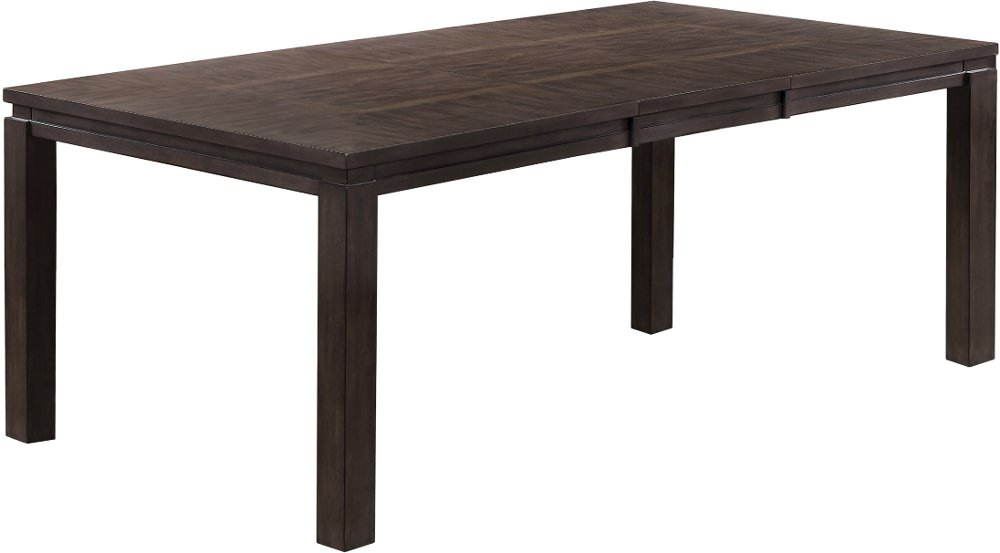
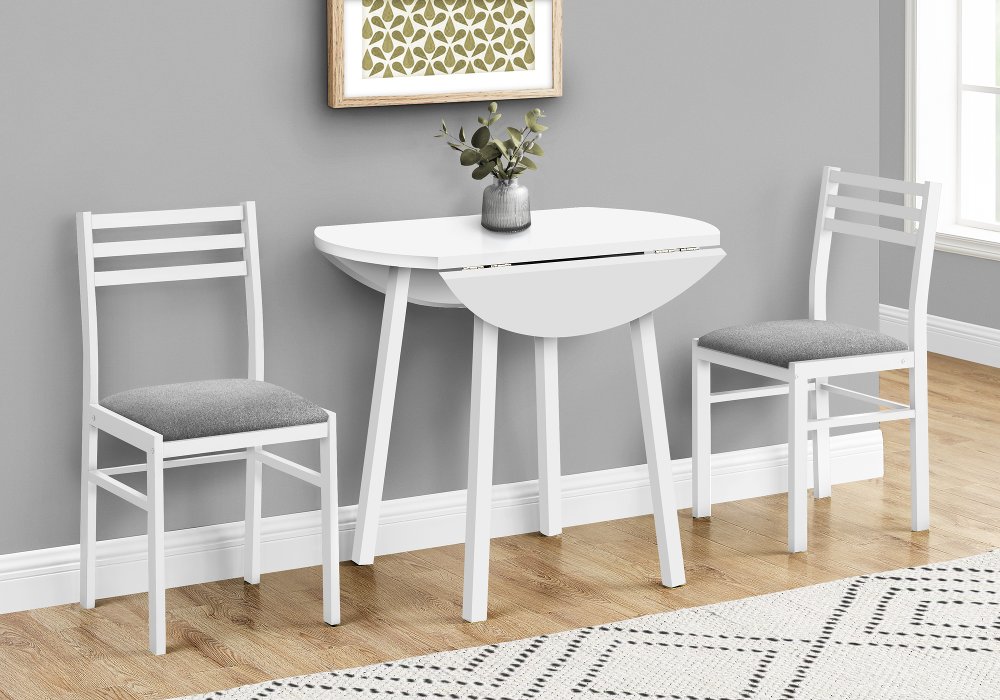
Counter dining tables bring the comfortable height of a kitchen counter to a dedicated spot for meals, conversation, and everyday projects. Typically 34 to 36 inches tall, a counter-height dining table sits higher than a standard dining table, which is usually about 28 to 30 inches tall, and lower than a bar-height table, which generally measures 40 to 42 inches. That middle height works well beside a kitchen or in an open living area, giving you a place to slice a sandwich, settle in for breakfast, or chat with someone preparing dinner nearby. Pair counter dining tables with counter-height stools or chairs, usually with seats about 24 to 26 inches from the floor. Aim for roughly 10 to 12 inches between the seat and the tabletop, and check the apron underneath the table for comfortable thigh clearance. A chair’s footrest matters, too: having somewhere to rest your feet makes a quick coffee break or a long dinner more comfortable. Shape and size help determine how naturally the table fits into your routine. A compact square table can give two to four people a balanced arrangement, while a rectangular counter-height table often suits a longer dining area or a household that needs four to six seats. Actual seating capacity depends on the tabletop dimensions, leg placement, and chair width, not shape alone. Round tables keep conversation easy and eliminate projecting corners, although the chairs still need room to pull out. Allow about 24 inches of table edge per person as a starting point, with extra space for wide chairs or generous place settings. Leave at least 36 inches between the table edge and a wall or nearby furniture where possible; a busy walkway behind occupied seats may need 42 to 48 inches or more. For a breakfast nook or apartment dining area where footprint is the main concern, Small Dining Tables offer another useful way to explore space-conscious proportions.
Materials give counter dining tables much of their character, but they also influence how the surface handles daily use. Solid wood offers natural grain, a substantial feel, and variation that makes each tabletop look a little different. Depending on the construction and finish, it may also allow refinishing later, though wood still needs protection from standing water, direct heat, and excessive moisture. Wood veneer brings a real wood surface to a supporting core and can create consistent grain patterns across a broad tabletop. It deserves the same attention to spills and heat as solid wood, and its thin surface generally limits sanding or refinishing. Laminate surfaces can be practical for frequent meals and homework because many wipe clean easily, but scratch, heat, and moisture resistance vary by construction. Glass creates a lighter visual impression, especially in a small room, while showing fingerprints and requiring regular cleaning to keep that clear look. Stone and engineered stone tops add weight and distinctive texture; their care needs differ, so check whether the surface requires sealing or has restrictions on cleaners. Metal bases can give a counter table a crisp modern outline or an industrial feel, and wood bases can make the same raised dining height feel relaxed and traditional. Construction deserves as much attention as appearance. Secure joints, suitable hardware, and a stable base help a table feel steady when someone leans forward to pass a serving bowl. A pedestal can free up space around the table’s perimeter, while a four-leg design may provide a straightforward seating layout; either way, check where knees, feet, and chair frames will land. Trestles, stretchers, and shelves can add useful structure or storage but may reduce legroom. For a cohesive room, consider how the finish relates to nearby cabinets and flooring without feeling obligated to match every wood tone. A shared undertone, repeated metal detail, or similar silhouette can connect the dining area to the rest of your home.
The best fit comes down to how you’ll use the table between meals as well as during them. For a couple sharing a small kitchen, a narrow rectangular counter dining table can provide two everyday seats and an extra surface for setting down groceries before they’re put away. For a household that gathers over dinner, a larger top leaves room for plates, glasses, and serving dishes without turning every meal into a rearranging exercise. An extension leaf can make room for occasional guests, provided the expanded table still leaves enough clearance around chairs and doorways. Look at the dimensions both with and without the leaf, and consider where a removable leaf will be stored. Built-in shelves may hold placemats or frequently used dishes, but their usefulness depends on whether you can reach them comfortably once everyone is seated. If the table doubles as a laptop station, a supportive chair with a back and footrest will generally be more comfortable for extended sitting than a backless stool. Upholstered seats add cushioning, while wood or other wipeable seats can simplify cleanup after everyday spills. Taller seating won’t suit every person equally: young children may need help getting seated, and anyone with limited mobility may find a standard-height dining arrangement easier to use. Check seat access and comfort with the people who’ll use the space most often in mind. Once your table is in place, a few simple habits help preserve its finish and stability. Blot spills promptly, use coasters under drinks and trivets under hot dishes, and follow the manufacturer’s cleaning directions rather than assuming one cleaner suits every material. A soft cloth and a surface-appropriate cleaner are often enough for routine care. Periodically check fasteners on tables and chairs, especially after moving them, and use floor protectors suited to your flooring. With the right proportions, comfortable seating, and manageable care needs, a counter-height dining table can become a dependable gathering place for everything from a quiet breakfast to a relaxed dinner with friends.
Read More