Cubby storage brings a simple kind of order to the places where life tends to pile up. With open compartments arranged in an easy-to-use grid, it gives books, shoes, toys, blankets, bags, and everyday essentials a clear home without asking you to hide everything behind a door. A cubby shelf can make a busy entryway feel calmer, turn an empty corner into useful organization, or help a bedroom, playroom, office, or living area work harder. During the cooler months, when coats, hats, shoes, and indoor activities start taking over more of the home, accessible storage can make daily routines feel less rushed. Children can reach their own bins and return belongings to the same spot, while adults can keep chargers, mail, accessories, and household items close at hand. When you browse cubby storage, think about what you want to organize first and how often you’ll need to reach it. Open compartments work well for items you use regularly, while baskets or fabric bins can keep smaller belongings contained and create a more streamlined look. Measuring your wall, floor space, and nearby furniture before choosing a storage piece helps ensure that the finished arrangement feels comfortable rather than crowded. It’s also helpful to consider the height of the people using it, especially when the storage will serve children or anyone who benefits from easy, no-stretch access.
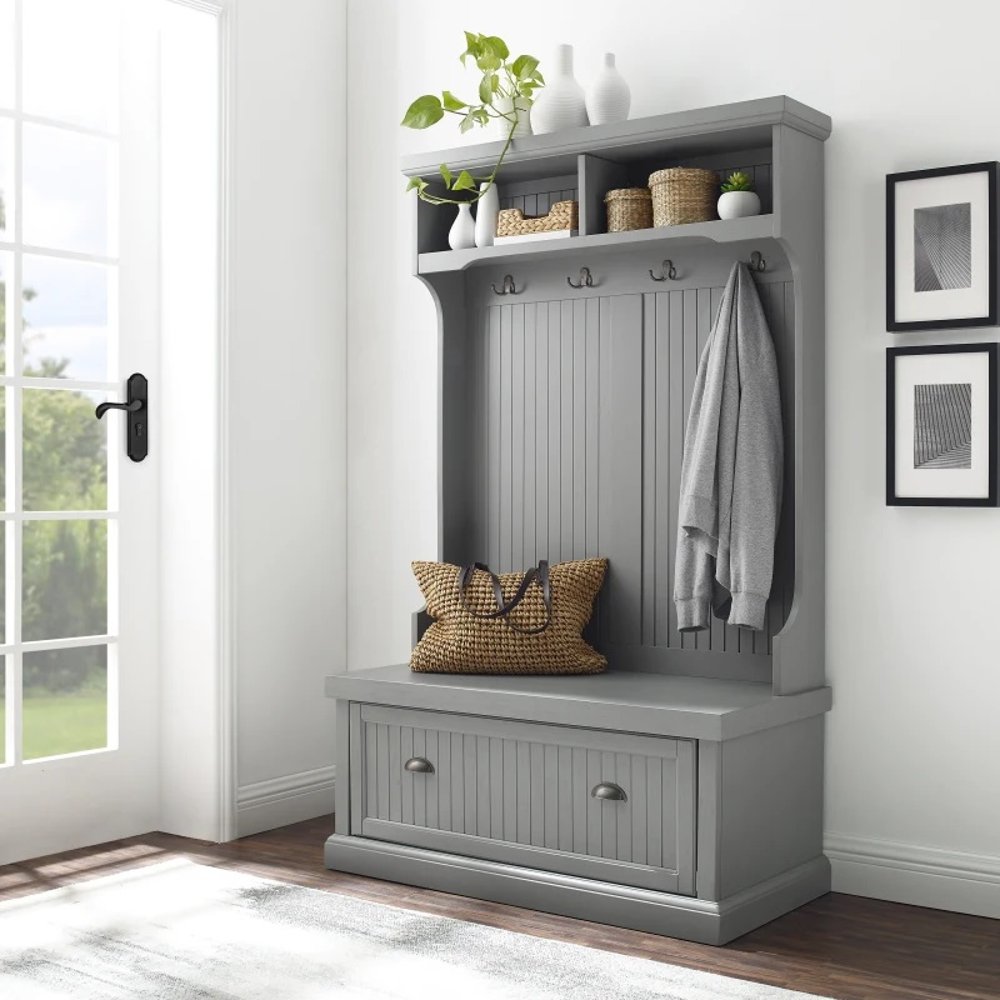
The right cubby storage can grow with the room and adapt as your needs change. In a child’s space, the compartments might hold picture books, building pieces, stuffed animals, and art supplies today, then become a place for school materials and personal keepsakes over time. A dedicated [Toy Storage](https://www.rcwilley.com/buy/toy-storage) solution can make cleanup easier by giving favorite playthings a visible, inviting home. In a mudroom or entryway, cubbies can separate each person’s belongings so backpacks, footwear, and seasonal accessories don’t collect in one tangled heap by the door. In a home office, they can organize notebooks, paperwork, craft supplies, and technology accessories while keeping the work surface open. In a living room, use them to display framed photos, small collections, books, or baskets filled with items that need to stay nearby but out of sight. For a bedroom, cubbies can support folded clothing, handbags, linens, and personal items. If you’re choosing storage as a gift, it can be a thoughtful option for someone settling into a new home, preparing a nursery, refreshing a child’s room, or creating a more functional study space. It’s practical without feeling impersonal, and it supports the recipient’s own style because the compartments can be filled, rearranged, and refreshed whenever life changes.
As you compare options, pay attention to the details that affect everyday comfort and durability. Look for a size that fits both the room and the items you plan to store, with enough depth for useful capacity without making the space feel bulky. Consider the number and arrangement of compartments, the weight of the materials, the finish, and whether the piece can be paired with bins or baskets in a standard size. A neutral finish can blend easily with changing décor, while a bolder color or wood-inspired look can help storage feel like part of the room rather than an afterthought. Think about maintenance, too: smooth surfaces are generally easy to dust and wipe clean, which matters in entryways, play areas, and other high-traffic spaces. If a storage unit will be placed where children spend time, review the assembly and safety information carefully, use it on a level surface, and follow any recommended anchoring guidance. A well-chosen cubby shelf does more than clear clutter. It creates a dependable rhythm for the home, making it easier to put things away, find what you need, and enjoy the spaces you use every day.
Read More