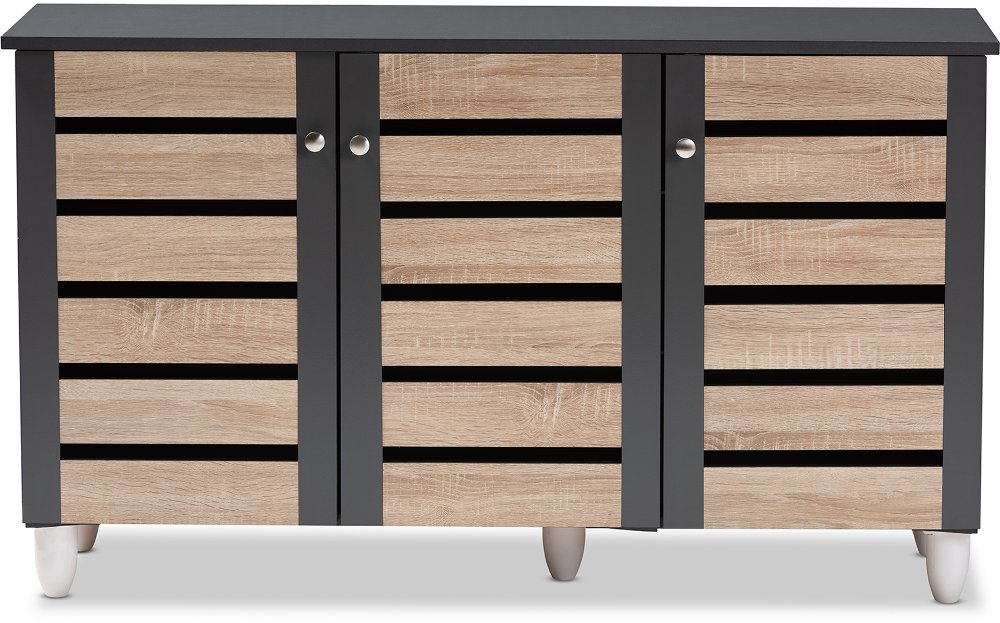
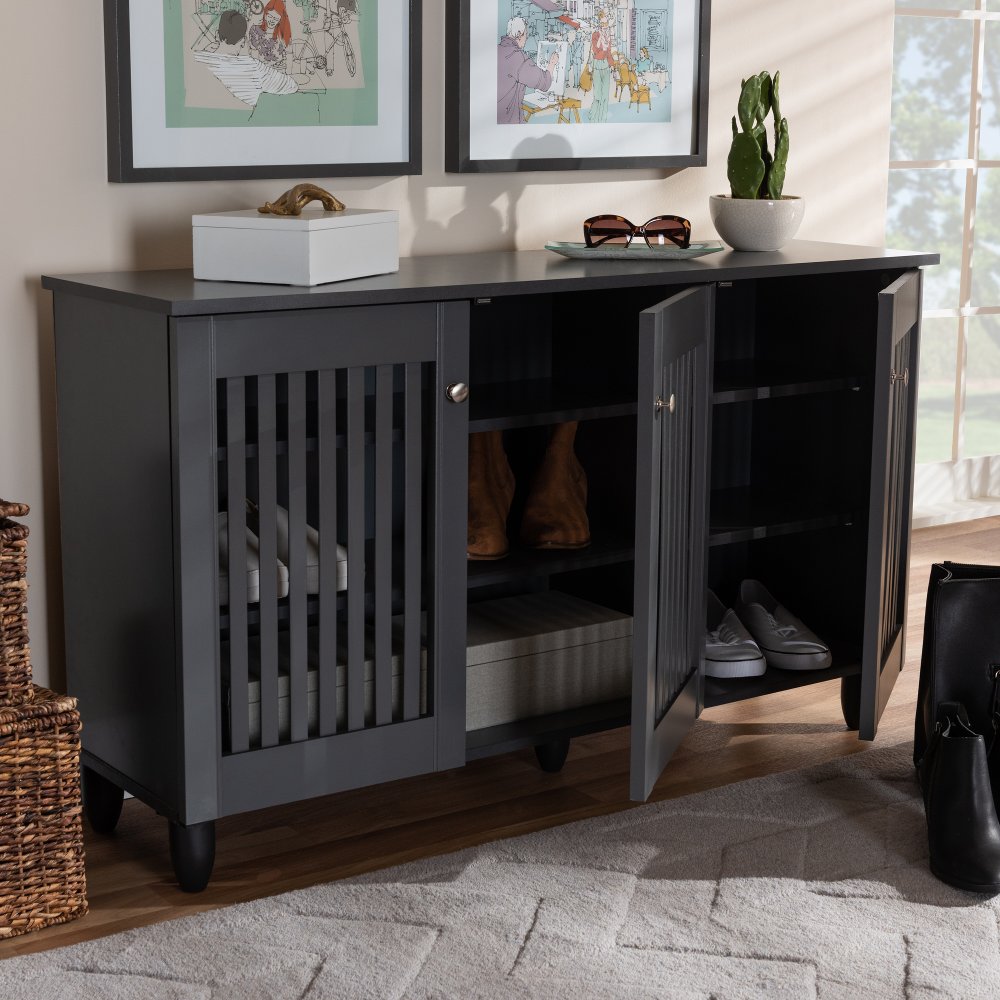
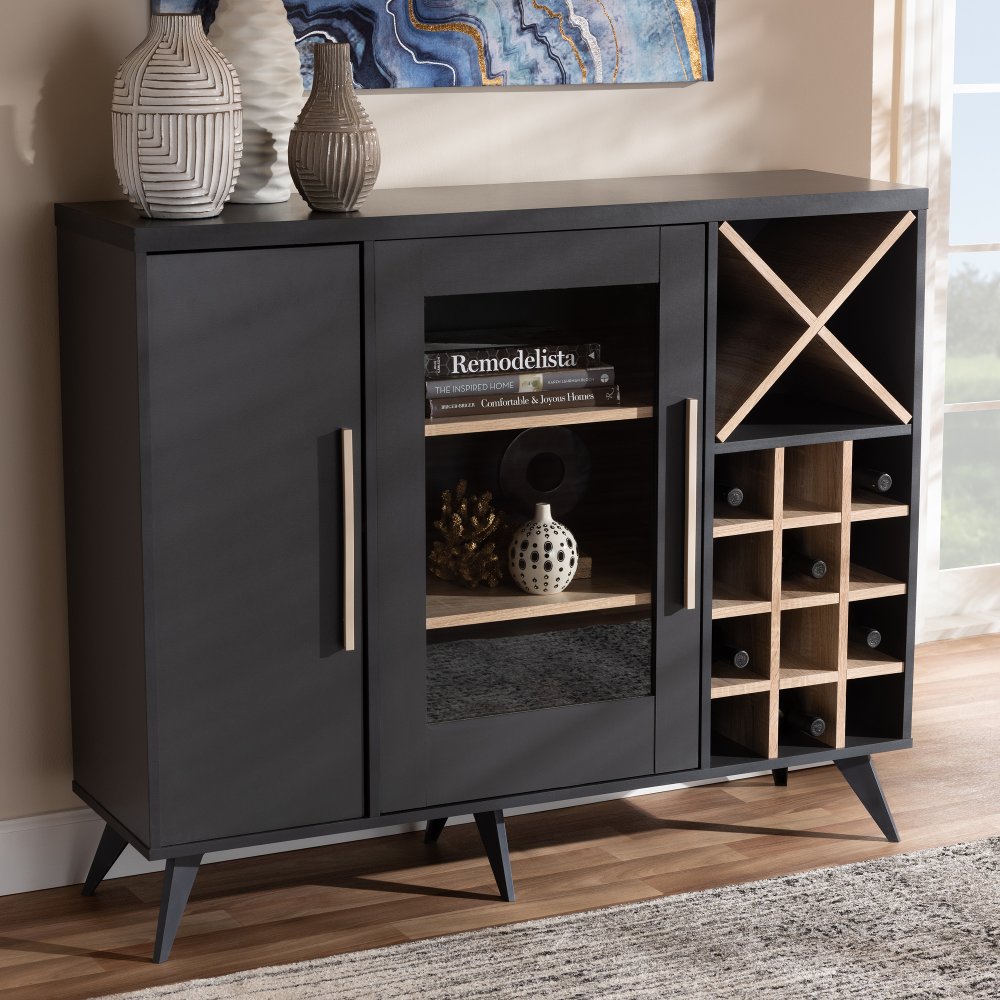
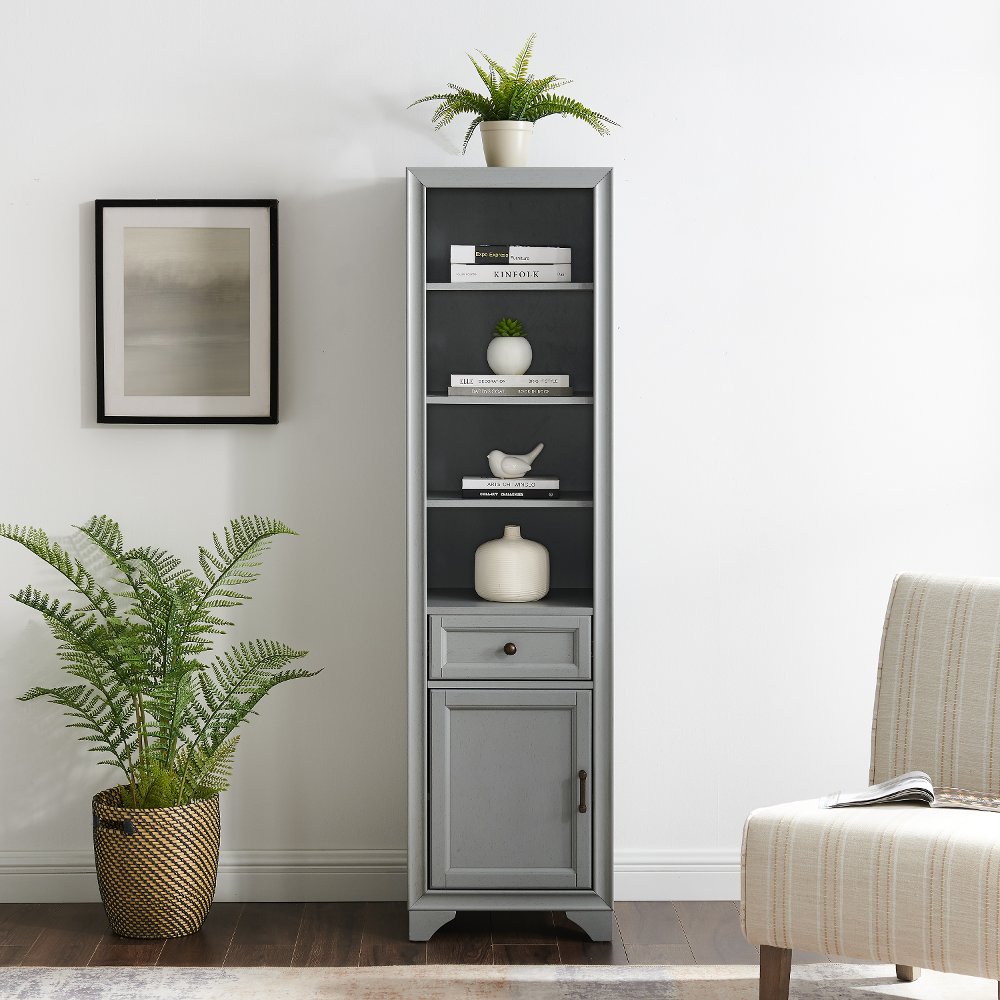
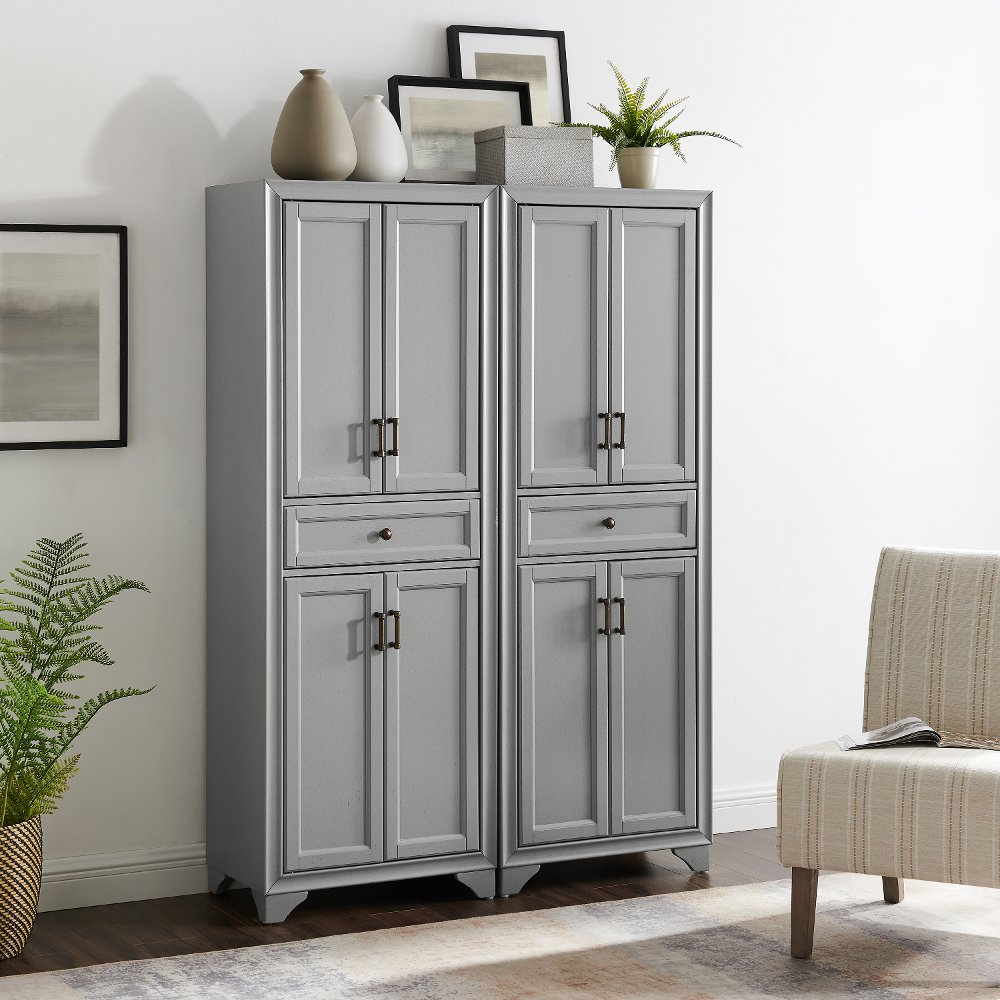
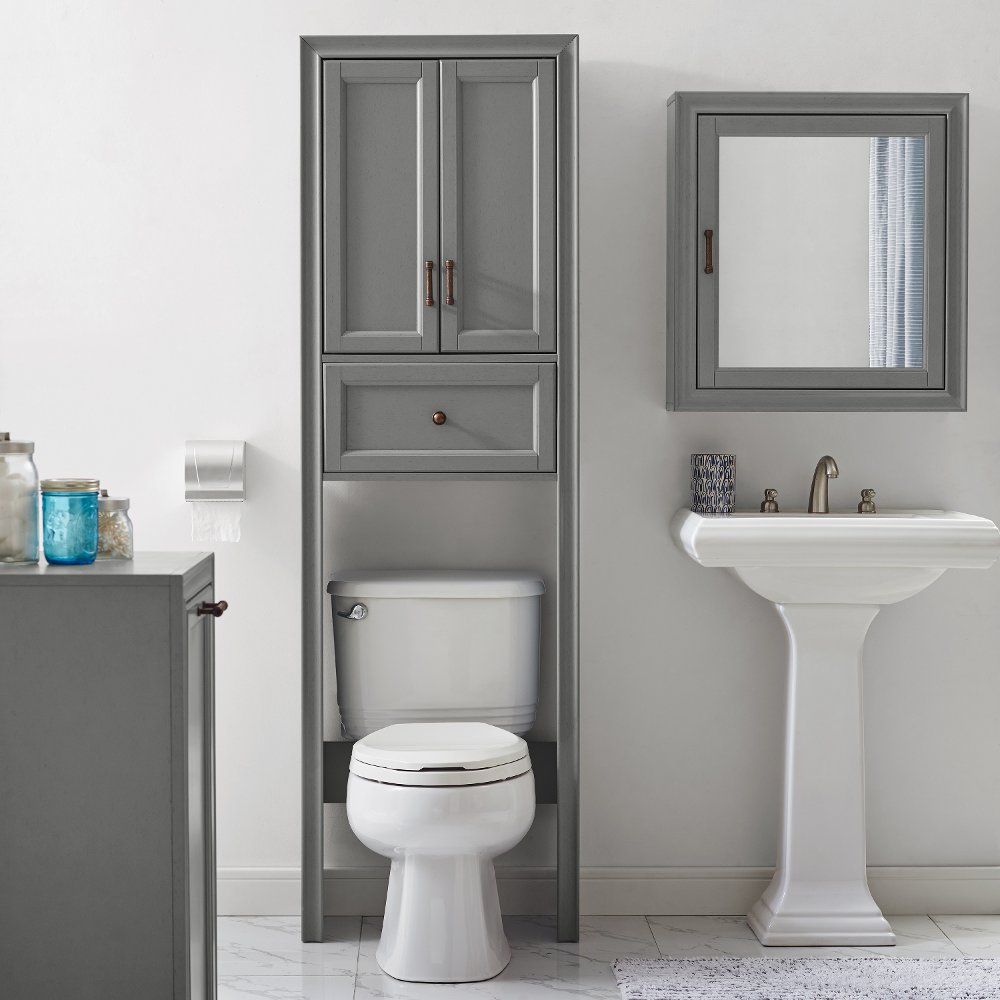
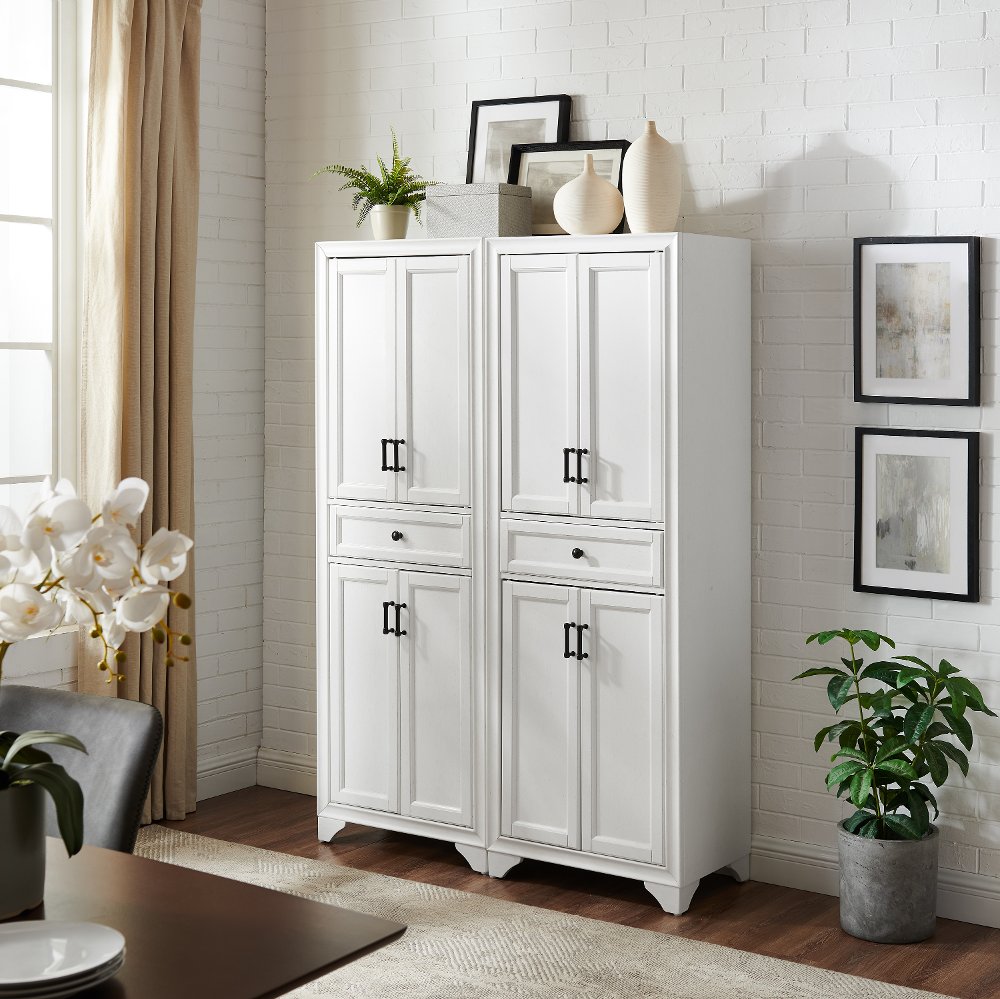
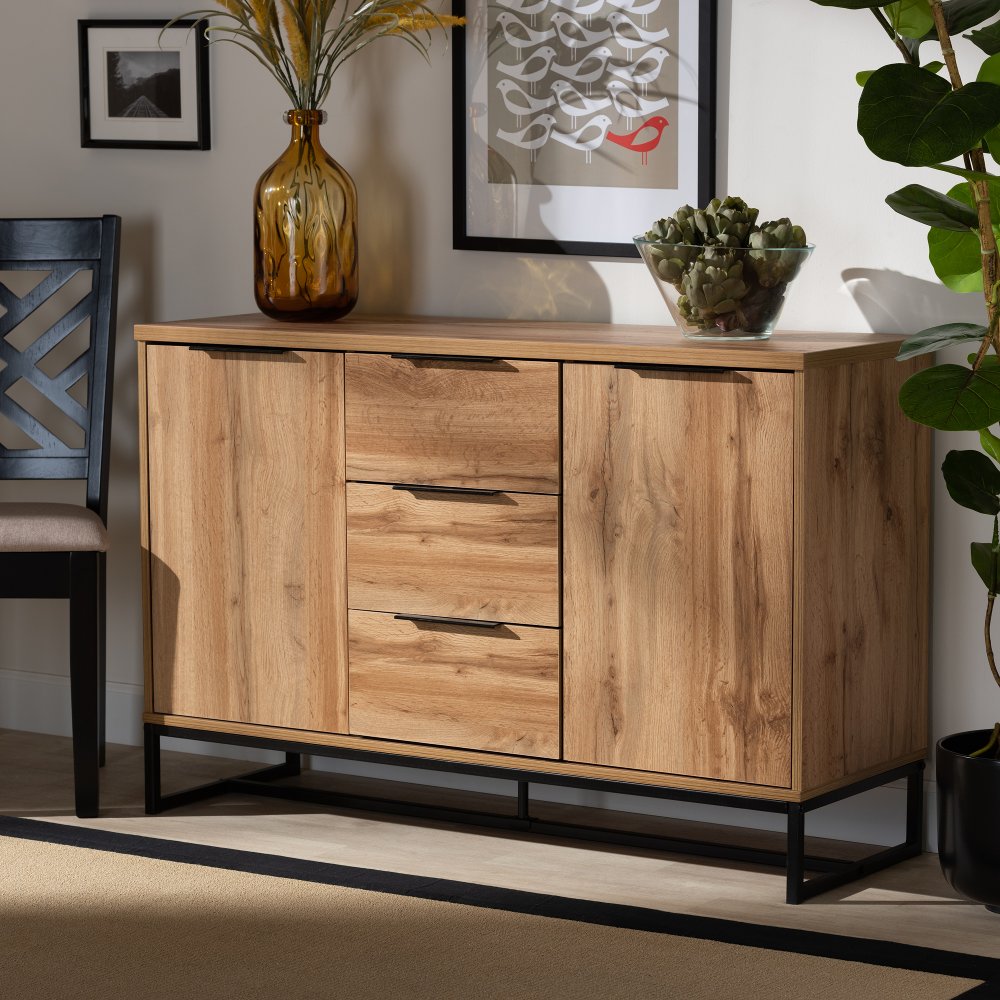
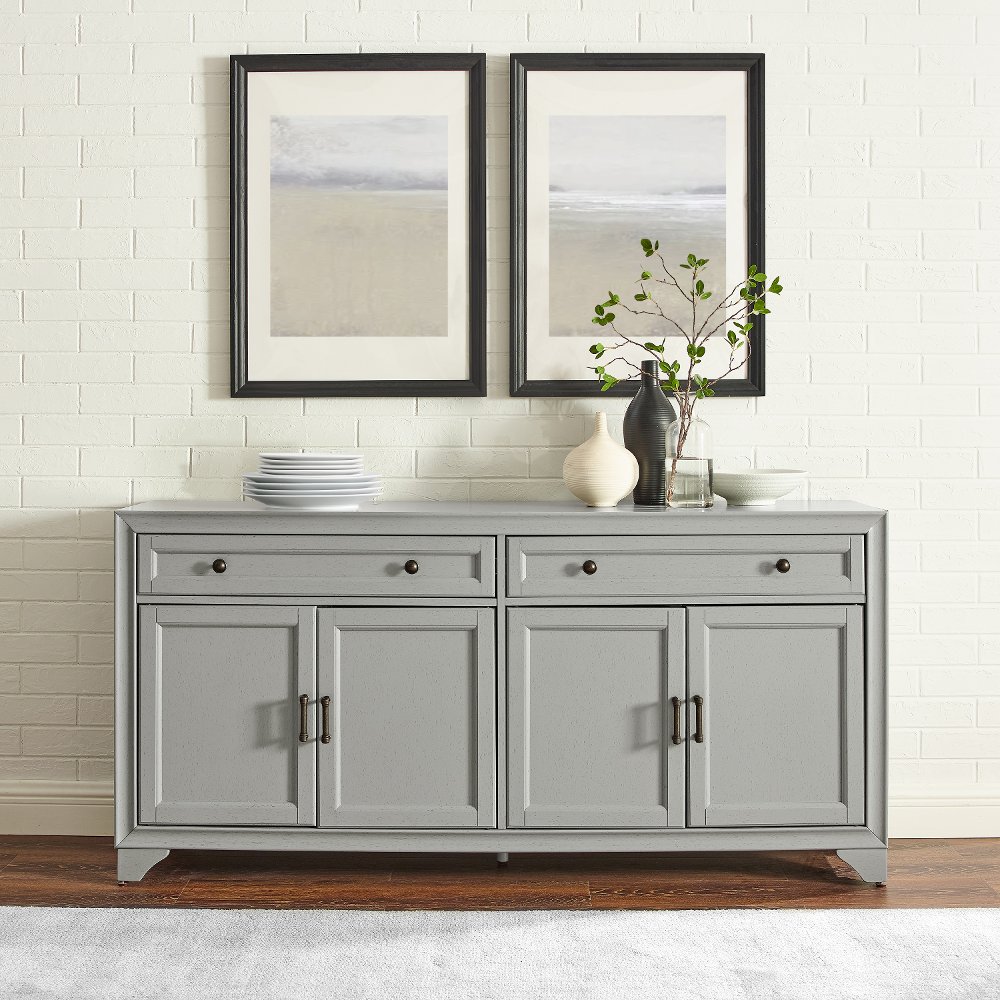
Dark gray cabinets bring depth to a room while keeping the palette flexible. Shades ranging from smoky graphite to rich charcoal create a grounded look that works with contemporary, transitional, industrial, and farmhouse furnishings. Unlike a true black finish, dark gray often reveals subtle undertones: a blue-gray cabinet feels crisp beside white walls and silver hardware, while a warmer gray with brown undertones sits comfortably alongside oak flooring, cream upholstery, and natural wood accents. Those differences matter when a cabinet will stand beside furniture you already own. A finish that looks neutral in one setting may appear cooler or warmer under your lighting, so finish samples, when provided, are useful for comparing colors at home. In a kitchen, dark gray cabinetry pairs naturally with white quartz, marble, or warm butcher block, with each surface creating a different balance of contrast and texture. Light walls and backsplashes help the darker finish feel intentional rather than visually heavy. The same principle applies to a freestanding storage cabinet in a dining room or living area: a pale wall, woven rug, or light wood table gives the silhouette room to stand out. Hardware adds another layer of character. Brushed brass and gold tones introduce warmth, satin nickel keeps the look understated, and matte black creates a quieter, more unified appearance. Door style also changes the effect. Flat fronts emphasize clean lines, shaker-style doors add subtle definition, and glass panels break up a solid cabinet face while putting selected pieces on display. A dark gray cabinet doesn’t need to match every other finish in the room. Repeating its color in a picture frame, lamp base, or patterned textile can connect it to the surrounding furniture without turning the entire space gray. In a smaller room, raised legs or a less bulky profile may preserve a sense of openness. A wider, solid-base cabinet has more visual weight and can anchor a large wall, especially when paired with artwork that suits its scale.
The most useful dark gray storage cabinets fit both the room and the things that need a home. In a dining area, enclosed shelves can hold serving bowls, table linens, and the extra glasses that otherwise crowd everyday cupboards. A living room cabinet might tuck away board games, charging accessories, and photo albums while leaving its top available for a lamp or a few favorite objects. Near an entryway, a compact cabinet can keep bags and household essentials organized, provided its depth leaves enough room to walk comfortably through the space. For a dedicated workspace, Gray Office Cabinets connect this versatile color palette with office storage needs. Adjustable shelves are useful for binders and supply baskets, while drawers can separate smaller accessories from larger equipment. If paperwork is the priority, look for a cabinet specifically designed to accommodate your file size; an ordinary storage drawer may not support hanging files. Fit involves more than the cabinet’s listed width. Overall height and depth, interior shelf dimensions, door swing, drawer extension, and nearby baseboards all influence how comfortably a piece works in your room. A cabinet beside a dining table needs enough clearance for both an open door and a chair pulled back from the table. In a hallway, protruding handles can matter as much as the cabinet body. Shelf weight limits also deserve attention, especially for dishes, books, or office equipment, which become surprisingly heavy when grouped together. Glass doors suit display storage, but solid doors keep a busy mix of belongings out of sight. Open compartments make frequently used supplies easy to reach, though they benefit from baskets or a more orderly arrangement. Cabinets intended for electronics need appropriate ventilation and cable access; closed storage without those features isn’t a good match for equipment that generates heat. Freestanding furniture also differs from cabinetry designed for permanent kitchen installation. Intended use, anchoring requirements, and exposure to moisture help determine whether a cabinet belongs in a dining room, office, utility area, or kitchen.
Materials and construction shape how dark gray cabinets look, feel, and hold up to daily use. Solid wood offers natural variation and can develop character over time, although it responds to changes in indoor humidity. Wood veneer places a thin layer of real wood over a supporting core, giving the surface genuine grain without making the entire cabinet solid wood. Engineered wood, including medium-density fiberboard, can provide a smooth base for painted finishes, while laminate offers a consistent surface that may be practical for everyday storage. Metal cabinets bring a different feel, with a more utilitarian profile that suits some offices and industrial-inspired rooms. No single material guarantees durability; sturdy joints, well-supported shelves, secure hinges, and a finish suited to the intended setting all contribute to reliable performance. Doors should align properly, and drawers should move smoothly without feeling loose. Soft-close hardware, when included, cushions closing movement, but careful use still helps protect hinges and drawer components. Assembly requirements vary, so it’s worth checking whether a cabinet arrives assembled or requires assembly, along with any instructions for securing it to a wall. Follow the manufacturer’s anchoring directions, particularly in homes with children or pets. Dark gray finishes can disguise some everyday marks, but fingerprints, pale dust, and water spots may still show, especially on smooth or glossy surfaces. A soft, dry cloth is a good starting point for routine dusting. For cleaning beyond that, follow the finish-specific care instructions; excess water, abrasive pads, and harsh cleaners can damage painted, veneered, or laminated surfaces. Wipe spills promptly, protect the top from wet planters and hot objects, and avoid dragging rough-bottomed decorations across the finish. A tray beneath frequently handled accessories helps contain clutter and reduce wear in one busy spot. With a size that suits your space, storage arranged around your routines, and a finish that complements the room, a dark gray cabinet becomes more than a strong visual accent. It gives everyday belongings a dependable place to land while helping your home feel composed and comfortable.
Read More