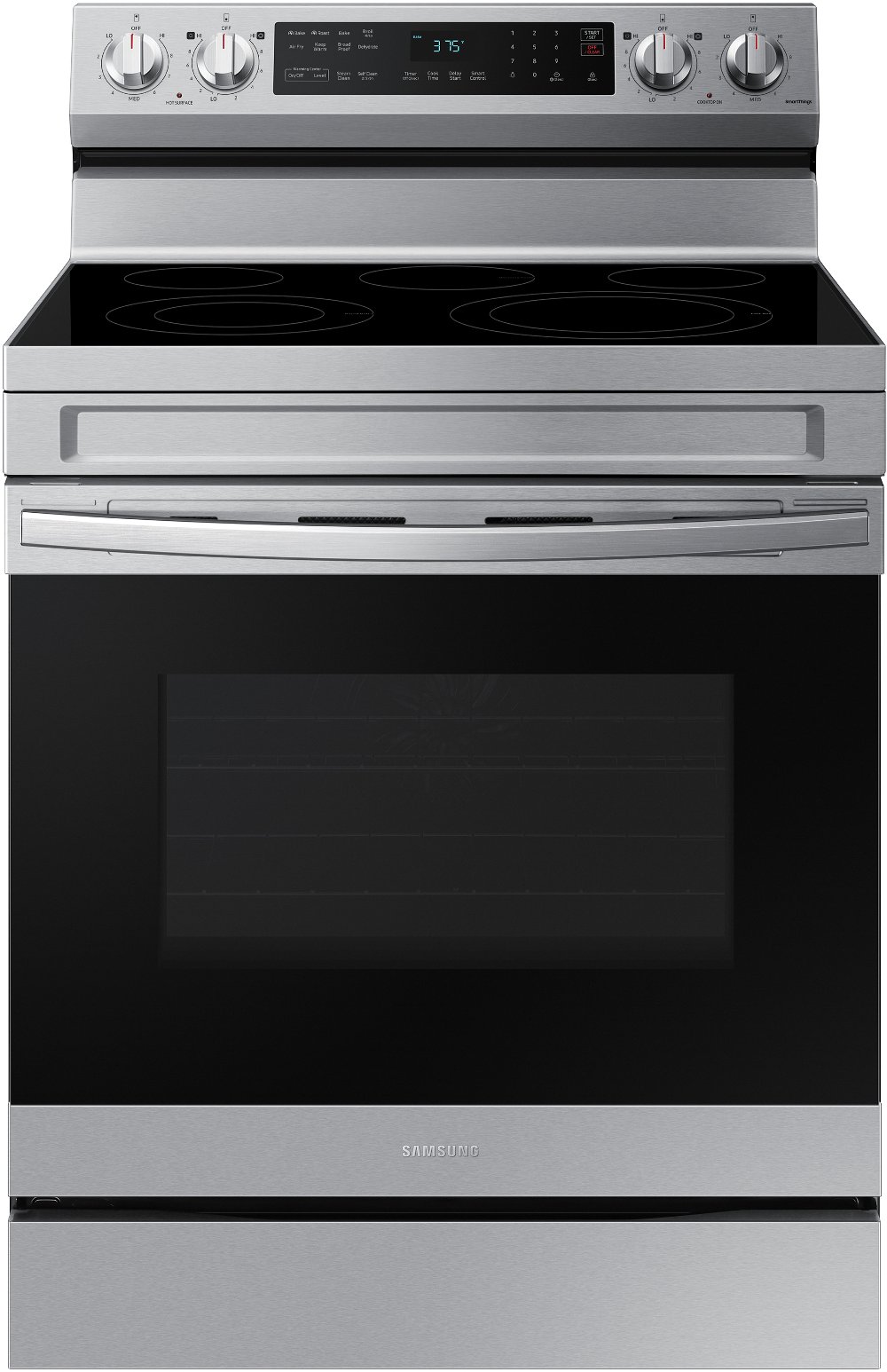
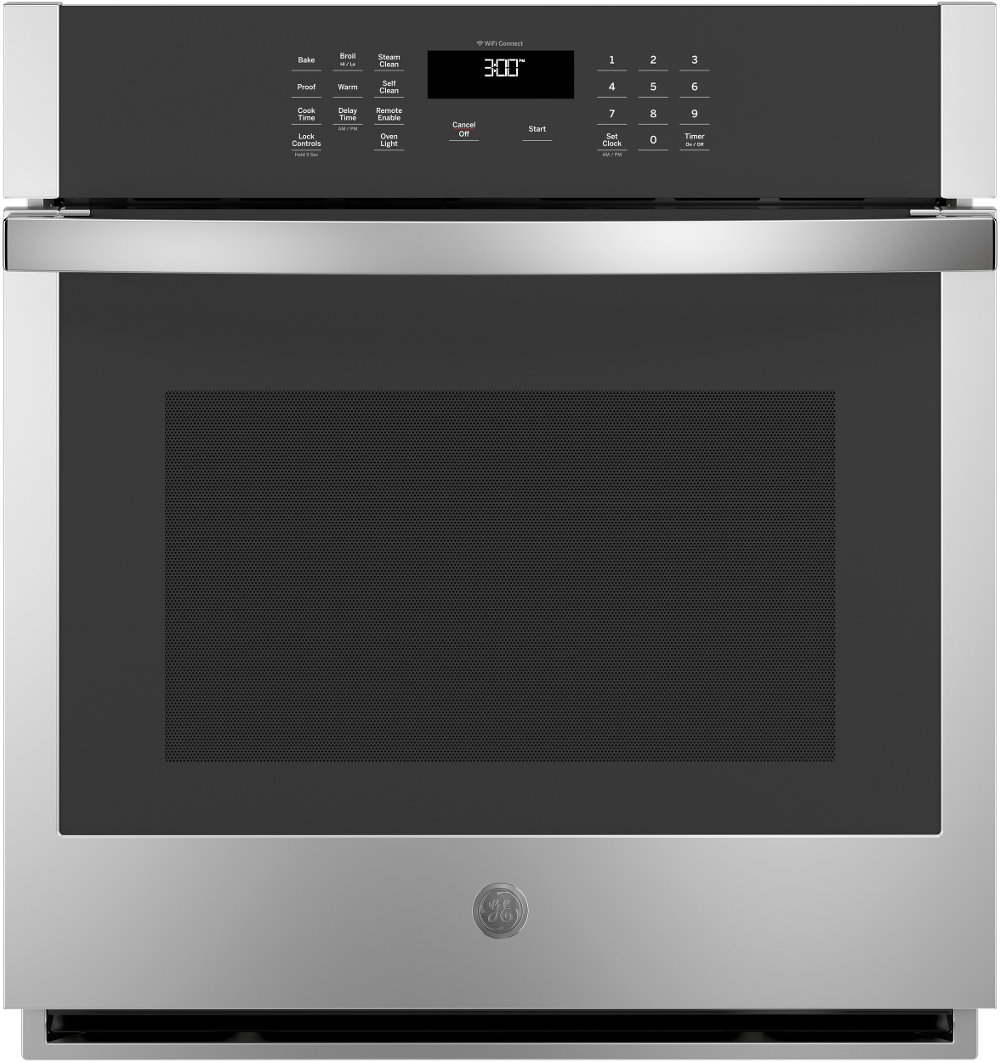
Dehydration ovens make it easier to preserve fruits, vegetables, herbs, and other ingredients by gently removing moisture over an extended period. Instead of cooking food quickly at high heat, a dehydration oven uses low temperatures and steady airflow to create crisp fruit slices, chewy vegetable pieces, fragrant dried herbs, and homemade snack foods. The result can be a practical way to make use of garden produce, farmers market finds, or a generous grocery haul before ingredients lose their freshness. Apples, bananas, berries, mangoes, tomatoes, mushrooms, peppers, onions, and herbs are all popular choices, and the finished foods can be enjoyed on their own or added to trail mixes, oatmeal, soups, salads, baked goods, and sauces. A dedicated appliance may offer more consistent airflow and temperature control than a standard kitchen oven, especially when several trays are in use. Some countertop ovens and multi-function appliances include a dehydrate setting, while others let you select a very low temperature manually. Many dehydration recipes work within a range of approximately 140°F to 175°F, while certain appliances offer settings that begin closer to 90°F for especially gentle drying. Because drying times depend on the food’s water content, thickness, and desired texture, the process may take several hours, and high-moisture foods can take longer. An appliance with multiple racks, a generous interior, and easy-to-clean trays can be a helpful choice for anyone who wants to prepare larger batches without tying up the main oven.
When comparing dehydration ovens, start with the foods you expect to prepare most often and the amount you want to make at one time. A compact unit can suit a small household, apartment kitchen, or occasional snack maker, while a larger-capacity oven may be more useful for garden harvests, family-sized batches, or regular meal preparation. Look for adjustable temperature controls, a timer, removable trays, and a design that allows air to move around each piece of food. Mesh trays or racks can support airflow, and washable components make cleanup simpler after working with juicy fruit or seasoned vegetables. Even slicing matters: pieces around 3–5 millimeters thick, or about ¼ inch, generally dry more evenly than thick or irregular cuts. Arrange food in a single layer with space between pieces rather than stacking them together. For especially moist foods, rotating trays or checking pieces during the process can help create a more uniform result. A standard oven can also be used for dehydration when set to its lowest temperature, often around 140°F to 175°F, with the door propped open slightly to help moisture escape. This method can work for occasional use, but it may require more attention, take up valuable oven space, and produce less predictable airflow. A dedicated dehydration oven offers a convenient alternative for people who prefer a set-up designed specifically for low-and-slow drying. Always follow the appliance instructions and use food-safe preparation practices. When drying meat or making jerky, choose appropriate cuts, trim excess fat, follow a tested recipe, and use a reliable food thermometer and current food-safety guidance to help ensure the finished product reaches a safe temperature before storage.
Dehydration ovens can become part of many different routines. A home gardener may use one to preserve tomatoes, zucchini, apples, or herbs when the harvest arrives all at once, turning a crowded kitchen counter into jars and containers of ingredients that can be enjoyed during the cooler months. A parent may prepare portable fruit snacks for school days, road trips, or weekend activities, while a hiker or camper can make lightweight foods that pack easily and keep well when prepared and stored correctly. Cooks who enjoy building flavor from scratch may dry citrus peel, garlic, mushrooms, or chiles for seasoning blends, soup starters, and pantry staples. These appliances can also make thoughtful gifts for newlyweds, first-time homeowners, gardeners, outdoor enthusiasts, and anyone who enjoys practical kitchen tools. They pair especially well with a basket of fresh produce, reusable storage containers, recipe cards, or herbs from a backyard garden. After drying, allow food to cool completely before placing it in airtight containers, then check for remaining moisture and store it according to the recipe or preservation guidance. A comfortable place to keep the appliance, enough counter or cabinet space, and a clear plan for tray storage can make regular use much easier. If you’re exploring other specialty countertop cooking functions, you can also browse Proofing Ovens for appliances designed to support careful temperature control in a different part of the kitchen. With the right capacity, controls, airflow, and cleanup features, a dehydration oven can help you preserve ingredients thoughtfully and turn everyday produce into snacks and pantry favorites you’ll be glad to have on hand.
Read More