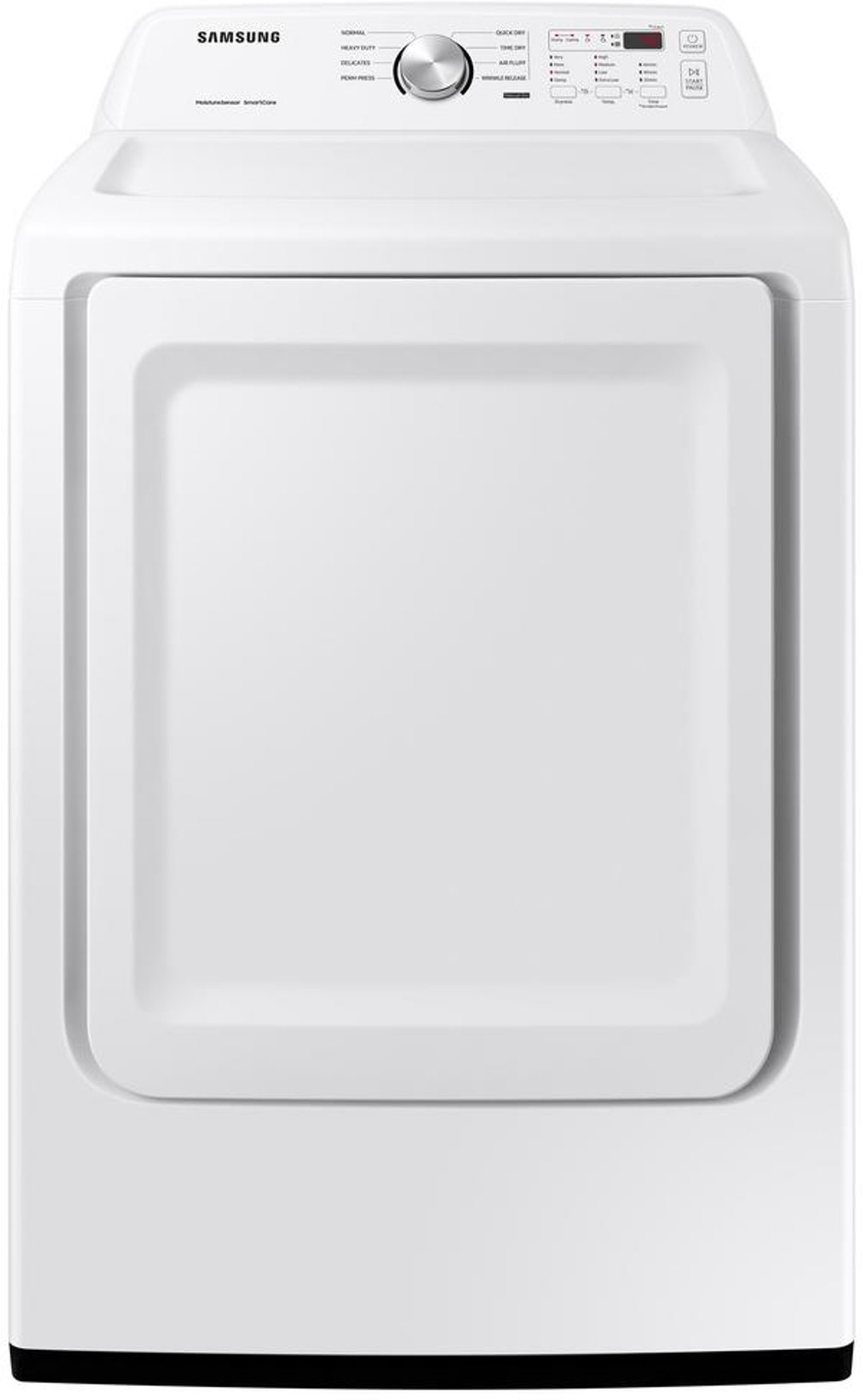
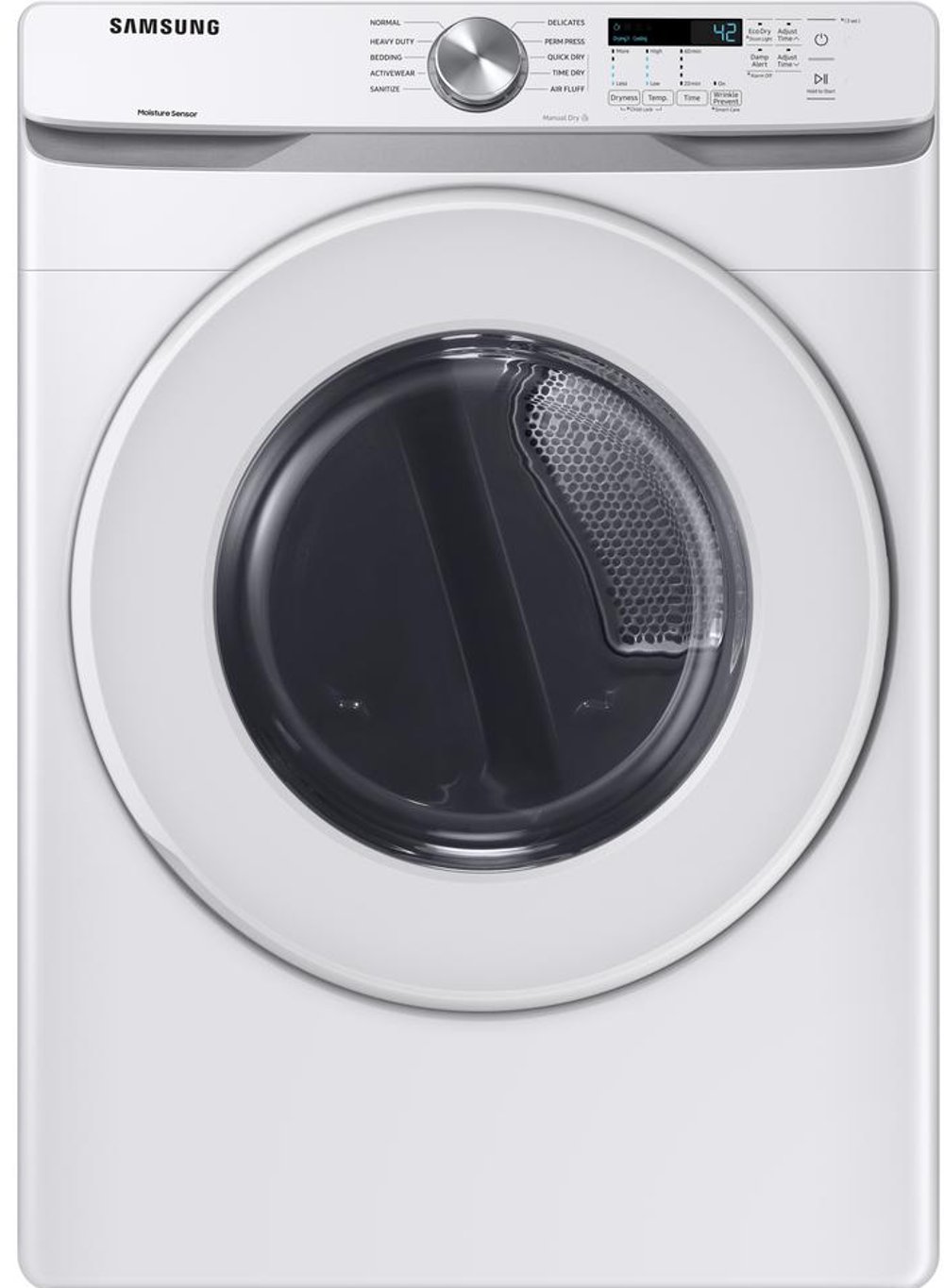
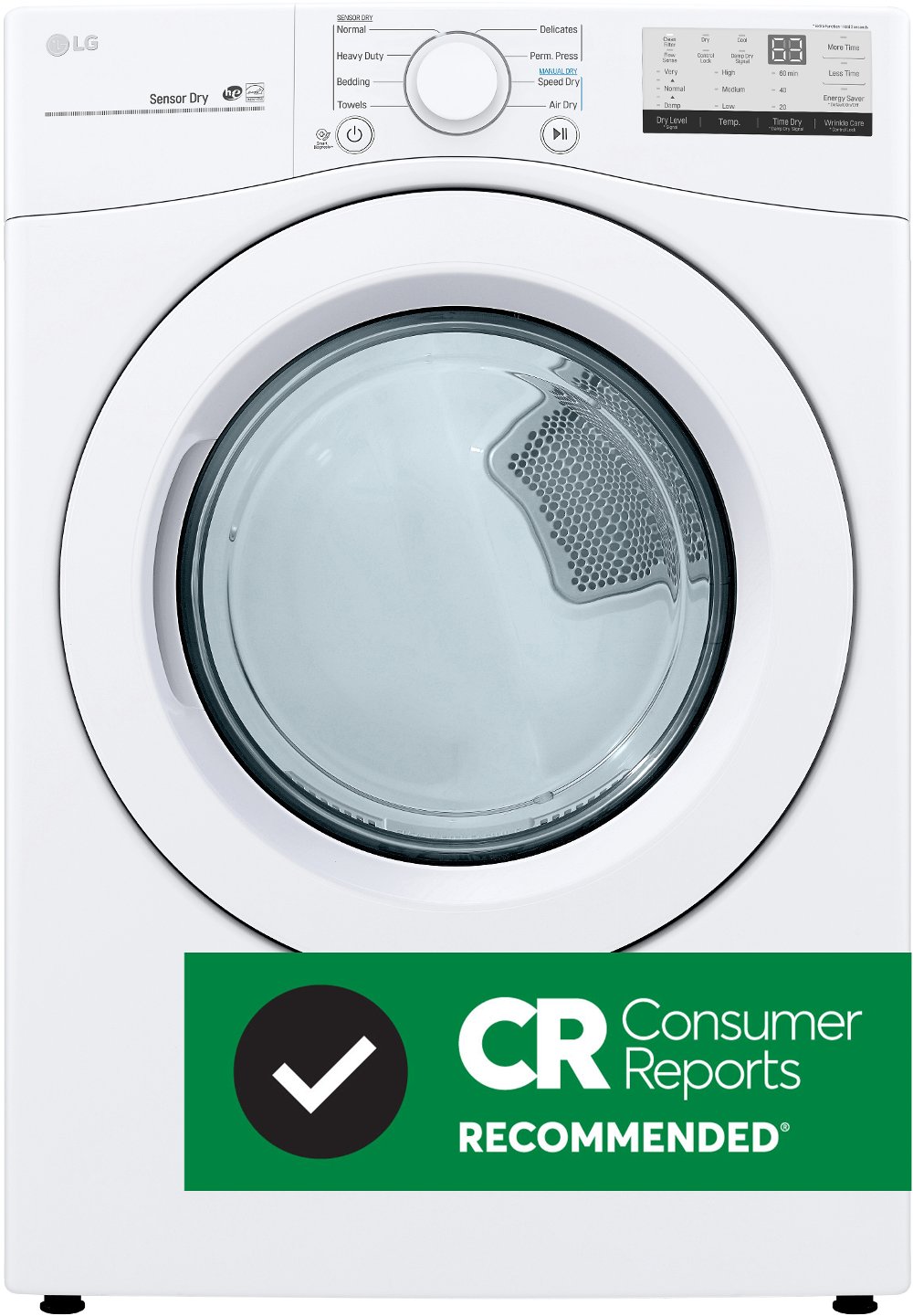
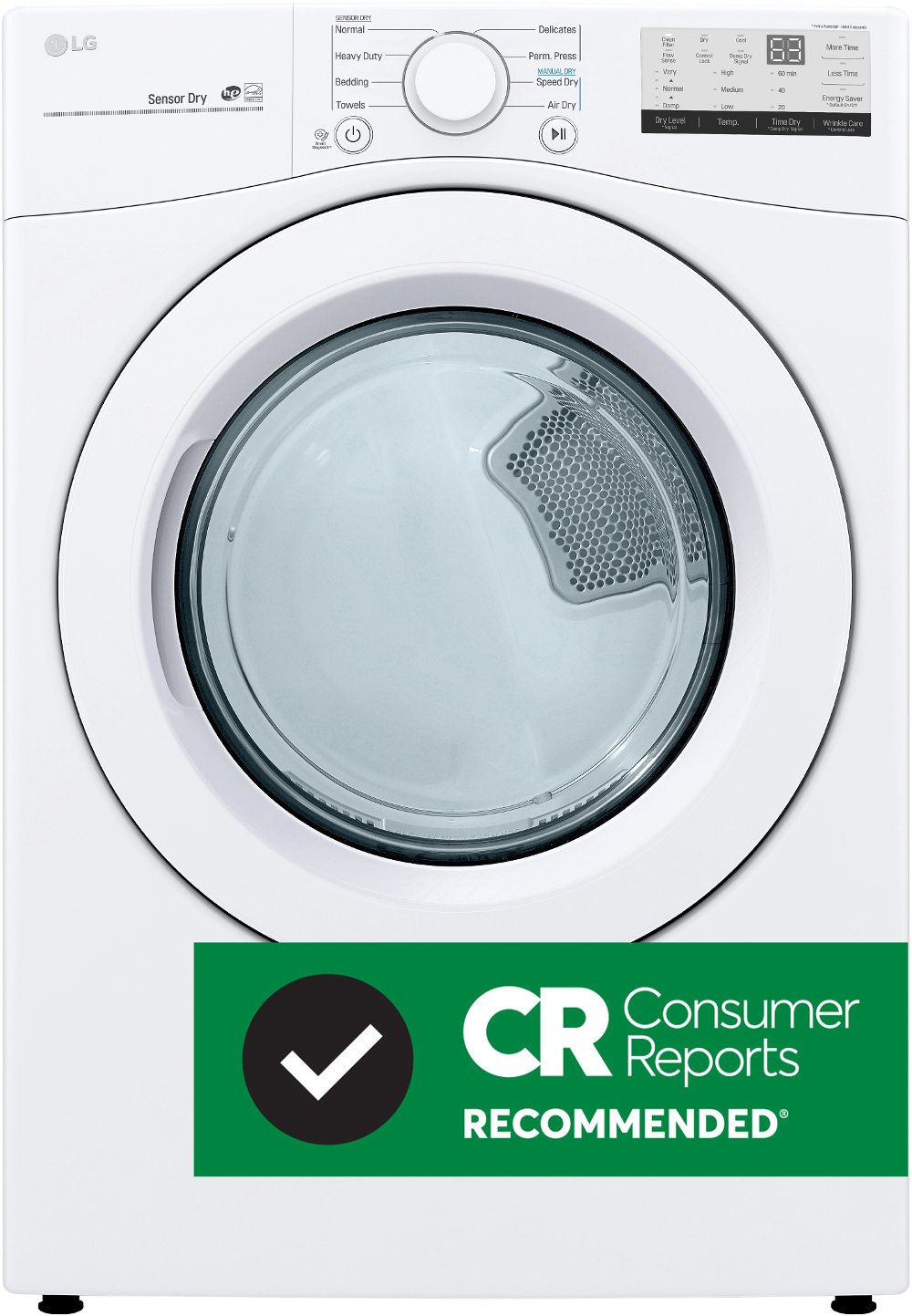
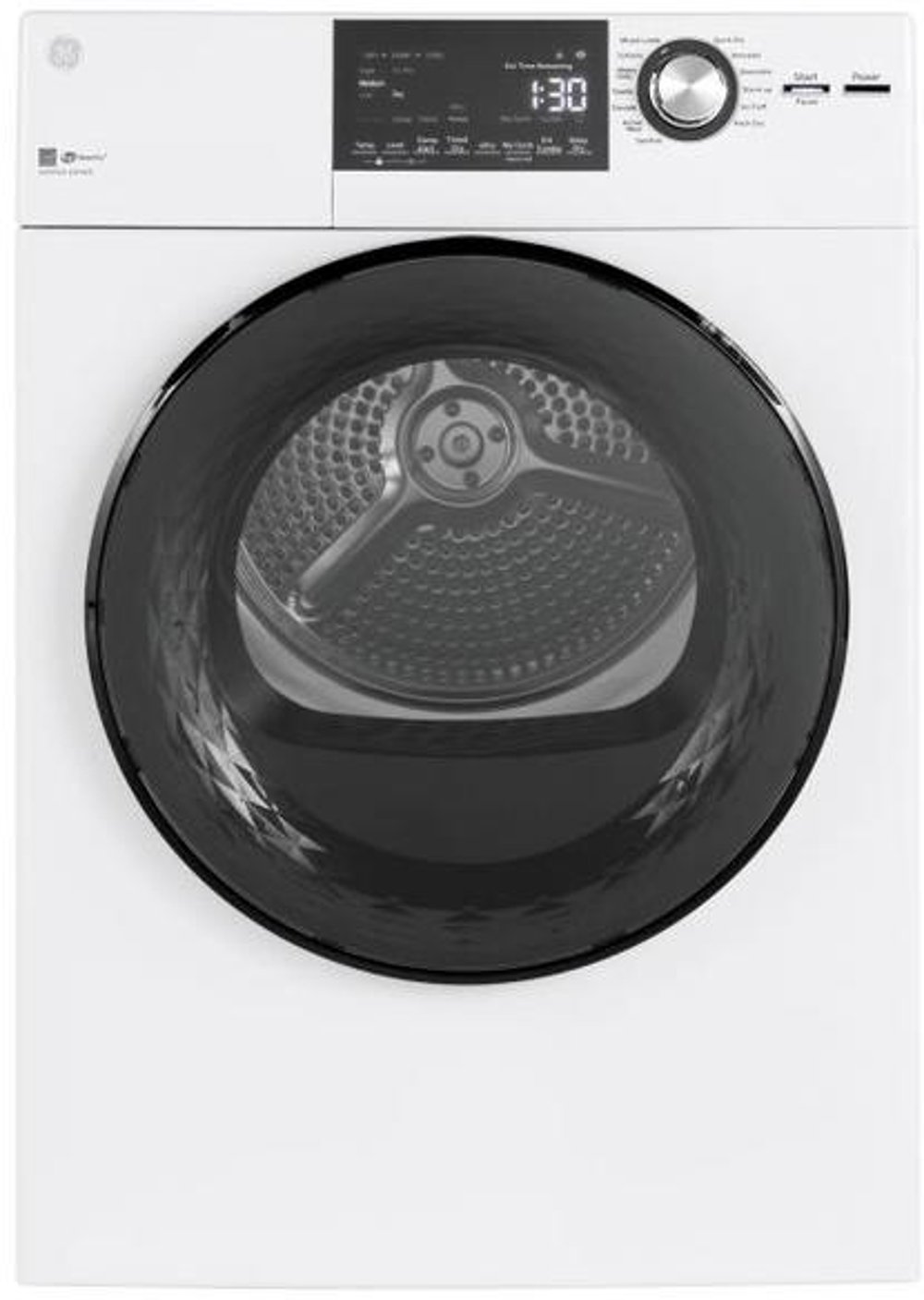
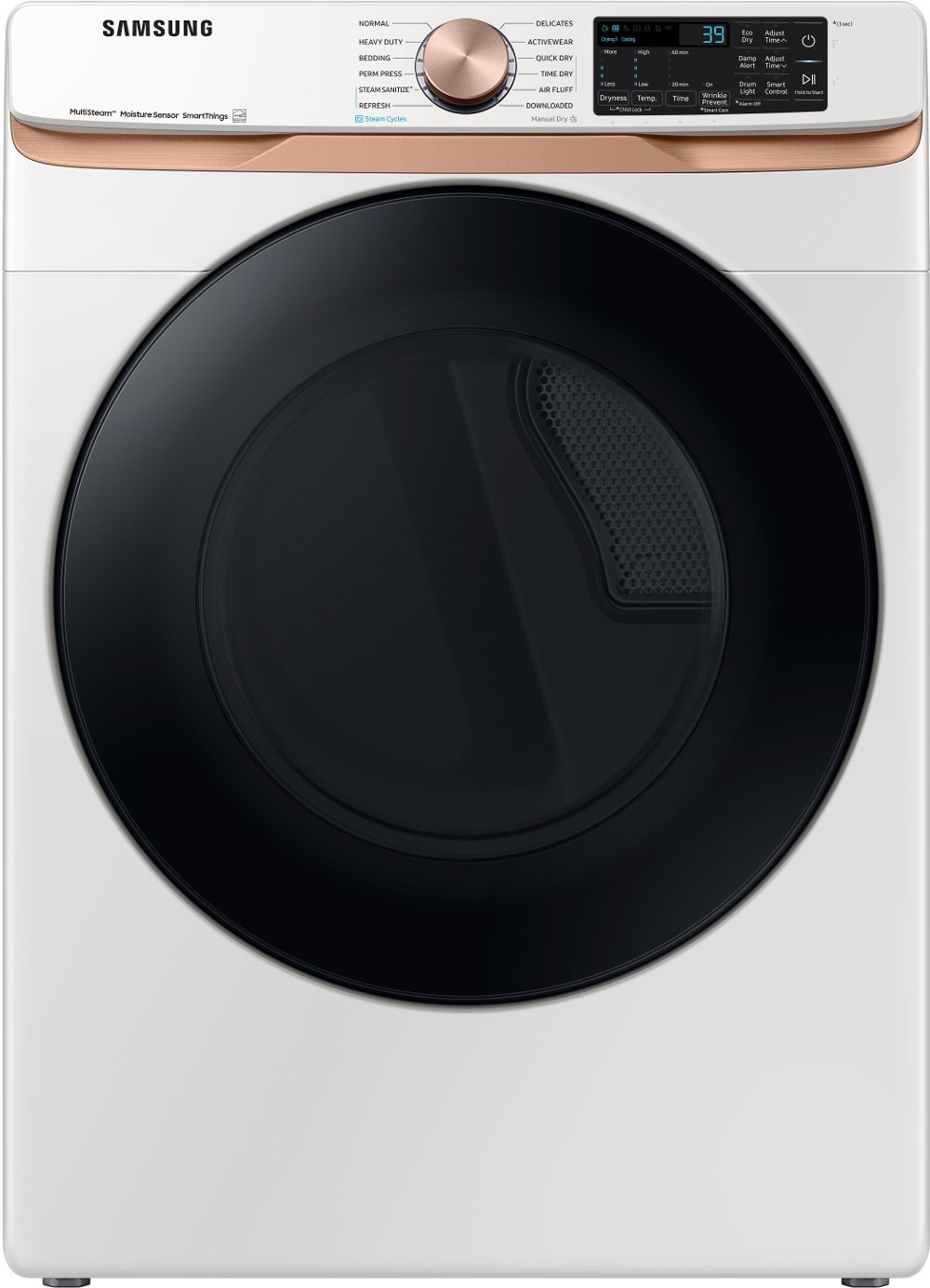
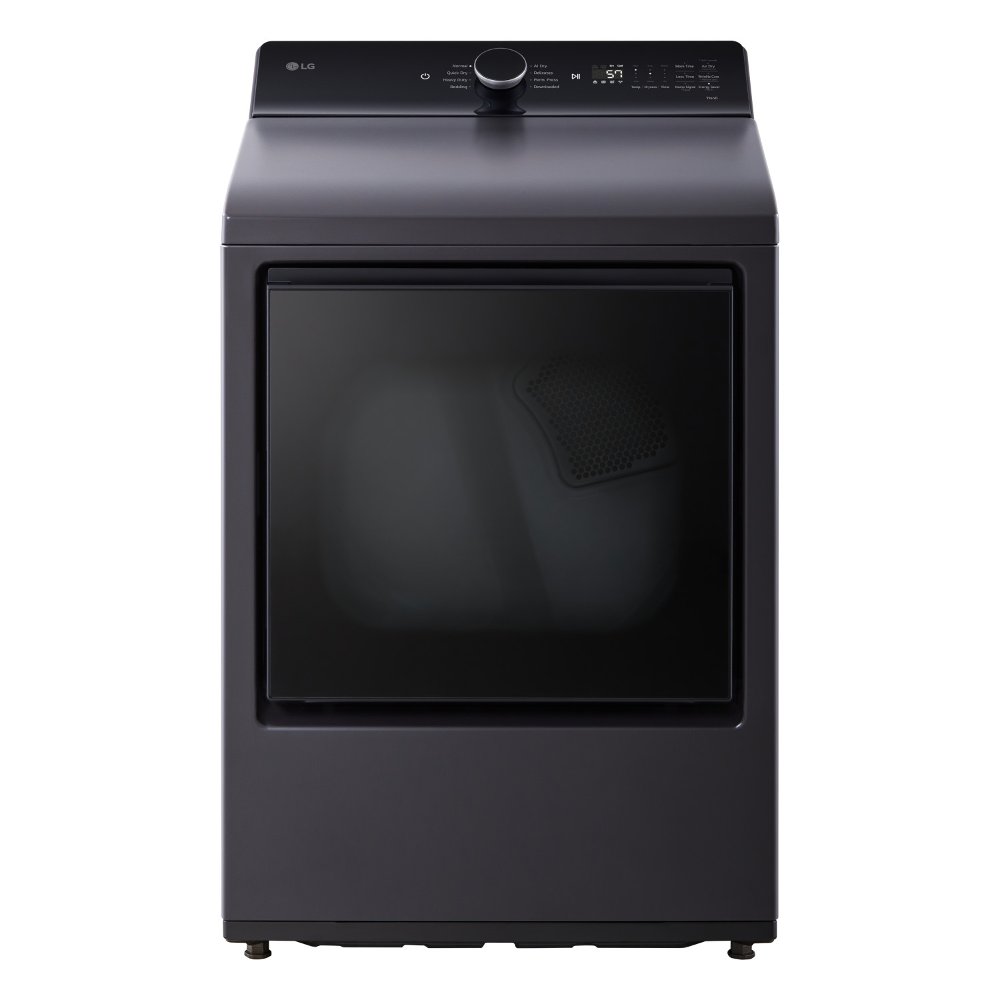
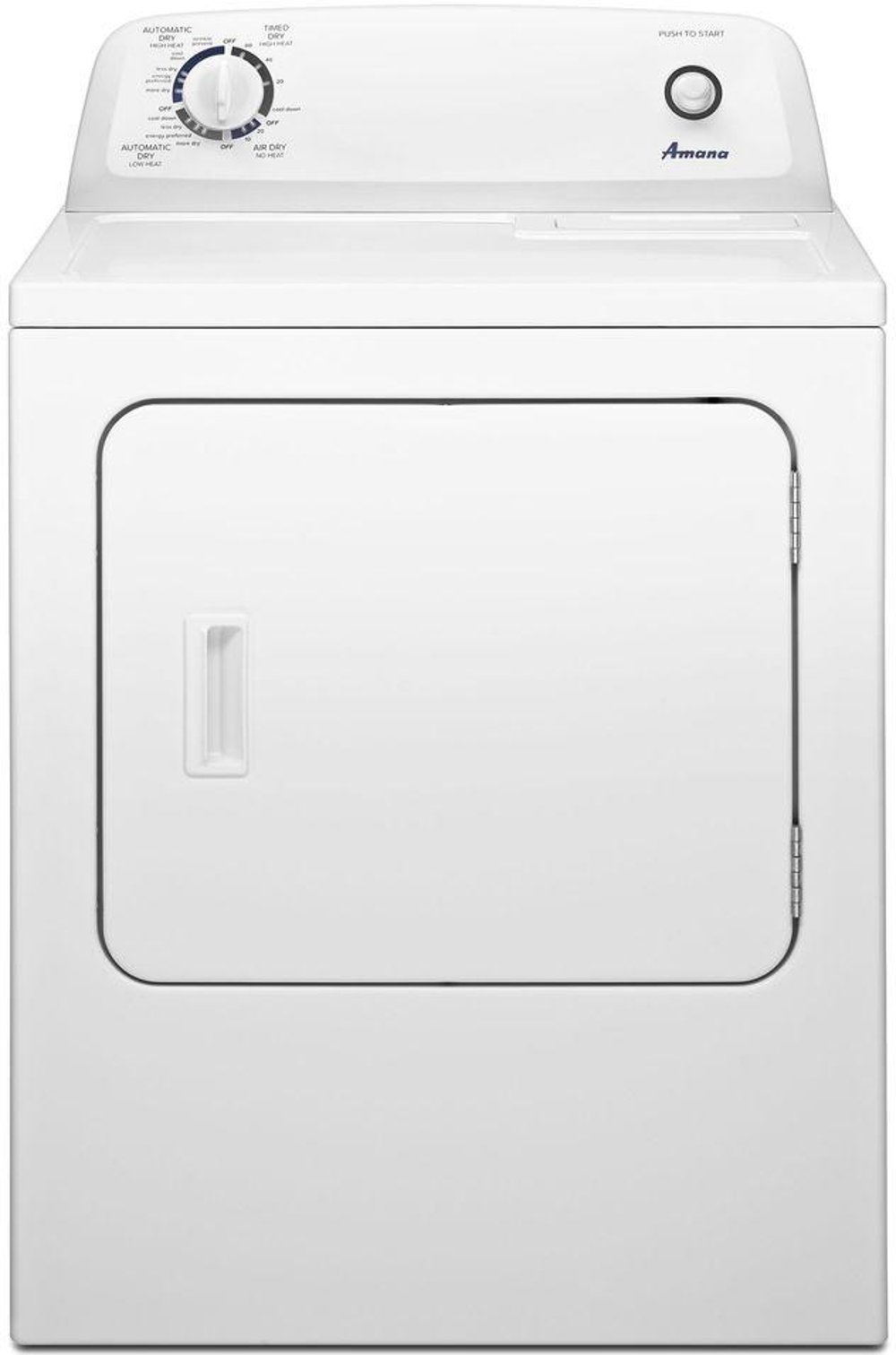
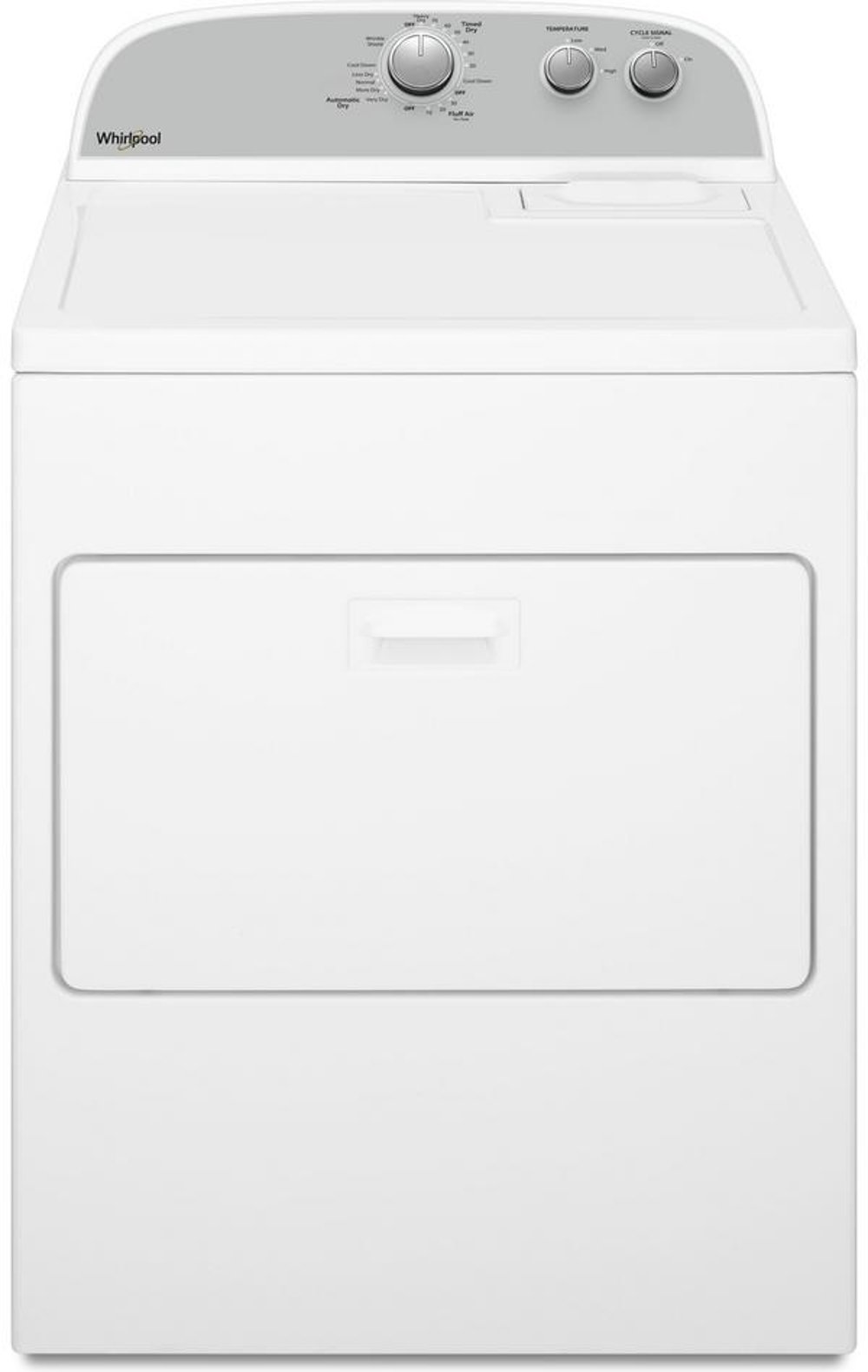
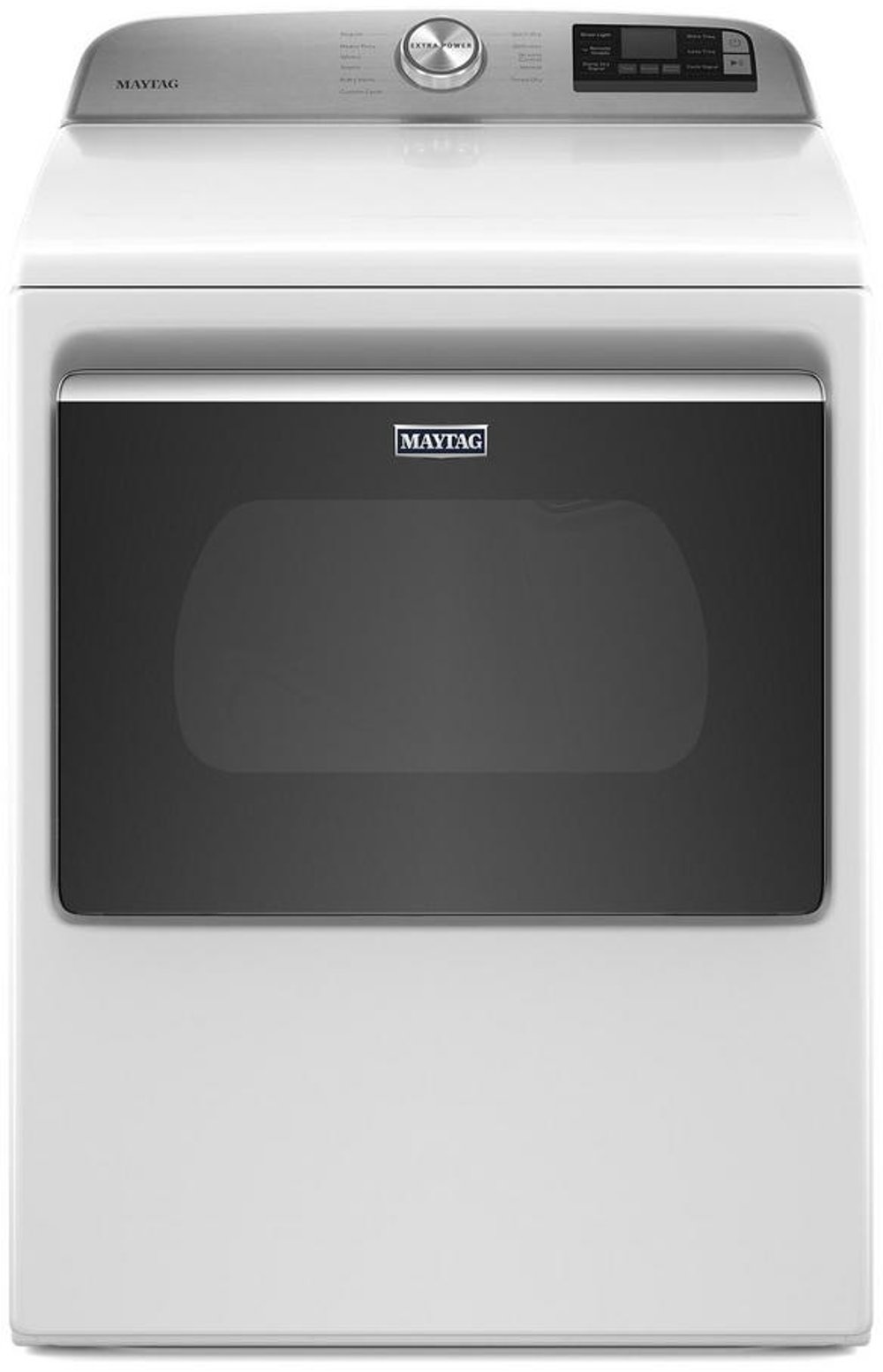
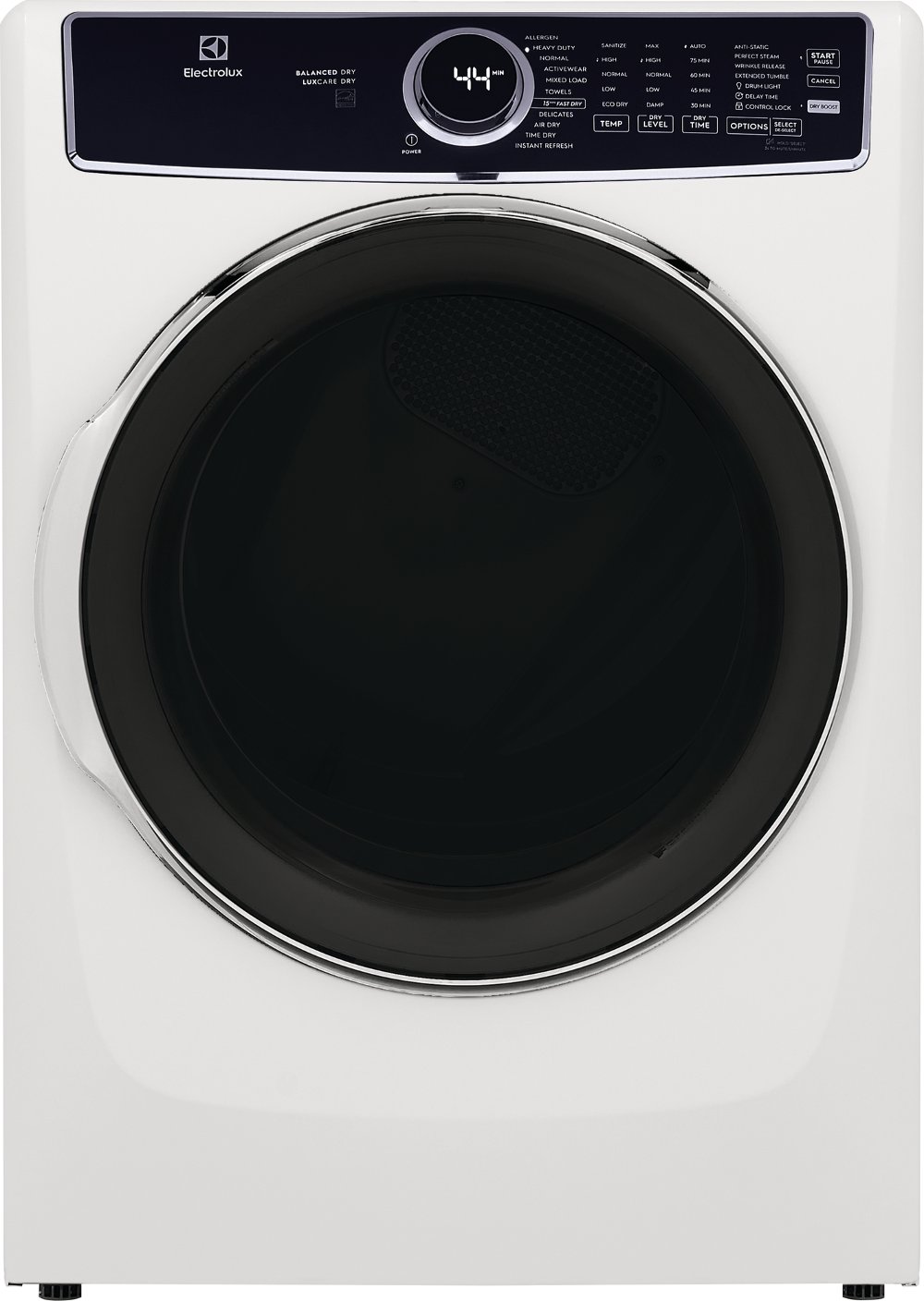
Sensor dry dryers use moisture-sensing technology to adjust drying time to the needs of each load, rather than relying only on a preset timer. In many models, two metal sensor bars inside the drum make contact with clothing as it tumbles. Damp fabric conducts a small electrical current between the bars; as moisture leaves the fabric, conductivity decreases and electrical resistance increases. The dryer uses that changing signal to help determine when the load has reached the selected dryness level and end or adjust the cycle. Some designs also use temperature readings to manage drying performance. For everyday laundry, that means a load of cotton shirts and a basket of thick bath towels can receive different drying times without requiring you to guess how many minutes each needs. Compared with running a timed cycle longer than necessary, moisture-sensing cycles can reduce unnecessary drying, help limit energy use, and lessen the extra heat exposure that contributes to fabric wear and shrinkage. Results depend on the dryer, cycle settings, fabric mix, and load size, so sensor drying works best alongside the instructions on each garment’s care label. It doesn’t make every fabric suitable for tumble drying or replace the need to choose an appropriate heat setting. The appeal is straightforward: less time spent checking whether sleeves are still damp and fewer loads left tumbling after they’re already dry. These dryers fit the routines of busy households, people who wash smaller batches throughout the week, and anyone looking for more consistent care for everyday clothing and linens. Adjustable dryness settings, where included, add flexibility for different tasks. A lower dryness target may suit washable pieces headed to the ironing board, while a higher setting may help with heavier cotton loads when their care labels allow it. Across the category, the most useful features are the ones that match what goes into your laundry basket, whether that’s school clothes, work shirts, workout gear, or the towels that seem to multiply between laundry days.
Choosing a sensor dry dryer also means finding the right physical fit and installation type for your home. Moisture sensing is a drying feature, not a fuel type, and it can appear on gas, conventional electric, and heat pump dryers. A conventional electric dryer generally requires a compatible 240-volt electrical connection, while a gas dryer needs the correct gas supply and electrical connection specified by its manufacturer. Heat pump dryers use electricity and recirculate drying air through a heat-exchange system; many operate without an exterior exhaust vent. Electrical requirements vary, so the appliance specifications and installation instructions matter more than assumptions based on an existing dryer. For vented models, the exhaust route needs to meet the manufacturer’s requirements and applicable local codes. For ventless designs, check how collected moisture drains or whether a water container needs emptying. Measure the laundry space with room for required clearances, connections, ventilation, and the open door, then check the delivery path through doorways, halls, and stairs. A dryer that fits against the wall still needs enough working space for you to lift a full laundry basket and reach comfortably into the drum. Capacity deserves the same practical attention. Clothes need room to tumble, and a tightly packed drum can leave seams, pockets, and the middle of bulky bedding damp. Match dryer capacity to your typical washer loads, and confirm that any blankets or comforters fall within the dryer’s recommendations. Stacking can free up floor space, but it requires compatible appliances and the approved stacking kit; similar dimensions alone don’t establish compatibility. Door swing, control placement, interior lighting, and a reachable lint filter can make a noticeable difference in daily use. Drum construction is another useful comparison point. Stainless steel resists corrosion and provides a durable interior, while coated drums offer a smooth surface that should be protected from sharp objects and loose hardware. A look at Modern Dryers can help put sensor drying in context alongside other designs and convenience features. Keep the focus on usable space, fabric-care settings, and installation requirements rather than choosing by the number of cycles alone.
Everyday performance depends on how well the dryer’s features work with your laundry habits. A household washing jeans, lightweight shirts, and towels together may find that separating those fabrics produces more even results. Thin material dries faster than thick waistbands and folded towel edges, and a sensor reads the fabric that contacts it—not every part of every garment. Very small loads can also be challenging because a single shirt or pair of pants may not brush the sensor bars often enough, allowing an automatic cycle to end before the item is fully dry. A timed-dry option can be useful for those small loads when used according to the garment label and dryer instructions. Bulky pieces may need to be loosened or repositioned during drying if they roll into a bundle. These are worthwhile considerations when comparing controls: clearly labeled sensor cycles, adjustable dryness levels, suitable heat settings, and a manual timed option offer practical flexibility. Delicate and activewear settings can be helpful, but the fabric label still determines whether an item belongs in the dryer. Wrinkle-reduction options, where included, may continue tumbling after a cycle to help prevent clothes from sitting in a compressed pile, though they don’t guarantee an iron-free finish. Routine care supports both drying performance and durability. Clean the lint filter as directed, typically before or after each load, and keep the exhaust system of a vented dryer properly maintained. Ventless models may have additional filters or heat-exchanger maintenance requirements. Fabric-care residue can build up on moisture sensor bars, so use only the cleaning method recommended in the owner’s manual to keep those surfaces working properly. Empty pockets to keep coins, screws, and other hard objects out of the drum. With a suitable installation, straightforward maintenance, and cycles matched to your fabrics, a sensor dry dryer can make laundry more predictable while helping your everyday clothes and household linens receive the drying time they need.
Read More