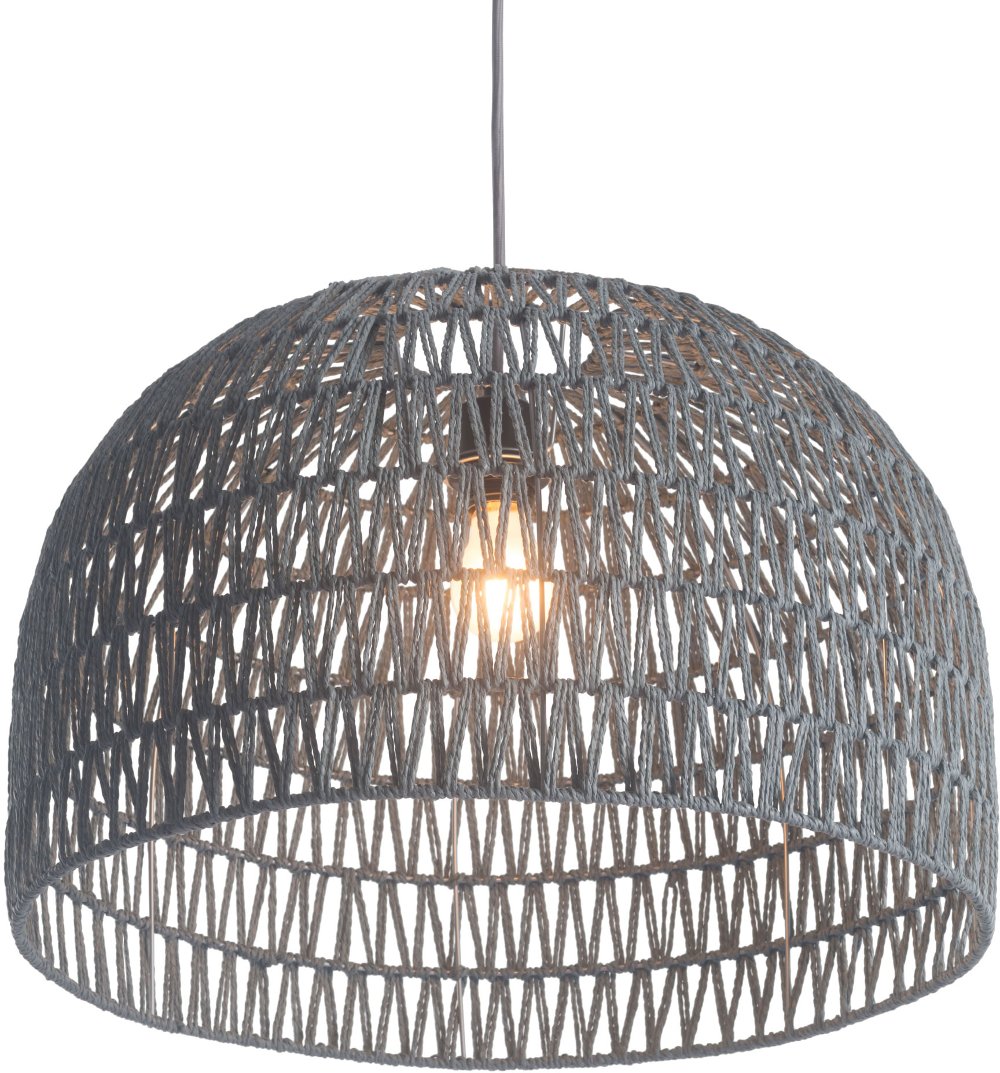
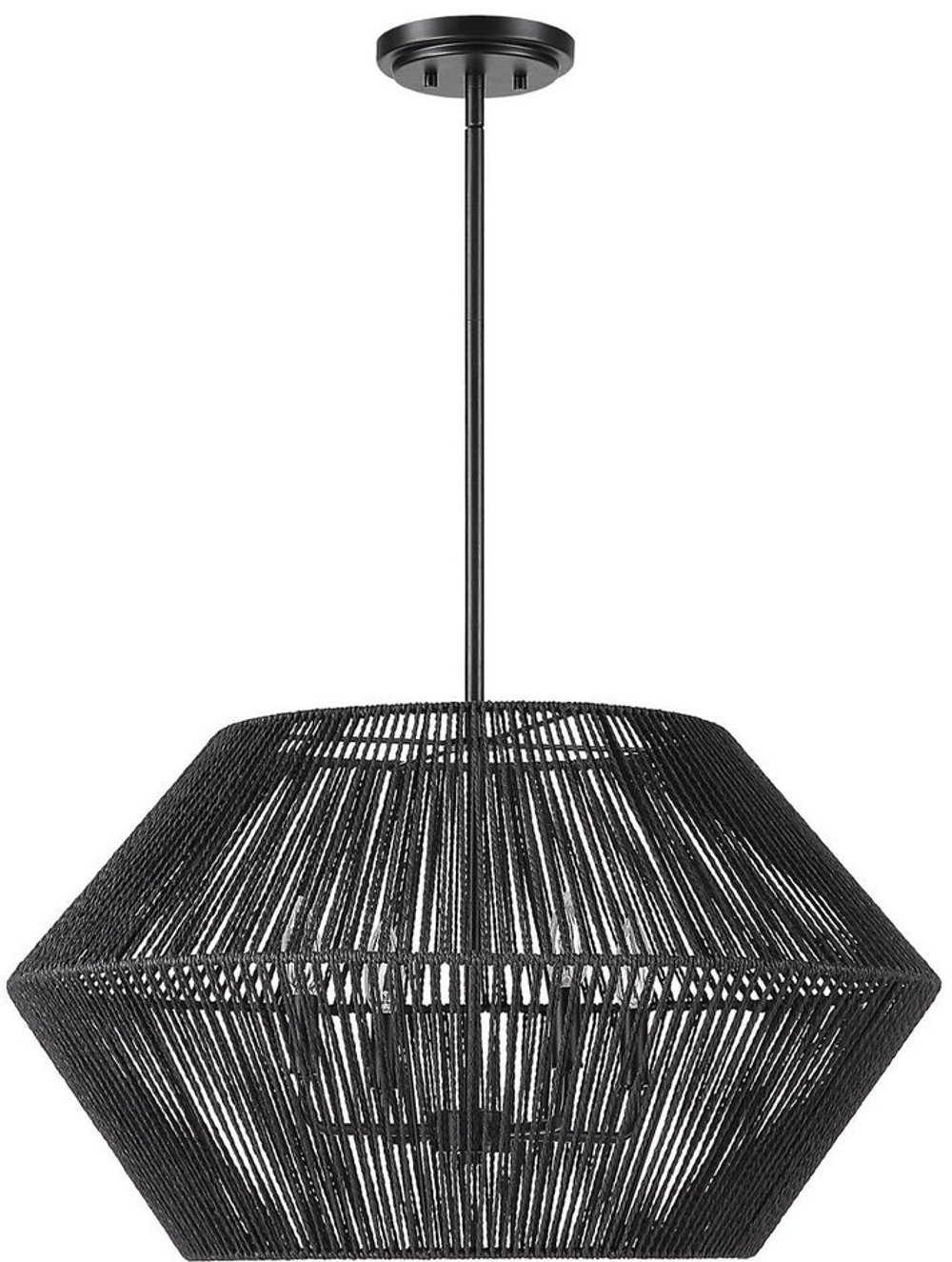
Dining room lighting brings comfort and character to a space that often does more than host dinner. The same table might hold a breakfast spread, a school project, and a relaxed meal with friends, so the most useful lighting feels inviting while giving you enough visibility for everyday tasks. Chandeliers, pendant lights, and flush or semi-flush ceiling fixtures each offer a different balance of illumination and visual presence. A chandelier can anchor a formal dining room or add personality to a casual gathering space, while a linear pendant follows the length of a rectangular table without feeling crowded at the center. Round fixtures often look balanced above round or square tables, and a series of smaller pendants can spread light along a longer surface. For balanced proportions, an overhead dining fixture roughly one-half to two-thirds the width of the table is a helpful starting point. Keep its shape and visual weight in mind, too: An open metal frame may feel lighter than a solid shade with similar dimensions. With a standard 8-foot ceiling, the bottom of a chandelier or pendant typically sits about 30 to 36 inches above the tabletop. That range generally allows guests to see across the table while keeping light close to the dining surface; taller ceilings, fixture construction, and manufacturer instructions may call for adjustments. Centering the light over the table, rather than automatically centering it in the room, helps the furniture and fixture feel connected. In a smaller dining nook or a room with a lower ceiling, a flush or semi-flush fixture can provide overhead light with less drop. For an extendable table, consider its everyday size along with its expanded footprint. A fixture should feel comfortable during a quiet meal for two and still provide useful coverage when extra chairs come out.
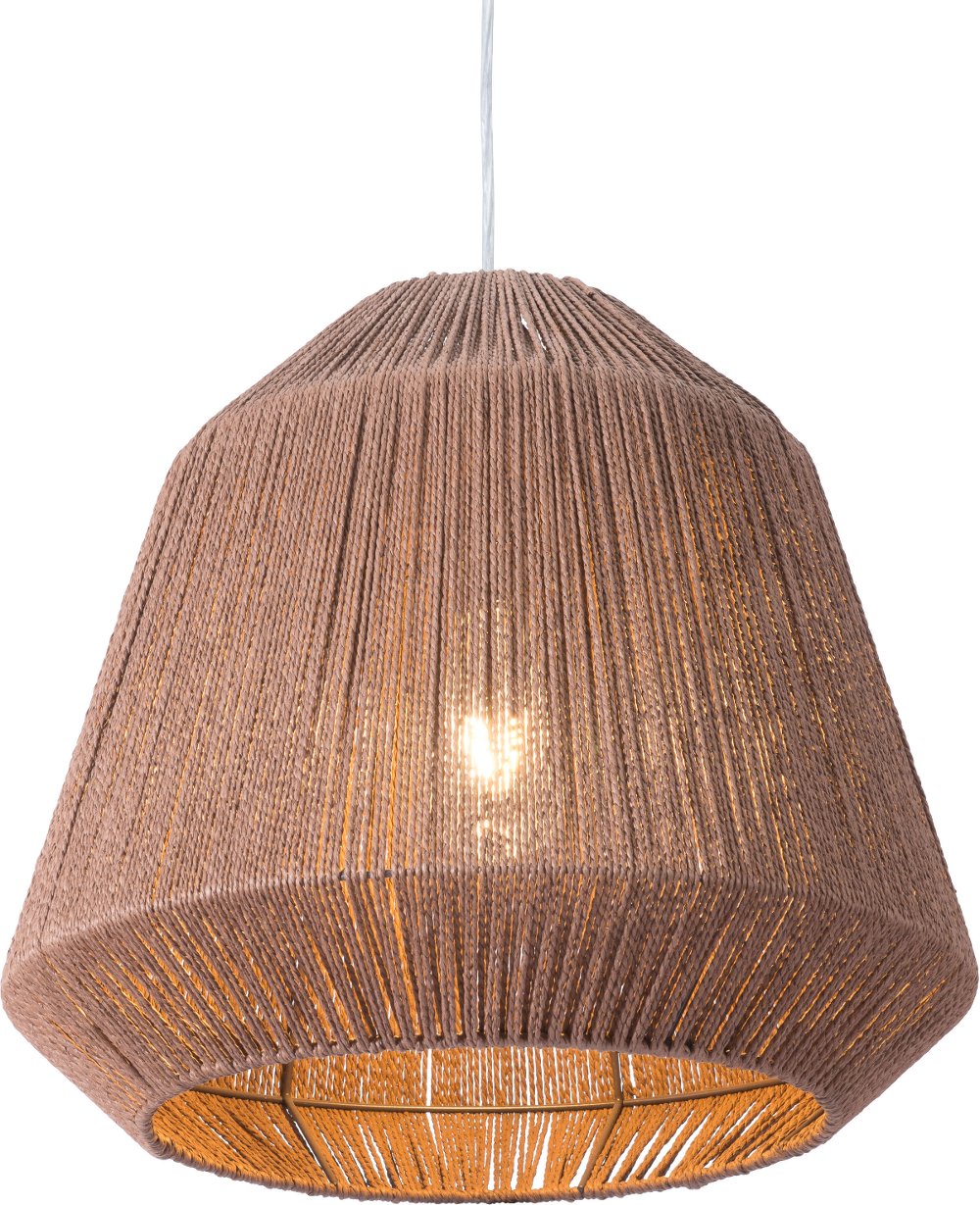
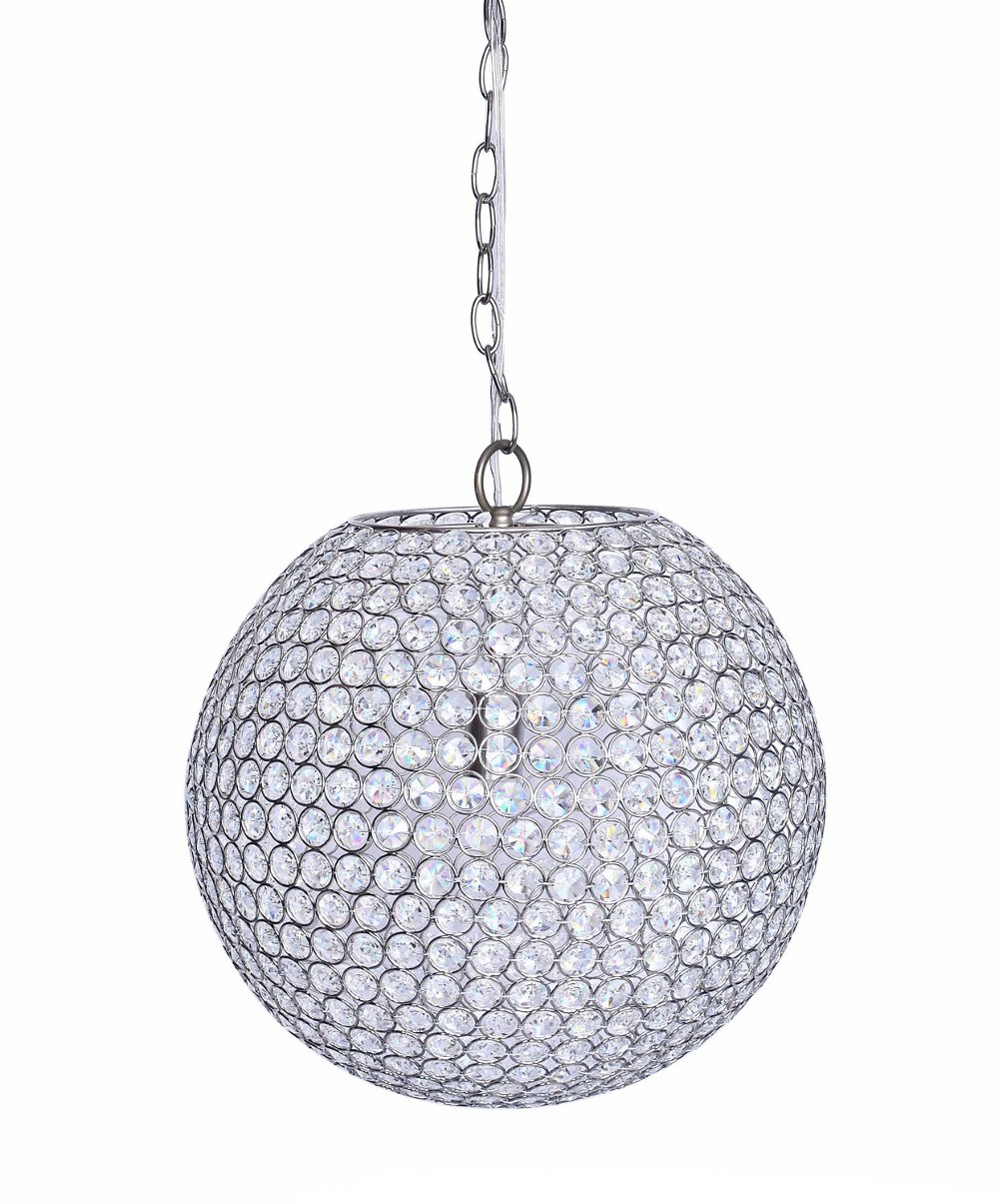
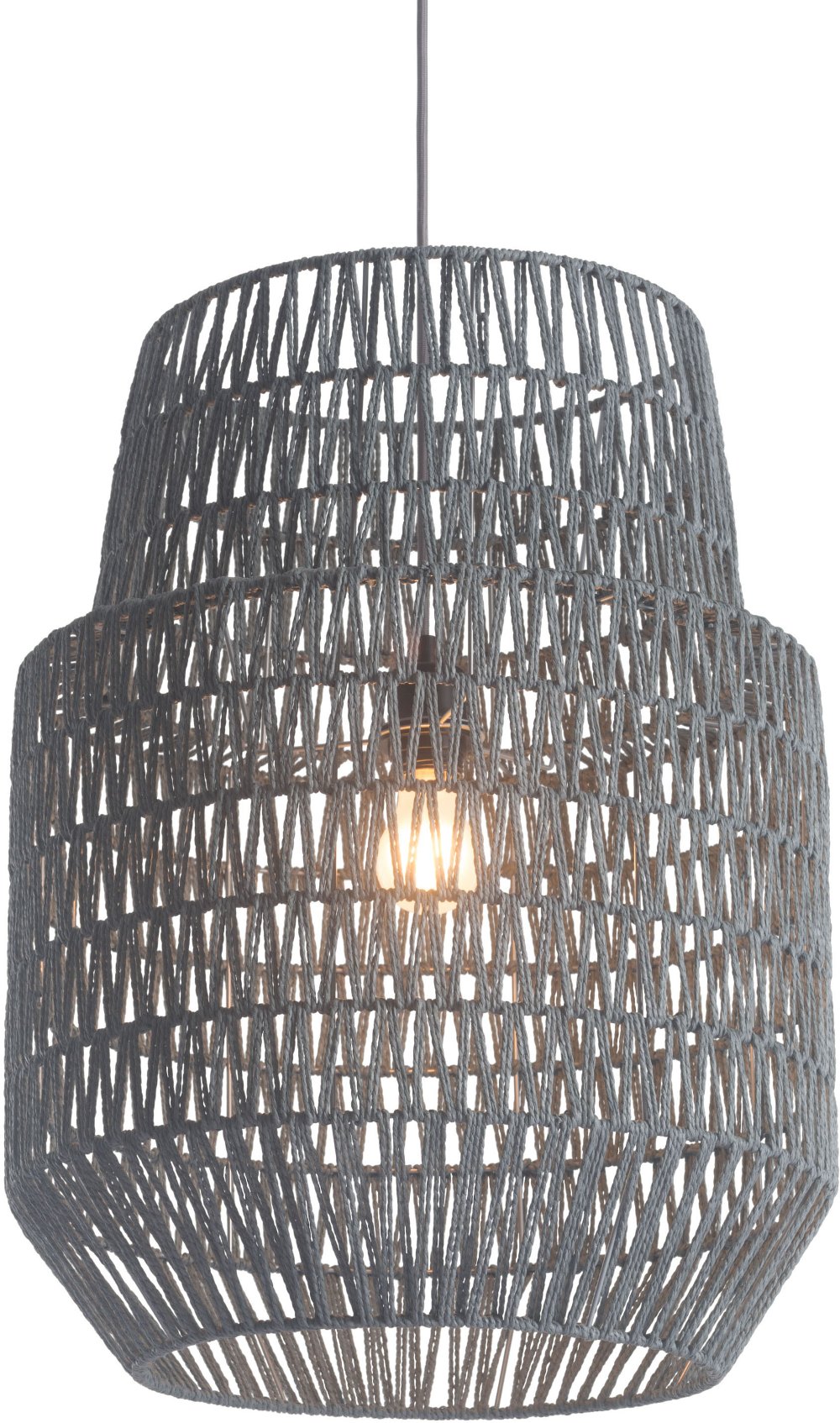
Materials and finishes give dining room light fixtures much of their personality, but they also influence how the light looks and how much upkeep a fixture needs. Clear glass shades reveal the bulb and can create a bright, sparkling effect, making bulb shape and glare worth considering from a seated position. Opal or frosted glass softens the light and helps reduce the sharp brightness of an exposed bulb. Fabric shades create a gentler glow that works well with upholstered dining chairs and relaxed interiors, though they benefit from regular dusting and some distance from cooking grease in an open kitchen layout. Metal shades direct light more deliberately, often concentrating it on the tabletop rather than spreading it evenly throughout the room. A wood accent, woven detail, or textured finish can bring warmth to a simple space, while crystal and polished surfaces add reflections that become especially noticeable after dark. Modern dining room lighting often features clean lines and restrained shapes; traditional designs may include curved arms, shaded bulbs, or decorative glass. Farmhouse and industrial styles tend to emphasize familiar materials, visible structure, and finishes with a little texture. Matching every metal in the room isn't necessary. Repeating a finish from cabinet hardware, chair legs, or a nearby mirror can give the space a cohesive look without making it feel overly coordinated. Durability depends on construction, finish quality, and care as much as appearance. Secure shade attachments, well-supported components, and a finish suited to the setting matter for fixtures that will stay in place for years. For routine care, turn the light off, let bulbs cool, and follow the manufacturer's cleaning directions. A soft, dry cloth handles many metal surfaces, while glass may need a manufacturer-approved cleaning method to remove fingerprints. Avoid spraying cleaner directly onto sockets or electrical components. Fixtures with numerous glass pieces or intricate details usually take more time to clean than simpler shapes, a practical consideration when the light hangs above a large table.
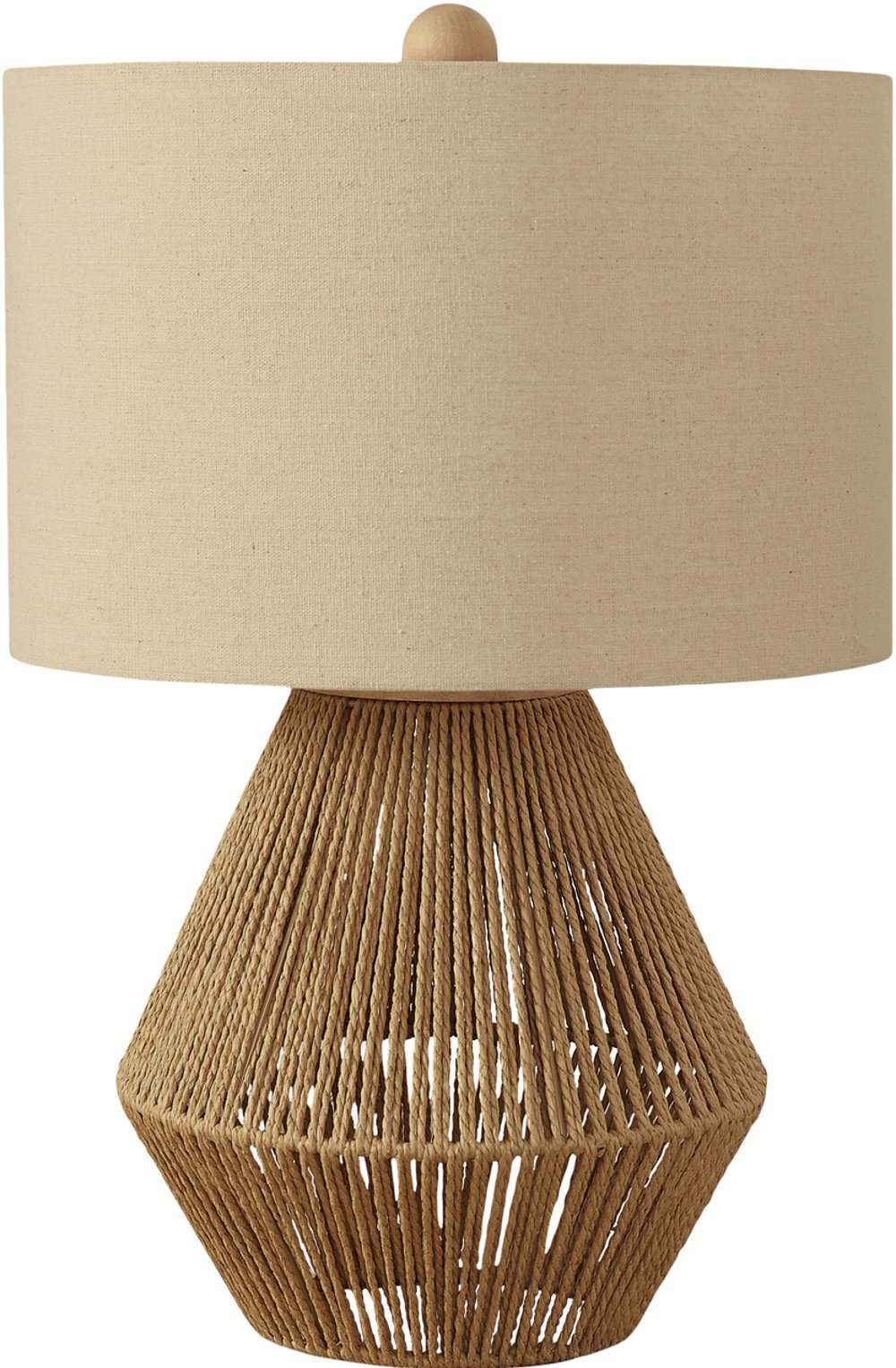
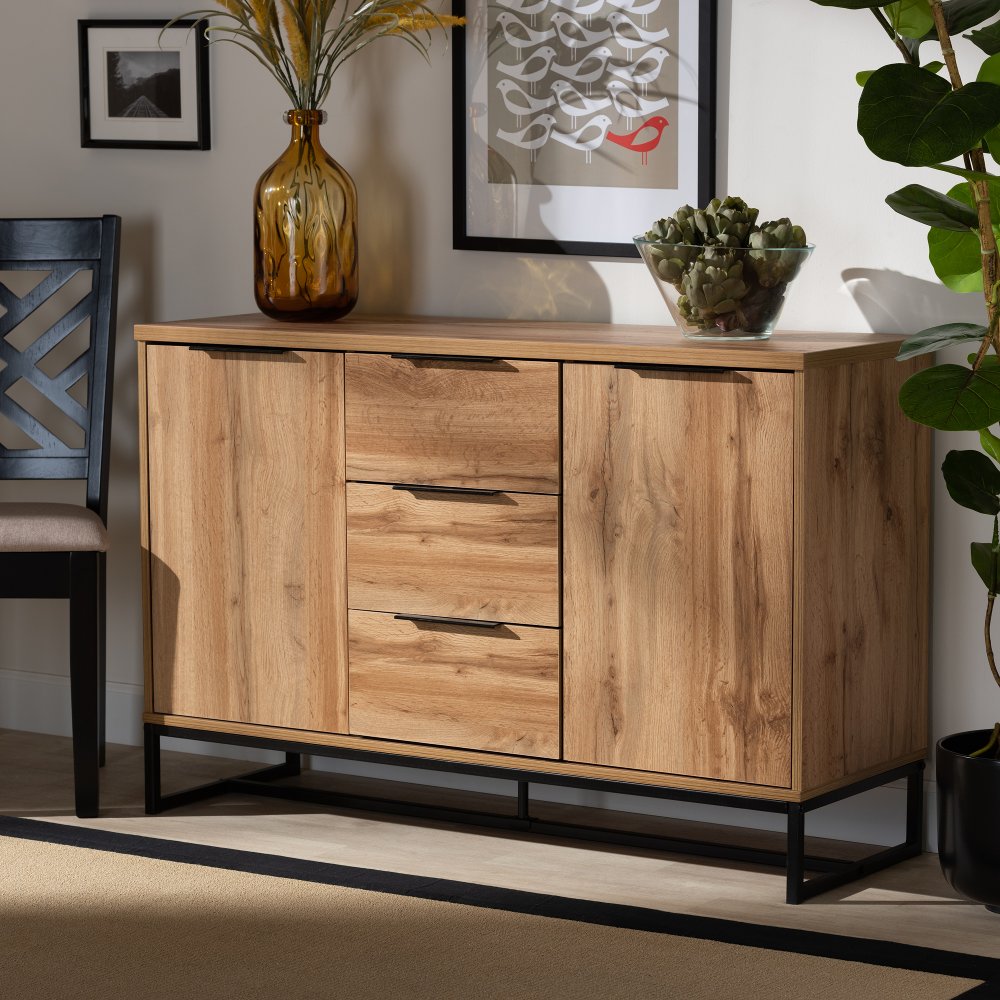
Layered dining room lighting makes the room more adaptable than a single overhead source alone. A chandelier or pendant can illuminate the table, while wall sconces and lamps brighten the edges of the room, highlight a favorite piece of art, or make a sideboard easier to use. A pair of dining room table lamps on a buffet can add a welcoming glow beyond the table and keep the room from feeling like a bright island surrounded by darkness. Slim lamp bases leave more space for serving dishes, and shades that sit comfortably within the depth of the furniture help keep a busy walkway clear. Position cords away from traffic and serving areas, especially in homes with children or pets. Bulb choice matters just as much as fixture style. Warm white bulbs in the 2,700K to 3,000K range are a popular choice for dining spaces because they create a comfortable atmosphere for meals and conversation. Higher color temperatures can feel crisper, so coordinating the color temperature of nearby lamps and overhead lights helps an open living and dining area feel consistent. Brightness is measured in lumens, not watts, and the right amount depends on room size, wall colors, shade materials, and the activities taking place. Dark walls and enclosed shades may call for more light than pale surfaces and open fixtures. Dimmable lighting offers flexibility, letting you brighten the table for reading or crafts and soften it when dinner is served. The bulbs, fixture, and dimmer must be compatible; not every LED bulb or integrated LED fixture supports dimming. Replaceable bulbs offer flexibility for future changes, while integrated LED designs deserve a closer look at their rated life, warranty, and service options. For hardwired fixtures, a qualified electrician can confirm proper ceiling support, wiring, and dimmer compatibility, along with any requirements for a sloped ceiling. Together, comfortable brightness, thoughtful placement, and easy-to-live-with materials help a dining area support everyday routines and longer evenings around the table. During the cooler months, that layered glow can make even a simple supper feel a little more welcoming.
Read More