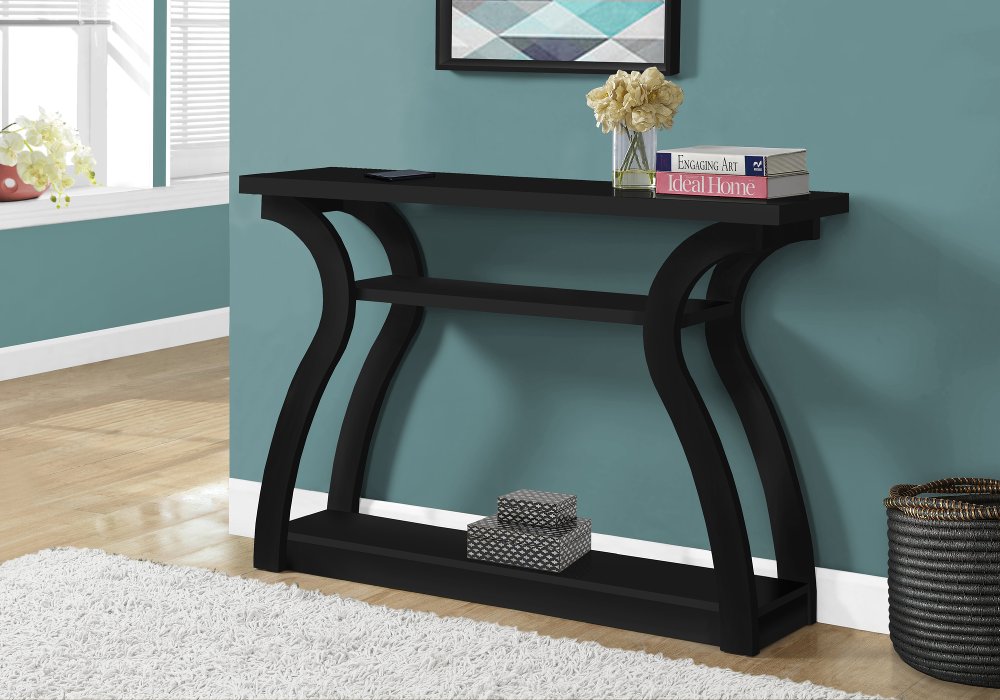
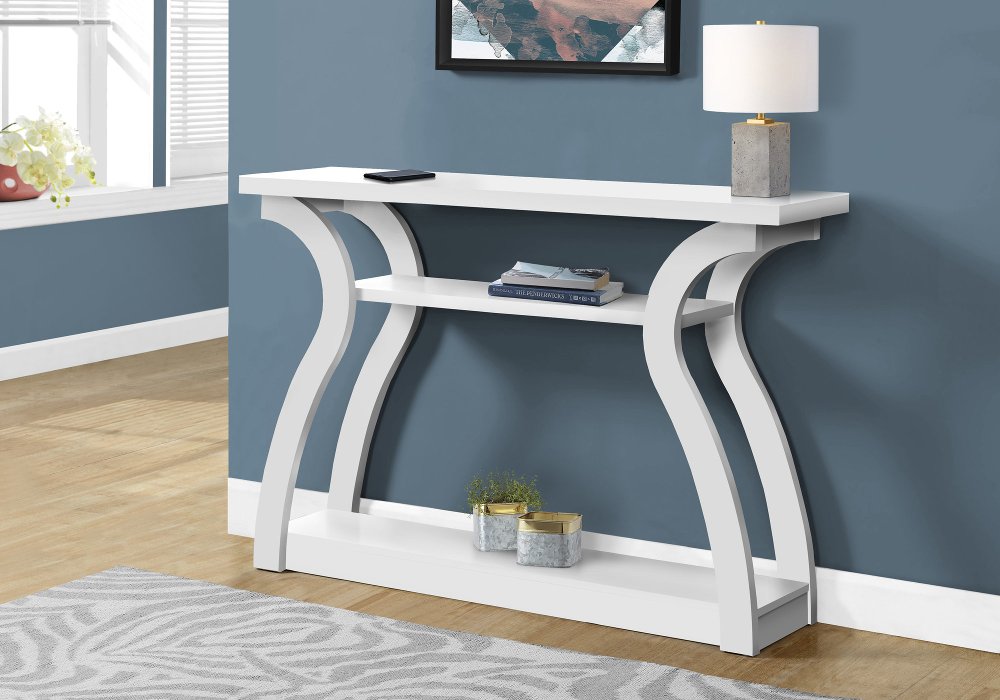
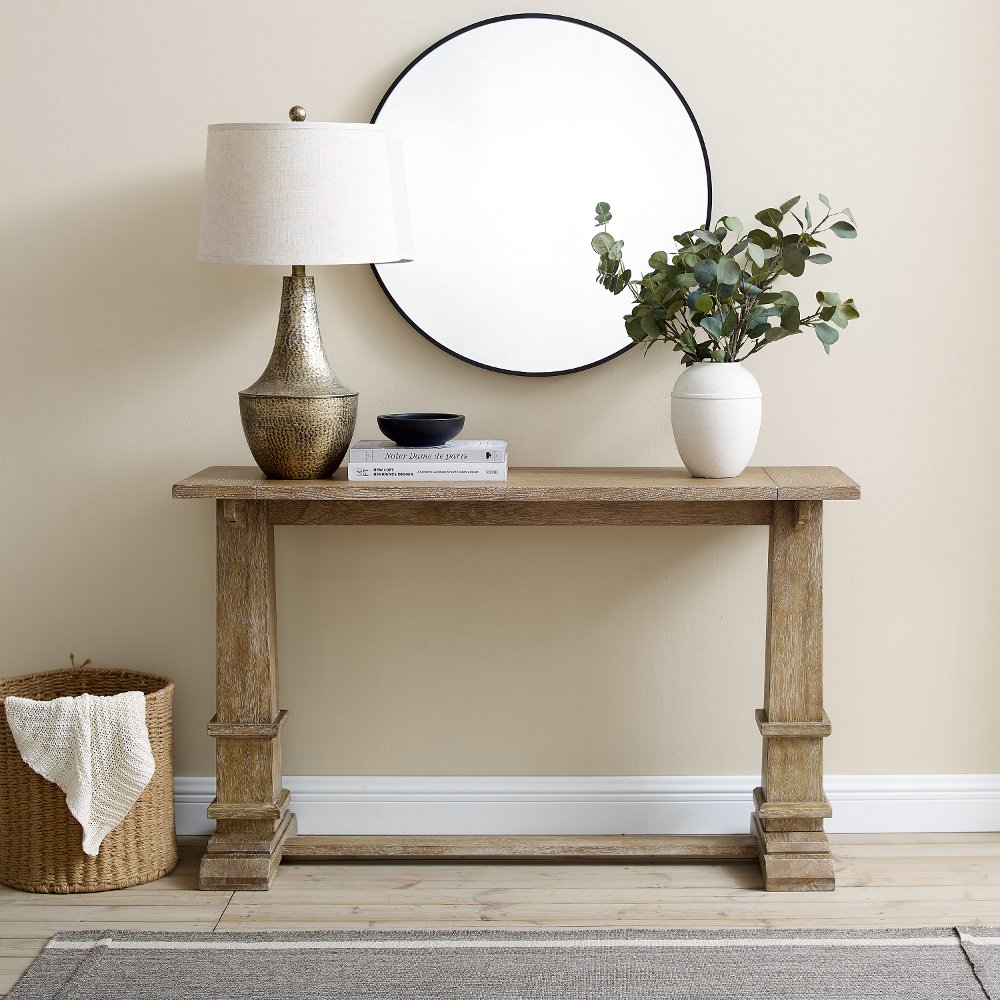
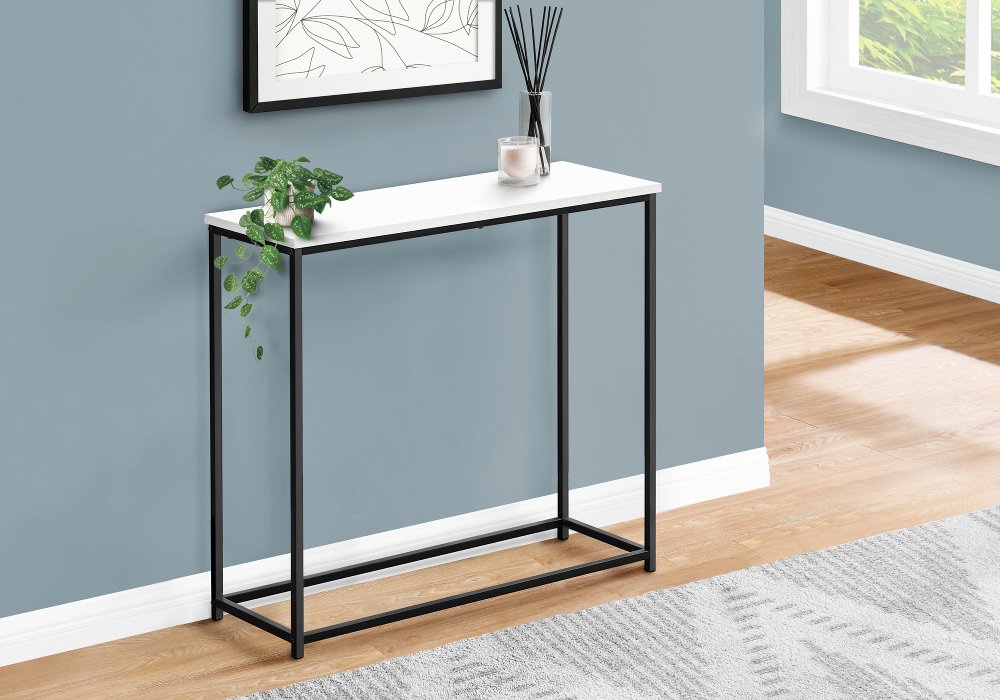
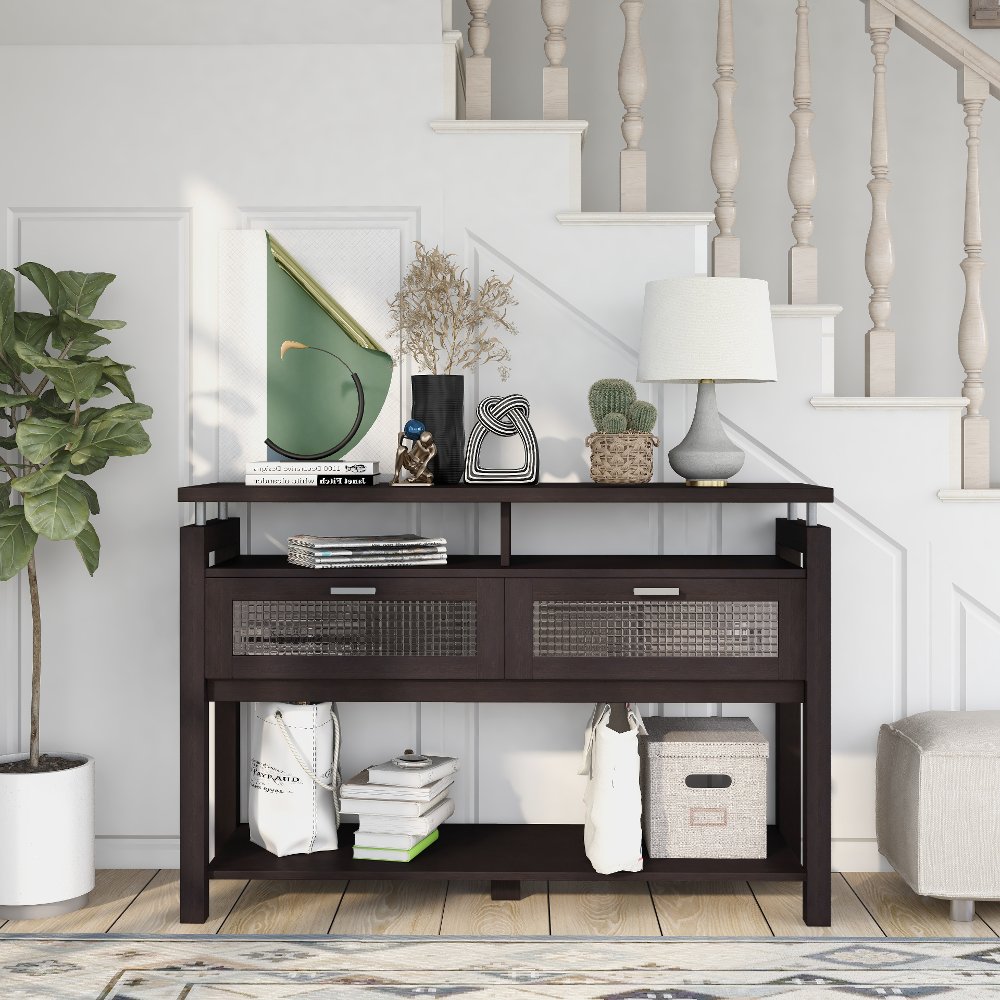
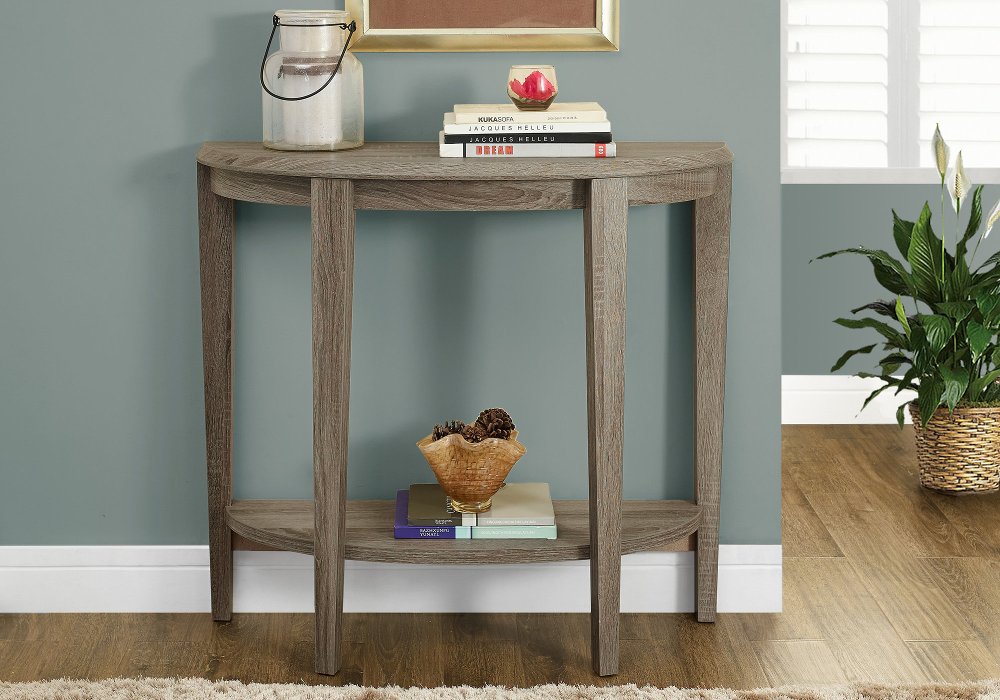
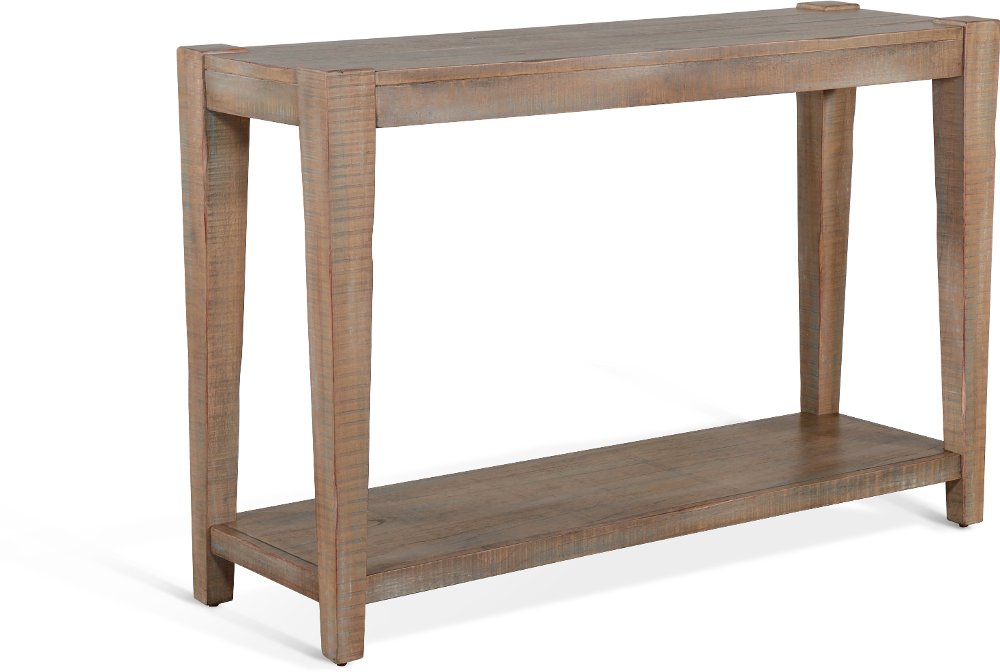
Large entryway tables give a spacious foyer a sense of purpose, creating a place to set down the day’s essentials and a welcoming view when the front door opens. Along a broad wall, a generously sized console can anchor a mirror, frame a favorite piece of artwork, or balance the visual weight of a nearby staircase. The extra surface area makes room for both practical necessities and personal touches: a shallow tray for keys, a lamp that softens the evening light, and a ceramic bowl collected on a memorable trip. Unlike a small accent piece that can look lost in an open entrance, a larger table helps connect the entry to the rooms beyond it. Size is about proportion as much as storage, though. A long, shallow design can suit a hallway where wall space is plentiful but floor space is limited, while a deeper table may feel more at home in a wide foyer. Measuring the wall, the table’s depth, and the front door’s swing helps keep that first stretch of your home comfortable to navigate. Leave enough clear space for people to pass easily, including someone carrying grocery bags or guiding a stroller inside. Nearby closet doors, stair landings, and heating vents also deserve consideration before deciding on placement. Table height matters when the surface will hold a lamp or sit beneath a window; the overall arrangement should work with those features rather than crowd them. For entrances that connect directly to a living room, finishes and shapes that echo nearby furnishings can make the transition feel natural without requiring an exact match. The broader category of entryway accent tables includes different proportions and silhouettes, with larger designs offering a substantial focal point where the layout allows. Whether your entry welcomes frequent visitors or mostly handles the daily school-and-work shuffle, the right scale gives everyday routines a comfortable place to land.
Materials and construction shape both the appearance of a large entryway table and how it stands up to daily use. Solid wood brings natural grain and character, with variations that can lend warmth to painted walls and hard flooring. Wood also responds to changes in humidity, so keeping a table away from direct heat sources and following its care instructions helps protect its appearance over time. Wood veneers offer the look of real wood over a supporting core, often with carefully arranged grain patterns that become especially noticeable across a wide tabletop. Engineered wood can provide a smooth, consistent foundation for painted or decorative finishes, although moisture resistance and durability depend on the construction and surface treatment. Metal frames add definition and can make a substantial table feel visually lighter when the base stays open. Glass tops keep sightlines open, too, but tend to show fingerprints and call for attention to edge placement in busy family spaces. Stone and stone-look surfaces offer another distinct character; natural stone may require sealing or specialized cleaning, while care for manufactured surfaces varies by material. With any large console, a stable base, secure connections, and a tabletop suited to its intended load matter more than appearance alone. A long span should have appropriate support, especially if the table will hold heavier decorative pieces. Drawers should move smoothly, and shelves need sufficient clearance and weight capacity for whatever you plan to store. In homes with young children or pets, rounded corners can soften exposed edges, and any manufacturer-provided anchoring instructions deserve careful attention. For routine care, a soft cloth, prompt spill cleanup, and cleaners approved for the finish are dependable starting points. Felt pads beneath decorative objects help reduce scratches, while a protective tray under a planter can catch stray moisture. Direct sunlight may change the color of some woods and finishes, making placement another part of keeping a well-used entry table looking its best.
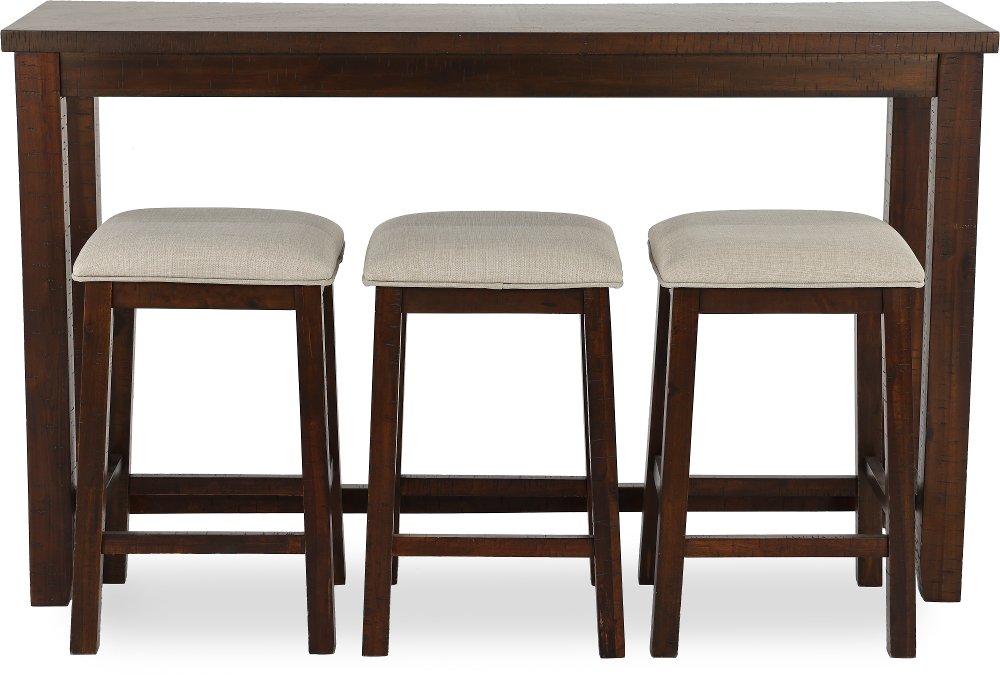
Storage and styling details turn a large entryway table from a decorative surface into furniture that earns its place every day. Drawers give mail, charging cords, and spare keys a home out of sight, helping the top stay open for the things you actually want to see. A lower shelf can hold baskets for gloves, reusable shopping bags, or pet-walking supplies, especially during cooler months when extra layers collect near the door. Open shelving makes those essentials easy to reach, while enclosed storage creates a quieter look in an entrance visible from the main living area. Check the usable dimensions of drawers and shelves rather than relying on the table’s overall size; a broad tabletop doesn’t always mean deep storage underneath. An open-base design can leave room for a pair of small ottomans, provided their dimensions fit comfortably and they don’t extend into the walkway. That arrangement offers a convenient seat for putting on shoes without requiring a separate bench. For households with several people coming and going, dividing a drawer with organizers can keep little necessities from becoming one tangled pile. For someone who enjoys hosting, a long entry console also provides space for welcoming touches without taking over the dining room. Keep styling balanced with the table’s everyday job: a lamp at one end, a few objects with different heights, and an open section for a guest’s handbag often feel more useful than a surface filled edge to edge. If lighting is part of the plan, a nearby outlet and a safely tucked cord help the arrangement function as neatly as it looks. A mirror above the table can reflect available light and offer a final glance before heading out, while artwork brings color and personality to a simple wall. Larger furniture can make a thoughtful housewarming gift when chosen together with the recipient, since measurements, storage needs, and personal taste all matter. A well-proportioned entryway table supports those individual habits, giving your home an organized, welcoming first impression that feels lived in rather than staged.
Read More