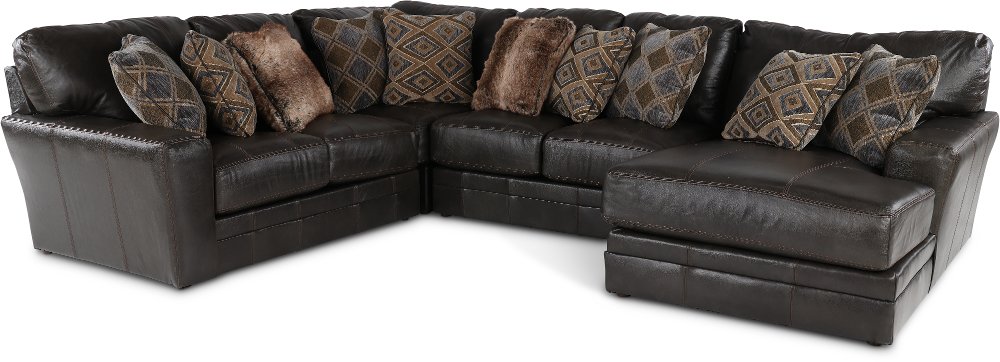
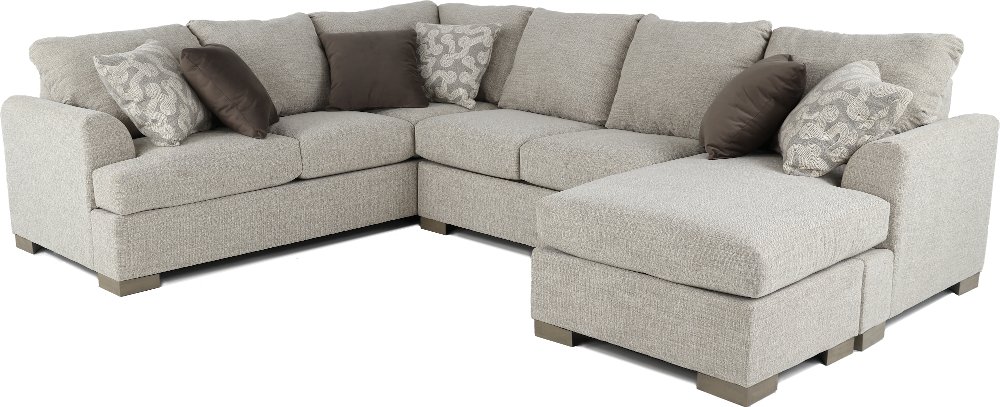
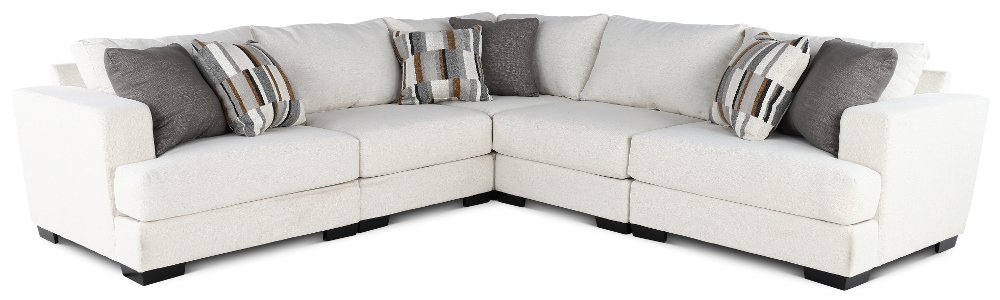
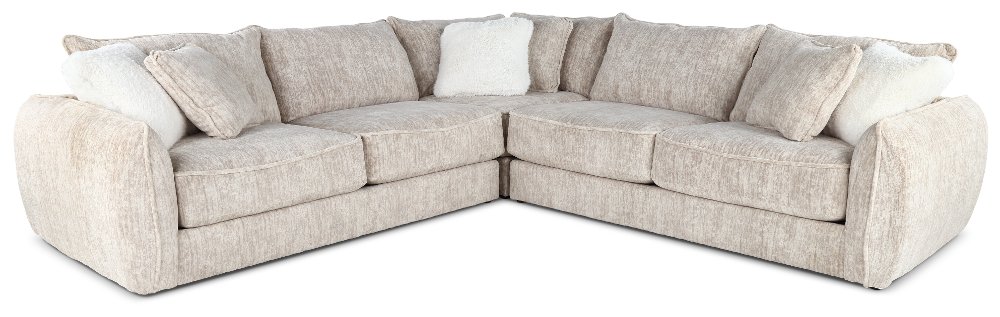
Fabric reclining sectional sofas bring generous seating and stretch-out comfort into one connected space, making them a natural centerpiece for a living room, family room, or finished basement. They suit the everyday moments that happen between bigger plans: settling in after dinner, sharing a blanket during a movie, or watching a game with enough room for everyone to get comfortable. Fabric upholstery adds a soft, inviting feel, while reclining seats let you change positions without moving to a separate chair. Depending on the design, a sectional may combine upright seats, reclining ends, a corner wedge, or a chaise, giving different people different ways to relax. That flexibility works especially well in households where one person likes to sit upright with a book while another prefers to put their feet up. Manual reclining mechanisms typically use a handle or lever, while power reclining designs adjust through buttons or switches; some also include independently adjustable headrests or lumbar support. Those features can help you find a comfortable position, but the seat itself matters just as much as the mechanism. Seat depth, cushion firmness, arm height, and back support all shape how a sectional feels over a full evening. A deep seat can be inviting for someone who likes to curl up, while a shallower seat may better suit someone who prefers to keep their feet on the floor when sitting upright. For shared seating, a mix of positions often matters more than having every seat recline. The overall look can be just as adaptable, from clean-lined silhouettes with tailored upholstery to plush designs with padded arms and generously cushioned backs. Warm neutrals, soft grays, and richer fabric tones can anchor a room without competing with a favorite rug or artwork. During the cooler months, textured pillows and a throw add another layer of comfort, but the right upholstery and proportions help the sectional feel welcoming throughout the year.
The best fit for a fabric reclining sectional starts with how the room functions, not simply how much floor space it offers. A sofa can fit along a wall and still feel crowded if an extended footrest blocks the walkway to the kitchen. Overall width and depth deserve a close look, along with the dimensions when the reclining seats are fully open and any clearance the manufacturer requires behind the back. Some mechanisms operate with less wall clearance than others, so the exact specifications matter more than a general description. Painter’s tape on the floor can make the footprint easier to picture, especially around a corner or beside a fireplace. A little open space near the ends helps people move through the room without stepping around someone’s feet. Coffee table placement takes extra thought, too: the table should remain useful when the seats are upright without getting in the way of the footrests as they rise. Smaller side tables can keep a drink or remote within reach while leaving the reclining area clear. In an open floor plan, a sectional can define the living area without adding a wall, while a corner arrangement can bring seating together in a more enclosed room. Shoppers comparing layouts can also explore fabric L-shaped sectionals for another way to organize seating around a conversation area or television. With any configuration, confirm the position of the longer side, chaise, and reclining seats rather than relying only on a photograph. Delivery access belongs in that same planning picture. Doorways, stair turns, hallway widths, and elevators can affect whether individual sections reach their destination comfortably. Power reclining seating also needs access to a suitable outlet, with cords positioned according to the manufacturer’s instructions and away from walkways. For households with young children or pets, keeping the space beneath and around moving footrests clear is an important everyday habit. Thoughtful placement lets the room support both relaxed evenings and the ordinary traffic of a busy home.
Fabric choice influences how a reclining sectional looks, feels, and holds up to daily use. Smooth microfiber, woven polyester, textured chenille, and blended upholstery fabrics can offer distinctly different experiences, even in similar colors. A close, even surface may feel sleek and soft, while a more pronounced weave adds visual depth and a cozy, tactile quality. Fiber content alone doesn’t tell the whole durability story; the weave, backing, construction, and manufacturer’s care guidance also matter. In a frequently used family room, upholstery with documented abrasion resistance and clearly described stain-resistant properties can be worth considering. Performance fabric is a broad description, so it helps to understand which qualities a particular fabric actually provides rather than assuming it handles every spill or scratch. Homes with pets may benefit from a tighter weave that gives claws fewer loose threads to catch, though no upholstery is completely pet-proof. Color and texture affect everyday upkeep as well. A softly varied weave can make small marks less noticeable, while a solid shade may show lint or pet hair more clearly, depending on the contrast. Removable cushions or covers shouldn’t be assumed washable; the attached care label is the starting point for cleaning. Many upholstery labels specify water-based cleaning, solvent-based cleaning, either method, or vacuuming only. Gentle vacuuming with an upholstery attachment helps remove crumbs and grit from seams before they settle deeper into the fabric. Spills are best addressed promptly by blotting rather than rubbing, using only a cleaning method approved for the upholstery. Direct sunlight and nearby heat sources can also affect fabric over time, so placement can help preserve its appearance. Beneath the upholstery, frame construction, cushion materials, suspension, and reclining hardware all contribute to long-term comfort. Secure connections between sections help the arrangement stay together, while accessible controls make daily adjustments easier. For a couple furnishing a shared living room, a family creating a gathering spot, or anyone who prefers a relaxed place to unwind, the most satisfying fabric reclining sectional balances softness with support, generous seating with clear pathways, and a welcoming look with care requirements that fit everyday life.
Read More