Floor protection creates a practical barrier between your flooring and the furniture, foot traffic, spills, and everyday movement that can leave marks behind. The right choice depends on the surface underneath, the kind of wear you want to reduce, and whether protection needs to stay in place for an afternoon or become part of the room. Hardwood, laminate, luxury vinyl, tile, and carpet each have different needs, so compatibility matters as much as coverage. A dining chair that slides across a wood floor several times a day calls for a different solution than a rolling desk chair on carpet or a walkway through a room being painted. For everyday furniture use, soft contact surfaces can help reduce scuffs, while properly fitted cups or supports can help distribute weight beneath stationary legs. Protective mats and runners cover larger areas where movement is concentrated, such as the space beneath a desk or the path between a doorway and a seating area. For moving or remodeling, temporary floor protection may include protective boards, surface protection rolls, or films specifically labeled for the flooring involved. These materials serve different purposes: cushioning, absorbing small drips, resisting liquid penetration, or shielding a surface from tracked-in grit. No single material does all of those jobs equally well. A covering designed for paint splashes may offer little protection from a dropped tool, and a furniture pad won’t prevent damage if sharp debris becomes trapped underneath it. Start with the actual task and the flooring manufacturer’s care requirements rather than choosing by thickness or appearance alone. In a busy household, a few well-placed barriers can help preserve the finish around a breakfast table, reduce wear beneath a favorite chair, and make a home office more comfortable to use. Renters, homeowners, and anyone setting up a newly furnished room can benefit from protection that fits naturally into daily routines without getting in the way.
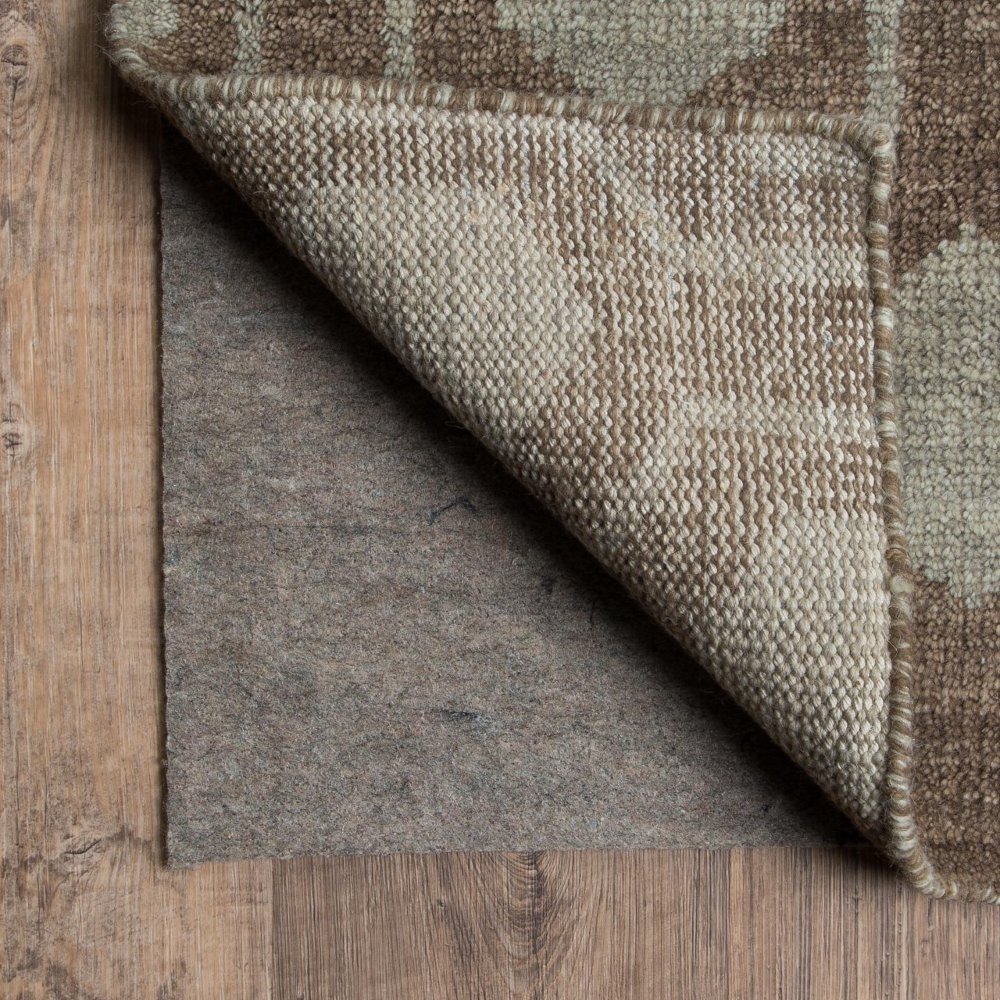
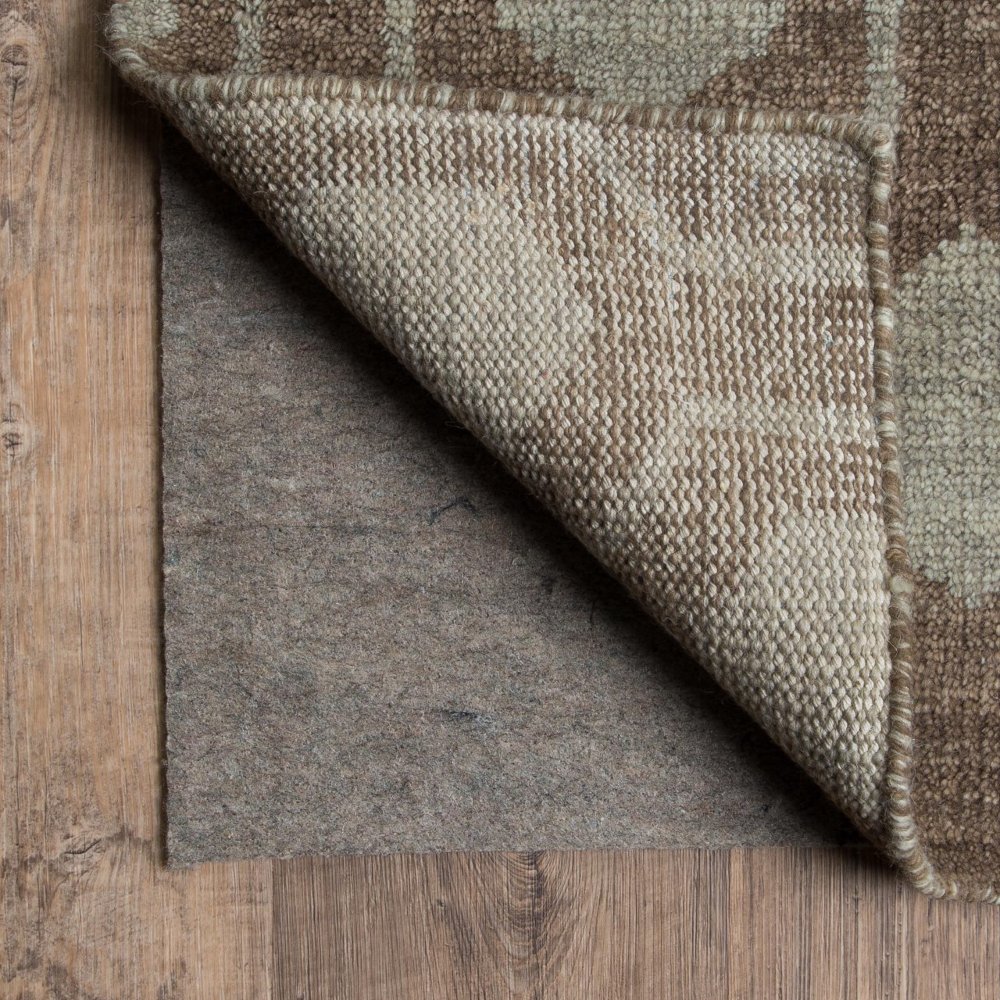
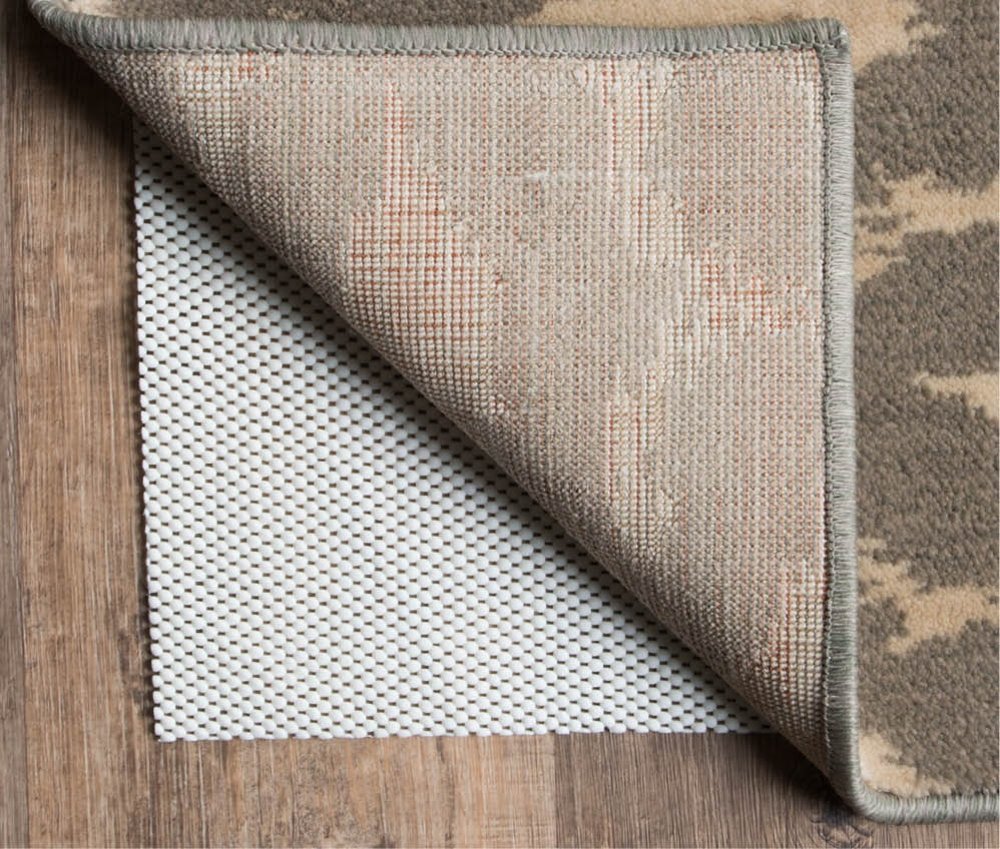
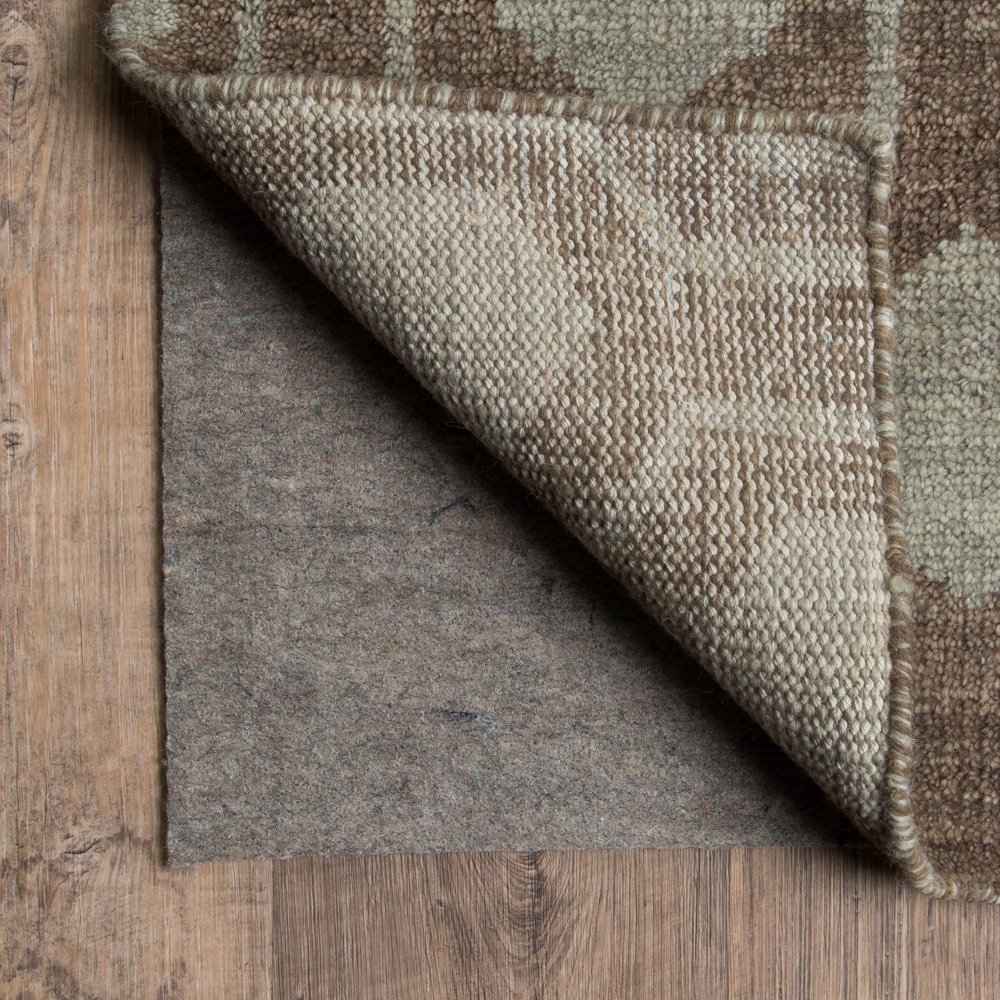
Materials, backing, and fit determine how floor protectors behave once furniture and people begin moving across them. Felt offers a soft buffer beneath many furniture legs on compatible hard floors, but it needs to stay clean, securely attached, and thick enough to keep the leg itself from making contact. Rubber and other resilient materials can provide cushioning or grip, though some formulations may discolor certain vinyl or finished surfaces. Look for explicit compatibility rather than assuming a backing is safe because it feels soft. Hard plastic glides and smooth-bottomed mats have their own intended uses; a material that moves easily across carpet may scratch a hard floor if used in the wrong setting. Carpet chair mats generally need a construction suited to the carpet’s pile and cushioning, while hard-floor chair mats typically require a smooth, floor-compatible underside. A mat that flexes too much beneath casters can develop depressions that make rolling awkward. Size matters just as much: desk protection should extend across the chair’s normal travel area, including the space needed to sit down and stand up, not simply the footprint beneath the seat. Under furniture, match the protector to the leg’s contact area and shape so exposed edges don’t scrape the floor. Narrow chair legs, broad sofa feet, and angled supports may need different fits and attachment styles. Slip-on designs need a snug hold, while adhesive-backed protection generally requires a clean, dry contact surface and any specified setting time before use. Larger rugs and runners can help intercept dirt and absorb everyday wear, but their backing or underlay must suit the surface beneath them. For carpeted spaces, carpet protection rugs can add a replaceable layer in frequently used areas, provided the rug and underlay are suitable for use over carpet. Keep edges flat and check for bunching, particularly along walking routes or near doors. The best fit leaves enough room for doors to swing, chairs to move, and feet to pass comfortably without catching an edge.
Durability comes from matching protection to the demands of the space and caring for both the protector and the floor underneath. A quiet reading corner puts different stress on materials than a dining area where chairs shift throughout the day. Around a desk, repeated caster movement makes rigidity, surface wear, and stable placement important. Beneath heavy stationary furniture, load ratings and contact area deserve attention, since a small pad may soften contact without preventing an indentation. For temporary work areas, protective boards can provide a tougher barrier against foot traffic and some impacts, while absorbent or leak-resistant rolls may be better suited to catching drips during painting. Self-adhesive films require especially careful matching to the surface, along with attention to application instructions and removal deadlines. A film intended for carpet should not be treated as interchangeable with one intended for hard flooring. Freshly installed or refinished floors may also have curing, ventilation, and covering restrictions, so confirm those requirements before laying down any temporary barrier. Secure seams only with approved methods, and avoid applying tape directly to a finished floor unless the flooring and tape manufacturers permit it. Everyday maintenance is simpler but just as valuable. Sweep or vacuum grit before placing protection, then lift movable mats periodically to clean underneath and check for trapped moisture. Remove dust and hair from furniture pads, replace worn or hardened contact surfaces, and check attachments when a chair starts to scrape or a protector shifts out of place. Clean mats according to their material and let washed pieces dry fully before returning them to the floor. Even with protectors attached, lifting furniture is safer for the finish than dragging it, particularly when crossing seams or textured surfaces. Thoughtful floor protection doesn’t have to dominate a room: low-profile shapes, suitable colors, and carefully sized coverage can keep attention on the furnishings while helping your floors hold up to everyday life. With the right materials in the right places, pulling up a chair, rolling back from a desk, or rearranging a seating area can feel a little easier.
Read More