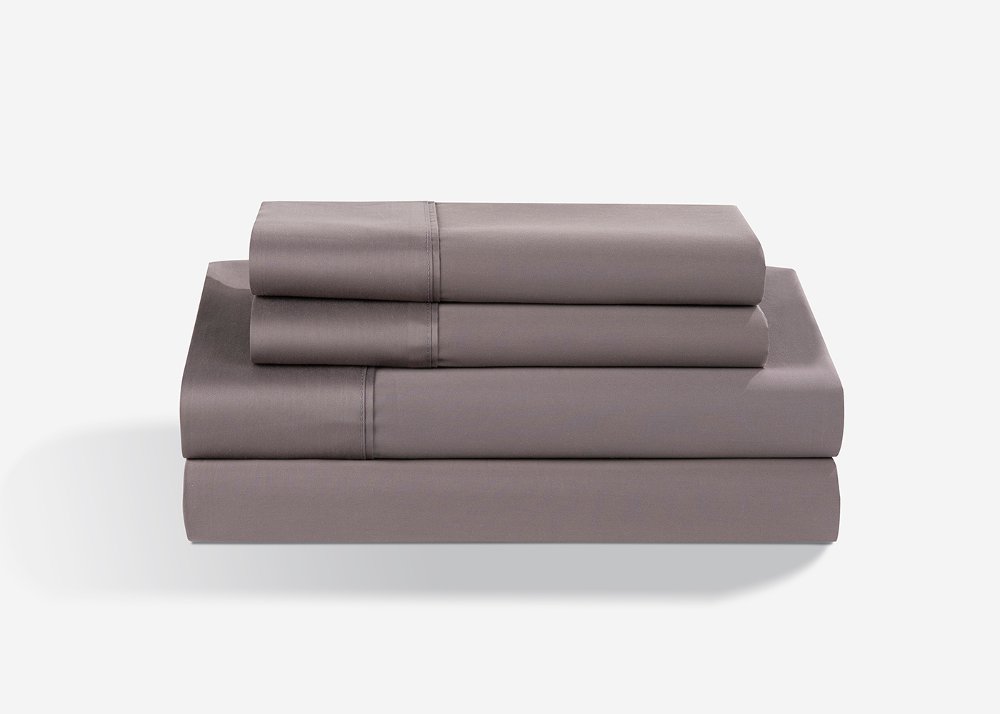
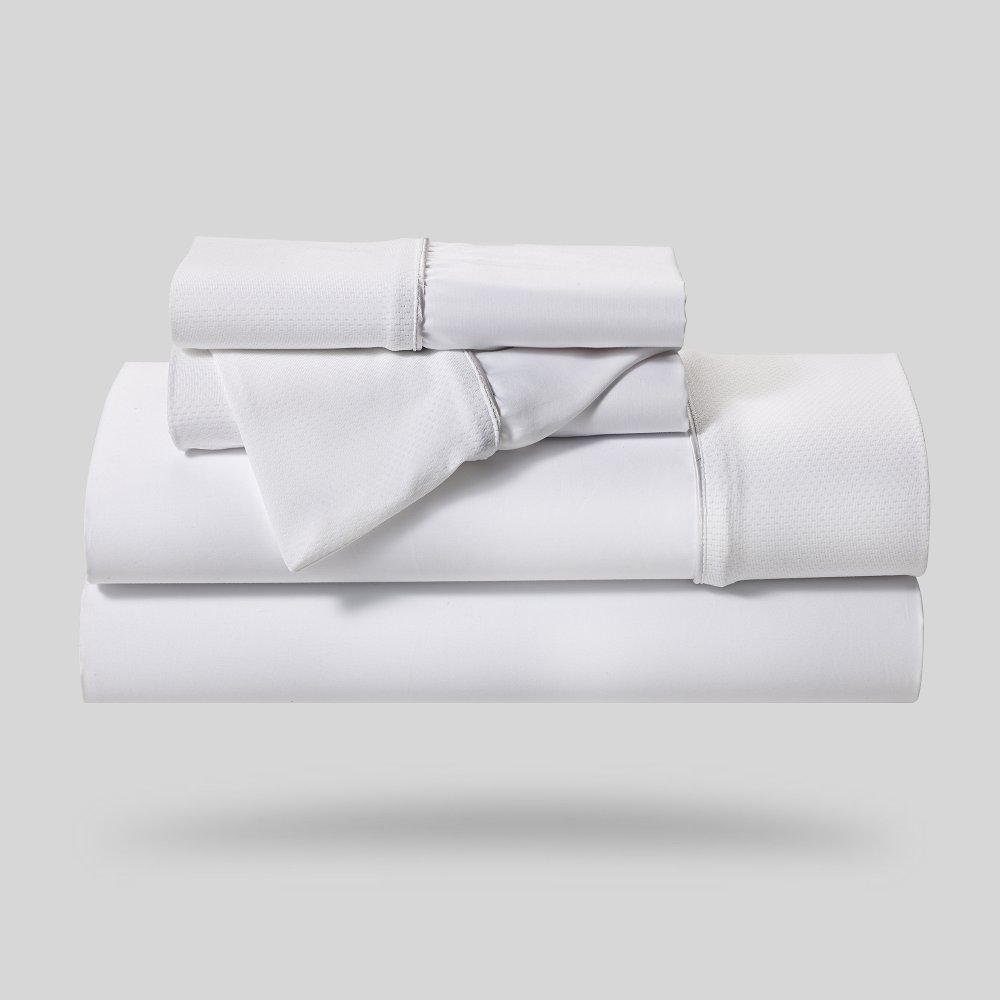
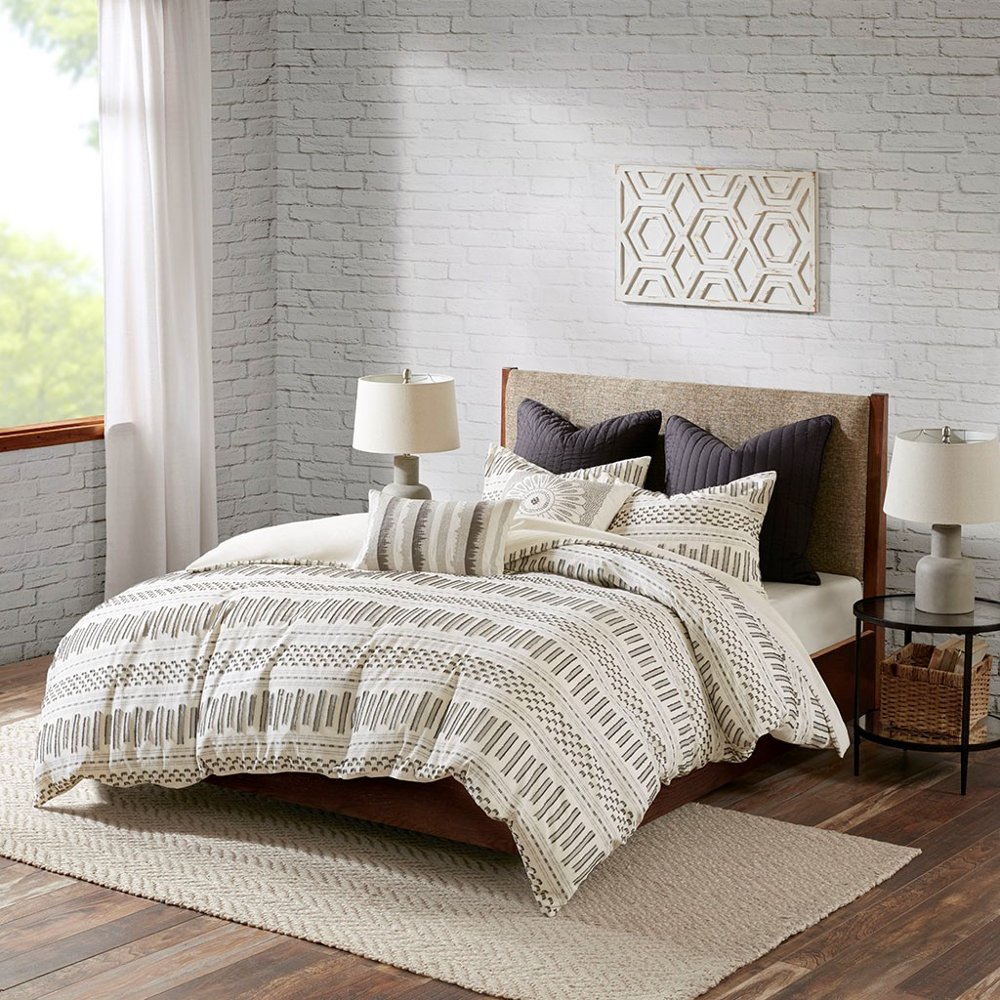
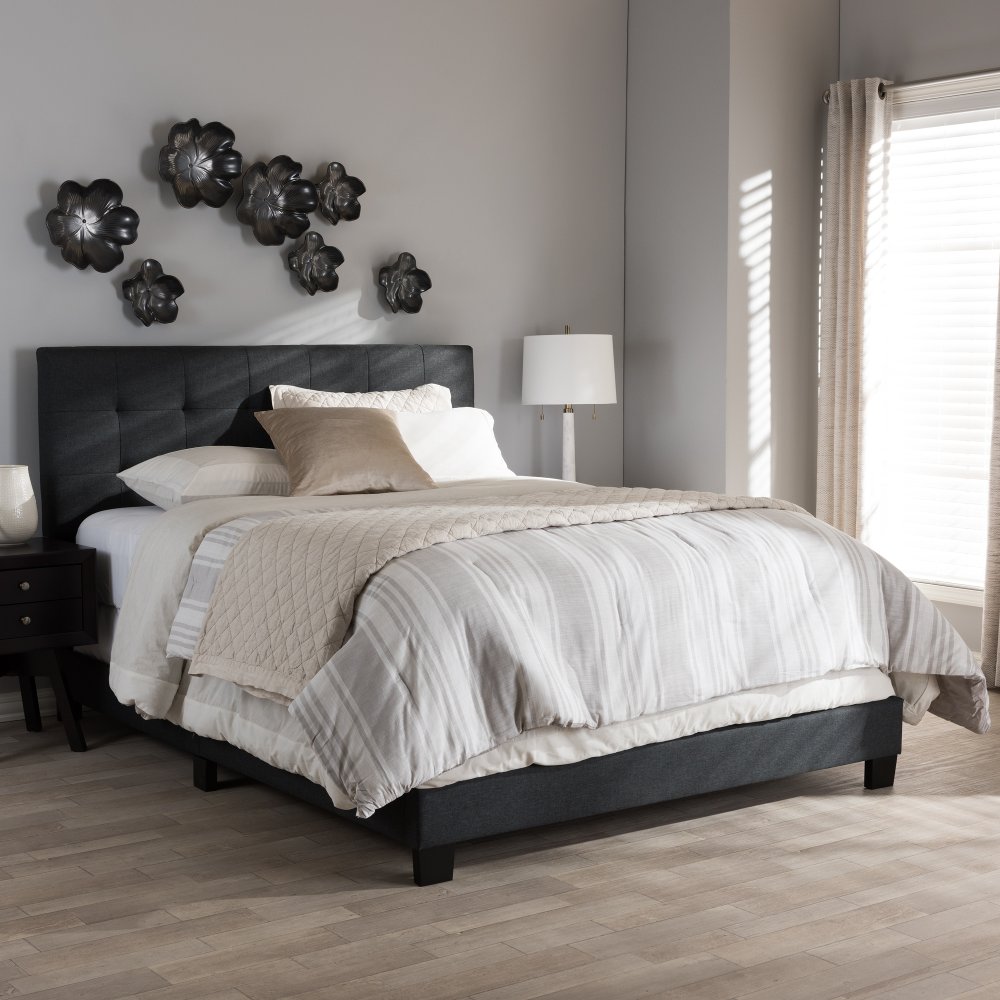
Gray king bedding gives a generously sized bed a grounded, inviting look without locking the rest of the bedroom into one decorating style. Pale silver, soft dove gray, medium stone, and deep charcoal each bring a different feel to the room. A lighter shade can soften the visual weight of a wide upholstered headboard, while charcoal adds definition against white walls or a natural wood bed frame. The undertone matters as much as the depth of color: some grays lean blue, while others have a warmer, almost taupe cast. That difference becomes especially noticeable beside cream upholstery, bright white sheets, or reddish wood furniture. Repeating a similar undertone across the bedding and nearby finishes helps the room feel connected without making everything match. Solid gray bedding puts the emphasis on texture, whether that means a gently rumpled woven surface, crisp quilting, or a smooth, understated finish. Stripes, subtle checks, and tonal patterns add detail while leaving room for artwork, a patterned rug, or decorative pillows with more personality. On a king bed, that balance is useful because the bedding covers such a large portion of the room. A textured gray cover can look finished with just a pair of coordinated shams, making it a practical choice for someone who prefers a simple morning routine. For a more layered look, white pillowcases and an accent throw in muted blue, olive, or clay give gray a little contrast without competing for attention. Gray also works well in shared bedrooms, where two people may have different preferences for color and pattern. It provides a flexible foundation that can feel tailored, relaxed, or softly detailed depending on the fabric and finishing touches. Whether the room is a primary suite, a guest bedroom, or a newly furnished space, gray king bedding leaves plenty of room for personal style.
The feel of king bedding comes from its construction as well as its fiber content. Cotton is a familiar choice for its softness and breathability, but the weave changes the experience: percale generally feels crisp and matte, while sateen has a smoother surface with a gentle sheen. Linen has a more visibly textured appearance and a relaxed drape, with natural wrinkles that suit a less formal bedroom. Polyester microfiber often feels smooth and soft, and many versions resist wrinkling; the fabric’s weight and construction still affect how substantial it feels. Blends can combine qualities from different fibers, so the full material description is more useful than a single word on the label. For comforters and filled quilts, the outer fabric is only part of the story. Fill type, fill weight, and stitching influence loft, drape, and how evenly the filling stays distributed. A flatter quilt creates a neater profile, while a loftier comforter gives a king bed a fuller appearance. A duvet cover adds a removable outer layer around an insert, and interior ties can help keep a compatible insert aligned. Fit deserves equal attention. A standard king mattress measures approximately 76 by 80 inches, while a California king is approximately 72 by 84 inches. Because bedding dimensions vary, a king label alone doesn’t establish how far a comforter, quilt, or duvet cover will hang over the sides. Mattress depth, a topper, and the height of the bed frame all affect the finished look. A deeper mattress may need a wider cover to create the desired overhang, along with fitted sheets whose pocket depth accommodates the full mattress height. Split king beds typically use two twin XL fitted sheets, with top bedding selected to suit the overall bed. Pillow arrangements also affect proportions: king-size shams create a broad, balanced backdrop, while standard pillows can work in a more layered arrangement. Checking measurements helps keep the look intentional rather than leaving a cover unexpectedly short at the foot or sides.
Everyday use is where practical details make gray king bedding especially easy to appreciate. In a bedroom that doubles as a place to read, fold laundry, or share a quiet moment with a pet, a medium gray or subtle tonal pattern can be more forgiving of minor marks than a very pale solid. No color hides every kind of lint, fur, or stain, though; light pet hair may stand out on charcoal, while darker fibers can be more noticeable against silver gray. A tightly woven surface may be a sensible choice for frequent use, particularly compared with an open weave or raised decorative detail that could catch on claws or jewelry. Durable construction also shows up in secure seams, well-finished edges, and quilting that helps hold layers together. Care requirements deserve a close look with king-size bedding because bulky pieces need enough space to move freely during washing and drying. A machine-washable care label is helpful, but the capacity of the washer and dryer still matters. Some large filled pieces need commercial-size equipment or professional cleaning, depending on their care instructions. Following the recommended cycle, detergent guidance, and drying method helps protect the fabric and filling; complete drying is particularly important before bedding returns to the bed or goes into storage. A removable duvet cover can simplify routine laundering, while a washable quilt may suit a guest bed that needs a straightforward refresh between visits. For a wedding or housewarming gift, gray bedding can suit a range of decorating tastes, but confirming the recipient’s mattress size and preferred care routine makes the gift more useful. If another bedroom has a queen mattress, Gray Queen Bedding offers a way to carry a similar palette into that space without using an oversized king cover. Thoughtful sizing, a comfortable fabric, and manageable care make gray bedding feel like a natural part of daily life, not just a finishing touch for the room.
Read More