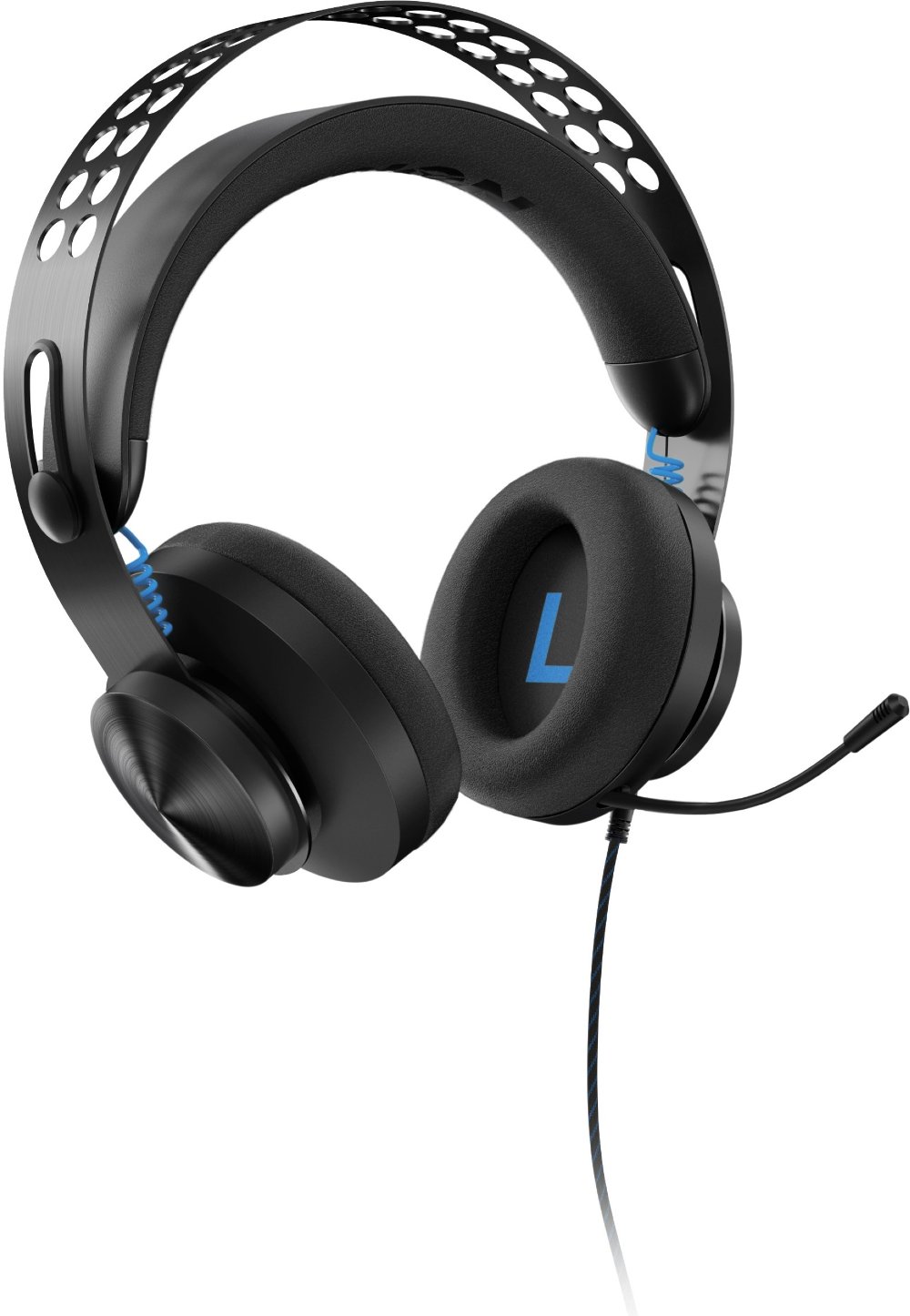
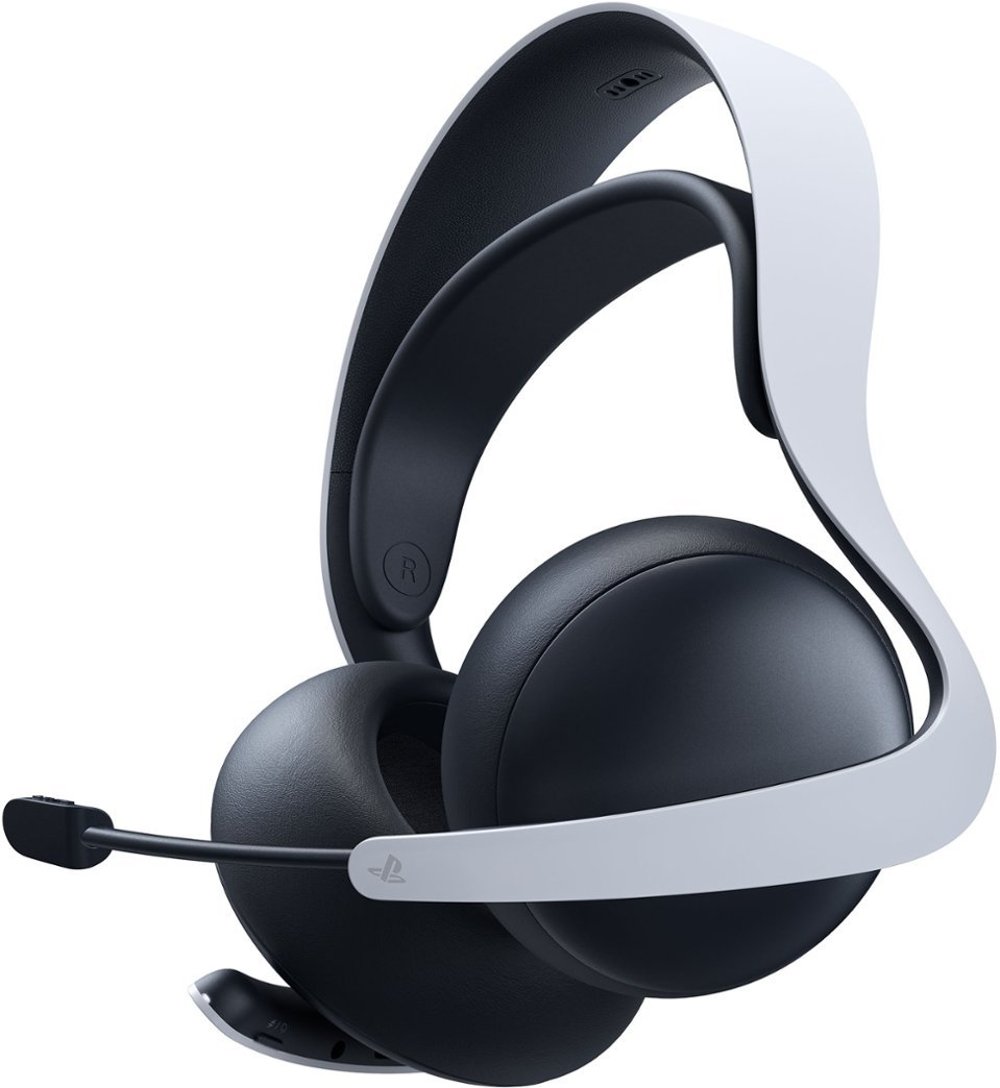
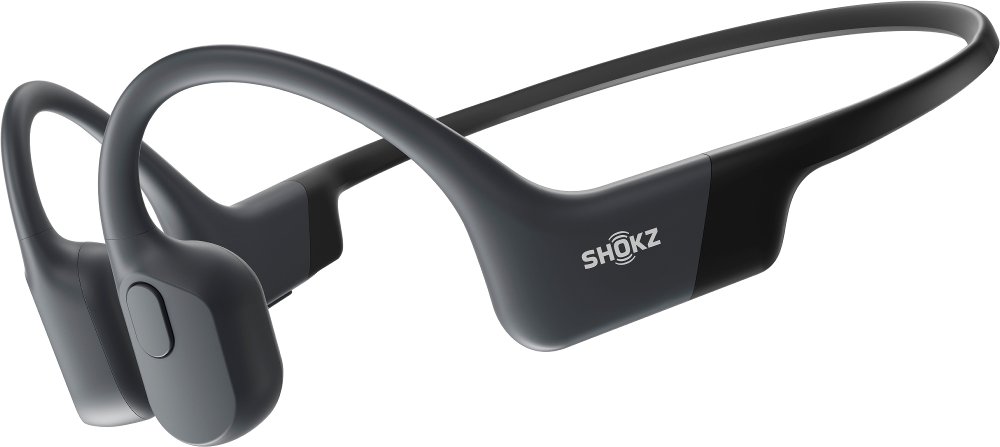
Headset Microphones

Shop headset microphones for hands-free speaking, presenting, or performing. As you compare options at RC Willey, check the fit, connection requirements, and compatibility with your audio equipment to find a headset mic that works with your setup.
Read More
Sort by:

Headset Microphones

Headset microphones keep your voice close to the mic while leaving your hands free to teach, present, perform, or lead a group. They’re a practical choice for speakers who move around a room, fitness instructors who need freedom of movement, and performers who want a microphone that stays in position without a handheld grip or floor stand. Unlike a microphone that remains on a desk or podium, a head-worn design moves with you, helping maintain a more consistent distance between your mouth and the microphone. That steady placement can make a difference when you turn your head, demonstrate a movement, or interact with an audience. As you compare headset microphones, consider where you’ll use yours, how much you’ll move, and what equipment will carry your voice to your listeners. A setup for spoken presentations may call for different features than one used for energetic instruction or live vocals.

Comfort and microphone placement matter, especially when you’ll wear a headset through a full class, presentation, or performance. A secure fit should support your movement without creating distracting pressure, while an adjustable microphone boom can help you position the capsule near your mouth without placing it directly in your breath. Consider how the headset will sit alongside glasses, hearing devices, or other equipment you wear regularly. For active use, check the manufacturer’s guidance on sweat resistance and intended applications rather than assuming every design suits the same conditions. Pickup pattern is another useful comparison: directional microphones emphasize sound from a particular direction and can help limit unwanted sound when positioned correctly, while omnidirectional microphones capture sound from all directions and can be more forgiving of small placement changes. Neither approach is best for every setting. Room acoustics, nearby speakers, background noise, and your movement all influence which design makes sense for you.

The right connection is just as important as the right fit. Some headset microphones connect to compatible wireless bodypack transmitters, while others use wired connections with suitable audio equipment. A matching plug alone doesn’t guarantee compatibility, so compare connector type, wiring, and power requirements with the system you plan to use. If you want a wireless setup, check whether you’re choosing the microphone alone or a complete system with the necessary transmitter and receiver. For computer calls, recording, or online instruction, confirm that the microphone can work with your device directly or through an appropriate audio interface; a head-worn microphone doesn’t necessarily include headphones for listening. Cable length, replaceable accessories, and storage needs can also affect everyday convenience. Whether you’re equipping a presentation space or choosing a microphone for your own work, focus on a comfortable fit, suitable sound pickup, and a connection that works with your existing equipment.

Read More

Frequently Asked Questions

Filter By