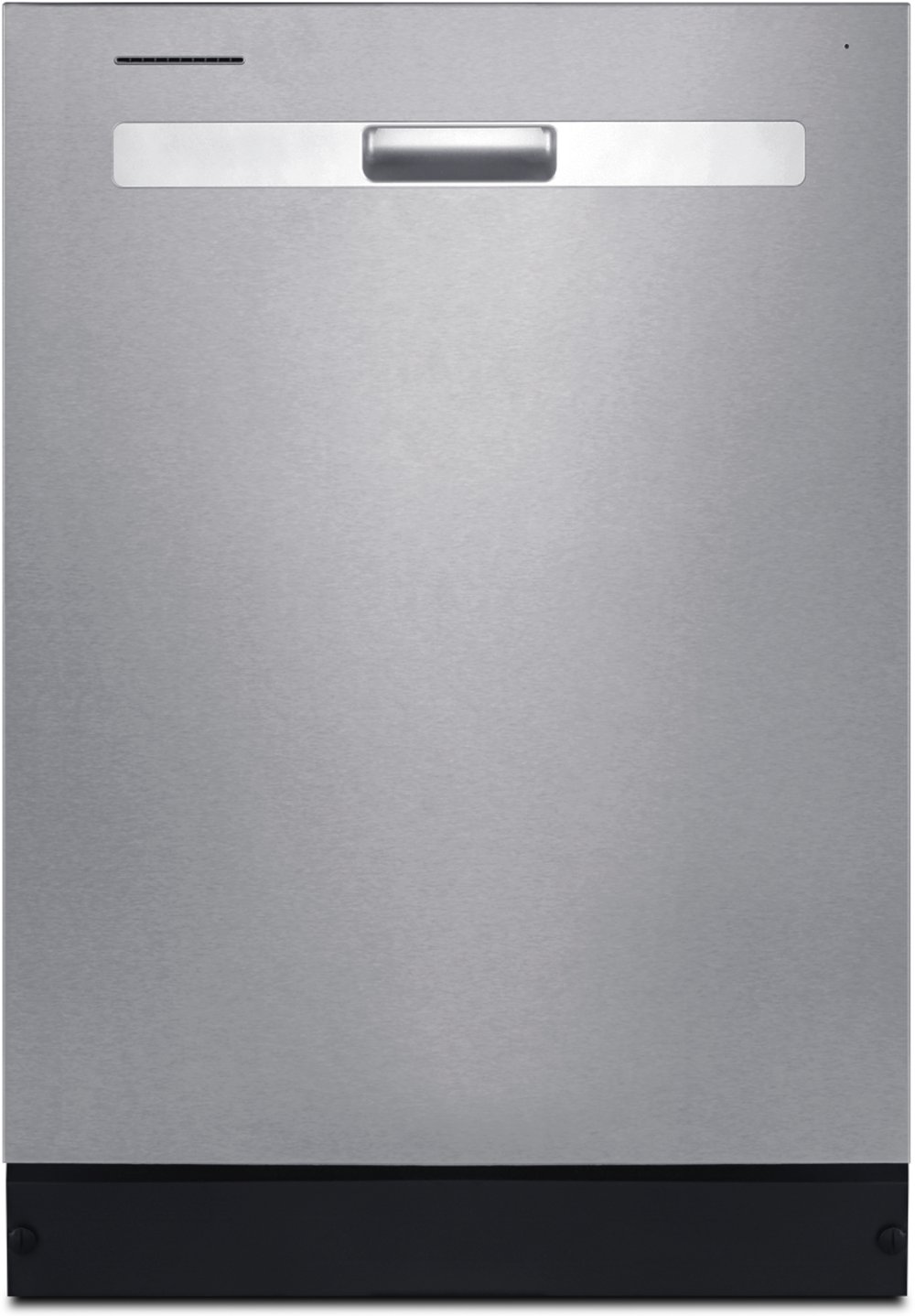
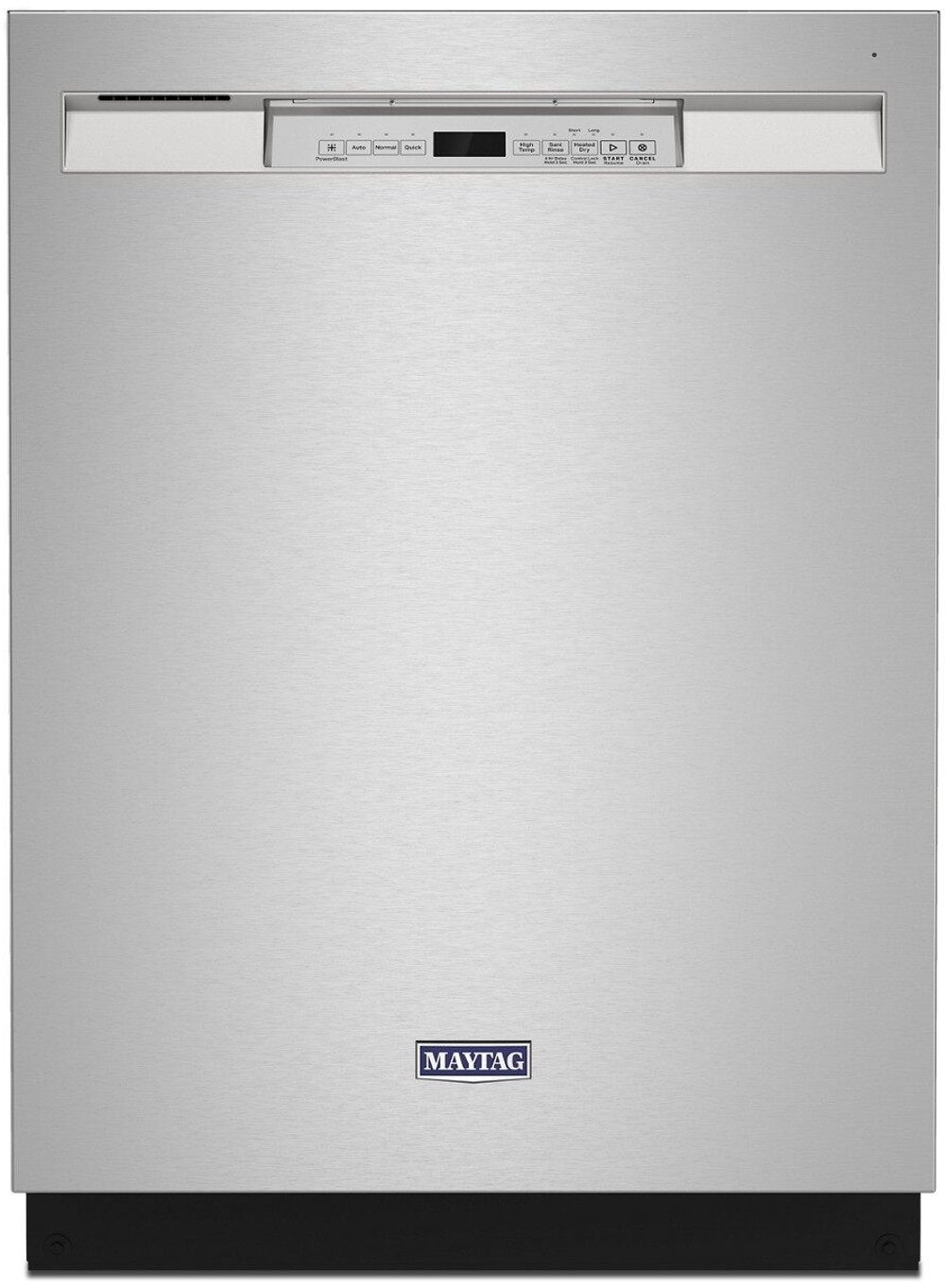
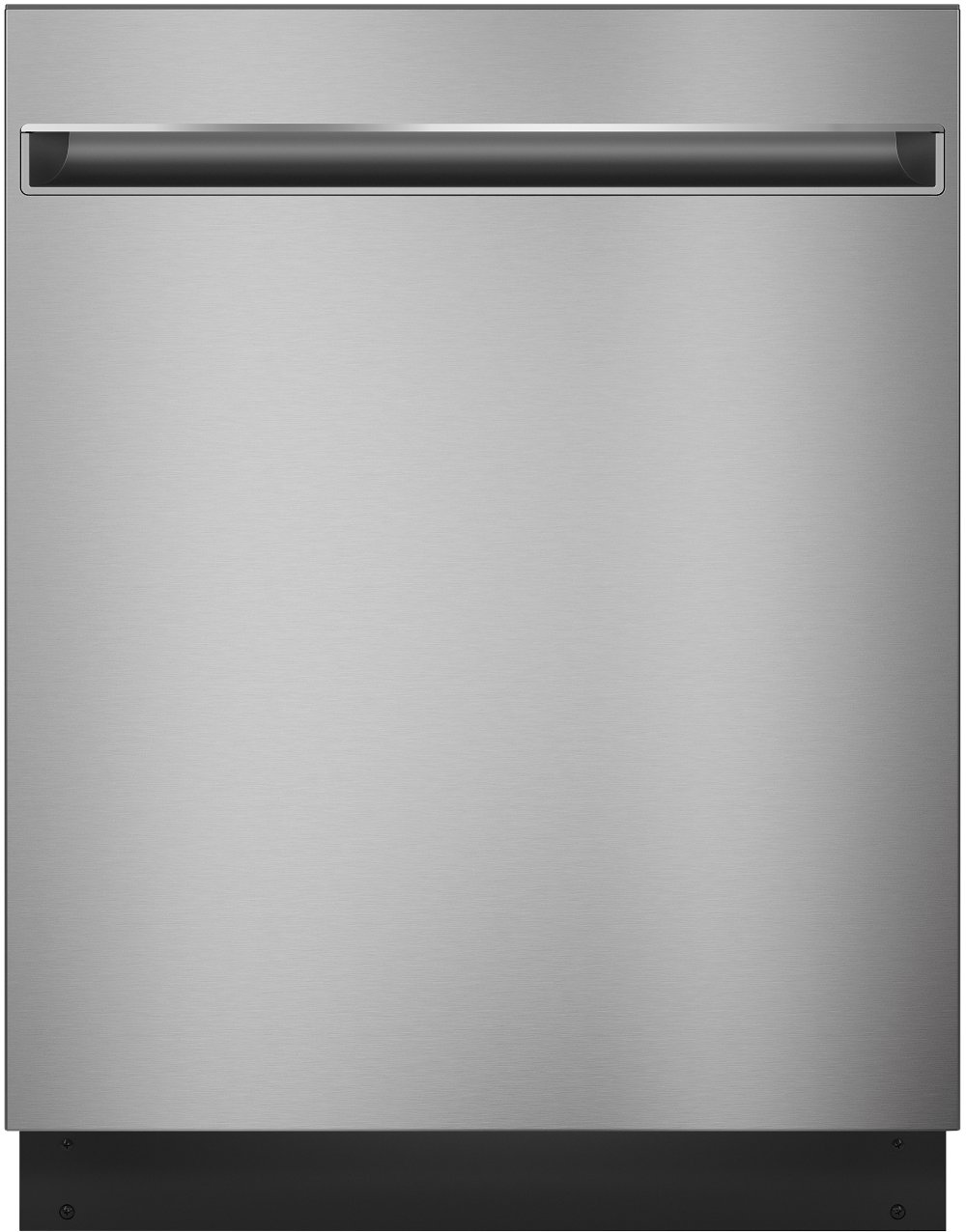
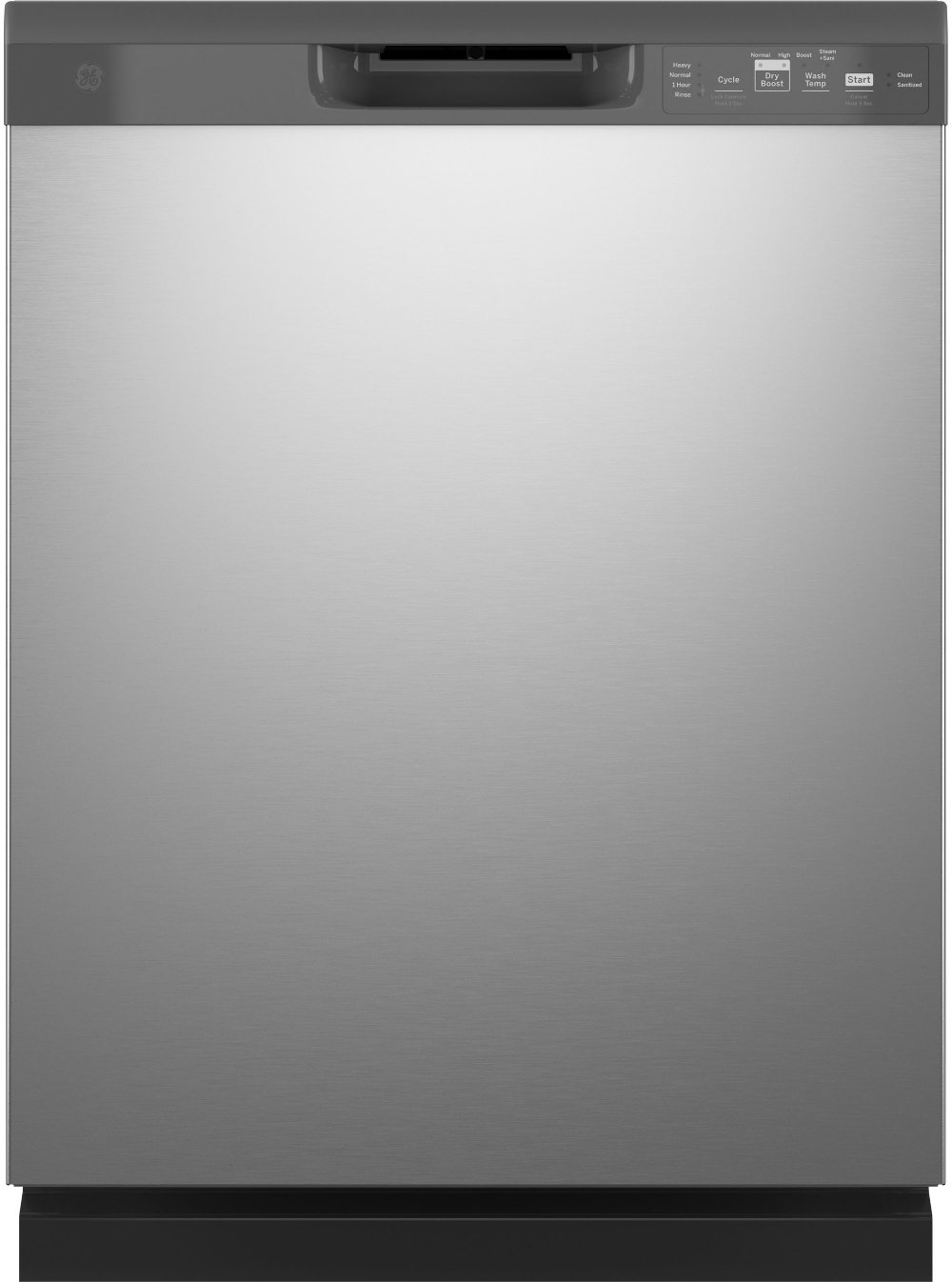
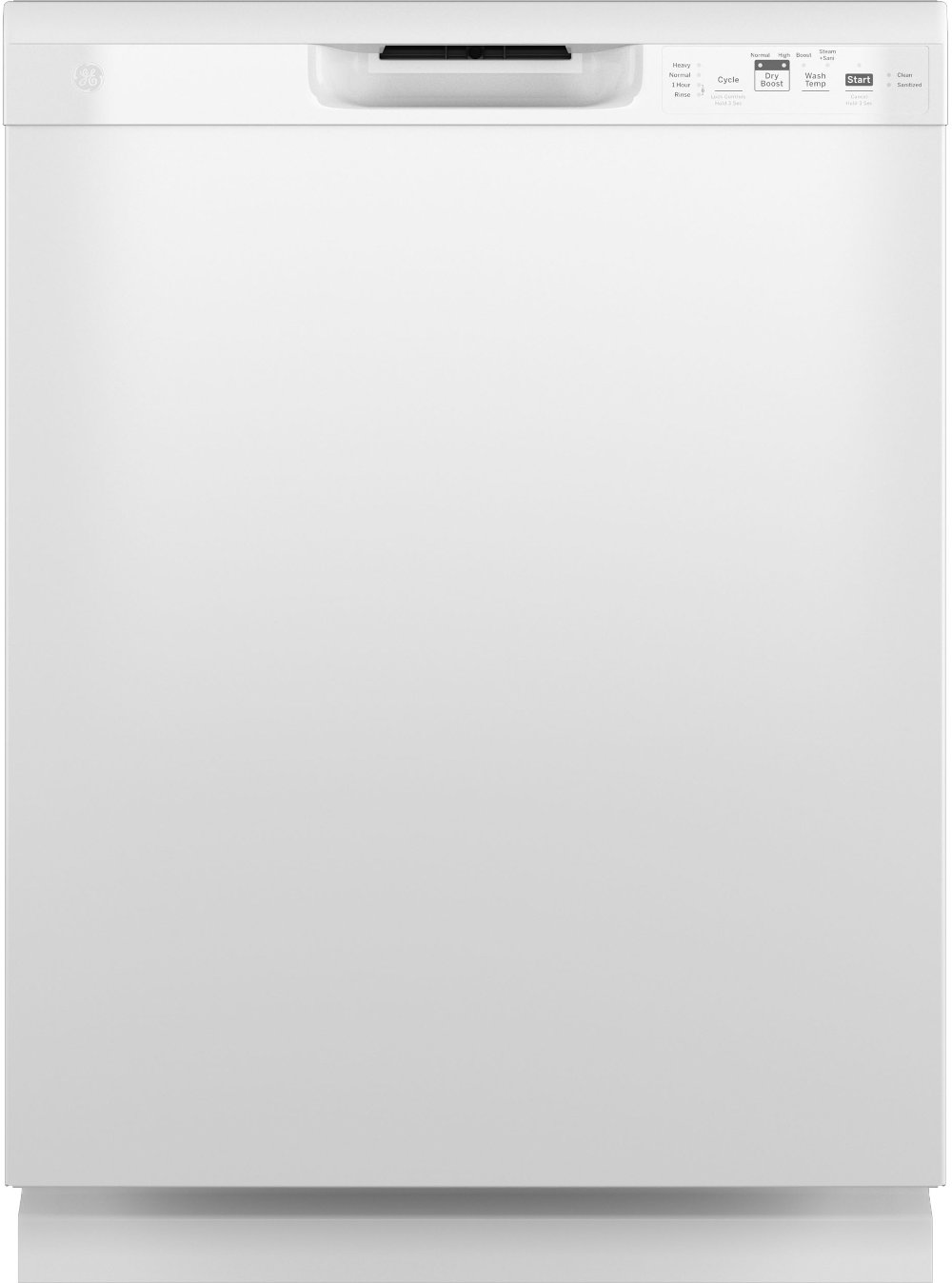
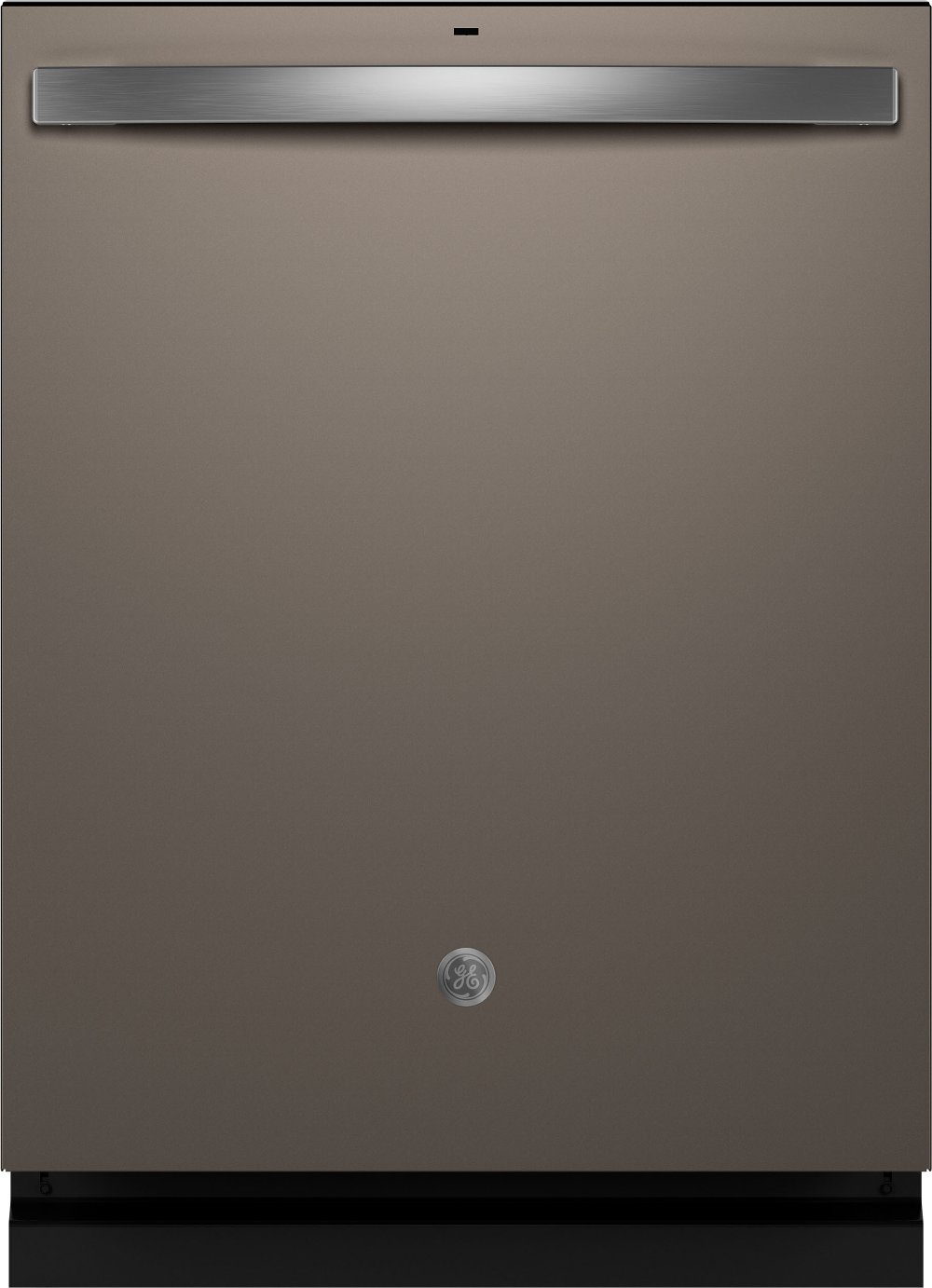
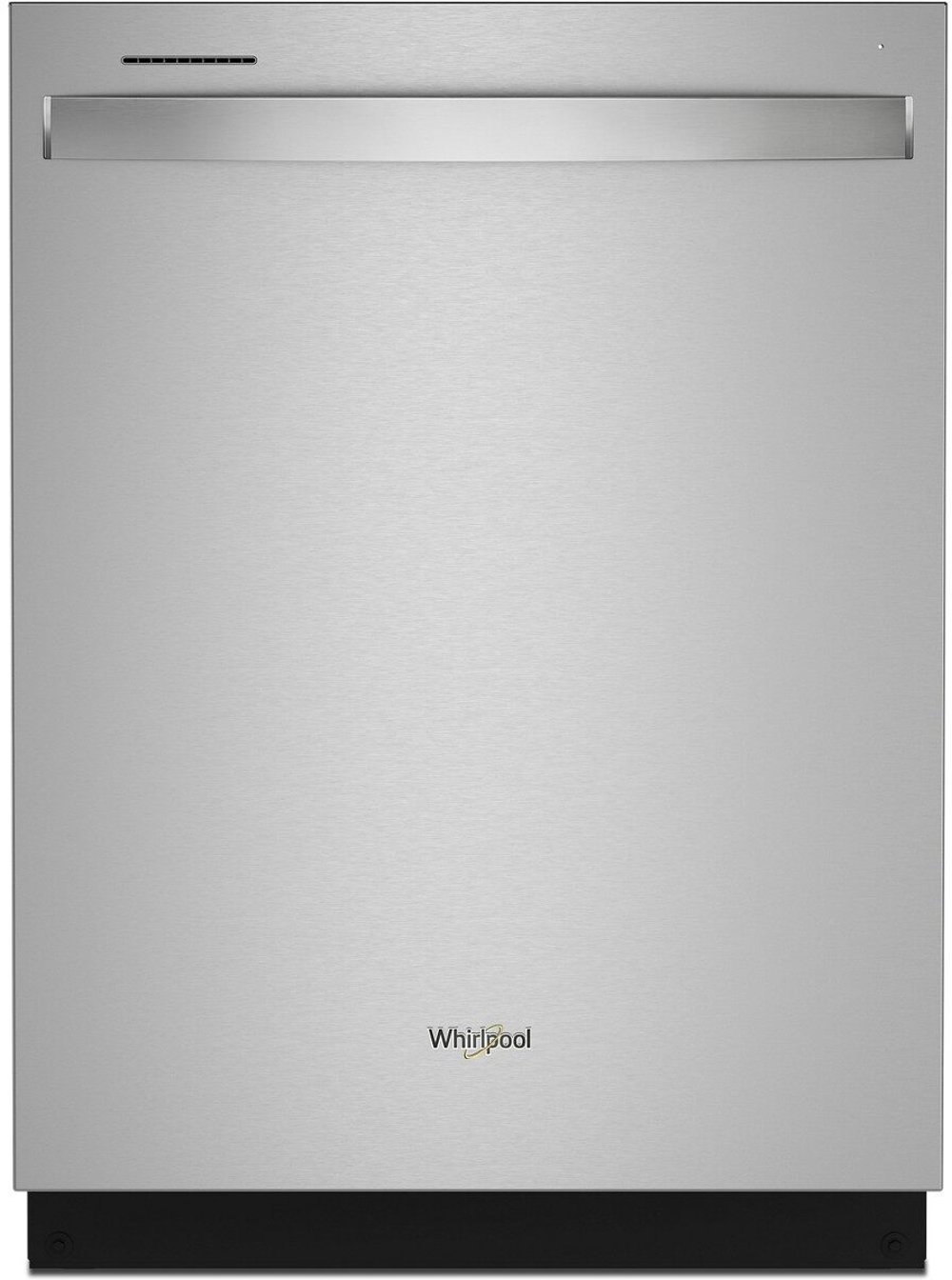
High-temperature dishwashers use heated water to help remove food residue and, on properly designed sanitizing cycles, reduce bacteria on dishware. The term has a specific meaning in commercial kitchens: many high-temperature commercial dishwashers wash at approximately 150°F–165°F and deliver a final rinse around 180°F at the rinse manifold. That hot rinse helps bring the dishware surface to the temperature required for thermal sanitization, commonly at least 160°F. Exact requirements vary by machine type, operating conditions, and applicable health codes, so the equipment’s specifications matter more than the category name alone. Unlike commercial low-temperature machines that use chemical sanitizers, thermal-sanitizing machines rely on heat for the sanitizing step, although they still need appropriate detergent and typically rinse aid. For home kitchens, high-temperature dishwashers generally refer to residential appliances with enhanced wash temperatures, a sanitizing option, or both—not restaurant equipment with a 180°F final rinse. A high-temperature wash setting helps tackle greasy plates and food-covered utensils, while a sanitizing cycle serves a separate purpose. Residential sanitizing cycles certified to NSF/ANSI 184 must achieve a minimum 99.999% reduction of bacteria under test conditions and reach a final rinse temperature of 150°F. That performance applies to the certified cycle when it completes successfully, rather than to every setting on the appliance. This distinction helps match a dishwasher to its intended use, whether that means handling dinner plates after a family meal or processing repeated racks of glassware in a food-service kitchen. Hot water works alongside detergent, spray coverage, filtration, and proper loading; heat alone doesn’t guarantee a clean result. A casserole dish with baked-on cheese still needs an appropriate cycle and space for water to reach its surface. For households that cook frequently, pack lunches, or regularly fill the sink with serving bowls, a dishwasher with clearly documented high-temperature and sanitizing features can make everyday cleanup more manageable. Commercial users need equipment rated for their workload and sanitation requirements, rather than a household dishwasher with a similarly named setting.
The right fit involves the kitchen layout as much as the cleaning features. A built-in residential dishwasher needs an opening with the correct width, height, and depth, plus clearance for the door to open without hitting a nearby cabinet or island. Handle projection, the position of utility connections, and the space beneath the countertop can all affect installation. Compact formats can suit smaller kitchens, while full-size designs offer more loading flexibility for households that generate several meals’ worth of dishes each day. Interior layout deserves a close look: adjustable upper racks can accommodate taller glasses, folding tines can create room for mixing bowls, and well-positioned utensil sections can keep spoons from nesting together. Usable capacity matters more than a place-setting count when the usual load includes sheet pans, deep cereal bowls, or wide dinner plates. Stainless steel tubs are common in higher-heat residential designs because they tolerate heat well, resist staining, and can support condensation drying. Plastic tubs can also provide dependable service when used within the appliance’s specified operating limits. Rack construction, protective coatings, sturdy rollers, and accessible filters contribute to durability and ease of care. Commercial high-temperature dishwashers have different demands, with undercounter, door-type, and conveyor configurations designed around rack handling and throughput. Stainless steel construction suits repeated use and frequent cleaning, but the installation requirements can extend well beyond the cabinet opening. Depending on the machine, thermal sanitization may require a booster heater, a specified incoming water temperature, dedicated electrical service, and suitable drainage. Some commercial units require 208–240-volt power, with phase and circuit requirements that must match the equipment. Ventilation or an exhaust hood may also be necessary under local codes. Residential units commonly use 120-volt service, but their installation instructions still govern electrical and plumbing connections. For either setting, water hardness can influence performance and maintenance needs. Choosing a dishwasher that fits the available space, utilities, and daily workload helps prevent a mismatch between an appealing feature list and the way the kitchen actually functions.
Cleaning, sanitizing, and drying are related, but they aren’t interchangeable features. A high-temperature wash targets cleaning performance, a sanitizing cycle must meet defined conditions to reduce bacteria, and a drying system manages the moisture left after rinsing. If dry dishes are a priority, Heated Dry Dishwashers offer a related category to consider alongside wash-temperature options. Some dishwashers use a heating element, while others combine retained heat, condensation, fans, or automatic door opening to support drying. Commercial high-temperature rinses can encourage rapid evaporation from hot dishware, although actual drying depends on the material, rack arrangement, rinse aid, and surrounding conditions. Plastics usually retain less heat than ceramic or glass, so a lightweight storage container may remain damp even when nearby plates feel dry. High heat also isn’t appropriate for every kitchen item. Dishwasher-safe markings and care instructions are especially important for plastic lids, insulated drinkware, delicate glassware, wooden utensils, and pieces with decorative finishes or glued components. A sanitizing cycle doesn’t turn a household dishwasher into a sterilizer, and specialty items may require their own cleaning method. Thoughtful loading supports consistent results: cups and bowls need room to drain, spray arms need unobstructed movement, and heavily soiled surfaces need exposure to the water jets. Removing larger food scraps helps protect the filtration system without making extensive handwashing part of every load. Routine care can include cleaning the filter as directed, wiping door seals, and checking spray-arm openings for debris. In hard-water areas, mineral deposits can collect on interior surfaces and heating components, making manufacturer-approved descaling an important part of upkeep. Commercial operators also need to monitor sanitizing performance using the equipment’s instructions and applicable food-safety procedures; a hot-looking rinse isn’t proof that dishware reached the required temperature. For home use, cycle length, operating sound, drying performance, and energy consumption all deserve attention alongside temperature settings. A dependable dishwasher balances those features with straightforward controls and an interior that suits the dishes used most often, helping everyday cleanup feel less demanding.
Read More