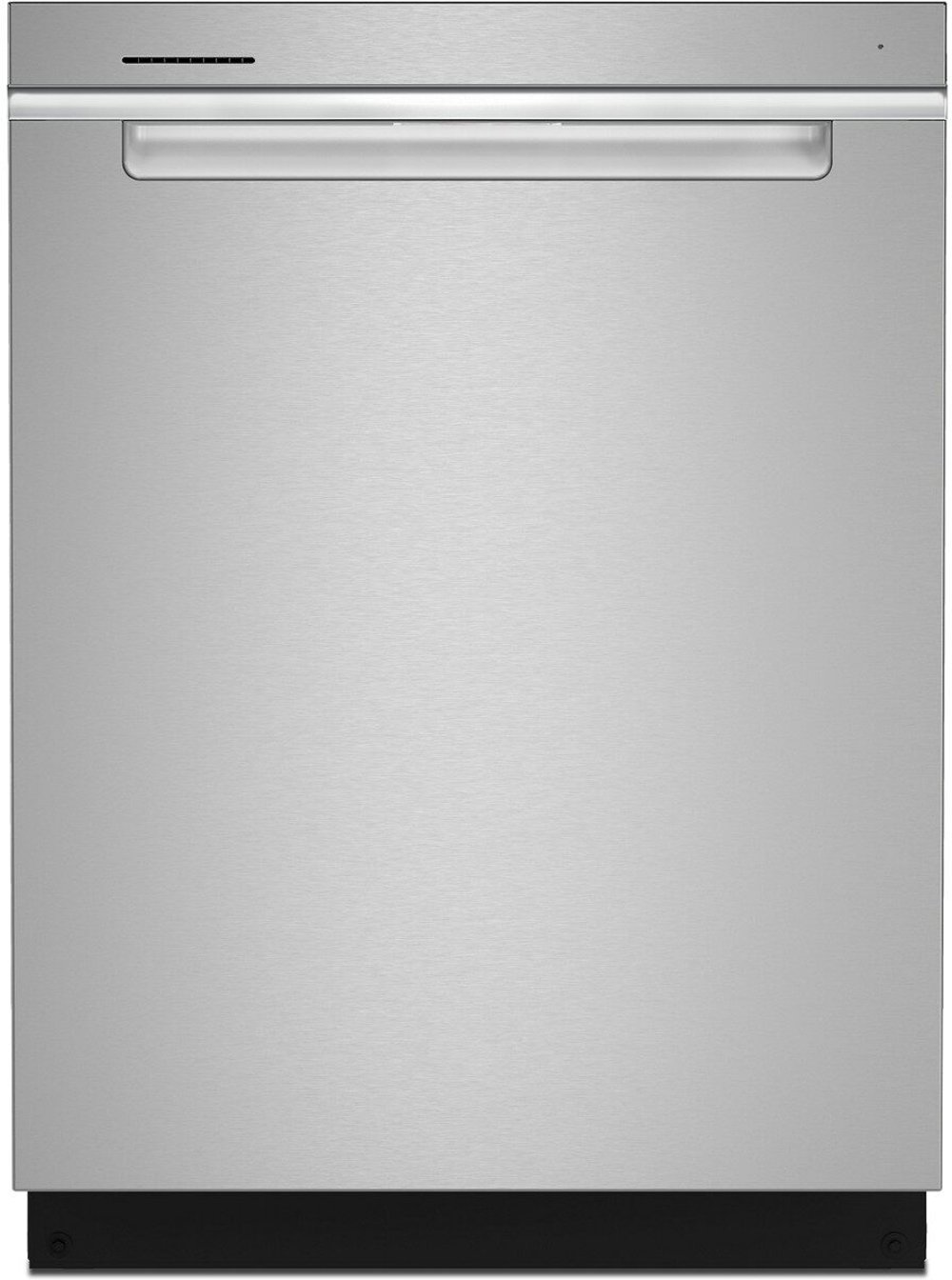
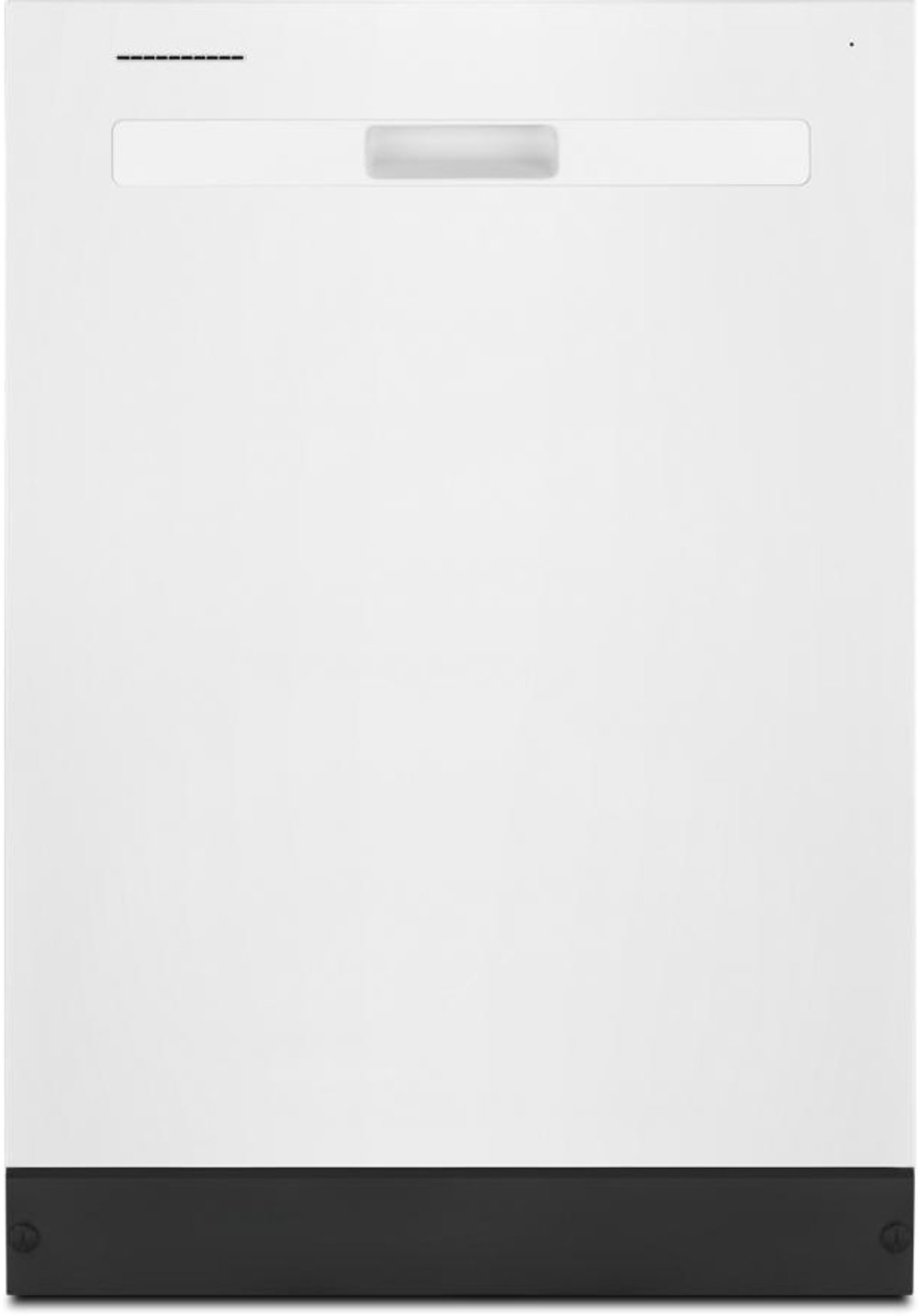
Professional dishwashers are heavy-duty cleaning machines designed to handle repeated loads of dishes, glasses, utensils, and compatible cookware in busy kitchens. Commercial models serve restaurants, cafés, offices, and care facilities where dependable cleaning and appropriate sanitizing performance support daily operations. Professional-style residential dishwashers serve a different purpose: they bring substantial construction, flexible loading, and a coordinated appearance to home kitchens, but their styling alone doesn’t make them commercial equipment. That distinction matters when choosing a machine for a workplace or a household. A small café may need clean cups and saucers ready between orders, while a family kitchen needs room for breakfast bowls, dinner plates, and the baking dish left from last night’s meal. Commercial undercounter dishwashers keep the washing area compact and place loading beneath a work surface, making them useful where floor space is limited. Door-style or hood-type dishwashers accept racks through a larger opening and can support a more continuous workflow, especially when paired with tables for incoming and clean dishes. Conveyor dishwashers move racks through successive cleaning stages and suit operations with substantial, steady dish volume. Throughput varies by machine, cycle, incoming water conditions, and the time needed to load and unload; a short advertised cycle isn’t the same as a guaranteed number of finished racks per hour. Commercial freshwater systems use fresh water for successive cleaning stages or cycles, depending on their design, rather than maintaining a standing wash tank. Tank-style machines retain and recirculate wash water for repeated loads, with separate final-rinse arrangements and scheduled draining and refilling. These differences affect startup, water use, and the rhythm of the washing area. The right configuration supports the work happening around it, whether that means keeping glassware moving through a lunch rush or clearing several racks after a group meal. Rack dimensions, usable opening height, and compatibility with the dishes being washed are as important as the machine’s exterior size.
Construction and fit help determine how comfortably a professional dishwasher works in its intended space. Stainless steel is common in commercial cabinets and wash chambers because it handles frequent cleaning and offers good resistance to corrosion when maintained correctly. Its smooth surface also makes spills and residue easier to wipe away, although harsh chemicals, abrasive pads, and neglected deposits can damage the finish. Durable racks, sturdy door hardware, accessible filters, and serviceable components matter in equipment that opens, closes, and runs repeatedly throughout the day. Inside the machine, rack spacing and spray coverage influence whether water reaches the surfaces that need cleaning. Deep bowls nested together or a large tray blocking a spray arm can limit results even in a powerful machine. A rack that supports glasses securely helps reduce movement, while appropriate utensil holders keep small pieces contained. In a home kitchen, adjustable racks and flexible loading areas can make room for tall glasses or wide serving dishes without turning every load into a rearranging project. Installation involves more than measuring the cabinet opening. The machine also needs suitable electrical service, water connections, drainage, and enough clearance for its door or hood to open fully. Commercial equipment may require dedicated circuits, different voltages, a booster heater, water treatment, or ventilation arrangements that aren’t part of a typical residential installation. Residential built-in dishwashers commonly fit a 24-inch-wide opening, but that dimension shouldn’t be assumed for commercial undercounter equipment. The manufacturer’s installation specifications establish the actual requirements. Door travel deserves attention, too: an open door shouldn’t interrupt a main walkway or crowd the person loading dishes. In a commercial washing area, nearby landing space helps keep incoming dishes separate from clean racks. In an open-plan home, sound levels may matter just as much as loading capacity. A dishwasher that suits the room’s layout, utility connections, and daily workload feels easier to use because it fits the space rather than asking the space to work around it.
Cleaning performance, sanitation, and everyday care complete the picture. Commercial high-temperature dishwashers use a hot final rinse to achieve their specified sanitizing performance, while commercial low-temperature machines generally rely on an approved chemical sanitizer. Neither approach depends on temperature alone: correct detergent or sanitizer delivery, cycle operation, loading, and maintenance all contribute to the result. For food-service and care settings, the equipment’s certification and local requirements matter more than a “professional” description. A residential sanitize setting doesn’t automatically qualify a household dishwasher for commercial service. For a related look at machines with higher-temperature cleaning features, explore High Temperature Dishwashers, keeping each model’s intended use and sanitation specifications in mind. Fast commercial cycles can be valuable during repeated service, but they often follow an initial heating period and may require more hands-on dish preparation than a household machine. Scraping food into an appropriate waste container keeps excess debris out of the wash system; additional pre-rinsing depends on the equipment and the condition of the dishes. Many commercial machines leave dishes hot and wet for air drying rather than providing the extended drying stage familiar in residential use. Household machines may offer longer cycles that combine washing, rinsing, and drying with less attention between steps. Care routines also differ, although both benefit from clean filters, unobstructed spray arms, and detergent formulated for the machine. Hard-water deposits can collect on internal surfaces and affect performance, making manufacturer-approved descaling or water treatment especially relevant in demanding applications. Commercial tank systems need draining and cleaning according to their operating instructions, not simply another wash cycle. Delicate glassware, wooden utensils, insulated drinkware, and specialty cookware each need a check against their own care instructions before going into any dishwasher. For households that cook often or entertain regularly, a well-matched residential model can provide the capacity and convenience that daily cleanup calls for. For businesses, appropriate commercial equipment supports repeatable results and an orderly washing area. In either setting, professional dishwashers earn their place through suitable construction, practical loading, and reliable performance under the conditions they’re designed to handle.
Read More