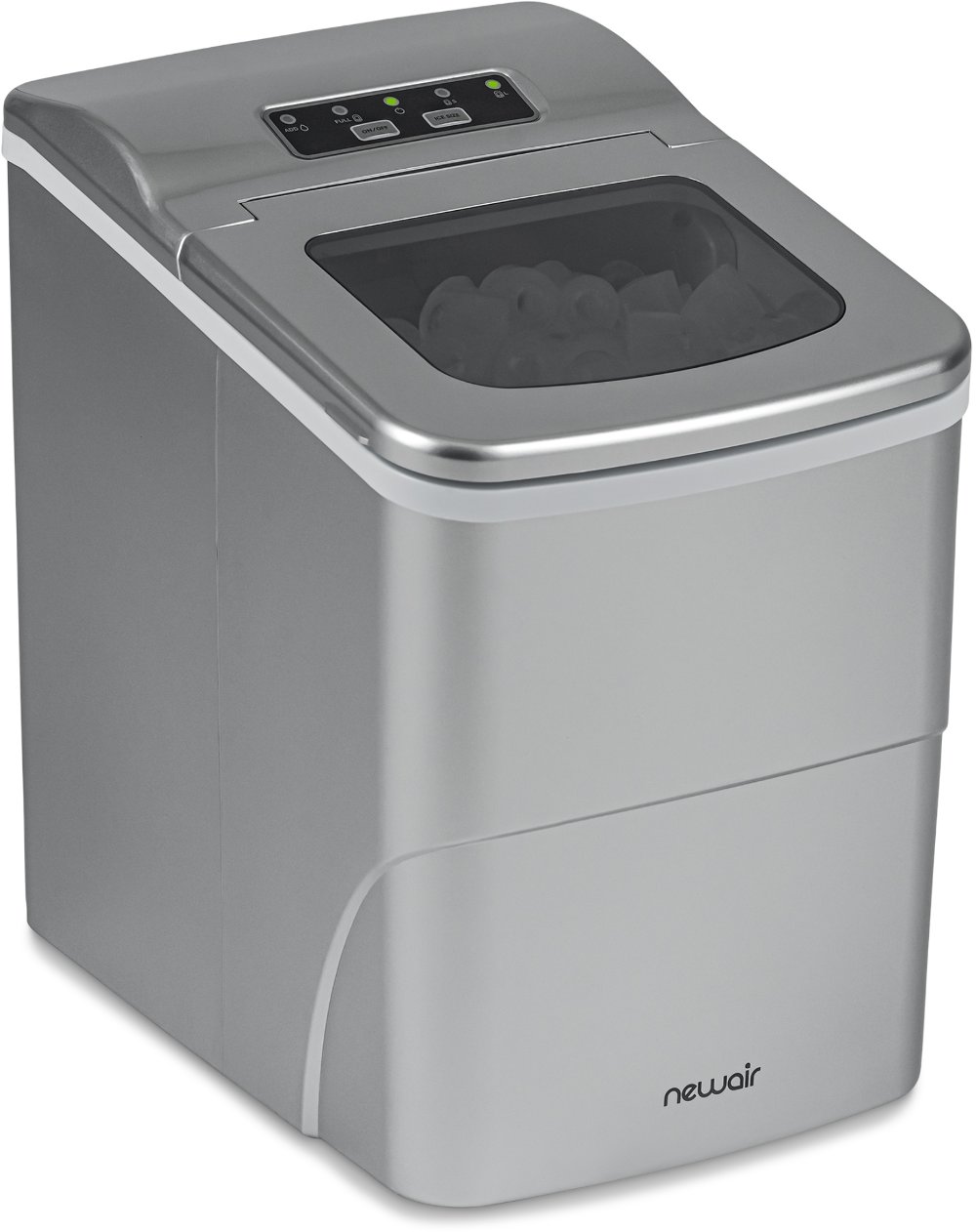
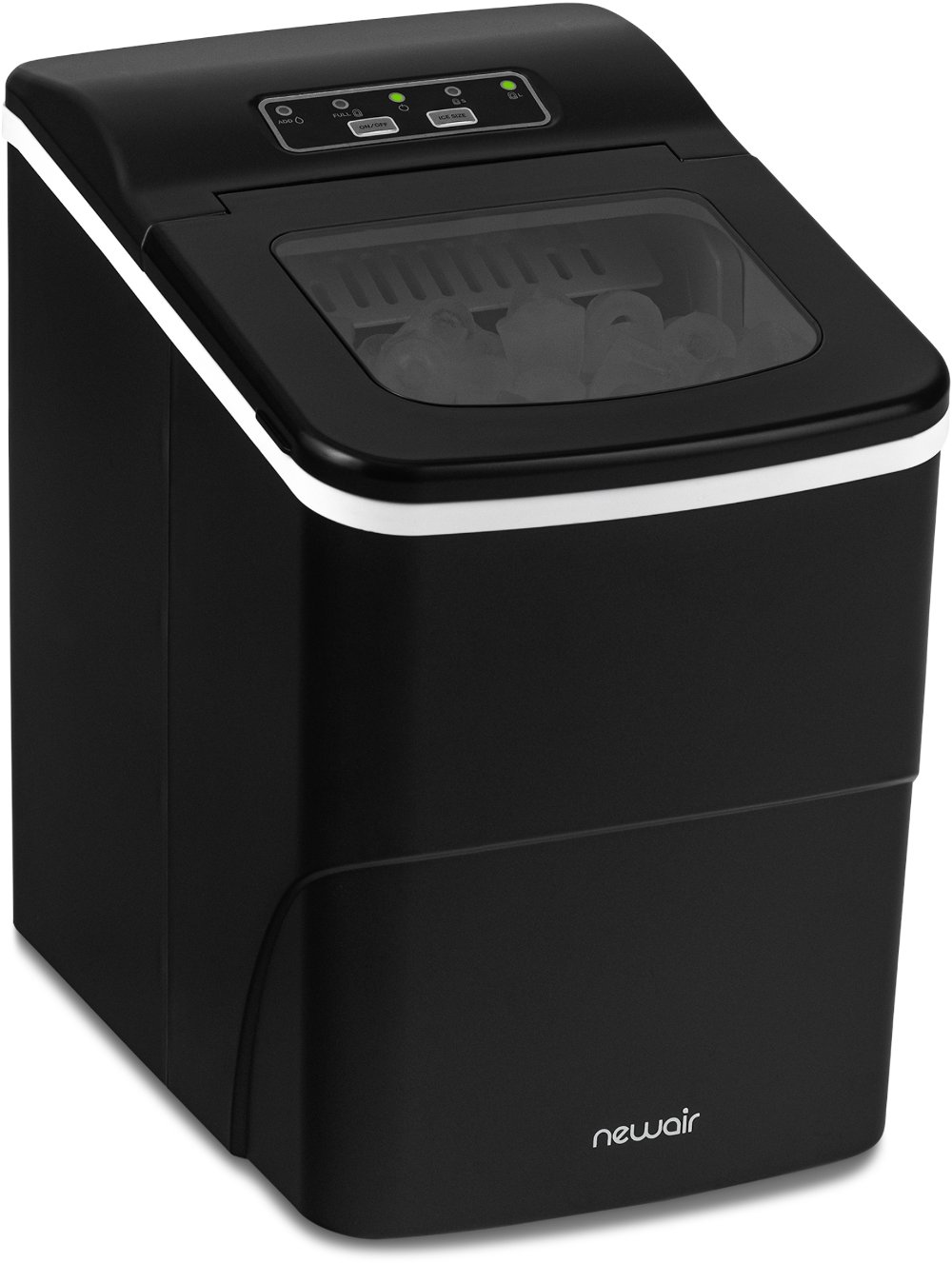
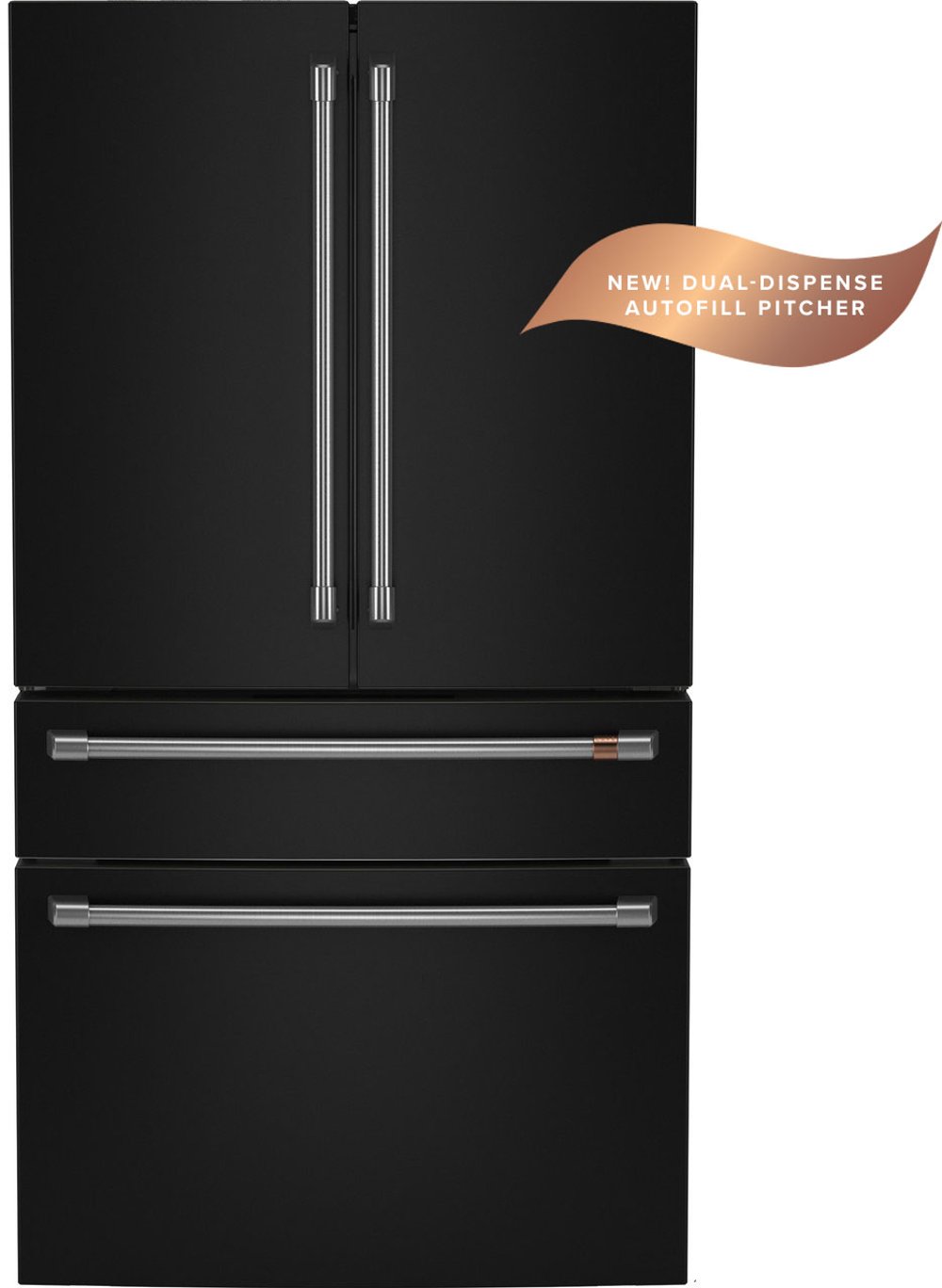
Ice machine kits bring automatic ice making to compatible refrigerators, helping keep a bin of ice ready for everyday drinks, packed lunches, and gatherings around the kitchen. A refrigerator ice maker kit is an accessory designed to add an ice-making assembly to an ice-maker-ready refrigerator or replace an assembly when the manufacturer specifies that kit for the appliance. Depending on the kit, components may include the ice maker assembly, a water inlet valve, a wiring harness, mounting hardware, and an ice storage bin. The assembly fills an ice mold with water, freezes it, and releases the finished ice into the bin. A shutoff arm or sensor helps pause production when the bin reaches its intended capacity. That automatic cycle means fewer trays to refill and less balancing a shallow pan of water between the sink and freezer. For households that fill several water bottles before leaving home or regularly serve drinks with dinner, the convenience becomes part of the daily routine. The distinction between an ice maker kit and an ice maker water line kit matters, though. An ice maker kit supplies the components that produce and collect ice inside a compatible appliance; a water line installation kit connects the appliance to a household water supply. Some packages combine components, while others cover only one part of the setup. A long supply line, connection fittings, or other installation materials may be separate from the ice-making assembly. The package contents and appliance installation requirements determine what else is needed. These kits also differ from complete countertop or freestanding ice machines, which have their own operating requirements and are not interchangeable with refrigerator accessories. Within this category, the best fit starts with the appliance the kit is designed to serve, whether the goal is adding a convenient feature to an eligible refrigerator or restoring a familiar part of the kitchen routine.
Compatibility is the most important consideration when comparing ice machine kits. A refrigerator’s exact model number provides a more reliable starting point than its appearance, width, or manufacturer name alone. Even refrigerators that look nearly identical can use different mounting points, electrical connectors, water valves, or ice bins. An ice-maker-ready design generally includes provisions for a compatible assembly, but that designation does not mean every kit will fit. The refrigerator documentation and the kit’s compatibility information should identify the approved match. A kit described as universal can still have limits, so that wording is not a substitute for checking the model requirements. Physical fit includes more than attaching the assembly to a freezer wall: the storage bin needs its intended position, the shutoff mechanism needs room to move or sense the ice level, and nearby shelves or drawers must remain usable. For a smaller freezer, the space occupied by the assembly and bin can also affect how easily frozen meals and everyday groceries fit. Materials deserve attention for both the ice-making components and the water connection. Assemblies commonly combine molded plastic housings and bins with metal working components, electrical connections, and seals. Water supply tubing may be copper, approved plastic, or a line with a braided stainless steel exterior, depending on the appliance requirements and installation conditions. Materials that contact drinking water should be intended for that use, and tubing size, fittings, pressure limits, and connection types must match the specified setup. Durability depends on correct fit and installation as much as material choice; a tough outer braid cannot make an incompatible fitting suitable. A supply line also needs enough room for appropriate routing without being pinched behind the refrigerator. For a broader look at related appliance accessories, Refrigerator Kits brings that category into view. Installation can involve water and electrical connections, making qualified help a sensible choice when the setup requires plumbing changes or unfamiliar appliance work.
A well-matched ice maker kit should suit the way the household uses ice, not just the space inside the freezer. A couple who adds a few cubes to evening drinks has different expectations from a busy household filling insulated tumblers throughout the day. Ice production varies with the refrigerator, freezer conditions, water supply, and use, while the storage bin holds only its designed amount. Automatic production replenishes the supply over time rather than making a full bin immediately, and the first batch after installation may require a waiting period specified by the manufacturer. Ice shape and size also depend on the compatible assembly; an add-on kit does not automatically create specialty nugget or clear ice. These practical details help set expectations for everyday use and for occasions when several people reach for ice at once. Care is usually straightforward, but the appliance instructions remain the right reference for cleaning methods and service intervals. Removable bins may need periodic washing with an approved mild cleaner, thorough rinsing, and drying before returning to use. Dishwasher suitability varies, so a plastic bin should not be assumed dishwasher-safe. Fresh ice benefits from a clean storage area, properly wrapped frozen foods, and any filter maintenance required by the refrigerator. Not every ice maker kit includes a filtration system, and adding an ice maker does not itself treat the incoming water. Manufacturer instructions may also call for discarding initial batches after installation or certain maintenance tasks. Keeping utensils and other stored objects clear of moving parts helps protect the mechanism, while avoiding sharp tools to break apart ice helps protect the bin and assembly. For a household upgrading an eligible refrigerator, these kits offer a practical way to make a frequently used appliance more convenient without replacing the entire refrigerator. The strongest choice is the one that matches the model, includes the right components for the intended job, and supports the household’s daily habits with straightforward care.
Read More