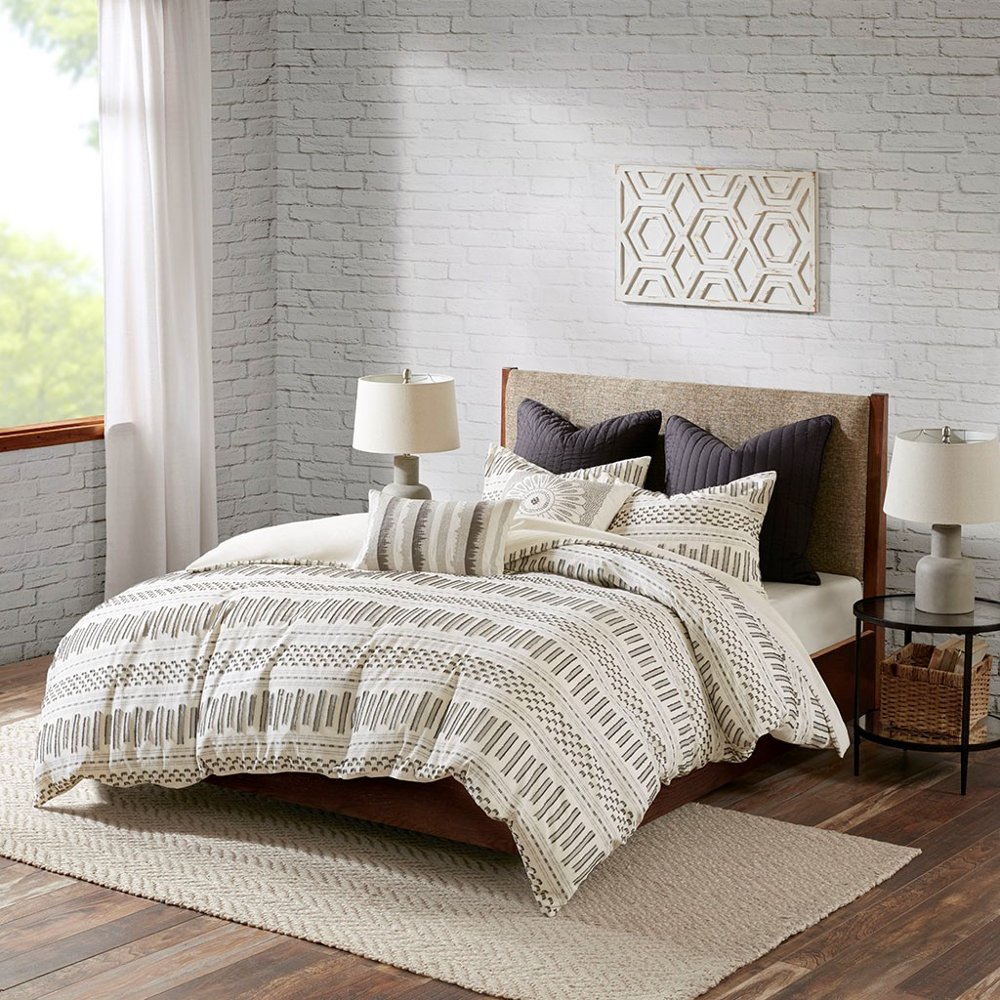
King Size Blankets
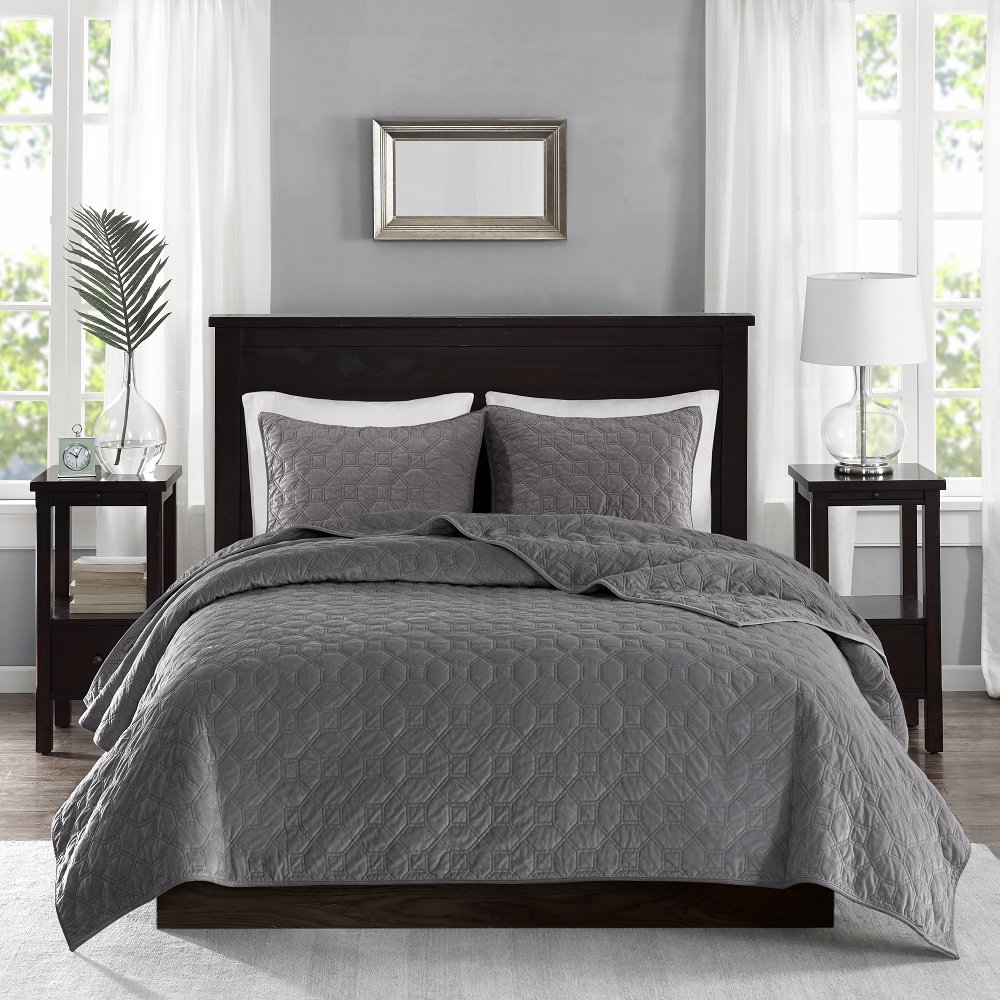
King size blankets typically measure about 102 to 108 inches wide by 90 to 100 inches long, though exact dimensions vary by manufacturer and design. Standard king size mattresses measure 76 inches wide by 80 inches long, so a blanket needs additional fabric to cover the sides and extend beyond the foot of the bed. A 108-inch-wide blanket centered on a standard king provides about 16 inches of fabric beyond each side of the sleeping surface before accounting for mattress depth. That difference matters on a thick pillow-top mattress, where more fabric goes toward covering the mattress itself. A blanket that looks generously sized on a low-profile bed may leave a shorter drop on a taller one. Length deserves equal attention, especially if you prefer to tuck the blanket beneath the mattress rather than let it hang freely. California king mattresses measure 72 inches wide by 84 inches long, making blanket length particularly important despite their narrower width. Actual measurements tell you more than the king label alone, and an oversized king blanket can offer additional coverage for deeper mattresses or two sleepers who tend to pull the covers in opposite directions. The best fit also depends on how the blanket sits within your bedding. A layer tucked beneath a comforter can have a neater, shorter drop, while a blanket used as the top covering may look better extending farther down the sides. On a platform bed, a controlled drape keeps the frame visible; on a taller bed, extra width can help create a more balanced appearance. Generous coverage also makes these blankets useful beyond bedtime, whether stretched across a guest bed or shared across a roomy sectional for a movie. For everyday use, enough fabric to turn over comfortably without uncovering the person beside you often matters more than a perfectly styled edge.
Material shapes a king blanket’s feel, weight, and drape as much as its dimensions. Cotton blankets offer breathable comfort and a familiar fabric feel, with constructions ranging from smooth, closely woven surfaces to textured waffle weaves. A substantial cotton weave can feel reassuringly weighty without the lofty surface of plush fleece, making it a practical choice for someone who likes a flatter bedding layer. Polyester fleece generally feels soft and light for its thickness, while plush fabrics have a raised pile that gives the surface a velvety or fluffy touch. The pile length makes a noticeable difference: a shorter surface tends to look smoother, while longer fibers create a fuller appearance and may hold onto lint or pet hair more readily. Microfiber describes very fine fibers rather than one specific fabric construction, so microfiber blankets can vary considerably in texture and weight. Wool offers natural loft and resilience, although softness depends on the fiber and construction; some people enjoy its textured feel, while others prefer a smooth sheet between the blanket and their skin. Blended fabrics combine different fiber characteristics, and the percentages on the label help explain how a blanket may feel and how it needs to be cared for. Rayon or viscose derived from bamboo can contribute a smooth hand and fluid drape, but the finished blend determines its overall performance. Construction details matter, too. A tight weave generally offers fewer places for pet claws or jewelry to catch than an open knit, and securely finished hems help edges withstand repeated handling. Bound edges can reinforce the perimeter, while quilted stitching helps distribute filling in blankets made with a filled interior. For a shared bed, consider the bulk of the complete bedding arrangement: a flat woven blanket layers neatly under a comforter, while a lofty plush blanket adds more volume. Someone who prefers freedom of movement may enjoy a lighter layer, while another sleeper may appreciate a blanket with a more substantial feel.
Care requirements are worth considering before a king blanket becomes part of the daily routine. Many cotton and polyester blankets are machine washable, but the care label determines the appropriate wash cycle, water setting, and drying method. A blanket’s size also affects the laundry process. Even when the fabric allows machine washing, a bulky king blanket needs enough space to move freely in the drum; a tightly packed load can be difficult to rinse and dry evenly. A larger-capacity machine may be a better match for a dense or oversized blanket. Cotton can shrink, particularly when exposed to more heat than the care instructions recommend, and some plush fabrics can lose their original texture with improper drying. Wool and other delicate constructions may call for gentler handling or professional cleaning. Thorough drying before folding or storing helps keep any blanket fresh, and a clean, dry storage space protects the fabric between uses. A sheet beneath the blanket can also reduce direct contact with body oils and make regular bedding changes easier. Beyond maintenance, color and texture help a king size blanket fit naturally into a bedroom. A smooth neutral blanket creates a quiet foundation beneath patterned bedding, while a waffle weave or ribbed texture adds definition without relying on a bold print. Folding the blanket across the foot of the bed keeps it within reach and leaves a duvet or quilt visible; spreading it fully across the mattress gives its texture a larger role in the room. In a guest room, a generously sized blanket offers visitors an additional layer they can use according to their preferences. King blankets can also make thoughtful wedding or housewarming gifts when the recipient’s bed size and care preferences are known. A washable fabric, comfortable texture, and color that works with existing linens make the gift easier to enjoy, especially for someone furnishing a larger bedroom or refreshing bedding they use every day.
Read More