Queen Size Blankets

Shop queen size blankets for a cozy layer to use on its own or with your other bedding. As you compare options, check the listed dimensions for the coverage and drape you prefer, and review care instructions to choose a blanket that fits your everyday routine.

Read More

Queen Size Blankets

Queen size blankets typically measure about 90 by 90 inches, although dimensions vary by construction and style. Some measure 90 by 100 inches or have an oversized cut for a more generous drape. A standard queen mattress measures 60 by 80 inches, so a queen blanket extends beyond the sleeping surface to cover the sides and foot of the bed. The finished blanket dimensions matter more than the size name alone, especially on a deep mattress or a bed with a thick topper. A blanket that falls neatly along the sides of a low-profile mattress may sit higher on a taller bed. For a tucked-in look, extra length and width provide room to secure the edges beneath the mattress without pulling the fabric tight across the top. For a relaxed look, an untucked blanket can show off its weave, stitched border, or softly rounded folds. Queen blankets work as a layer between a flat sheet and a quilt or comforter, and they can also serve as the main bed covering for someone who prefers less bulk. On a shared bed, generous dimensions help both sleepers stay covered when one person turns over or pulls the blanket closer. Keep in mind that a queen blanket won’t necessarily reach the floor or cover the bed the way a bedspread does. Its main purpose is comfortable coverage, with the amount of visible drape depending on the mattress, bed frame, and blanket measurements. When comparing sizes, consider whether the blanket will sit below the pillows, fold across the foot of the bed, or cover the entire mattress. Those everyday details help determine whether a standard queen size or a larger cut will give the bed the finish and coverage you have in mind. A few minutes with a tape measure can make that difference clear before choosing a blanket.

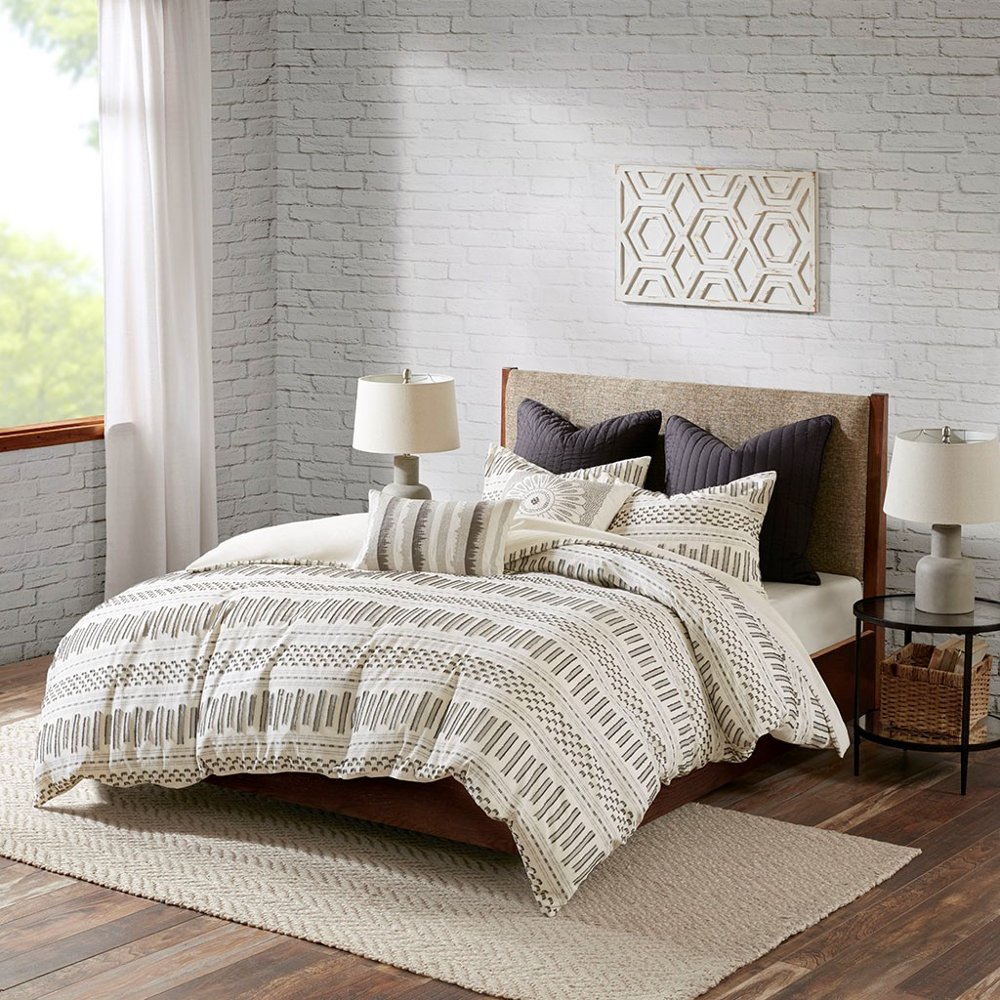
Materials give queen size blankets much of their character, from the smooth touch of a closely woven cotton blanket to the fluffy surface of plush fleece. Cotton is often chosen for its breathability, familiar feel, and versatility as a bedding layer. A waffle or open weave adds texture without the same density as a thick, closely constructed blanket, while a more substantial weave can feel reassuringly weighty across the bed. Fleece blankets offer a soft, brushed feel, and many synthetic fleece constructions are relatively light for the warmth they provide. Microfiber blankets use very fine synthetic fibers to create a smooth or plush surface, depending on how the fabric is made. Wool has natural insulating properties and can suit someone who enjoys a substantial blanket, though its feel and care requirements vary. Blended fabrics combine fibers to balance qualities such as softness, strength, and ease of care. Fiber content is only part of the picture: weave, pile height, fabric weight, and finishing all affect how a blanket feels and holds up to use. Someone who likes crisp, orderly bedding may prefer a flatter woven surface, while someone who settles into bed with a book may enjoy a softer, loftier texture. For a bed shared with a pet, a tight construction without loose loops or long fringe can be a practical choice because claws have fewer places to catch. Color and texture also influence how easily a blanket fits into the room. A solid neutral lets patterned pillows or a quilt stand out, while a subtle stripe or textured weave brings interest to simple bedding. Paired with queen size white bedding sets, a textured queen blanket adds depth without requiring a busy pattern. A contrasting folded edge can define the foot of the bed, while a similar shade creates a quieter, more coordinated finish.

Easy care becomes especially important when a queen blanket is part of the bedding used every night. Check the care label for washing instructions, drying methods, and any limits on heat before cleaning. Some blankets can go through a home washer and dryer, while others need hand washing, air drying, or professional care. Size alone doesn’t determine whether a blanket fits comfortably in a washing machine; thickness and absorbency matter, too. A bulky blanket needs enough room to move through the wash and rinse thoroughly, so forcing it into a small drum can make cleaning less effective. Following the recommended drying method helps protect the fabric’s shape and surface, and a blanket should be completely dry before it returns to the bed or goes into storage. Durability comes from the combination of fabric construction, secure edges, and appropriate care rather than softness alone. Closely finished hems, even stitching, and binding that lies flat are useful details to consider for a blanket that will be pulled up, folded back, and laundered repeatedly. Raised textures and plush surfaces may change with friction and washing, so care expectations should match the way the blanket will be used. An everyday blanket for the primary bedroom has a different routine from one kept in a guest room or folded over a bench for occasional use. A queen blanket can also make a thoughtful housewarming, wedding, or graduation gift when the recipient has a queen bed. Neutral colors and straightforward care are helpful when personal decorating preferences aren’t fully known, while a favorite color can make the gift feel more personal. For a guest bedroom, an extra folded blanket gives visitors an easy way to adjust their bedding without remaking the whole bed. Whether it becomes a nightly layer or an extra covering kept within reach, a well-chosen queen blanket brings together comfortable coverage, a pleasing feel, and care that fits everyday life.
Read More

Frequently Asked Questions

Filter By