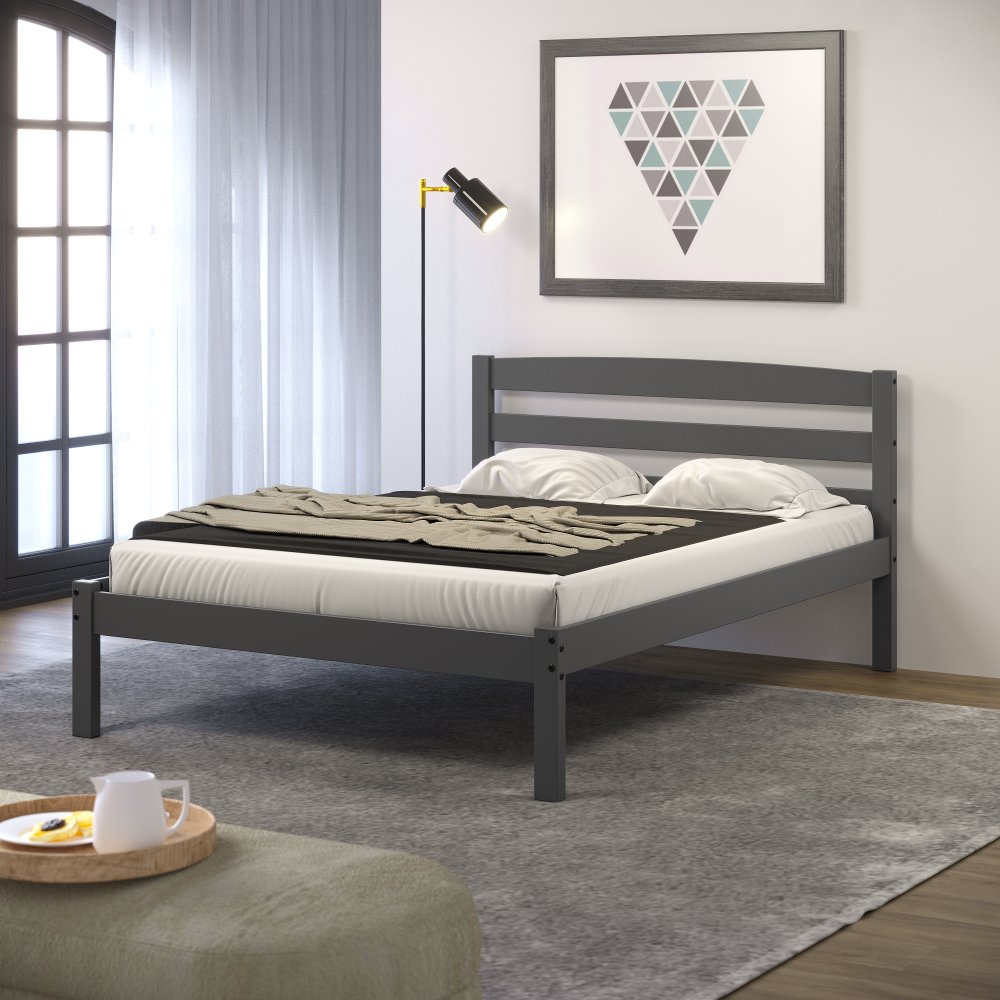
King size metal bed frames give a spacious mattress a dependable foundation while helping your bedroom feel pulled together. Metal frames range from simple rails that stay mostly out of sight to complete bed designs with a headboard and footboard that become part of the room’s character. A frame with clean, straight lines fits naturally beside streamlined dressers and contemporary lighting, while curved rails or spindle details can soften a bedroom with traditional furniture. Dark finishes create a defined outline against light bedding, and lighter finishes can keep a large bed from feeling visually heavy. Steel is common in metal bed construction, though the metal type, thickness, joints, and overall design all contribute to strength. A substantial appearance alone doesn’t tell you how much weight a frame can support, so construction details matter as much as style. For couples who want more room to stretch out, or anyone who enjoys a generous sleeping surface, a king frame can make a primary bedroom more comfortable without requiring an elaborate bed design. It can also suit a roomy guest bedroom intended for extended visits. Fit starts with the mattress: a standard king typically measures 76 inches wide by 80 inches long, while a California king typically measures 72 inches wide by 84 inches long. Those sizes need different frame dimensions unless the frame specifically adjusts to accommodate both. A split king generally uses two twin XL mattresses, but the frame and support system still need to be compatible with that arrangement. The bed’s outside dimensions may extend beyond the mattress, especially when decorative posts, a footboard, or a wide headboard are part of the design. In a room with a dresser opposite the bed, those extra inches can affect whether drawers open comfortably. Measuring the complete footprint and leaving usable paths on both sides helps preserve the everyday convenience of reaching a nightstand, making the bed, and moving through the room.
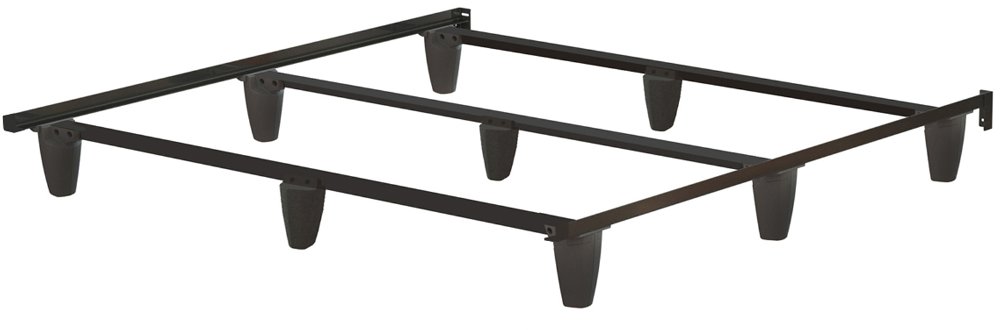
The right support system depends on both the frame construction and the mattress requirements. Some metal bed frames provide a perimeter and center support for a separate foundation or box spring; others use a platform-style arrangement of slats or a metal grid to support a mattress directly. These designs serve different purposes, so a metal frame shouldn’t automatically be treated as a foundation-free bed. If direct mattress support suits your setup, King Size Platform Bed Frames offer a related category to explore, with the same need to confirm mattress compatibility and support specifications. Foam, latex, hybrid, and innerspring mattresses can have different requirements for slat spacing and the surface beneath them. Checking the mattress manufacturer’s instructions helps protect the mattress from inadequate support and keeps the setup consistent with warranty requirements. Because a king mattress spans a wide area, center rails and support legs are important details to look for where the design calls for them. The frame’s stated weight capacity should account for everything it supports, including the mattress, any required foundation, and the sleepers, according to the manufacturer’s definition. Headboard attachment is another practical consideration. Some frames include brackets, some accept compatible attachments, and others are designed as complete beds with their own headboards. Matching the mounting points and hardware is more reliable than assuming that every king headboard fits every king frame. Bed height also changes how the space feels and functions. A low frame paired with a thick mattress may still provide a comfortable sitting height, while a taller frame and foundation can create a bed that takes more effort to climb into. Measuring the planned mattress-and-frame combination helps make that choice more personal. Underbed clearance can be useful for storing extra linens or luggage, but support legs may divide the space, so the height and width of storage containers both matter. Exposed corners, projecting feet, and footboards also deserve attention in tight walkways, particularly when the bed sits close to a doorway or dresser.
Metal bed frames are often chosen for their sturdy construction and straightforward upkeep, but lasting performance still depends on thoughtful assembly and care. Bolted connections, welded sections, slats, and support feet work together, and each part needs to sit where the design intends. During assembly, following the specified tightening sequence helps keep the frame aligned; tightening every fastener completely before the pieces are positioned can make later connections harder to fit. Once assembled, the frame should sit securely, with required support feet contacting the floor as directed. An uneven floor or a loose connection can contribute to movement and noise, so an occasional hardware check is useful, especially after moving the bed. A new squeak doesn’t necessarily mean the entire frame needs replacing: the sound may come from a connection, a support component, or contact between the frame and the foundation. Checking those areas according to the care instructions is a sensible starting point. For routine cleaning, a soft cloth removes dust from rails, posts, and the spaces around joints. When more cleaning is needed, use a product approved for the finish and dry the surface afterward. Abrasive pads and harsh cleaners can damage painted or coated surfaces, while lingering moisture can encourage corrosion where metal is exposed. Floor protection matters, too. Suitable protective cups or pads can help reduce scratches, provided they keep the feet stable and don’t interfere with the required support. When rearranging the room, lifting the frame with appropriate help rather than dragging it protects both the floor and the bed’s connections. Beyond those practical details, metal offers plenty of flexibility in decorating. An open spindle headboard lets a painted wall or patterned wallpaper remain visible, while a simple rail frame can let a separate headboard take the spotlight. Soft bedding, a textured throw, and bedside lighting balance the frame’s crisp lines without hiding its shape. Whether the bedroom leans traditional, industrial, or understated, the most useful king size metal bed frame is one that fits the mattress correctly, supports the intended setup, and leaves the room comfortable to use every day.
Read More