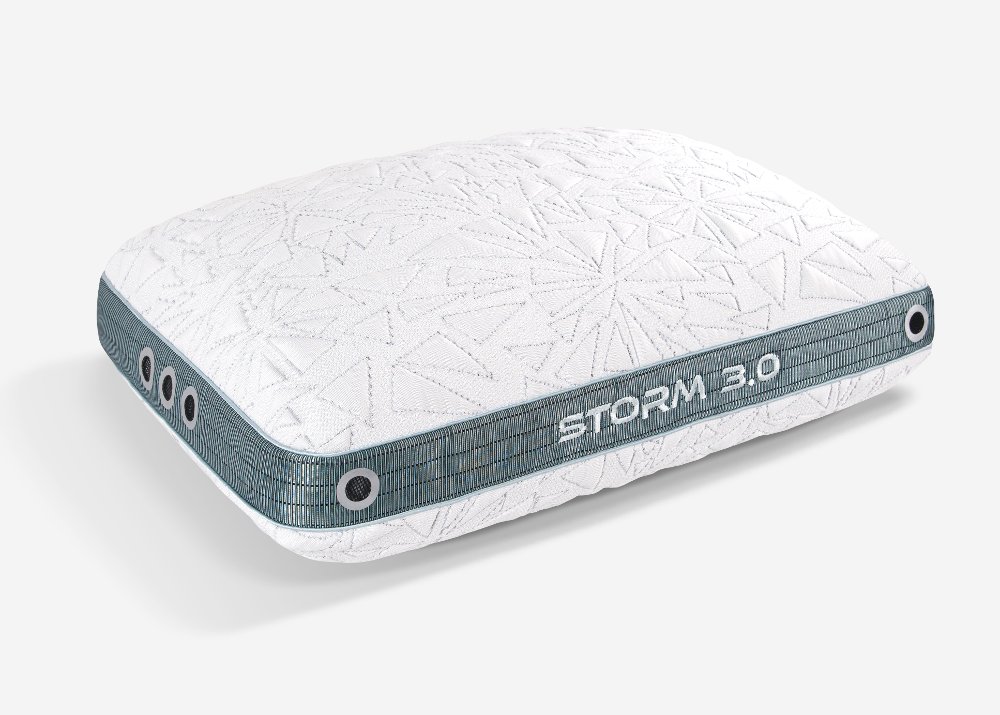
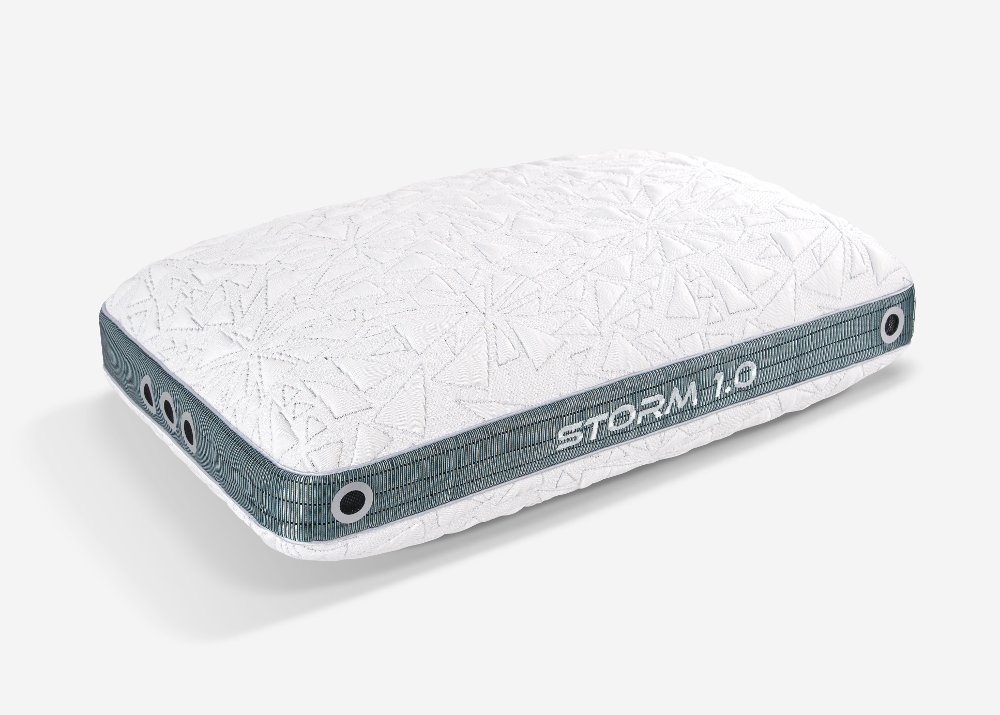
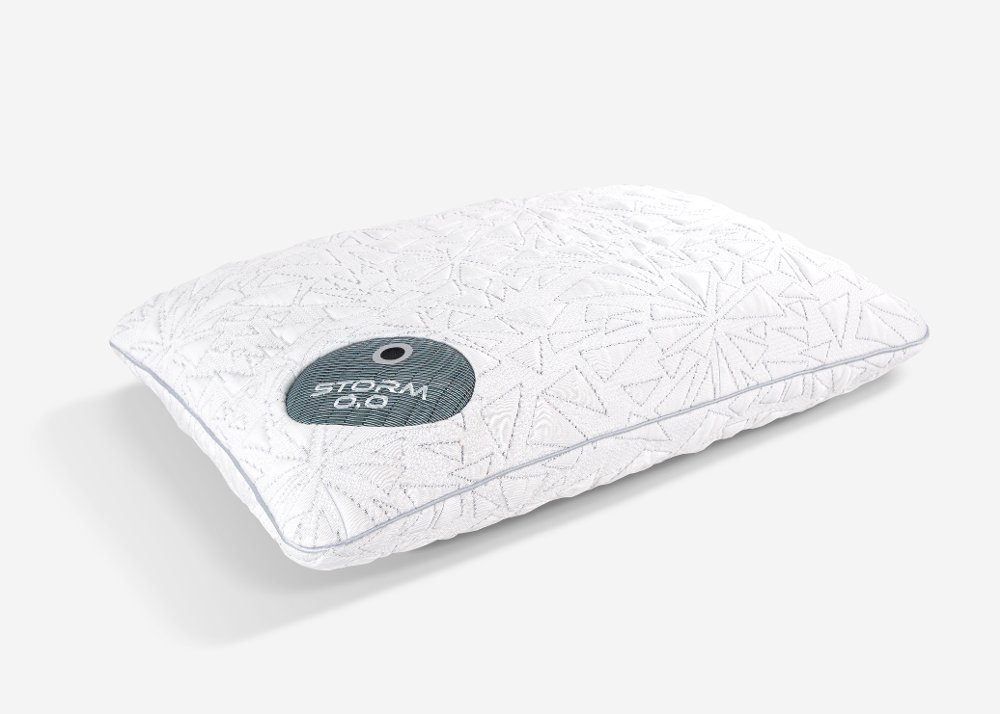
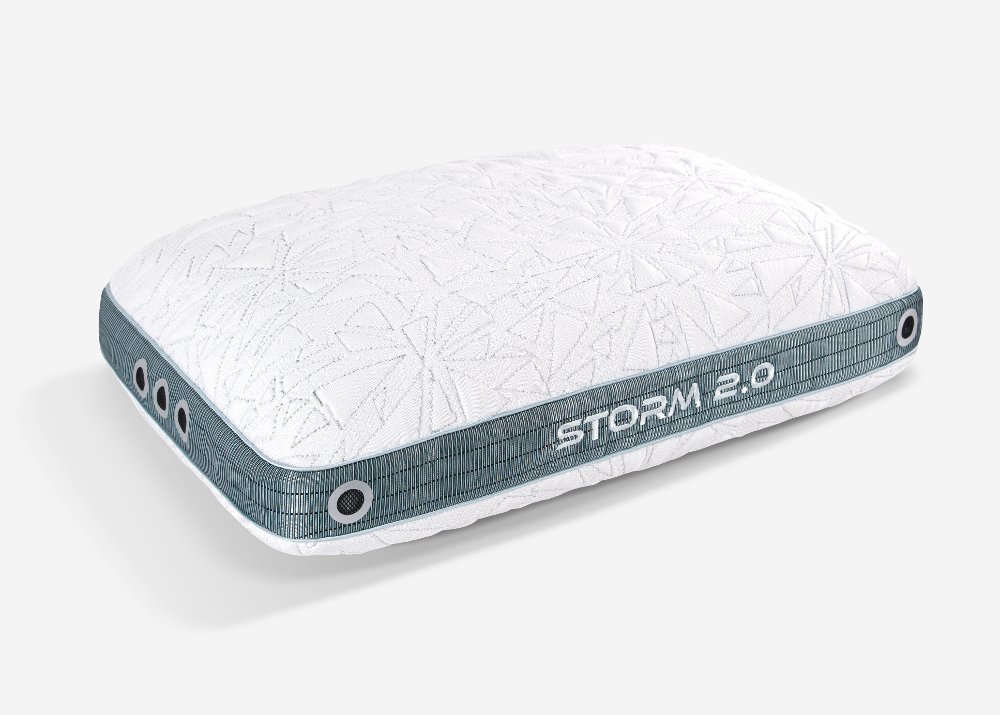
Large rectangle throw pillows add a long, low accent to sofas, armchairs, benches, and beds, bringing color and texture into a room without the height of a square cushion. Often called lumbar pillows, these rectangular accents can also provide a comfortable layer behind the lower back, depending on their size, fill, and placement. Their elongated shape works especially well across a deep sofa seat or in front of taller bed pillows, where a single rectangle can tie a grouping together. Dimensions matter more than the label “large,” since size descriptions vary. A pillow measuring 12 by 20 inches creates a different effect than one measuring 16 by 32 inches; compare both width and height with the furniture where it will sit. On a narrow armchair, an oversized pillow should leave enough space to sit comfortably rather than crowding the seat or pushing the sitter too far forward. On a broad sectional, a longer rectangle can balance generous cushions and help a seating arrangement feel more inviting. For a bed, picture the pillow centered in front of the sleeping pillows or shams, with some of the bedding visible on either side. A single wide accent often creates a cleaner look than several smaller decorative pillows, especially if you prefer an easy bedtime routine. Seat depth is another useful consideration: a thick pillow takes up more room than a flatter one, even when their cover dimensions match. If the pillow will move between a sofa and a reading chair, a moderate thickness and a flexible fill can make it easier to reposition. For a decorative bench, a slimmer profile may preserve more usable seating. The best fit gives the pillow enough presence to look intentional while keeping the furniture comfortable for its everyday purpose, whether that means reading, visiting with friends, or stretching out with a movie.
Fabric and fill determine how large rectangular throw pillows feel in daily use, not just how they photograph. Cotton covers can have a soft, familiar hand, while linen brings a relaxed surface with natural variation and a tendency to wrinkle. Velvet adds a richer finish, with a pile that can look lighter or darker as it catches the light. Woven textures, chenille, and bouclé create depth even in a solid color, though raised loops and loose yarns may catch on jewelry or pet claws. In a busy family room, a tightly woven cover with secure seams and minimal loose embellishment is often a practical choice. Embroidery, fringe, and tassels can make a pillow feel more distinctive, but they deserve extra consideration when children or pets share the seating. Fiber content alone doesn’t establish durability; weave, construction, and the care instructions all contribute to how well a cover holds up. Inside, polyester fiberfill generally offers lightweight cushioning, while feather-and-down blends tend to compress more readily and may need regular fluffing. A firmer fill can help a long pillow keep a defined silhouette, while a softer fill is easier to tuck behind the back or hold across the lap. Decorative lumbar pillows aren’t a substitute for specialized ergonomic support, so choose their firmness around comfort rather than assuming the shape guarantees a particular benefit. Check whether a pillow includes its insert or is sold as a cover, and compare the listed dimensions before pairing separate pieces. Insert sizing affects fullness; forcing an excessively large insert into a cover can strain seams and distort the corners. A removable cover with a well-finished zipper can make care more convenient, but removable doesn’t automatically mean machine washable. Follow the label for both cover and insert, spot-clean only as directed, and allow cleaned components to dry fully before reassembly. Regular fluffing and occasional repositioning can help distribute wear and keep an elongated pillow from looking flattened in its most-used spot.
Color, pattern, and placement give oversized rectangular throw pillows their finishing role in a room. Against a smooth, solid-color sofa, a nubby woven rectangle can add interest without introducing another pattern. On patterned upholstery, a solid pillow that picks up one quieter shade can give the eye a place to rest. Cream, taupe, charcoal, and other neutrals work through subtle differences in tone and texture, while rust, blue, or green can echo artwork, drapery, or a favorite accent chair. The goal isn’t to match every surface exactly; repeating a color in a few places usually feels more natural than making every accessory identical. Coordinating pillows with large rectangle rugs can help connect the seating area, especially when a small detail in the rug appears again in a pillow’s stripe, border, or stitching. Scale makes a difference here, too. A broad stripe reads clearly from across the room, while a fine woven pattern offers quieter detail up close. If square pillows already fill the sofa corners, placing one long rectangle in front introduces a different proportion and gives the arrangement a clear focal point. For a less layered look, let a single oversized lumbar pillow sit slightly off-center on a sofa or centered on a bed. Keep everyday habits in mind: a pillow placed where someone regularly sits should be comfortable to use, easy to move, and simple to set aside. Households with frequent guests may appreciate a restrained arrangement that leaves plenty of open seating, while someone who enjoys a cozy reading spot might prefer a fuller pillow within reach. Large rectangle throw pillows can also make thoughtful housewarming gifts when the recipient’s preferred colors, furniture dimensions, and care preferences are known. A washable cover, if the label permits it, may suit a busy household better than delicate decorative trim. Whether the room leans tailored, relaxed, traditional, or modern, a well-chosen rectangular pillow brings together proportion, touch, and everyday usefulness in one approachable finishing detail.
Read More