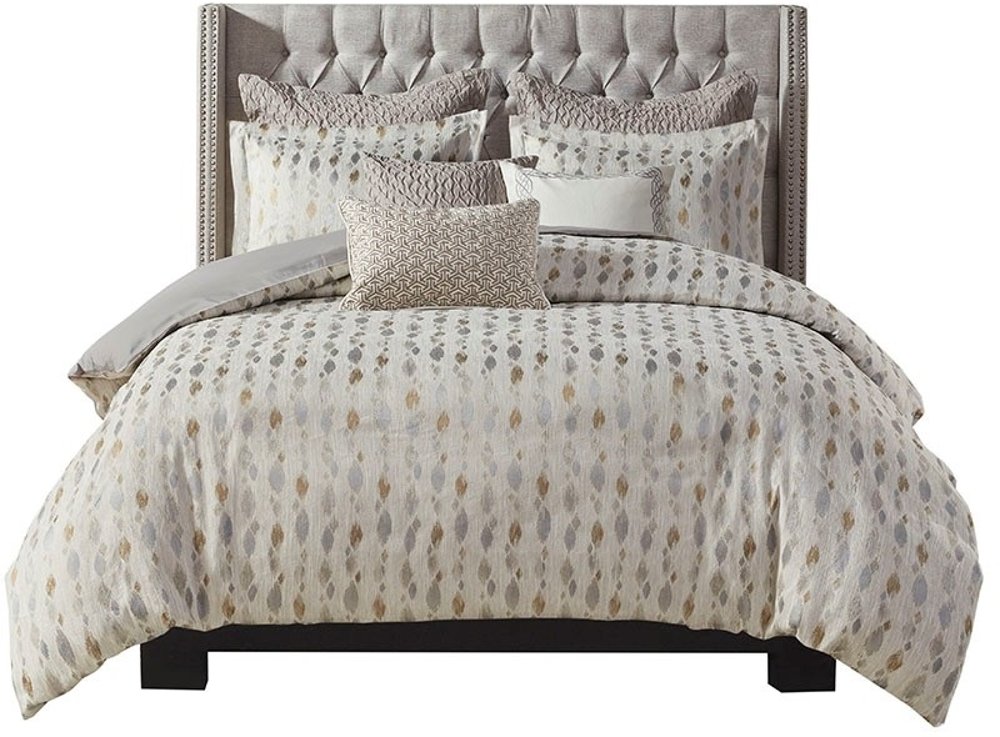
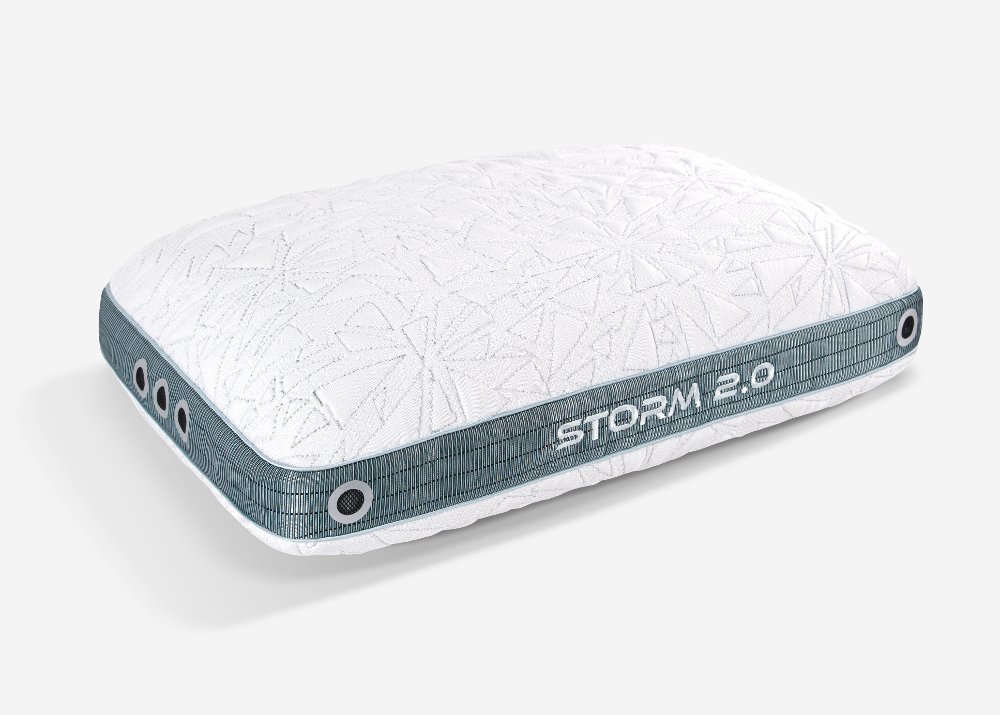
Oblong pillows are rectangular accent cushions that add color, texture, and an extra layer of comfort to sofas, chairs, benches, and beds. Their longer, narrower shape makes them especially useful where a square pillow feels too tall or takes up too much seating space. Common oblong pillow sizes include 12 x 20 inches, 14 x 20 inches, and 14 x 24 inches, while longer styles may measure 14 x 36 inches or 14 x 40 inches. Dimensions vary, so the best fit depends on the furniture and how you plan to use the pillow. Some oblong pillows are called lumbar pillows because their shape works well behind the lower back; cylindrical bolster pillows have a different profile. A compact rectangle can sit neatly against an accent chair’s back without covering its entire upholstery pattern. On a deep sofa, a longer pillow can make the seat feel more inviting and provide a comfortable place to lean while reading or watching a movie. Across a bed, an oversized oblong pillow creates a finished front layer without requiring a stack of smaller cushions. A queen or king bed can accommodate a longer accent, while a smaller bed often looks more balanced with a shorter rectangle. Measure the usable space rather than relying on the furniture’s overall width, especially on chairs with thick arms or benches with narrow seats. Leave enough room to sit comfortably and move the cushion aside when needed. Among Throw Pillows, oblong shapes offer an easy way to break up an arrangement of square cushions. Two squares at one end of a sofa and a rectangle in front can look relaxed rather than overly matched. For a simpler arrangement, a single textured oblong pillow on a chair or centered on a bench gives the space a deliberate finishing touch. The goal is an accent that fits your furniture and daily routine, not one that needs constant rearranging.
Fabric and filling shape both the look and feel of an oblong pillow. Cotton covers often have a soft, familiar texture that suits casual seating, while linen brings visible weave and subtle variation to a room. Linen can wrinkle naturally, which contributes to its relaxed appearance rather than indicating poor quality. Cotton and linen blends may combine these qualities with other fibers, so check the fabric content instead of judging by appearance alone. Velvet offers a smooth pile and rich color depth, making a simple rectangular cushion feel more substantial against a flat woven sofa. Its surface can look lighter or darker as the pile changes direction. Bouclé adds dimension through its looped texture, and faux fur creates a fluffy surface that stands out against leather or tightly woven upholstery. These more tactile fabrics can be appealing in a reading corner, though loops, fringe, and long fibers deserve extra consideration in homes with pets that like to scratch or chew. Embroidery, piping, and woven patterns add detail without requiring a bold color. A narrow stripe can echo the clean lines of a bench, while a larger geometric pattern can give a plain sofa a stronger focal point. For easy coordination, draw one color from a rug, artwork, or nearby chair rather than matching every cushion exactly. Consider pattern scale, too: a small motif may read as texture from across the room, while a broad design remains more noticeable. Filling matters just as much as the cover. Polyester fiberfill can provide lightweight cushioning, while down or feather blends generally have a softer, more compressible feel and may need regular fluffing. Down-alternative fillings offer another option for people who prefer to avoid feathers. A fuller insert creates a plumper silhouette, while a softer fill settles more readily behind the back. Check both the cover dimensions and the recommended insert size when they’re sold separately; a close fit helps corners look filled without placing unnecessary strain on seams or closures.
The right oblong pillow should be easy to live with, especially on furniture that gets daily use. Removable covers with zippers can make maintenance more convenient, but a removable cover isn’t automatically machine washable. Follow the care label for the cover and insert separately, since each may require a different cleaning method. Some fabrics allow gentle washing, others call for spot cleaning, and certain decorative finishes need professional care. Blot spills promptly with a clean cloth rather than rubbing them deeper into the fabric, and test any permitted cleaner in an inconspicuous area first. If washing is allowed, follow the specified water temperature and drying instructions to help protect the fabric’s shape and finish. Make sure every part is fully dry before putting the pillow back together. Light vacuuming with an appropriate upholstery attachment can help remove dust, crumbs, and pet hair, provided the fabric and trim can tolerate it. Regular fluffing and occasional rotation help distribute wear, particularly when everyone gravitates toward the same corner of the sofa. Strong seams, secure trim, and a well-finished closure are useful details to inspect when choosing a pillow for a busy household. Smooth, tightly woven covers may be more practical around small children or pets than delicate beading or loose decorative loops. Keep pillows away from prolonged direct sunlight when possible, since many fabrics can fade over time. Think about the cushion’s everyday role as well as its appearance: a firm decorative pillow may suit a bench, while a softer one may feel better behind your back during an evening read. Decorative oblong pillows aren’t necessarily designed for overnight sleeping or therapeutic support, so choose a pillow made for that purpose when those needs matter. As a housewarming gift, a versatile rectangular cushion can be a thoughtful addition for someone setting up a first apartment or refreshing a favorite room. A familiar color, comfortable texture, and manageable size make it easier to work into an existing space. Whether it’s an accent on a neatly made bed or the cushion you reach for on the couch, an oblong pillow earns its place through a balance of style, comfort, and practical care.
Read More