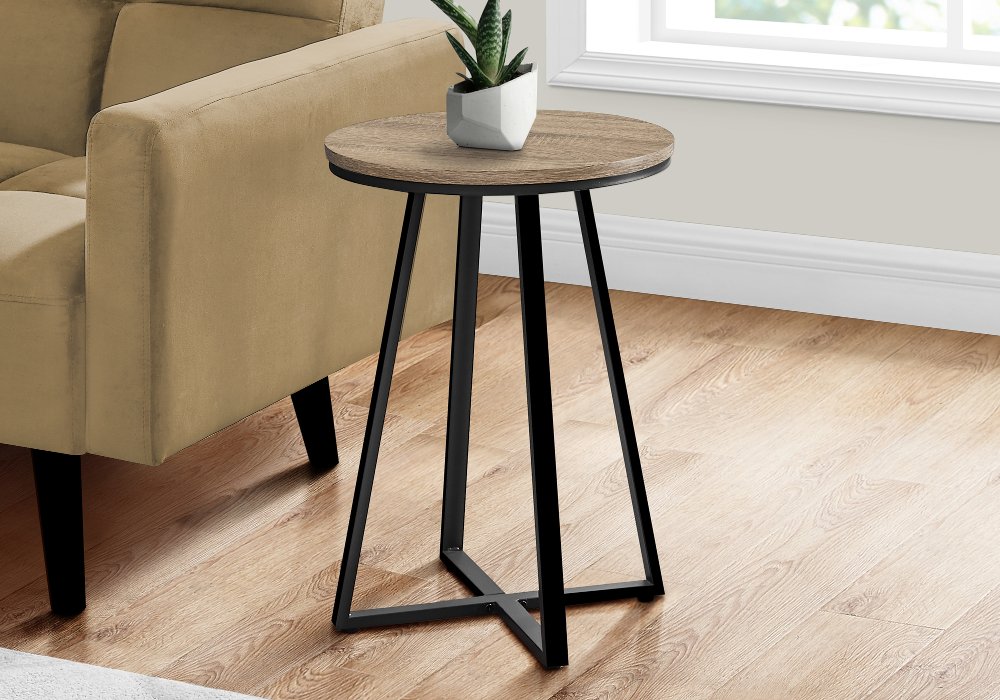
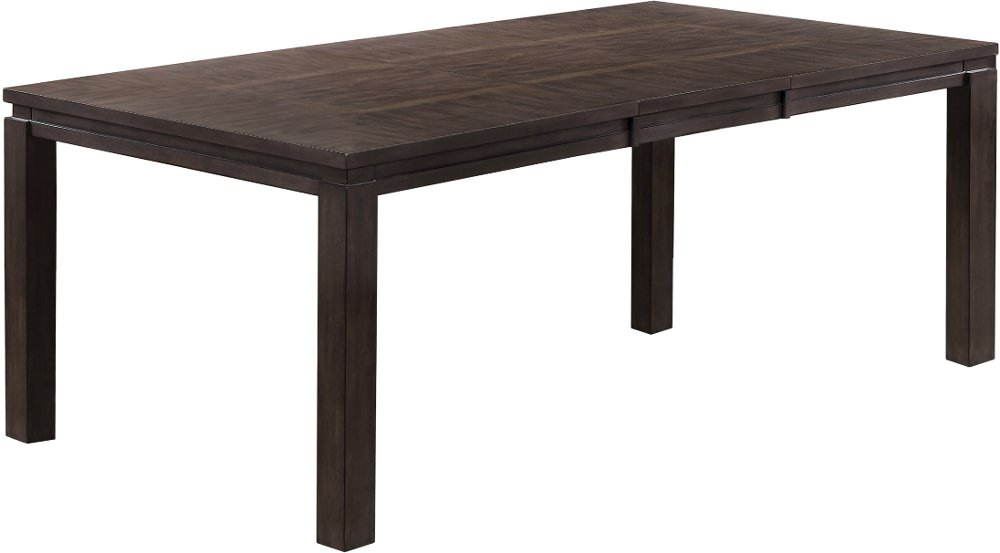
Round tables bring an easy sense of welcome to a dining room, kitchen, breakfast nook, or open living area. Without sharp corners dividing the space, a round table makes it simple for everyone to see one another, pass a serving dish, or join the conversation. It can also make a room feel more spacious by creating a smooth visual flow around the furniture. A compact round table may fit comfortably in a breakfast nook or apartment dining area, while a larger size gives family meals, game nights, homework sessions, and casual gatherings plenty of room to spread out. When you’re choosing a table, start with the space around it. Measure the area carefully and leave enough clearance for chairs to pull out and for people to walk behind them comfortably. A good rule is to allow about 36 inches between the table edge and nearby walls or furniture, with additional room in high-traffic areas. Think about how many people usually sit down together, too. A smaller table can be just right for everyday meals and intimate dinners, while an expandable design offers flexibility when friends or relatives come over. The shape, size, and height should all support the way you live, whether that means quick breakfasts before school, long weekend meals, or a quiet cup of coffee while the day gets started.
Style and construction matter just as much as measurements. A round dining table can become the visual anchor of a room, so consider the atmosphere you want to create. Wood finishes often add warmth and character, with natural grain that pairs comfortably with casual, traditional, farmhouse, or modern interiors. Sleek surfaces and streamlined bases can give a dining area a lighter, more contemporary look, while a substantial pedestal or sculptural base adds presence without filling the floor with multiple legs. The tabletop should suit your routines. Smooth surfaces are practical for everyday dining and simple to wipe clean, while textured finishes can bring depth and a collected feel to the room. If your household includes young children, frequent crafters, or enthusiastic home cooks, prioritize a durable finish and a design that can handle regular use. Consider the table’s height alongside your seating, since the right proportions help everyone sit comfortably through a meal or activity. Coordinated seating can create a polished look, but mixing materials, colors, or silhouettes can make the room feel more personal. Explore Round Table Chairs to find seating that complements the table’s proportions and helps complete the dining space. Rugs, lighting, and nearby storage can make the setting feel finished as well; a round rug echoes the table’s shape, while a pendant light centered above it helps define the area in an open-concept room.
Round tables are useful well beyond formal dining. They create a friendly place for card games, puzzles, crafts, remote work, and after-dinner conversation, making them a thoughtful choice for households that want furniture to serve more than one purpose. A small round table can give a college student or first-apartment resident a comfortable place to eat without taking over the room. It can also be a practical housewarming gift for someone settling into a new space, especially when paired with seating or other dining essentials. Larger households may appreciate the shared space a round table creates during cooler months, when gatherings naturally move indoors and the dining area becomes a central place for meals, projects, and catching up. For entertaining, look for enough surface area to hold plates, glasses, serving bowls, and a centerpiece without crowding the people seated around it. For daily use, consider whether the table will need to multitask as a workspace or activity station and choose a size that leaves room for those transitions. Care is generally straightforward: use coasters and placemats when helpful, wipe spills promptly, and follow the manufacturer’s recommendations for cleaning the finish. With the right size, comfortable seating, and a style that feels at home in your space, a round table can make ordinary routines feel more connected and gatherings feel naturally inviting.
Read More