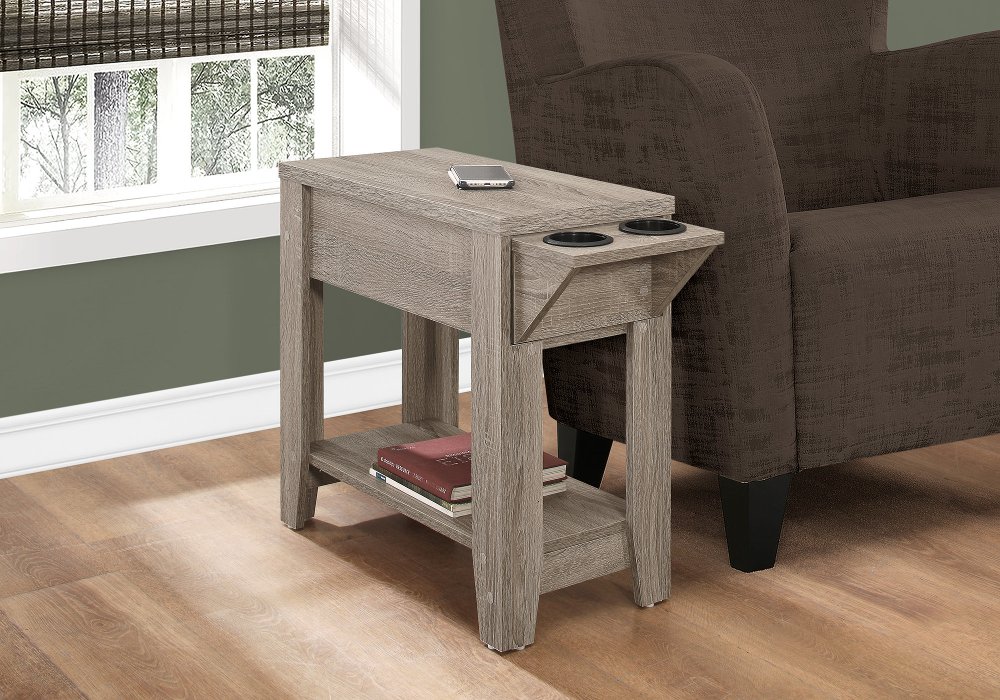
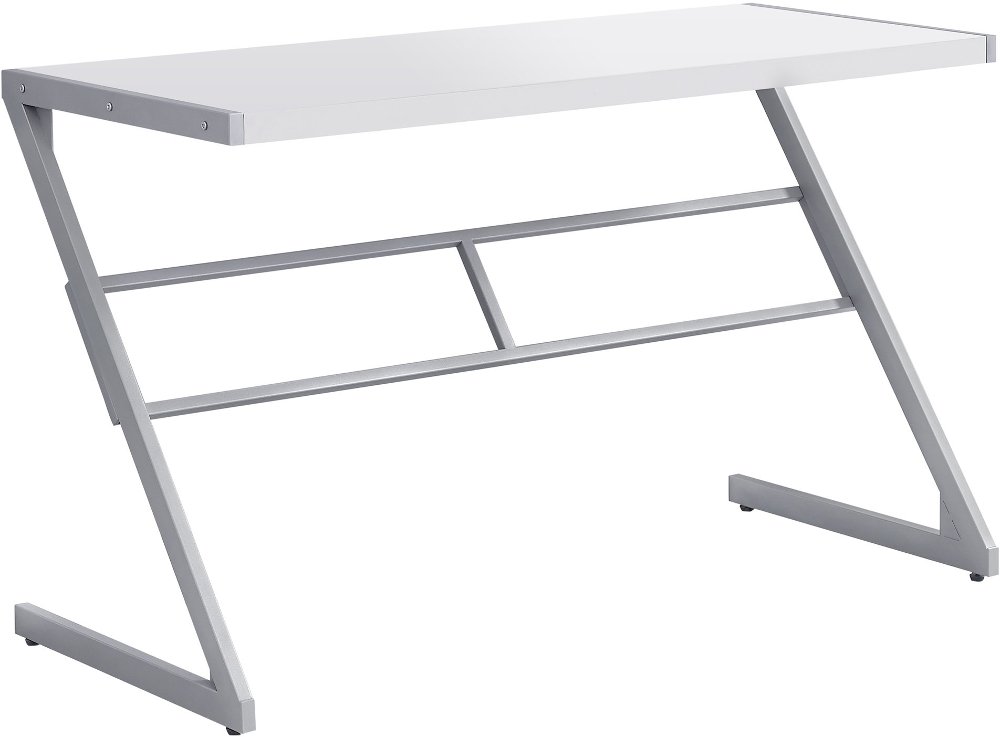
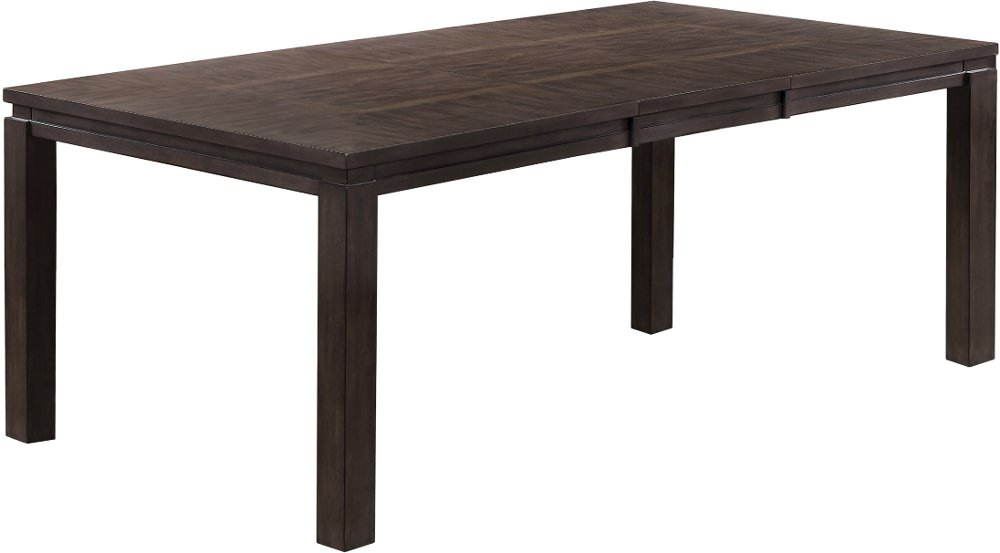
MDF tables are tables made partly or primarily from medium-density fiberboard, an engineered wood material formed by combining wood fibers with resin and pressing them into dense, uniform panels. Their smooth surface makes MDF a useful foundation for painted finishes, decorative laminates, and wood veneers. Unlike solid wood, MDF doesn’t have natural grain or knots running through the panel, so the visible color and pattern usually come from the finish applied over it. A wood veneer adds a thin layer of real wood, while a laminate provides a decorative surface whose resistance to scratches, stains, and wear depends on its construction. MDF is also different from particleboard, which uses larger wood particles, and plywood, which consists of bonded layers of wood veneer. Those distinctions matter when comparing table construction, but the finished table’s performance depends on more than its core material. The tabletop thickness, edge protection, base design, hardware, and surface finish all contribute to how it handles everyday use. An MDF dining table might pair an engineered wood top with metal legs, while a coffee table might combine MDF panels with solid wood supports. Reading the material description helps clarify which parts use MDF and how the rest of the table is built. For everyday living spaces, MDF tables can bring a consistent finish to dining areas, seating arrangements, entryways, and workspaces. A painted surface can create a clean, understated look, while a wood-look finish can add visual warmth beside upholstered seating. Shape and proportion make just as much difference as color: a round tabletop softens the lines of a compact dining nook, and a rectangular coffee table can echo the length of a sofa. Coordinating tables with MDF cabinets can also help connect display surfaces and enclosed storage without requiring every piece to match exactly. Repeating one finish, a similar leg shape, or a complementary color gives the room a cohesive feel while leaving room for personal touches.
The best fit for an MDF table starts with how the space gets used. A dining table needs enough surface area for place settings and serving dishes, plus room underneath for chairs and comfortable leg movement. About 36 inches between the table edge and a wall or nearby furniture is a useful starting point for pulling out chairs; a frequently used walkway may need 42 to 48 inches or more. Those measurements are planning guidelines rather than guarantees, since chair size, room layout, and accessibility needs can change the amount of space required. A pedestal base can reduce interference from corner legs, although the footprint of the pedestal still affects where feet and chairs fit. An apron beneath the tabletop can add support, but its height matters when pairing the table with armchairs. In a living room, a coffee table generally feels comfortable when its top sits close to the sofa’s seat height or slightly lower. Leaving roughly 14 to 18 inches between the sofa and table often provides reaching room without crowding knees, with additional clearance wherever people walk through the seating area. An end table works best when a drink, book, or lamp switch is easy to reach from the chair beside it. For a narrow entryway, table depth can matter more than overall width, especially where an open door or a passing laundry basket needs clearance. Households with children may appreciate rounded corners, while anyone using a table for puzzles, homework, or occasional laptop sessions may prefer a broad, uninterrupted top. Storage shelves and drawers can keep remotes, chargers, and notebooks nearby, but their placement should leave comfortable legroom if the table will serve as a work surface. Measuring the actual footprint, including extended leaves or open drawers when applicable, helps reveal how the table will function beyond its appearance. A well-proportioned table supports daily routines without making the surrounding room feel like an obstacle course.
MDF table durability depends heavily on keeping the core protected and using the table as intended. MDF’s uniform composition can provide a stable surface in ordinary indoor conditions, but it isn’t waterproof. Water that reaches exposed fibers, damaged edges, or gaps in the finish can cause swelling that may not return to its original shape after drying. A sealed surface offers protection, not permission to leave spills sitting. Coasters under cold drinks, placemats beneath everyday meals, and protective pads under decorative objects help preserve the finish. Hot cookware needs an appropriate heat-resistant trivet, since heat can damage paint, laminate, veneer, or the adhesive beneath a surface layer. For routine cleaning, a soft cloth removes dust without unnecessary abrasion. When the manufacturer permits damp cleaning, use a lightly dampened cloth and dry the surface promptly, paying particular attention to seams and edges. Avoid soaking the top, spraying cleaner directly into joints, or using steam cleaners. Abrasive pads and harsh chemicals can dull or damage the finish, so the table’s care instructions should guide cleaner selection. A smooth laminate may suit frequent meals or craft sessions, but a protective mat still helps when cutting, gluing, or working with materials that could scratch or stain. Painted and veneered surfaces also benefit from gentle handling, especially along corners where repeated bumps can expose the panel underneath. MDF can be heavy, and lifting a table with help rather than dragging it protects both the joints and the floor. Fasteners need care as well: MDF generally holds screws less securely than solid wood, particularly after repeated removal and reinsertion. Proper assembly, sound connections, and avoiding overtightening help maintain stability. A table designed for indoor dining or living-room use shouldn’t double as outdoor furniture, a step stool, or a seat unless the manufacturer specifically allows that use. With the right finish, supportive construction, and straightforward care, an MDF table can provide a dependable place for shared meals, a favorite reading lamp, or the small essentials that make a room feel lived in.
Read More