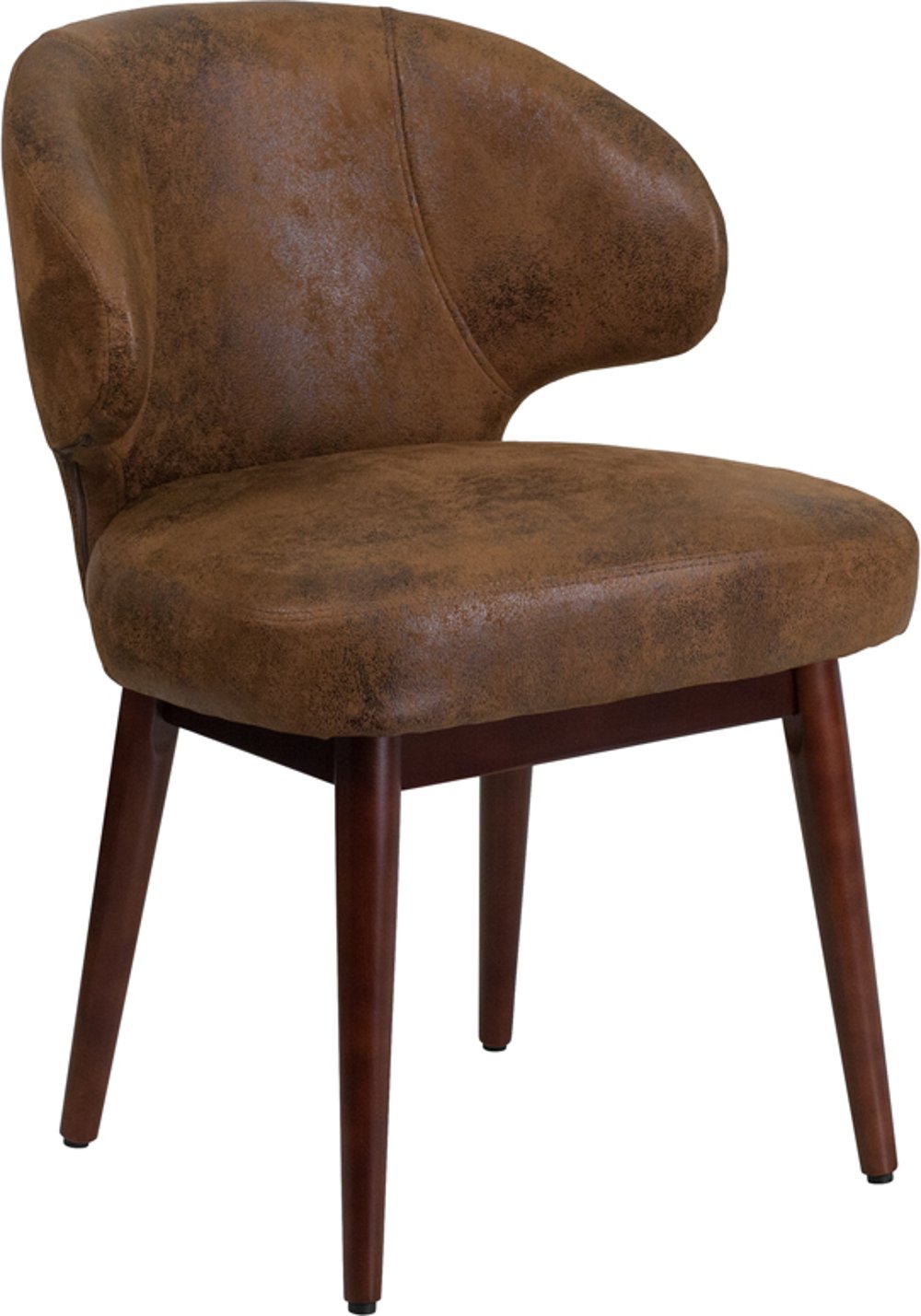
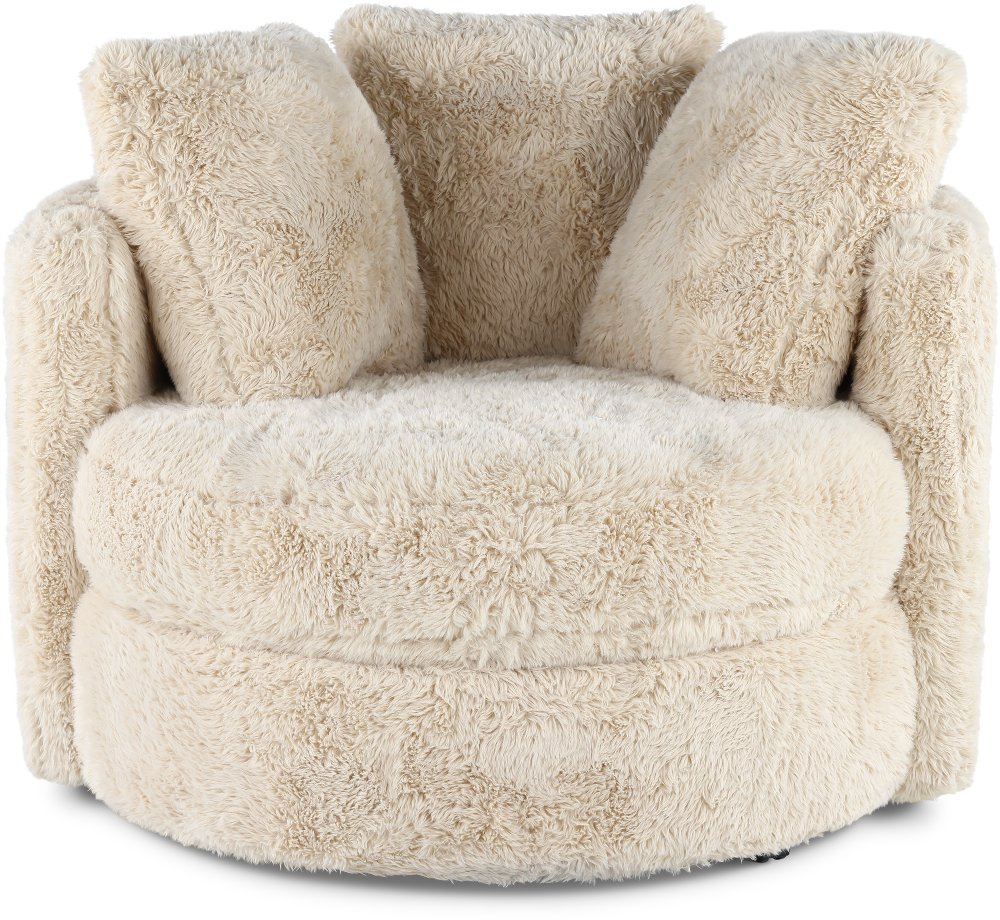
Microfiber chairs pair a soft, inviting feel with upholstery that can stand up well to everyday seating, making them a practical choice for living rooms, bedrooms, reading corners, and dining spaces. Microfiber describes fabric made from very fine synthetic fibers, commonly polyester or a polyester blend, rather than a particular chair shape or level of cushioning. Many versions have a closely woven surface and a brushed, suede-like finish that feels comfortable against bare arms without the care requirements of natural suede. That combination suits the seat you settle into after dinner, the bedroom chair where you pull on socks, or an accent chair that gives guests a comfortable place to join the conversation. Microfiber accent chairs can add softness beside a structured sofa, while microfiber recliners offer a place to stretch out when their size and operating clearance suit the room. Upholstered dining chairs bring that same soft texture to meals, homework, and lingering conversations around the table, though frequent food spills make the fabric’s cleaning instructions especially important. The upholstery’s close construction can help limit how quickly some everyday spills soak in, but microfiber isn’t automatically waterproof or stainproof. Resistance to stains, moisture, and wear depends on the specific fabric, any treatment applied to it, and how promptly messes receive attention. For households comparing upholstery designed around frequent use and easier upkeep, performance fabric chairs offer another category to consider; microfiber and performance fabric can overlap, but the terms aren’t interchangeable. Visually, microfiber works with more than one decorating style. A rounded back and curved arms feel relaxed and welcoming, while a square frame and slim legs create a cleaner outline. Warm brown or tan upholstery can soften a room with wood furniture, and gray tones can sit comfortably alongside colorful pillows and patterned rugs. Because brushed fabric catches light differently across its surface, subtle changes in shading and hand marks may be part of its character rather than signs of dirt or damage.
The right fit comes from the chair’s proportions as much as its upholstery. Overall width helps determine whether a microfiber chair belongs beside the sofa or in a quiet corner, but usable seat width tells you more about how it will feel once you sit down. Broad, padded arms can make a chair look generous while leaving a relatively narrow seating area. Seat depth matters just as much: a deeper cushion gives someone with long legs or a habit of curling up more room, while a shallower seat may better suit someone who wants their feet flat on the floor and their back against the cushion. A higher, firmer seat can make sitting down and standing up easier for some people, although comfort depends on individual height and mobility. Back height, arm placement, and cushion firmness all affect whether a chair feels right for a few minutes of conversation or an evening with a book. In a shared living room, a supportive upright chair can balance a deep sofa and give family members different ways to get comfortable. In a bedroom, a smaller accent chair can create a useful dressing spot without overwhelming the space around the bed. Swivel designs can help connect two parts of an open room, letting someone turn from the conversation area toward a nearby window, provided there’s enough clearance for the chair to rotate. Reclining designs need room for the footrest and whatever rear clearance their mechanism requires, so the fully extended dimensions deserve attention. Keep nearby tables within comfortable reach and leave an easy path through the room rather than filling every open inch. For dining use, check seat height against the table and confirm that upholstered arms, if present, fit below the apron. Delivery deserves the same practical attention: doorways, tight turns, stairs, and the chair’s packaged dimensions can determine whether it reaches its intended spot easily. A comfortable chair should fit both the person using it and the everyday movement of the home.
Durability depends on what’s underneath the microfiber as well as the fabric itself. Frame construction, secure joints, cushion materials, and the support beneath the seat all contribute to how a chair holds up through repeated use. A plush surface doesn’t necessarily mean a soft cushion, and a firm cushion doesn’t by itself establish better quality. For a chair that will become someone’s daily seat, look closely at the construction details, intended use, and stated weight capacity rather than judging by appearance alone. Removable or reversible cushions, when included, may make routine maintenance easier, but a zippered cover isn’t necessarily washable. The upholstery care label should always set the cleaning routine. A W code generally permits water-based upholstery cleaners, an S code calls for an appropriate solvent-based cleaner, and a W/S code allows either approved method. An X code generally limits home care to vacuuming or light brushing, with professional advice appropriate for stains. Follow any additional manufacturer directions, and test an approved cleaner in an inconspicuous area before treating a visible spot. For an everyday spill, blot promptly with a clean, dry cloth instead of rubbing the liquid deeper into the upholstery. Avoid saturating the fabric, since excess moisture can leave marks or reach the cushioning beneath it. Regular gentle vacuuming with an upholstery attachment helps remove crumbs, dust, and pet hair before they build up along seams and between cushions. Where the care instructions allow, a soft brush can help restore the direction of a brushed nap after cleaning. Microfiber can be a sensible choice for homes with children or pets, but no upholstered chair is immune to claws, persistent scratching, or repeated spills. A washable throw over a pet’s favorite resting place can reduce direct wear without covering the whole chair. Positioning seating away from prolonged direct sunlight and heat sources also helps protect its appearance. With the right dimensions, supportive construction, and a manageable care routine, a microfiber chair can become the familiar spot for morning coffee, an extra dinner guest, or a quiet evening under a throw during the cooler months.
Read More