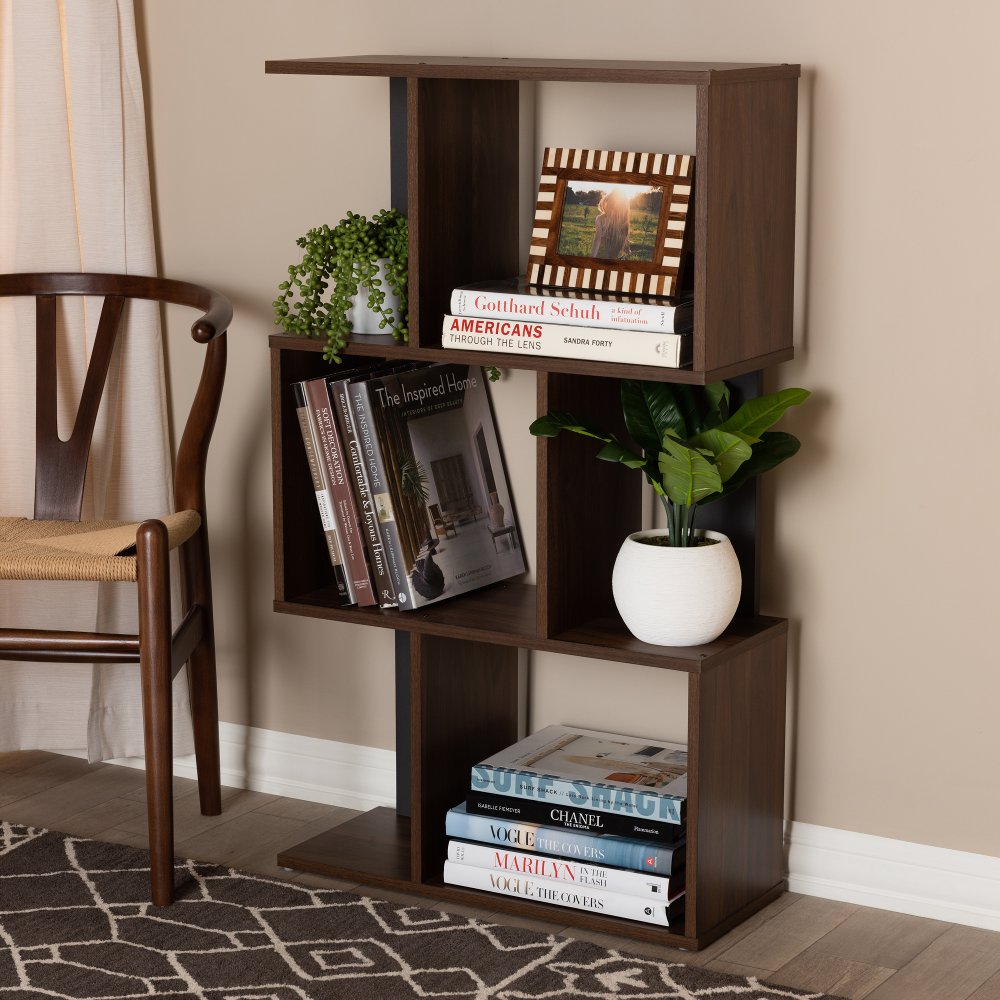
Multi-purpose shelves are versatile storage units that hold everyday essentials, organize supplies, and display the things that make a room feel like home. Unlike furniture designed around one task, these shelves can serve different needs as your space changes. A shelf that holds textbooks and a printer in a home office might later organize linens in a guest bedroom or keep board games within easy reach in the living room. Open shelving makes contents easy to see, while cube-style compartments create separate spaces for books, baskets, and decorative accents. Adjustable shelves offer flexibility for objects of different heights, from short stacks of folded towels to tall binders. In shared rooms, that flexibility can help everyone claim a little space without adding several separate storage pieces. A living room shelf might hold children’s puzzles on a lower level, reading materials in the middle, and framed photos above. In an entryway, a compact unit can give bags, shoes, and baskets of daily essentials a place to land. For apartment dwellers, students, growing households, and anyone working with limited square footage, vertical storage puts wall space to work while keeping more of the floor clear. The same practical appeal extends to craft rooms, where shelves can separate fabric and supplies, and dining areas, where they can organize serving pieces and table linens. In a home office that doubles as a guest room, coordinated baskets can keep charging cables and paperwork together without leaving everything on display. Multi-purpose shelving also suits people who prefer furniture that can move from room to room rather than serve only one layout. A simple silhouette and a finish that works with several furnishings make those transitions easier. The most useful arrangement gives frequently handled belongings a comfortable home, leaves delicate objects out of busy traffic paths, and provides enough breathing room that taking something out doesn’t mean rearranging an entire shelf.
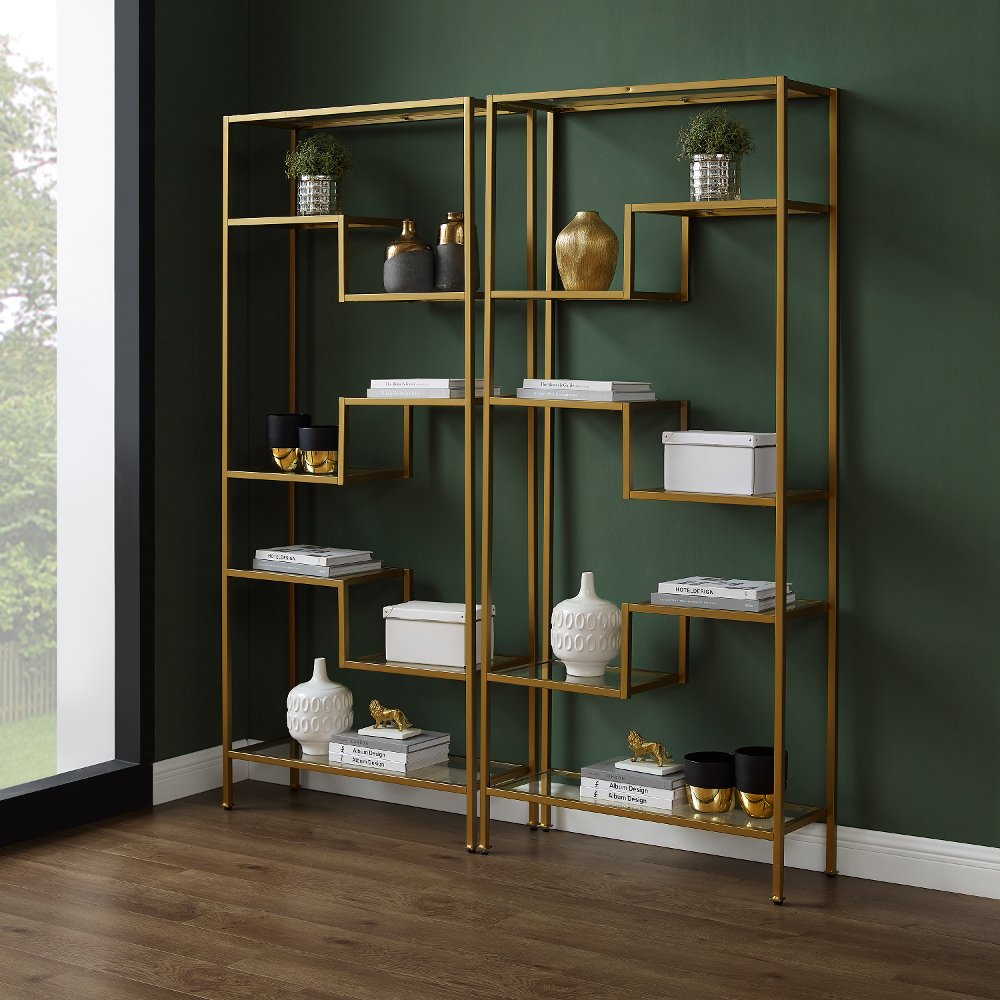
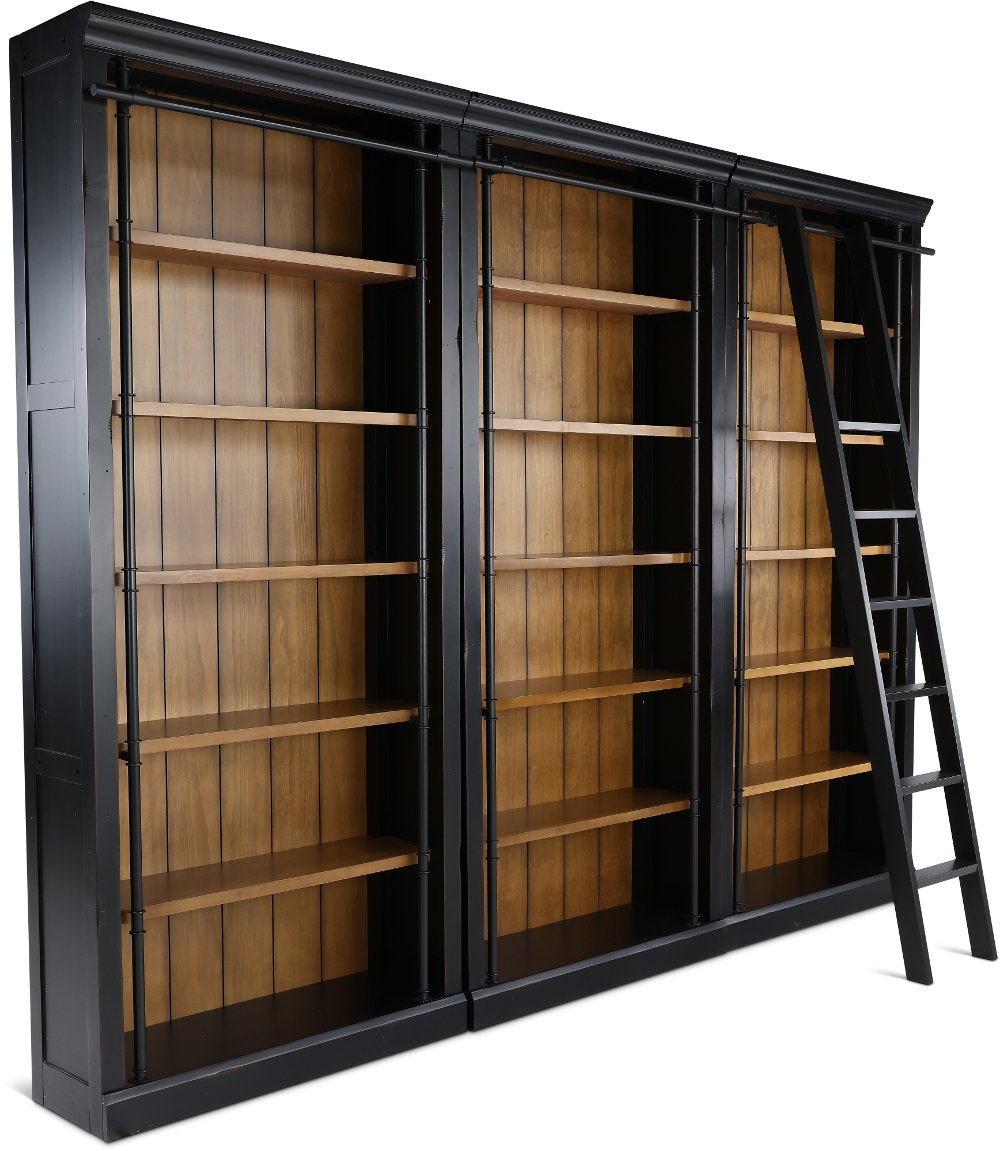
Material and construction shape both the look of multi-purpose shelves and the jobs they’re suited to handle. Solid wood brings natural grain and warmth to living rooms, bedrooms, and offices, though its surface can show dents or scratches with regular use. Wood veneer offers a real-wood surface over a supporting core, while engineered wood with a laminate finish can provide a consistent appearance that fits neatly into casual, contemporary, or traditional spaces. Durability depends on the whole design, including shelf thickness, span, joints, supports, and finish—not simply the material name. Metal shelving often makes sense for utility areas and heavier storage, provided the unit’s stated weight capacity matches the intended load. Protective coatings can help metal resist wear, but suitability for damp spaces depends on the manufacturer’s specifications. Lightweight plastic shelving can be practical for closet supplies or laundry essentials, with careful attention to stability and load limits. Glass shelves have a lighter visual presence and suit decorative displays, although fingerprints tend to show and edges need protection from impacts. Mixed-material designs, such as wood shelves with metal frames, can balance a warm surface with a more streamlined profile. Shelf construction matters just as much as appearance: a solid surface supports small objects directly, while an open wire surface may need a compatible liner to keep narrow containers steady. Books, dishes, and equipment can become heavy quickly, so check both per-shelf and total-unit capacity rather than judging strength by looks alone. Evenly distributed weight also differs from a concentrated load in one spot. In a busy household, smooth edges, secure connections, and a finish that tolerates routine cleaning help shelving stand up to daily handling. A decorative display unit and a utility rack may share a basic shape, but they aren’t necessarily interchangeable. Matching the construction to the room and its contents helps the shelves remain useful long after the first arrangement changes.
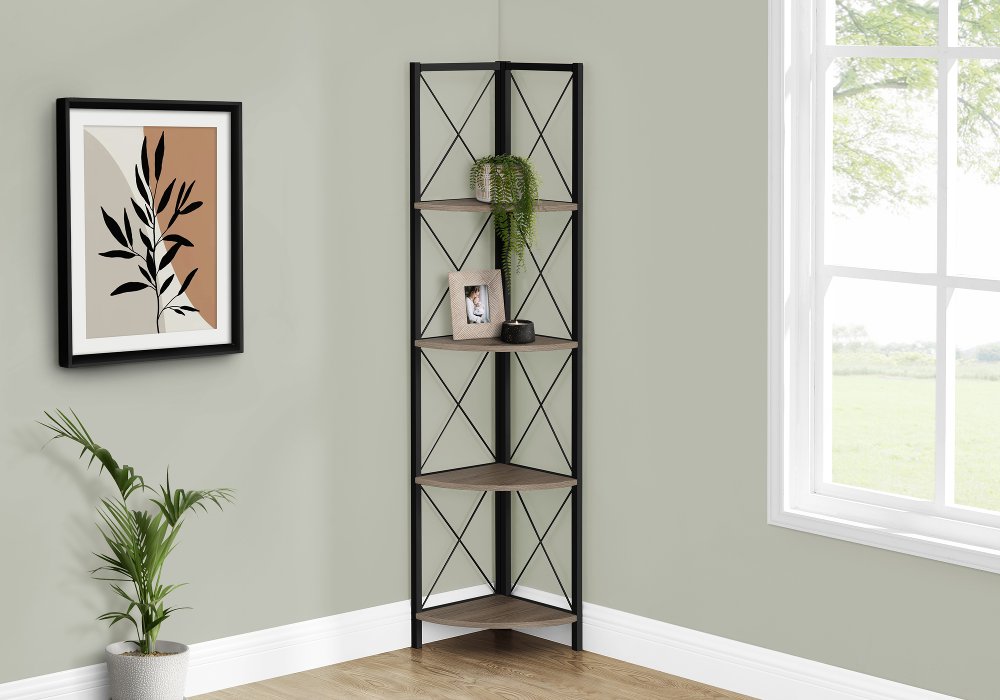
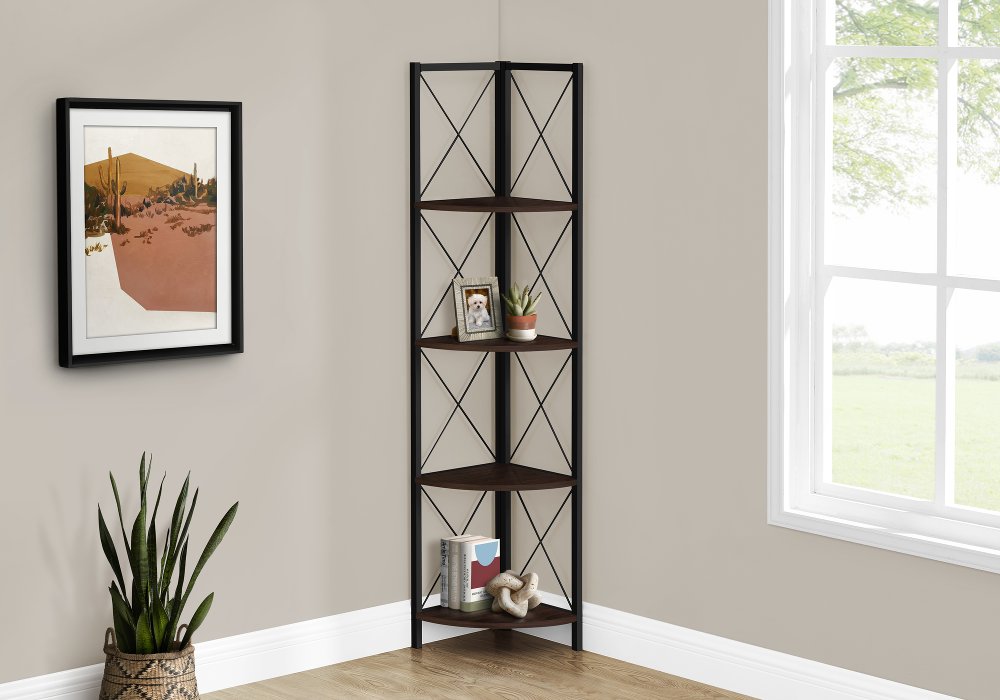
A good fit starts with the shelf’s full footprint, not just the stretch of wall behind it. Width, height, and depth all affect how comfortably shelving lives in a room. A shallow unit can hold paperbacks along a narrow wall without projecting far into a walkway, while deeper shelves better accommodate folded blankets, larger baskets, or office equipment. For a tight corner or a short wall beside a desk, small shelves can offer useful storage without overwhelming the surrounding furniture. Check the interior dimensions of each opening as well as the outside measurements, especially when fitting storage bins or tall objects. Baseboards, nearby outlets, door swings, and clearance around adjoining furniture can all influence placement. Wall-mounted shelving keeps the floor open, but its capacity depends on the wall structure, hardware, and installation; follow the manufacturer’s mounting instructions. Tall freestanding shelving should be secured as directed with hardware appropriate for the wall, especially in homes with children or pets. Keep heavier belongings low, and place everyday essentials where they’re easy to reach without climbing. Once the shelves are in place, simple care helps preserve their appearance and function. Dust regularly with a soft cloth, wipe spills promptly, and follow the recommended cleaning method for the material and finish. Too much moisture can damage wood and some engineered-wood surfaces, while abrasive cleaners may scratch coatings or glass. Plants benefit from protective trays that keep water away from shelf surfaces, and storage baskets should slide smoothly without scraping the finish. Check fasteners periodically and tighten them according to the assembly instructions, particularly after moving the unit. Leaving a little unused capacity makes room for new books, a larger basket, or supplies for a new hobby. With proportions that suit your space and construction that suits the load, multi-purpose shelves can bring order to busy areas while keeping the belongings you use and enjoy close at hand.
Read More