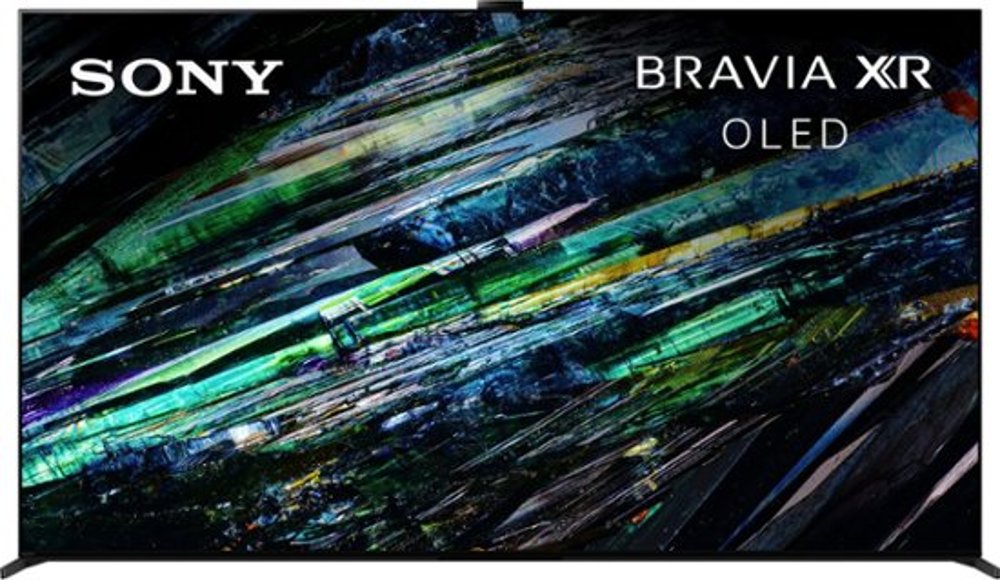
OLED HDR TVs bring together two technologies that can make movies, shows, sports, and games feel more true to life. OLED panels use self-lit pixels, which means each pixel can brighten, dim, or turn completely off on its own. That pixel-level control creates deep, inky blacks beside bright highlights, producing the exceptionally high contrast many viewers notice in nighttime scenes, space footage, candlelit rooms, and dramatic city skylines. High Dynamic Range, or HDR, adds a wider range between the darkest shadows and brightest details while expanding the color palette on compatible content. Together, OLED and HDR can deliver rich color, crisp detail, and a clean image without the halo-like light bleed, often called blooming, that can appear around bright objects on some backlit LED and LCD screens. The slim profile also makes an OLED TV an appealing fit for a polished living room, bedroom, media room, or apartment where every inch matters. As the weather warms and outdoor plans fill the calendar, an OLED HDR TV can keep movie nights inviting indoors; during the cooler months, it becomes a natural gathering spot for streaming marathons, live sports, gaming sessions, and family entertainment. These TVs can also make thoughtful gifts for someone settling into a new home, upgrading a shared living space, or building a more immersive setup for a favorite hobby.
When comparing OLED HDR TVs, start with the way the room is used. OLED screens are especially impressive in rooms with controlled or moderate lighting, where their black levels and contrast can stand out. If your seating area receives strong sunlight, look for a display with a brightness level and screen finish suited to that environment, then place the TV where windows and lamps create fewer reflections. Screen size should match both the room and your typical viewing distance. A larger display can make detailed 4K movies and panoramic landscapes more absorbing, while a smaller size may feel more balanced in a bedroom or compact den. HDR compatibility is another useful consideration. HDR10 is widely supported, while Dolby Vision and HDR10+ can use dynamic scene information to adjust brightness and color more precisely from one scene to the next. Some displays also support Dolby Vision IQ or HDR10+ Adaptive, which can account for room lighting, and HLG, a format commonly used for HDR broadcast content. For a closer look at compatible viewing options, explore Oled Tvs With Dolby Vision. Keep in mind that the quality of the original content matters: a program, game, or disc needs to be mastered in HDR to show the full benefit, while a capable TV can upscale some lower-resolution material to make it look cleaner and more detailed.
Features for gaming and everyday convenience can help narrow the choices, too. Gamers may appreciate a fast refresh rate, low input lag, variable refresh rate support, and HDMI 2.1 connections for compatible consoles and PCs. Refresh rates around 120Hz or higher can help fast camera movement, racing games, and sports look smoother, while automatic low-latency modes can make it easier to move from streaming to play. Check the number and placement of HDMI ports so your console, soundbar, streaming device, and other components can connect comfortably. Built-in smart platforms provide access to popular streaming services, voice controls, and app-based viewing, but a simple, responsive menu can be just as important as a long feature list. Audio deserves attention because an ultra-thin screen leaves limited room for powerful built-in speakers. Pairing an OLED HDR TV with a soundbar or surround-sound system can add fuller dialogue, deeper bass, and a more cinematic sense of space, especially for action films and live events. OLED displays are designed for daily enjoyment, but good screen habits are still worthwhile: use built-in screen protection features, allow the TV to run its panel-care cycles, and vary content when possible rather than leaving a static image paused for extended periods. With the right size, features, placement, and content, an OLED HDR TV can turn an ordinary evening on the sofa into a vivid, comfortable viewing experience that everyone in the home can enjoy.
Read More