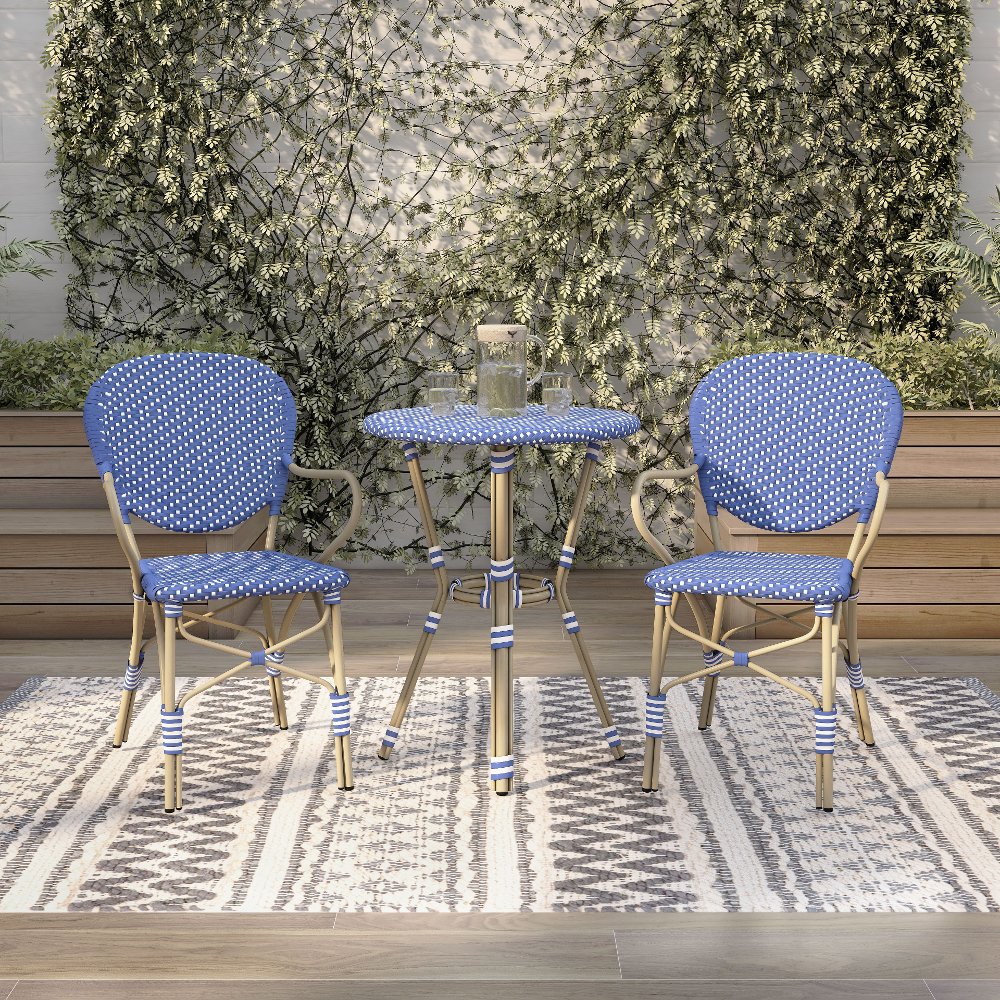
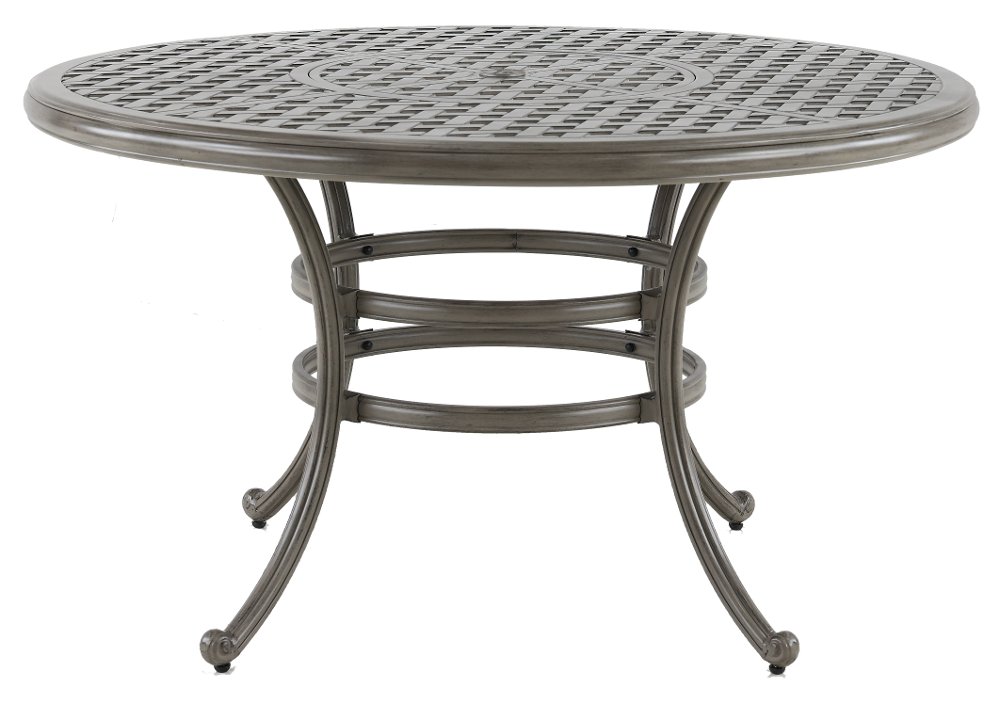
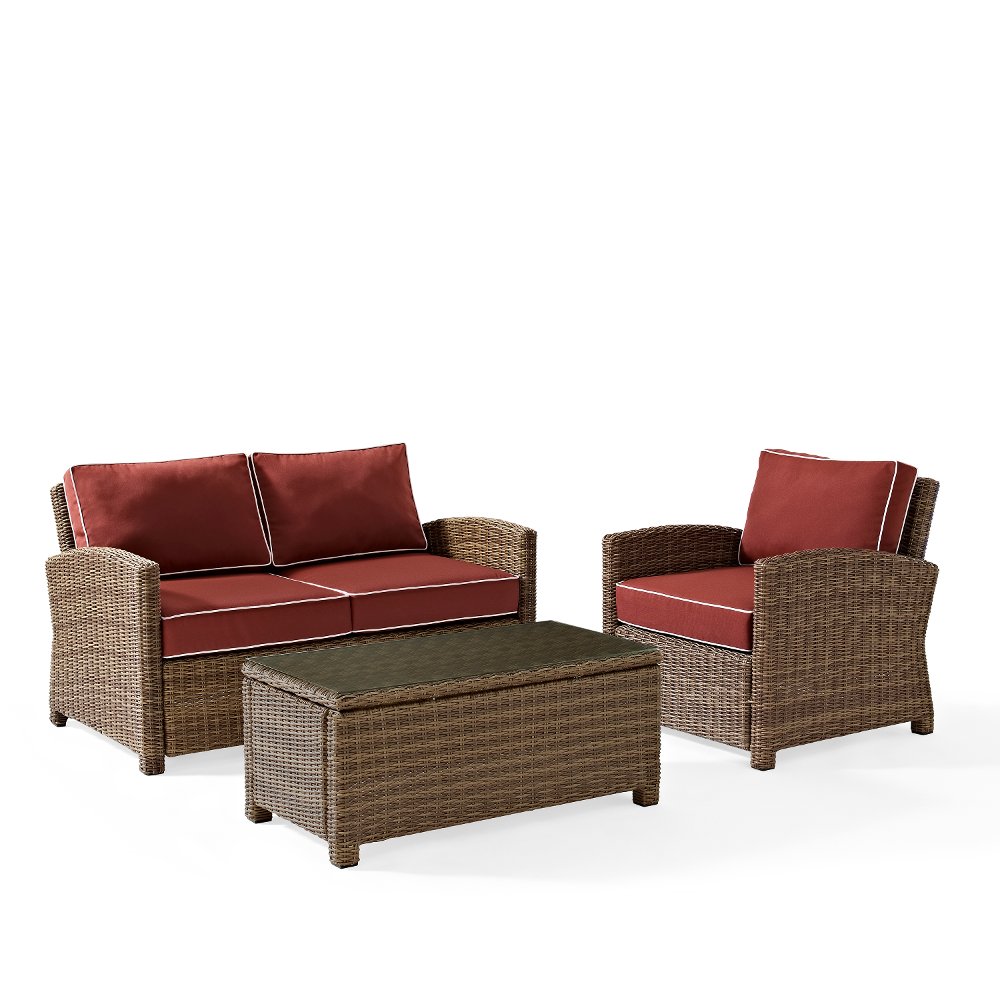
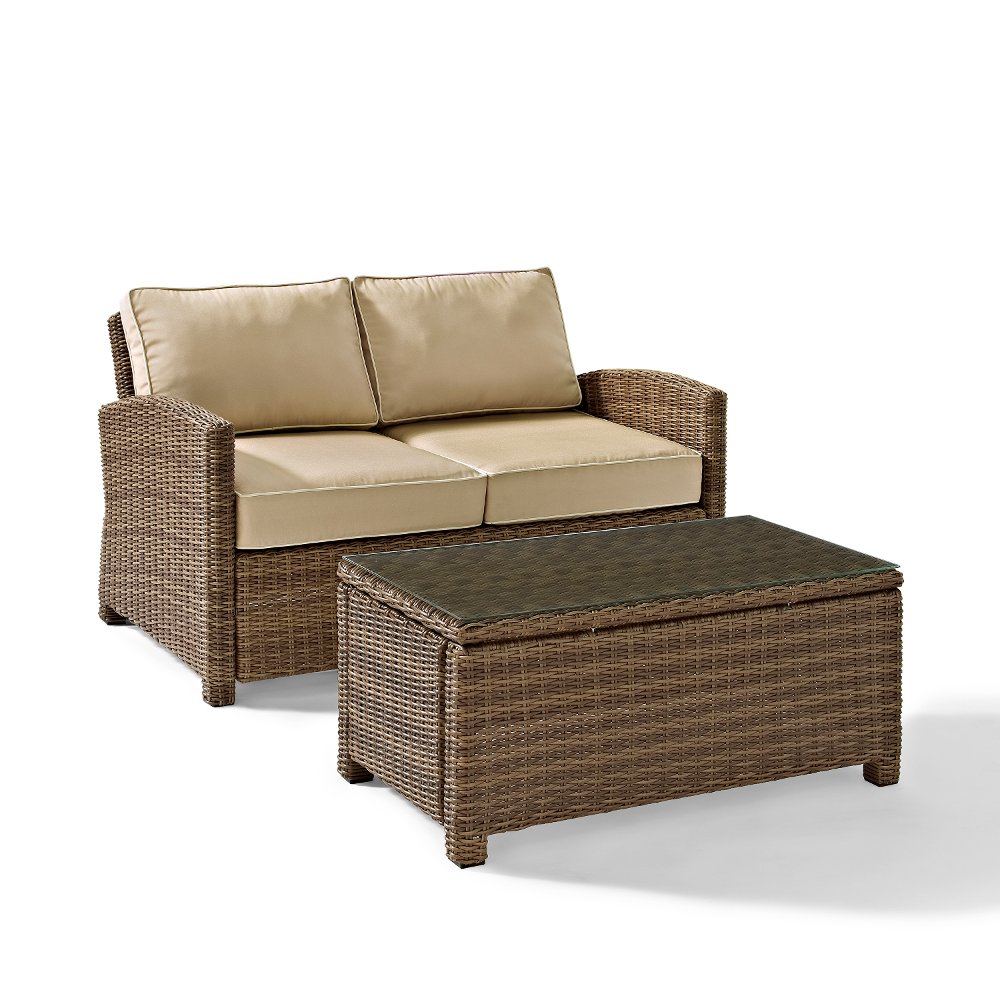
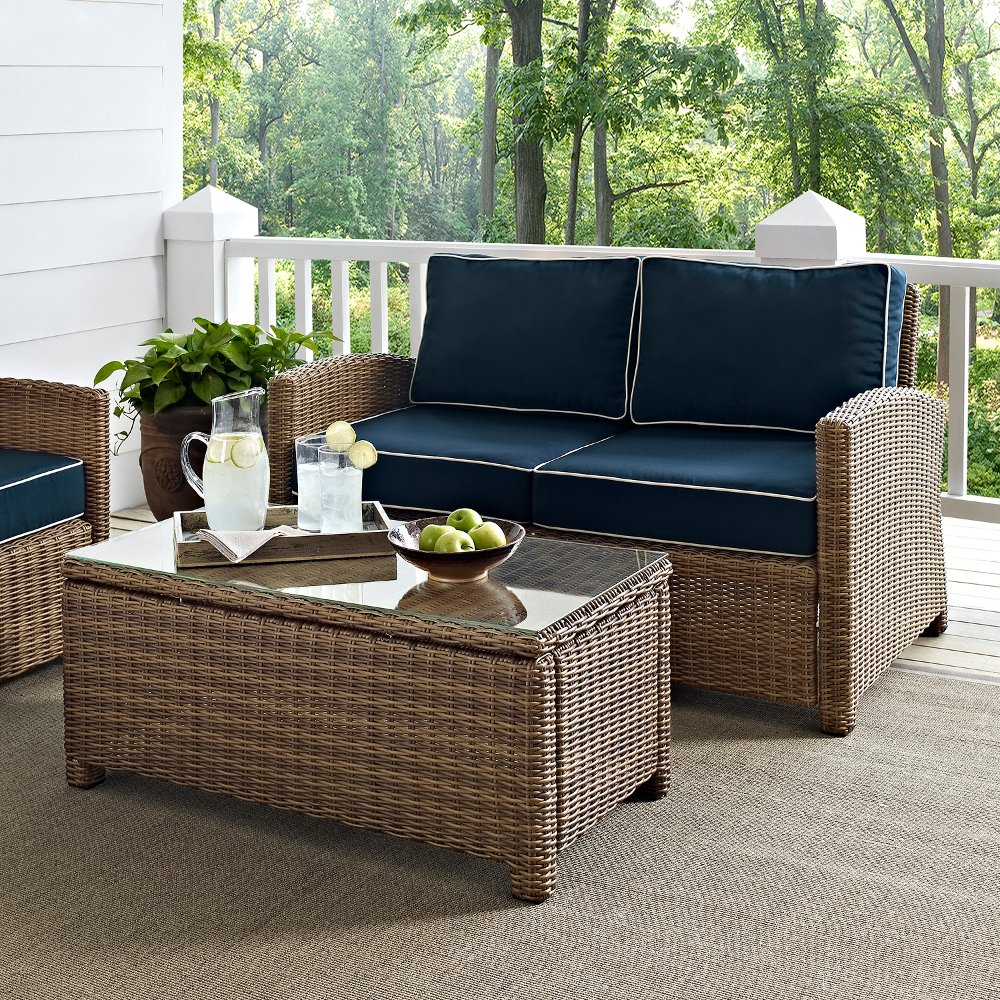
Round outdoor table sets create a comfortable place for everyday meals, relaxed conversations, and gatherings that move from the kitchen to the patio. With everyone facing toward the center, a round table makes it easy to pass a serving bowl, share a snack, or keep the conversation going without anyone sitting at the far end. The curved edge also softens the look of a space filled with straight deck boards, rectangular planters, and sliding doors. These sets typically pair a circular table with coordinating chairs, ranging from compact two-person bistro arrangements to larger outdoor dining sets for family meals and entertaining. A small set can turn a porch corner into a spot for coffee, while a larger table gives friends room to settle in over dinner. Table diameter is an important starting point, but chair width, leg placement, and place settings also affect seating capacity. As a general reference, tables around 24 to 36 inches across often suit two people, tables around 42 to 48 inches commonly accommodate four, and tables around 54 to 60 inches may seat four to six comfortably. Larger diameters can support more seating, depending on the design. Generous armchairs need more space than slim side chairs, and a meal with serving dishes takes more room than drinks and appetizers. The best fit leaves space beyond the tabletop for chairs to pull out and people to move around them. About 36 inches between the table edge and nearby walls or obstacles is a useful starting point, with extra clearance along busy walkways. On a balcony or narrow patio, measuring with the chairs pulled out gives a more realistic picture than measuring the table alone. Rounded edges can make movement feel less cramped, but the full seating footprint still matters. A pedestal base may give diners more flexibility around the table, while a legged base needs enough clearance to keep knees and chair legs comfortable. For dining spaces elsewhere in your home, Large Round Dining Table Sets offer a similar gathering-friendly shape, though furniture intended for indoor use shouldn’t be treated as outdoor furniture.
Materials influence everything from the set’s appearance to how easily it moves and how much attention it needs. Aluminum outdoor dining sets are generally lightweight and naturally resistant to rust, making them practical for patios where furniture gets rearranged for guests or cleaning. Powder-coated aluminum adds a finished surface that can complement both simple, modern spaces and more traditional surroundings. Steel and wrought iron bring a substantial feel, although exposed metal can corrode if a protective finish becomes chipped or worn. A sturdy frame matters, but greater weight alone doesn’t establish quality; joints, welds, hardware, and finish condition all contribute to long-term performance. Wood offers natural texture and a warm appearance that pairs comfortably with greenery and stone. Teak and eucalyptus are common outdoor furniture materials, but their care requirements differ, and neither should be assumed to need the same treatment. Some wood can develop a silver-gray patina with exposure, while maintaining its original color may require a manufacturer-recommended finish and periodic maintenance. High-density polyethylene, often called HDPE or poly lumber, offers another approach. It doesn’t require staining like wood and is generally resistant to moisture and splintering, though fade resistance and structural performance depend on the material and construction. Resin wicker adds woven texture and is typically made from synthetic fibers over a metal frame. For outdoor use, the weave’s resistance to ultraviolet exposure and the frame’s corrosion protection are more important than its resemblance to natural rattan. Tabletop surfaces deserve equal consideration. Slatted designs can allow water to drain, while solid surfaces provide a smooth place for plates and glasses. Glass tops are easy to wipe down but benefit from careful handling and protection against scratches and impacts. Whatever the material, outdoor-rated construction is essential. Weather-resistant furniture is designed to handle exposure better than indoor furniture, but that description doesn’t mean every component is waterproof or maintenance-free. A sheltered porch, an open patio, and a location near a pool can place different demands on the same set.
Comfort often determines whether an outdoor table becomes part of your routine or stays reserved for occasional company. A supportive seat, a backrest at a comfortable angle, and arms that fit beneath the tabletop make a difference during a meal that stretches into conversation. Standard dining-height tables are often about 28 to 30 inches tall, while counter-height and bar-height sets create a different seating experience and need appropriately matched chairs. Higher seating may suit an elevated view or a casual gathering area, but dining-height chairs are often easier for children and guests with mobility concerns to use. Swivel chairs can make turning toward another guest more convenient, provided there’s room for their movement. Stackable or folding chairs can help when the patio also needs to accommodate other activities. Cushions add softness, but their fabric, filling, and care instructions matter as much as thickness. Removable covers aren’t necessarily machine washable, and water-resistant fabric can still allow moisture to reach the cushion interior. Keeping cushions dry and letting them air out fully after cleaning helps preserve a fresher seating area. Practical tabletop details also shape everyday use. An umbrella hole can support a coordinated shade setup, but the umbrella still needs a compatible, properly weighted base and should be secured according to its instructions. A rotating serving tray can make shared dishes easier to reach on a larger round table, although it reduces space in the center for other items. Regular care is usually easier than removing a buildup of dirt later: mild soap, water, and a soft cloth suit many outdoor surfaces, with the manufacturer’s directions taking priority over a general cleaning routine. Drying metal joints, checking hardware periodically, and using breathable furniture covers can help protect the set between gatherings. A covered storage area offers additional protection when furniture won’t be used for an extended period. For couples furnishing a first patio, families making room for outdoor dinners, or hosts who enjoy lingering over dessert, a well-proportioned round outdoor table set brings seating, function, and a welcoming gathering place into one coordinated space.
Read More